How to Photograph Rainforest Waterfalls in Bad Weather (And Why You Should Go Anyway)

How to Photograph Rainforest Waterfalls in Bad Weather (And Why You Should Go Anyway)

I once spent an entire vacation chasing a single waterfall shot. Every evening, my dinner went cold while I crouched in wet boots adjusting my tripod by millimeters. My family thought I’d lost my mind. But here’s the thing I kept trying to explain: waterfalls only look that good after heavy rain. The flow is fuller, the rocks are slick and dark, the ferns are dripping and lush. The miserable conditions are the whole point.

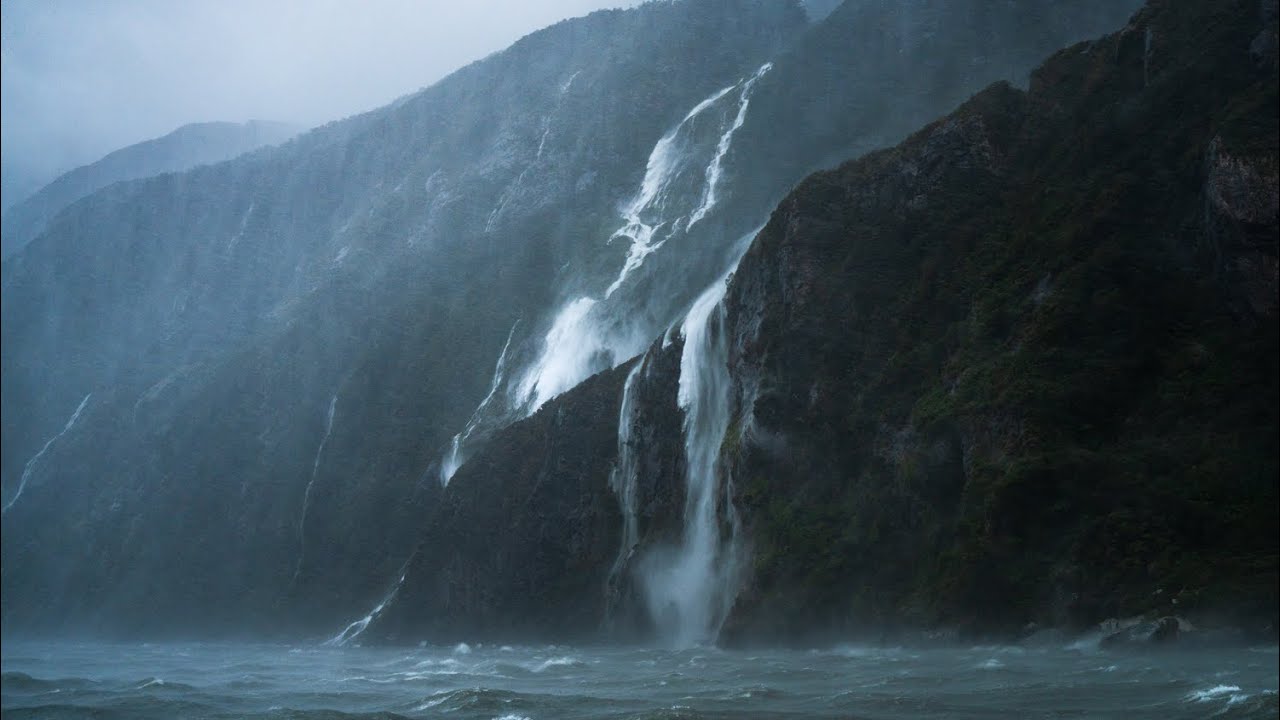
How to Read a Landscape and React to the Light: Lessons from a Fiordland Boat Expedition

How to Read a Landscape and React to the Light: Lessons from a Fiordland Boat Expedition

There’s a trap a lot of photographers fall into on location, myself included: waiting for the “perfect” conditions before picking up the camera. Clear skies, golden hour, no wind. I spent an entire vacation once chasing a single waterfall shot in the Cascades, convinced I needed ideal light. I missed dinner three nights in a row and came home with maybe two frames I actually liked. What I should have been doing was working with whatever the landscape was handing me.

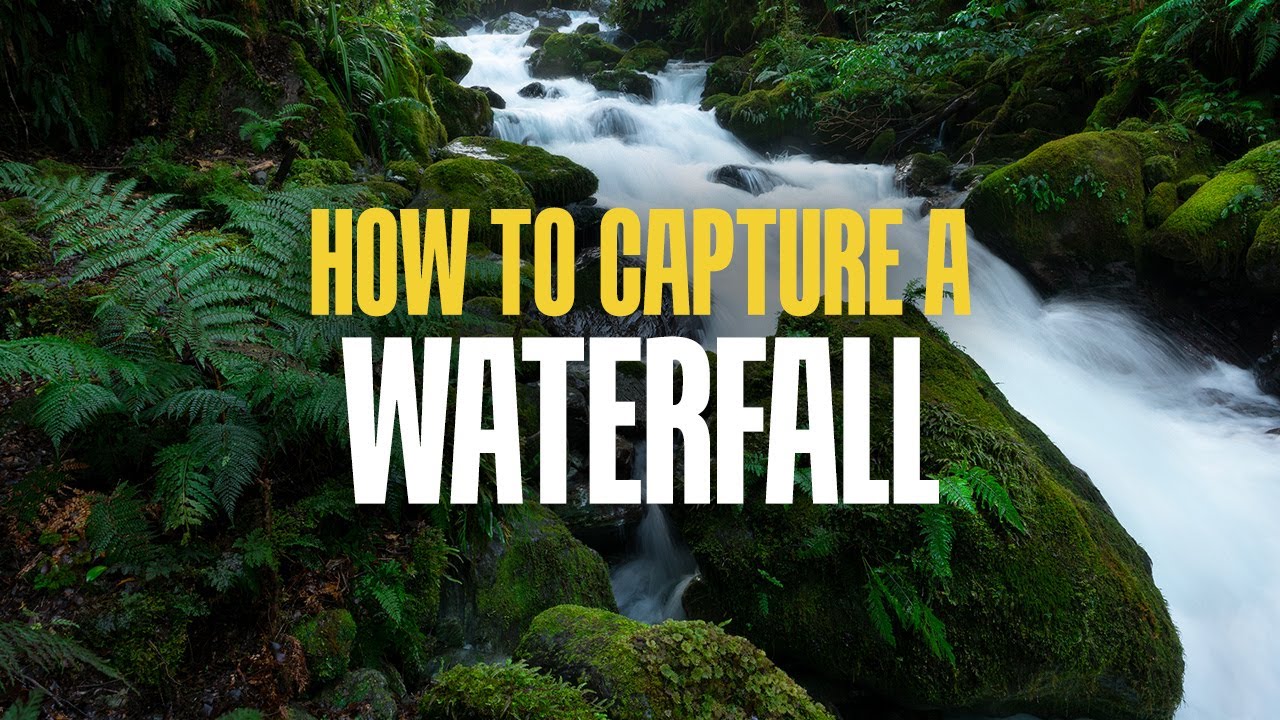
How to Photograph a Waterfall: Lessons From Shooting in the Rain With a Wide Angle

How to Photograph a Waterfall: Lessons From Shooting in the Rain With a Wide Angle

I once spent four days on a trip to the Oregon coast trying to nail a single waterfall shot. I missed dinner twice, came back to the cabin soaking wet every evening, and still didn’t get the image I had in my head. What I wish I’d had was a more systematic way of working through a scene instead of just wading in and hoping for the best. That’s exactly what makes this tutorial so useful.

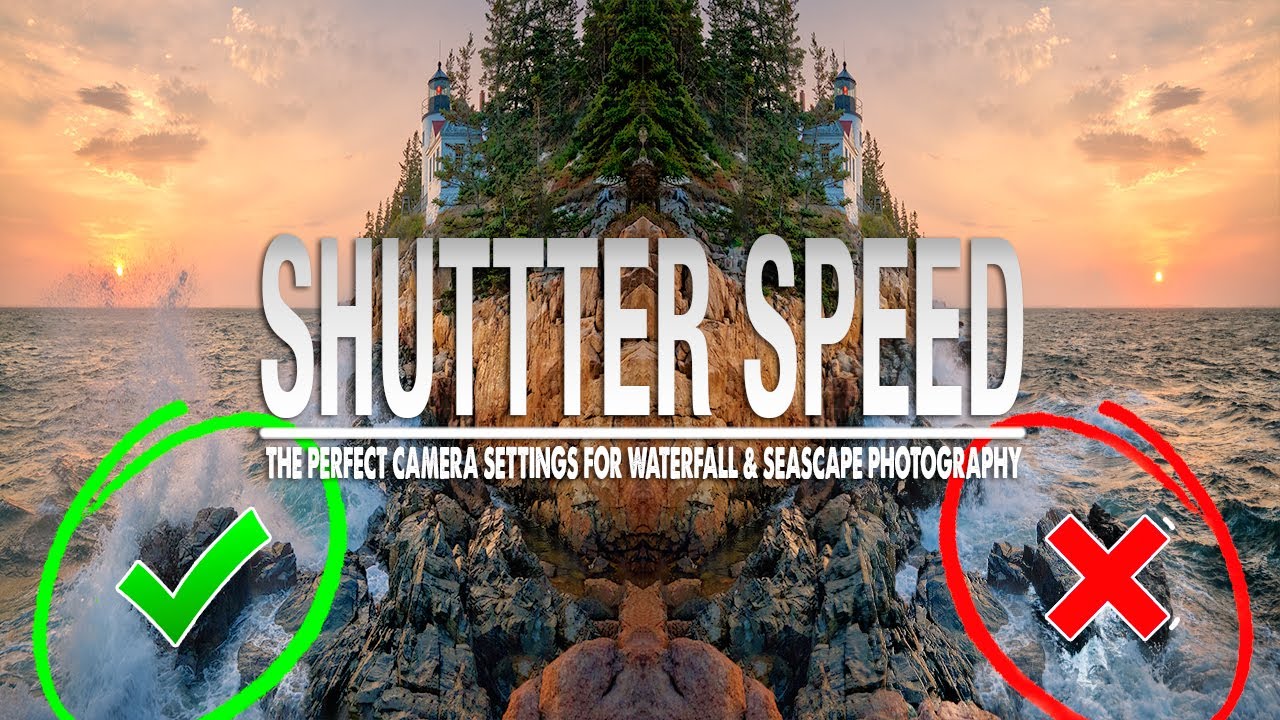
Shutter Speed for Waterfalls and Seascapes: What I Learned From Mark Denney's Approach

Shutter Speed for Waterfalls and Seascapes: What I Learned From Mark Denney's Approach

I once spent four consecutive evenings at the same waterfall on a trip to Oregon, missing dinner every night, trying to nail one shot. The water looked either too frozen or too smooth, and I kept second-guessing myself at the dial. The problem wasn’t my gear or even my composition. It was that I hadn’t actually decided what I wanted the water to look like before I pressed the shutter. I was guessing, and it showed.

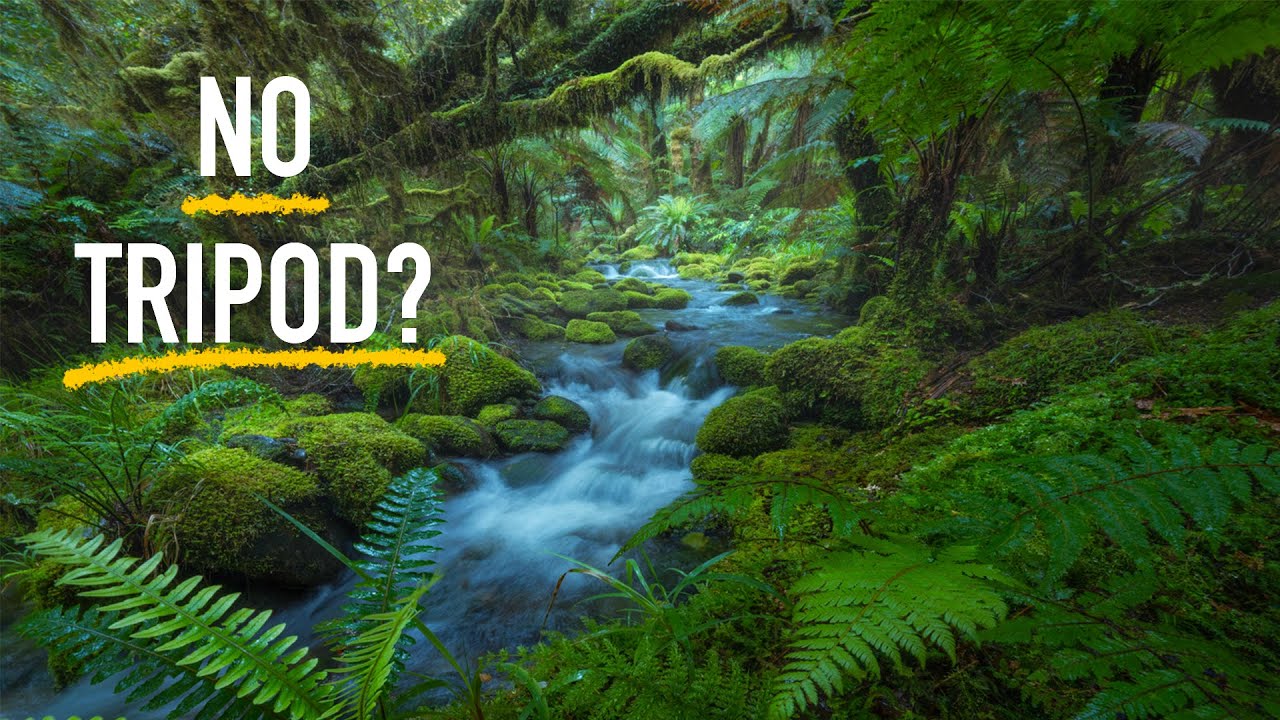
How to Stop Overthinking and Actually See the Shot: Lessons from New Zealand's Wildest Landscape

How to Stop Overthinking and Actually See the Shot: Lessons from New Zealand's Wildest Landscape

There’s a particular kind of paralysis that hits me every time I step into a dense forest with my camera. Too many trees. Too much texture. No obvious subject. I stand there rotating slowly like a confused sprinkler, and somehow leave with 300 mediocre frames of nothing. If you’ve felt that, this one’s for you. I recently watched William Patino’s behind-the-scenes tutorial from a nine-day photography workshop he ran in Fiordland, New Zealand, one of the most visually overwhelming landscapes on the planet, and something clicked.