Stop Guessing Your Exposure: A Working Photographer's Guide to Manual Mode

Stop Guessing Your Exposure: A Working Photographer's Guide to Manual Mode

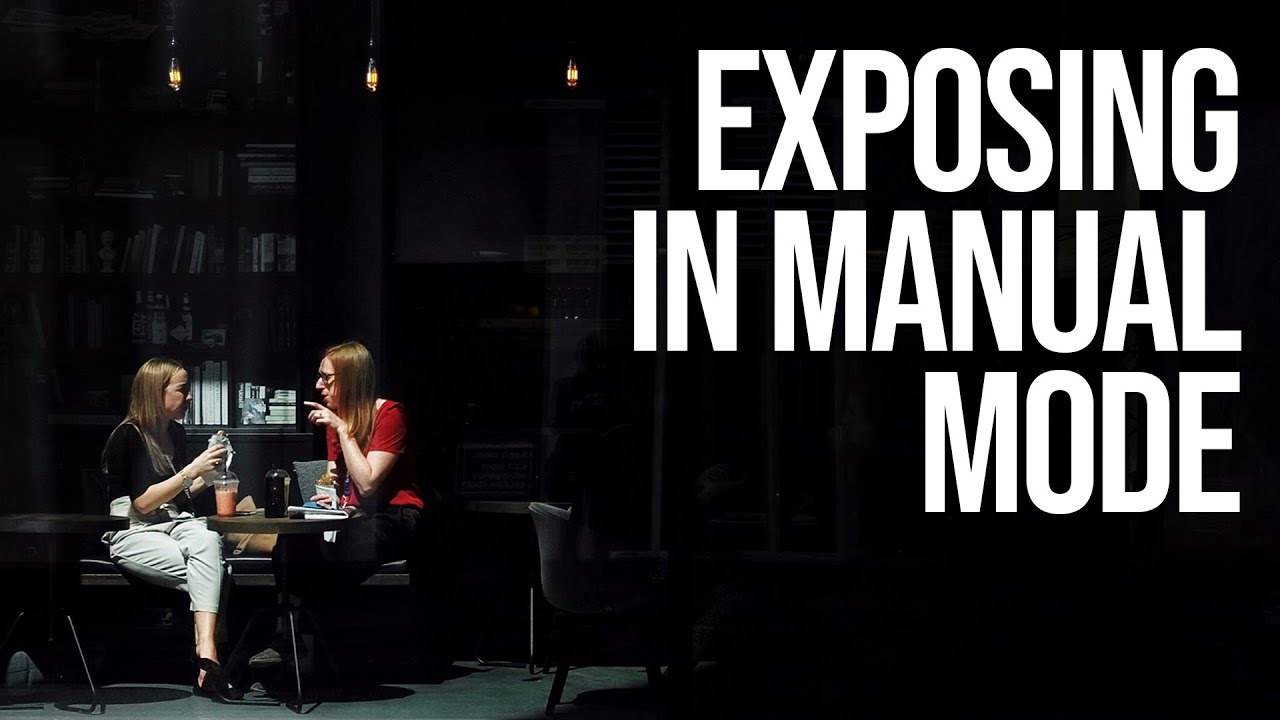
Every Sunday morning I take a photo walk through my neighborhood in Seattle, and for the first two years of doing that, I was fighting my camera the whole time. I’d dial in aperture priority, watch the meter, and still come home with a card full of images where the bright sky was blown out or the shadows turned to mud. I kept tweaking exposure compensation, guessing, compensating again. It felt like negotiating with someone who didn’t speak my language.

How to Build a Boudoir Set from Scratch (And Light It So You Barely Need to Retouch)

How to Build a Boudoir Set from Scratch (And Light It So You Barely Need to Retouch)

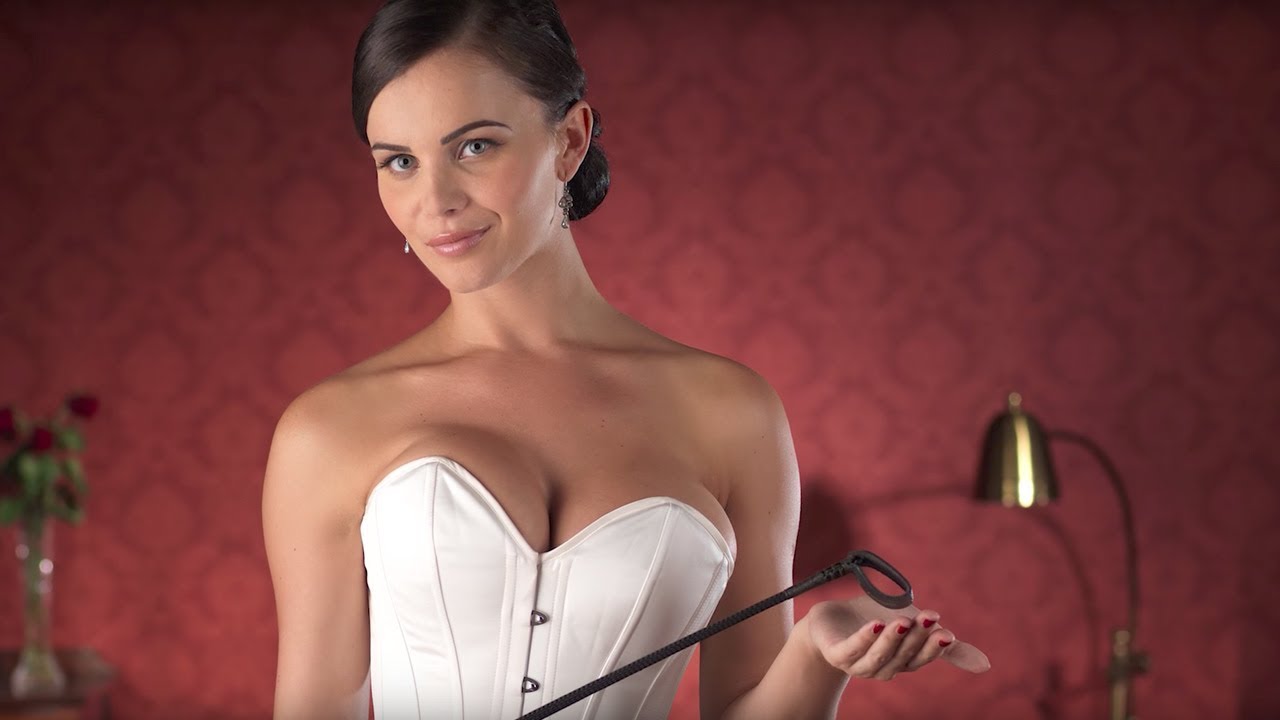
There’s a particular kind of stress that comes from arriving at a boudoir shoot with a bare white wall, a single light, and a model who’s already a little nervous. I’ve been there. The lighting guesswork alone adds an hour of post-processing you didn’t plan for, and if the set feels clinical rather than intimate, even great posing can’t save the mood. Boudoir photography lives or dies on atmosphere, and atmosphere is something you have to build deliberately, before a single frame is shot.

One Light, One Modifier: How to Transform a Flat Portrait Into Something Dramatic

One Light, One Modifier: How to Transform a Flat Portrait Into Something Dramatic

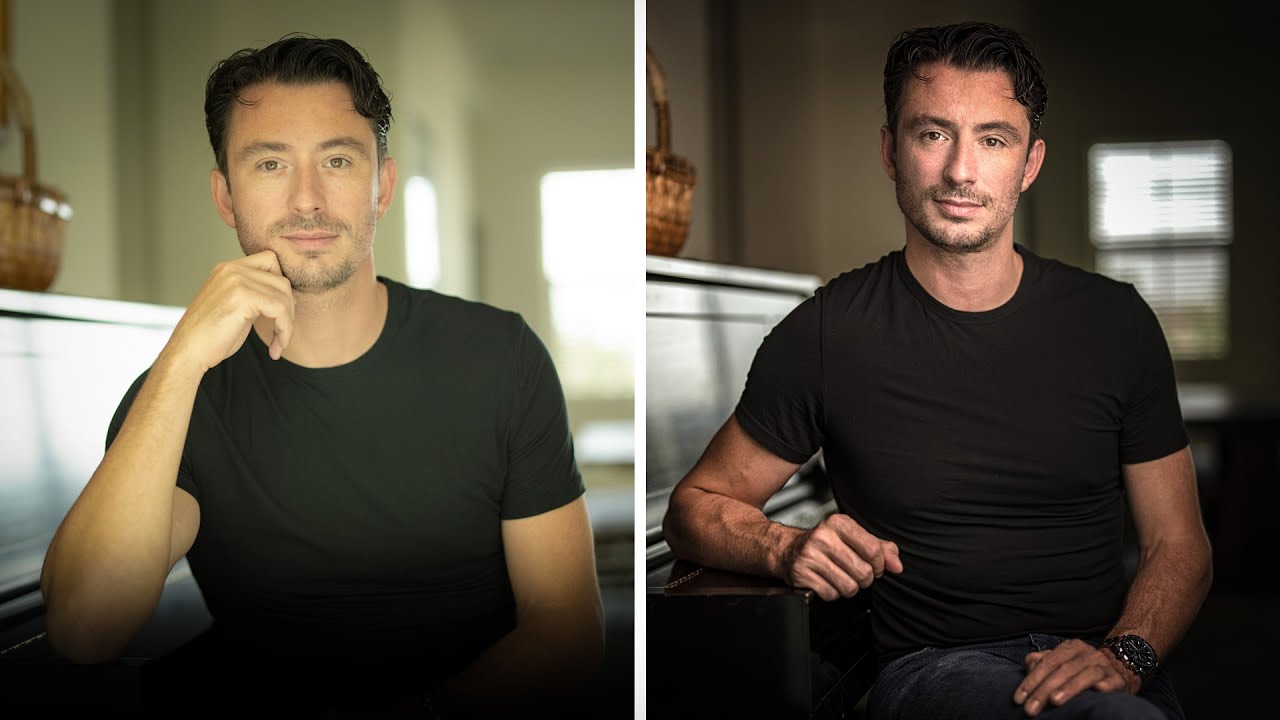
There’s a scenario every portrait photographer runs into eventually: you’re shooting somewhere that isn’t ideal, the natural light is flat and unforgiving, and your client is expecting something that looks like it belongs on an album cover. I’ve been there more times than I want to count. For a long time, my instinct was to just work with whatever the ambient light gave me and fix it in post. The results were fine.

How Joel Grimes Uses Light and Lens Choice to Build Instant Drama in a Portrait

How Joel Grimes Uses Light and Lens Choice to Build Instant Drama in a Portrait

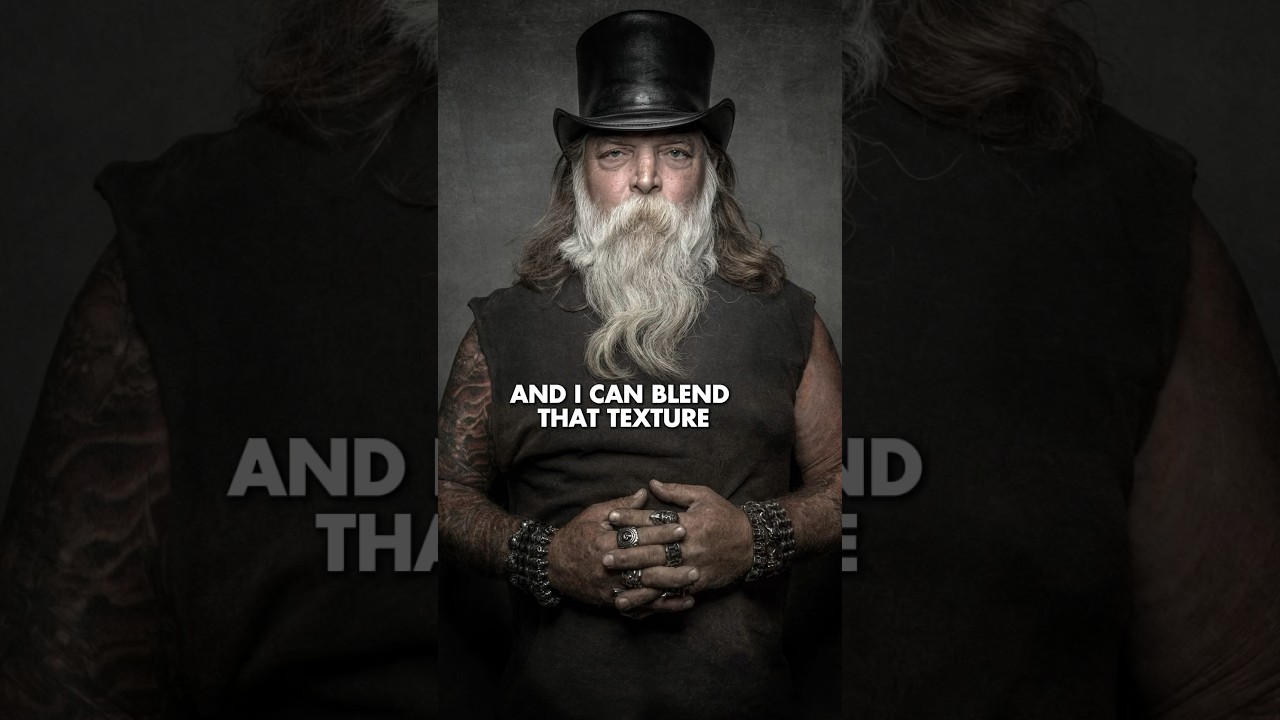
Every time I packed for a portrait session outside my home studio, I’d stare at my pile of paper backdrops and do this exhausting mental math. Bring the dark gray and risk wanting something warmer? Bring the canvas and run out of room for my reflectors? I spent years making that call wrong, which meant I spent years with shots that were technically fine but felt visually flat because I’d locked myself into a background choice before I’d even seen the light on location.