6 Composition Rules That Actually Stick (A Breakdown of Joel Grimes' Best Advice)

6 Composition Rules That Actually Stick (A Breakdown of Joel Grimes' Best Advice)

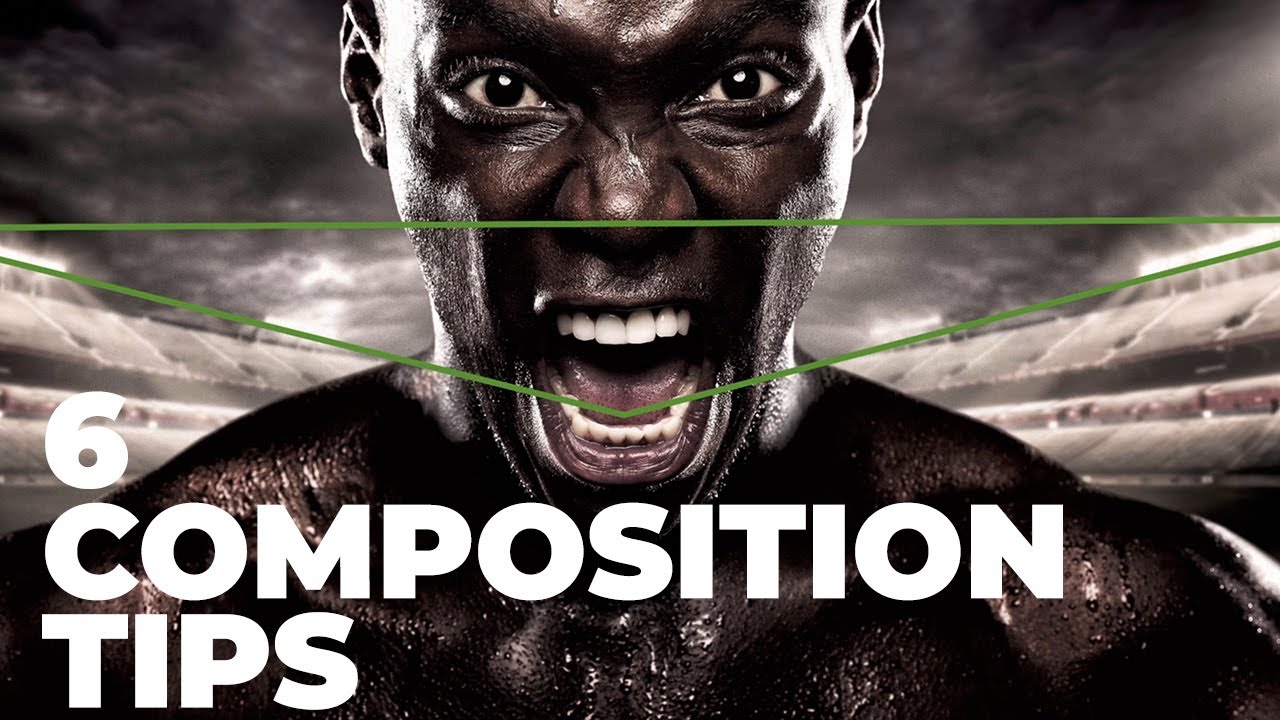
Every Sunday morning I’m out on a photo walk, and I can’t tell you how many times I’ve come home with a memory card full of shots that just… don’t land. The light was good. The subject was interesting. But something felt off, and I couldn’t explain why. That vague, frustrating feeling is almost always a composition problem. That’s what pulled me into Watch the full tutorial on YouTube by Joel Grimes, a commercial advertising photographer with over 35 years of experience.

How to Use a Single Light Source to Create Dramatic, Sparkling Portrait Effects

How to Use a Single Light Source to Create Dramatic, Sparkling Portrait Effects

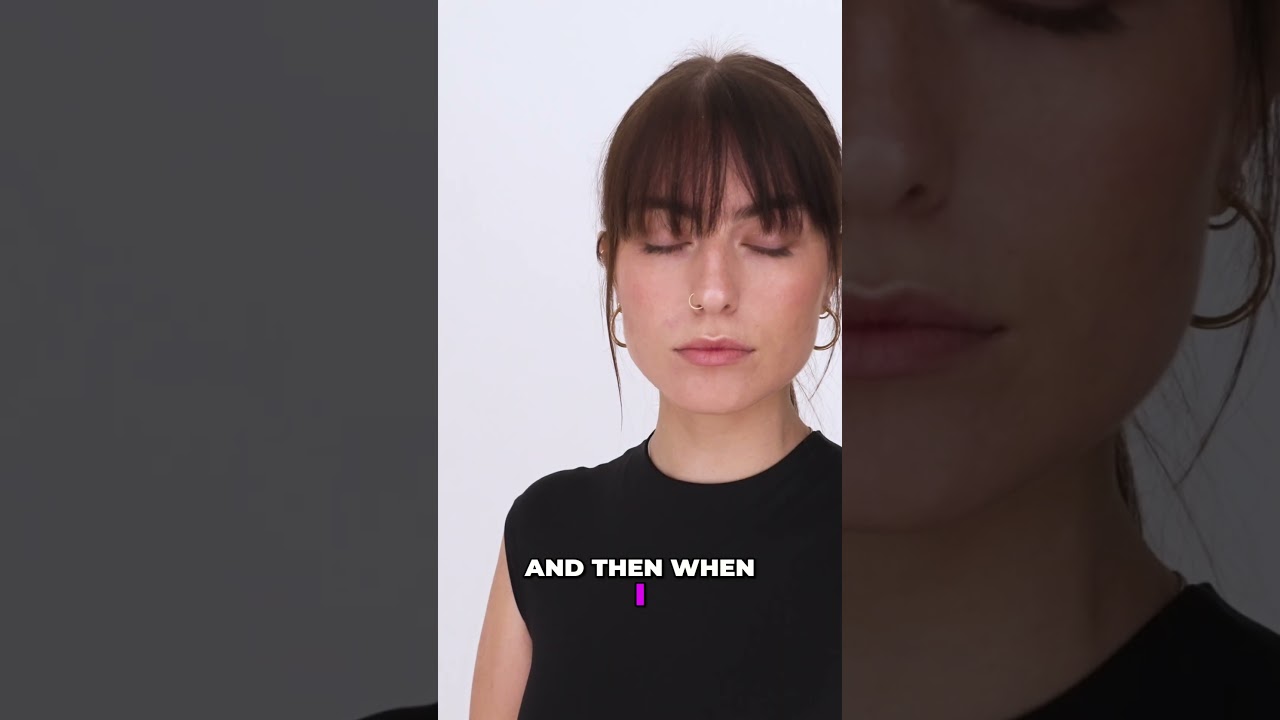
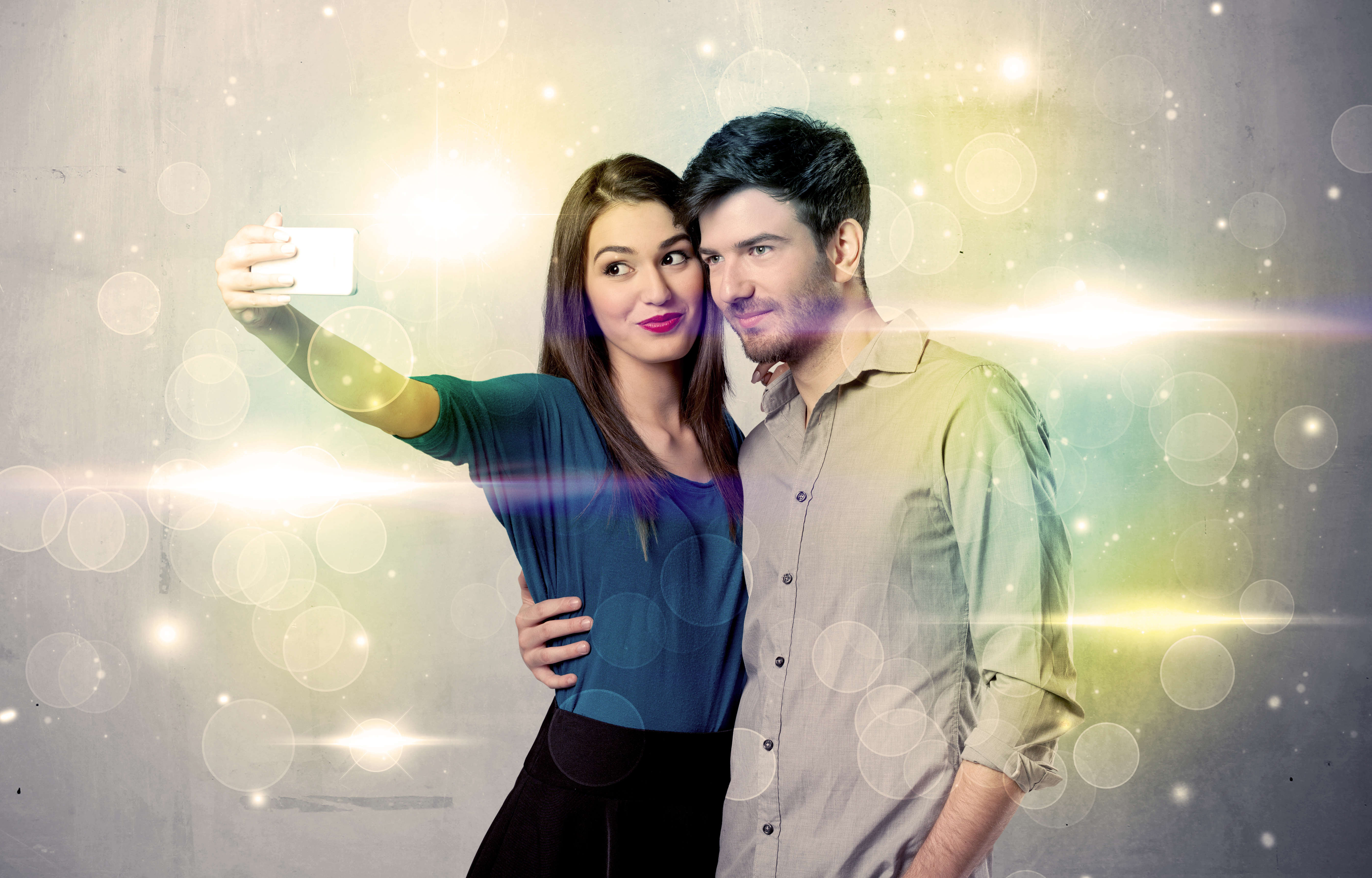
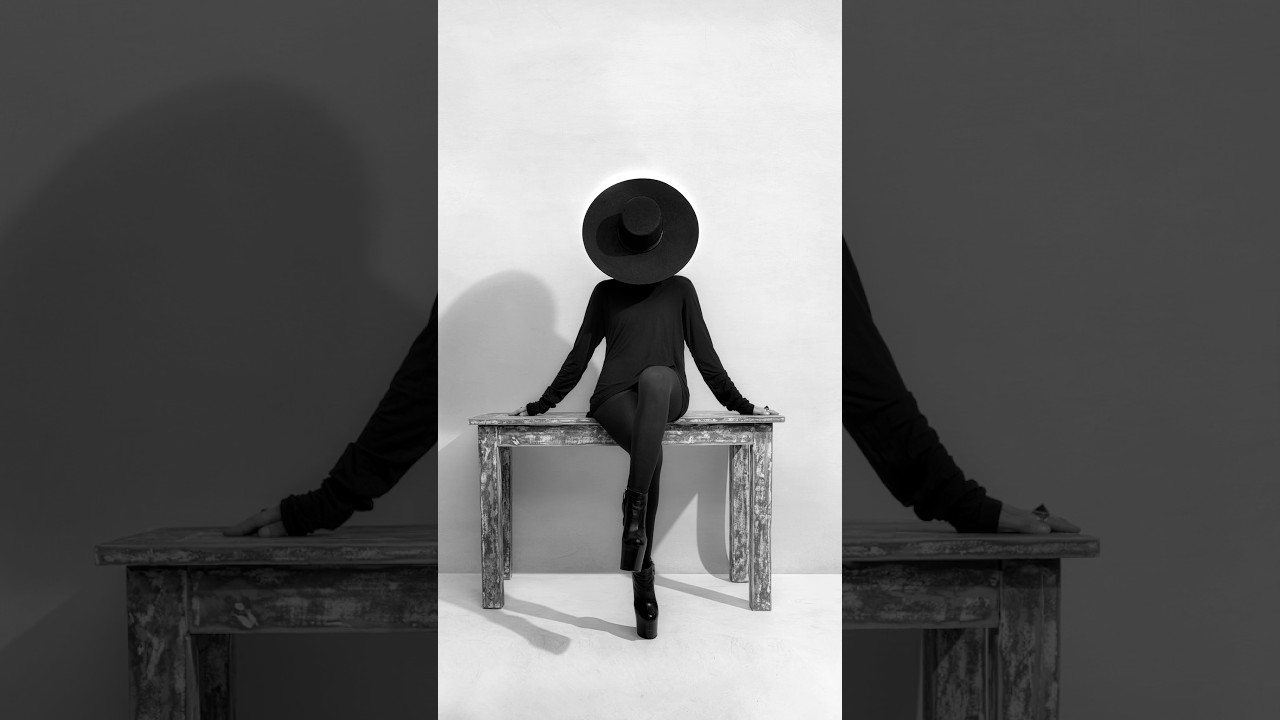
I had a client session last month that humbled me. Corporate headshots, simple brief, nothing fancy. But the client kept pulling up reference photos on her phone, all of them with these gorgeous little catchlights and a kind of sparkle to the skin that looked expensive without looking overdone. I knew the technique existed. I just hadn’t locked it down in a way I could repeat reliably under pressure. That’s when I found this tutorial and it clicked something into place.

Shoot Epic Product Photos at Home Using Everyday Objects (Peter McKinnon's Method, Broken Down)

Shoot Epic Product Photos at Home Using Everyday Objects (Peter McKinnon's Method, Broken Down)

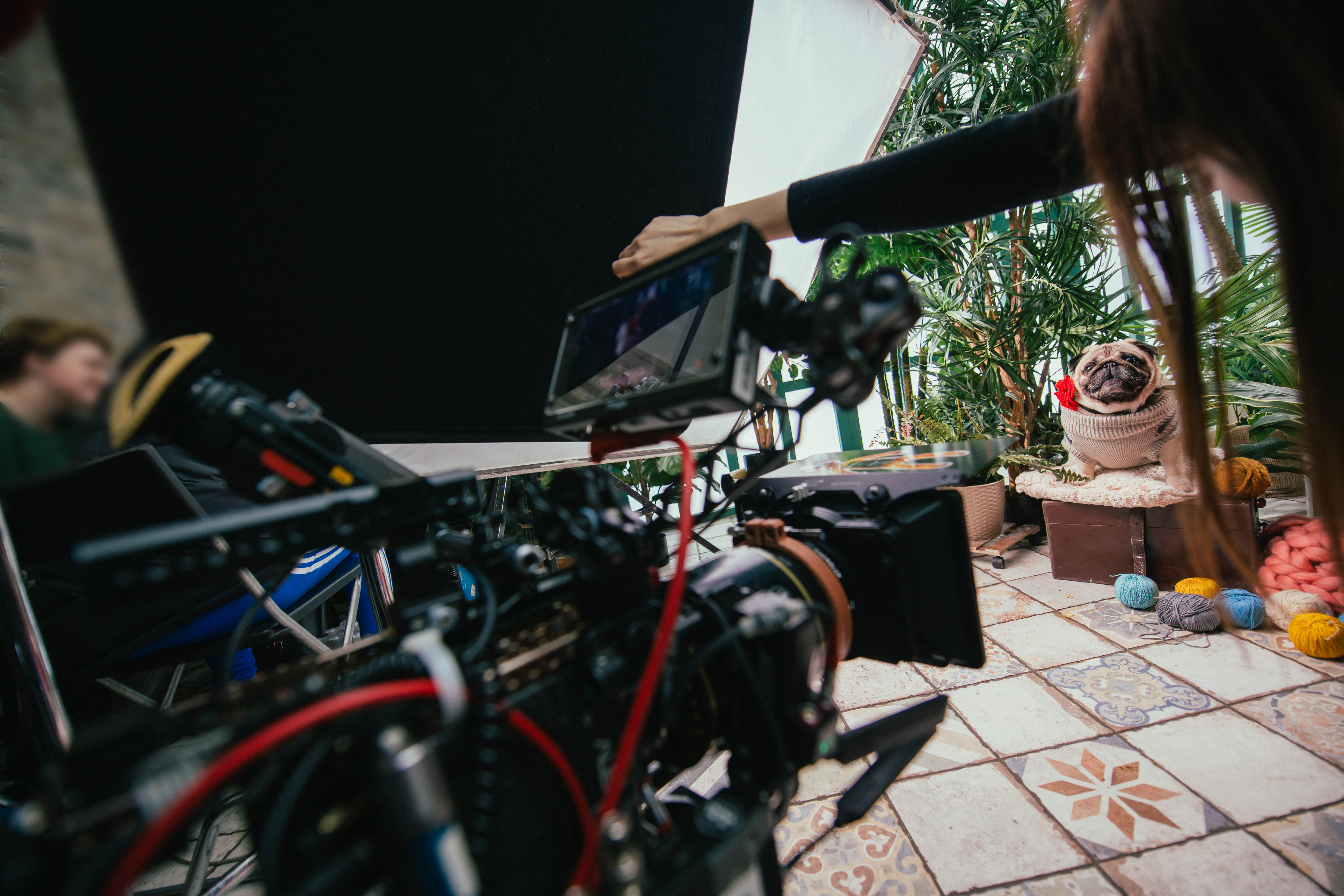
Every few months I get a message from someone asking how brands get those rich, moody product shots that look like they required a full studio crew. Nine times out of ten, the answer is simpler than you’d expect. I started thinking about this more seriously when I realized I was turning down small product photography requests because I assumed I didn’t have the “right” setup. Spoiler: I was wrong, and a Peter McKinnon tutorial on shooting playing cards changed how I approach the whole thing.

Ten Things Beginner Photographers Get Wrong (And How to Fix Them Fast)

Ten Things Beginner Photographers Get Wrong (And How to Fix Them Fast)

There’s a specific kind of frustration that hits when you get home from a shoot, pull up your images, and realize that technically everything went wrong. The shot is slightly blurry. The foreground is sharp but the background is mush. There are strangers walking through your otherwise perfect frame. I spent my first two years as a photographer chalking those problems up to bad luck. Turns out, they’re all fixable, and the fixes aren’t complicated.

Why a Compact Travel Camera System Should Be Your Next Investment

Why a Compact Travel Camera System Should Be Your Next Investment

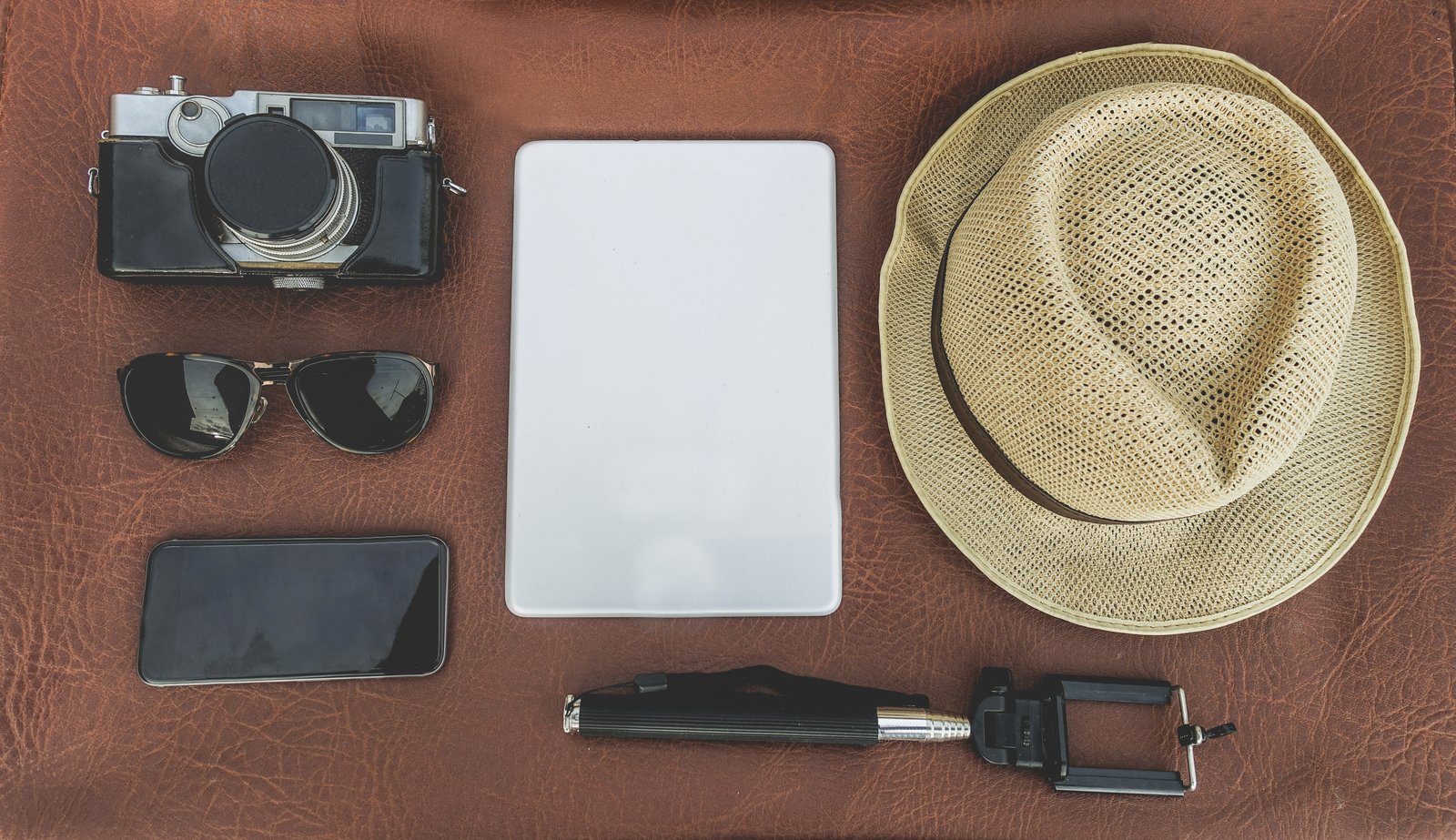
Why a Compact Travel Camera System Should Be Your Next Investment I’ve been thinking a lot lately about what makes a truly great travel camera setup, and I want to share some insights that might help you make your next gear decision. Whether you’re planning a hiking trip, a family vacation, or just want something that fits in your everyday bag, there are some key features worth understanding. The Case for Compact Systems When it comes to travel photography, I always tell people that the best camera is the one you’ll actually bring with you.

The Composition Rule Joel Grimes Swears By (And Why It Fixed My Framing Problem)

The Composition Rule Joel Grimes Swears By (And Why It Fixed My Framing Problem)

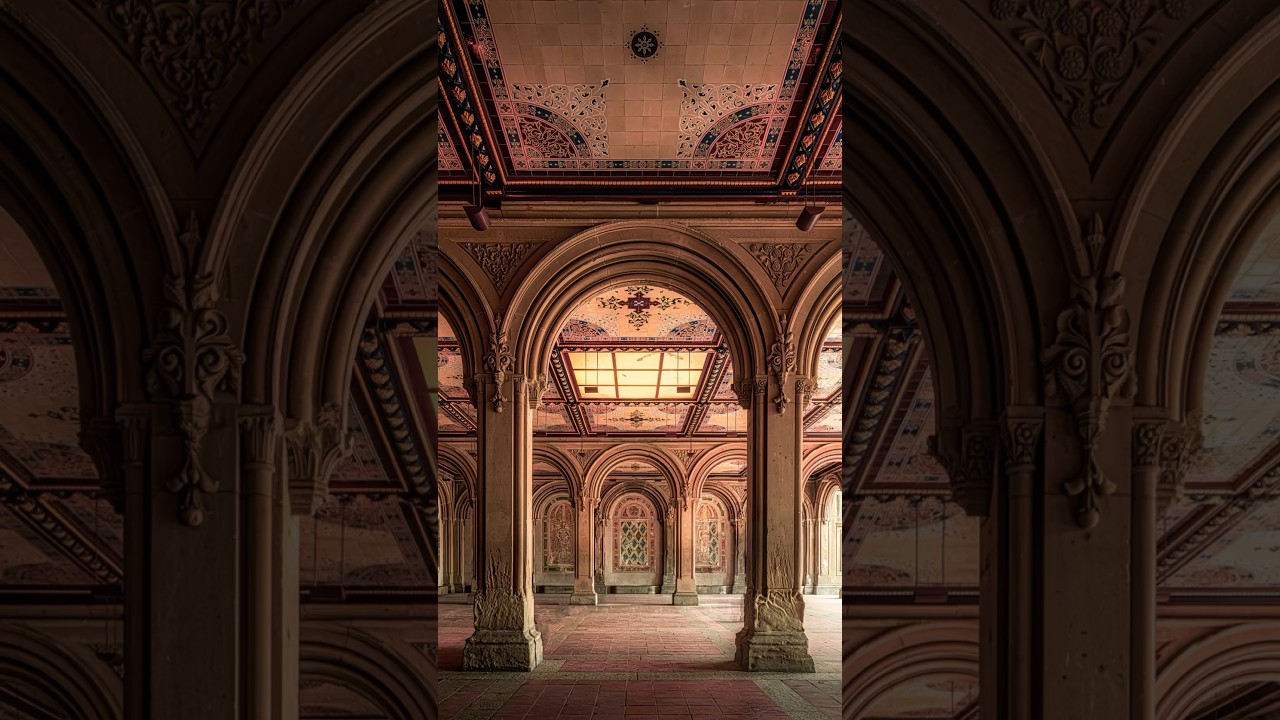
I have a bad habit. When I’m on a Sunday morning photo walk and the light is doing something magical, I get so caught up in what I’m photographing that I stop thinking about how I’m framing it. I’ll come home with a card full of shots where the subject floats in the middle of the frame like a passport photo. Technically exposed. Compositionally forgettable. That’s the problem this tutorial cracked open for me.

How Lens Choice Actually Shapes Your Subject (Not Just Your Frame)

How Lens Choice Actually Shapes Your Subject (Not Just Your Frame)

I had a portrait session a few weeks ago where everything looked technically fine but the images felt flat. The exposure was good, the light was good, my subject was relaxed. But something about the face looked compressed, a little disconnected from the background, kind of lifeless in a way I couldn’t immediately name. I went back through my shots and realized I had been shooting most of them at 70mm from maybe six feet away.

The Portrait Lighting Ratio That Stopped Me From Overcomplicating My Setups

The Portrait Lighting Ratio That Stopped Me From Overcomplicating My Setups

There’s a moment on almost every portrait shoot where the light is technically correct but the image still feels flat. The exposure is fine, the background works, the subject looks comfortable, and yet something is missing. For a long time I chalked that up to “the shot just wasn’t there.” Turns out, I was letting light land wherever it wanted and wondering why my portraits lacked dimension. The fix wasn’t another light or a bigger softbox.

How Joel Grimes Thinks About Composition (And Why It Changed How I Frame Every Shot)

How Joel Grimes Thinks About Composition (And Why It Changed How I Frame Every Shot)

I’ve been teaching photography long enough to know that most beginners think composition is about rules. The rule of thirds. Leading lines. The golden ratio. They memorize the list, they tick the boxes, and then they wonder why their photos still feel flat. That’s the problem I kept running into with students who came to my Sunday morning photo walks. They’d do everything “right” and still produce images that didn’t have any pull to them.

Stop Overlooking Your Smartphone: 5 Areas Where It Outperforms Traditional Cameras

Stop Overlooking Your Smartphone: 5 Areas Where It Outperforms Traditional Cameras

Stop Overlooking Your Smartphone: 5 Areas Where It Outperforms Traditional Cameras I spend a lot of my time explaining why you should invest in a dedicated camera. And honestly? That advice still stands. Larger sensors, interchangeable lenses, true depth of field control, and RAW file formats offer capabilities that smartphones simply can’t replicate—at least not yet. But here’s what I’ve realized after years of teaching photography: your phone is doing some things remarkably well, often better than equipment costing ten times as much.

Stepping Outside Your Comfort Zone: Why Trying New Camera Systems Matters

Stepping Outside Your Comfort Zone: Why Trying New Camera Systems Matters

Breaking Free from Gear Loyalty As photographers, we often become deeply attached to our equipment. We learn its quirks, master its menus, and develop an intuitive understanding of how it performs in different situations. But what happens when we venture beyond the familiar? This week, I’m doing something I haven’t done in years: testing a camera system completely outside my usual ecosystem. While I’ve spent countless hours with one particular brand—moving through several models over the years—I’m now embracing the opportunity to explore Micro Four Thirds technology.

The Reality of Outdoor Portrait Photography: Common Challenges and Smart Solutions

The Reality of Outdoor Portrait Photography: Common Challenges and Smart Solutions

The Reality of Outdoor Portrait Photography: Common Challenges and Smart Solutions When I first started shooting portraits outdoors, I arrived at every session convinced that my careful planning would guarantee smooth sailing. I was wrong—repeatedly. Over the years, I’ve learned that the gap between amateur and professional photographers isn’t about avoiding problems. It’s about having encountered them enough times to handle them gracefully. Expect the Unexpected The truth is, outdoor portrait sessions are inherently unpredictable.