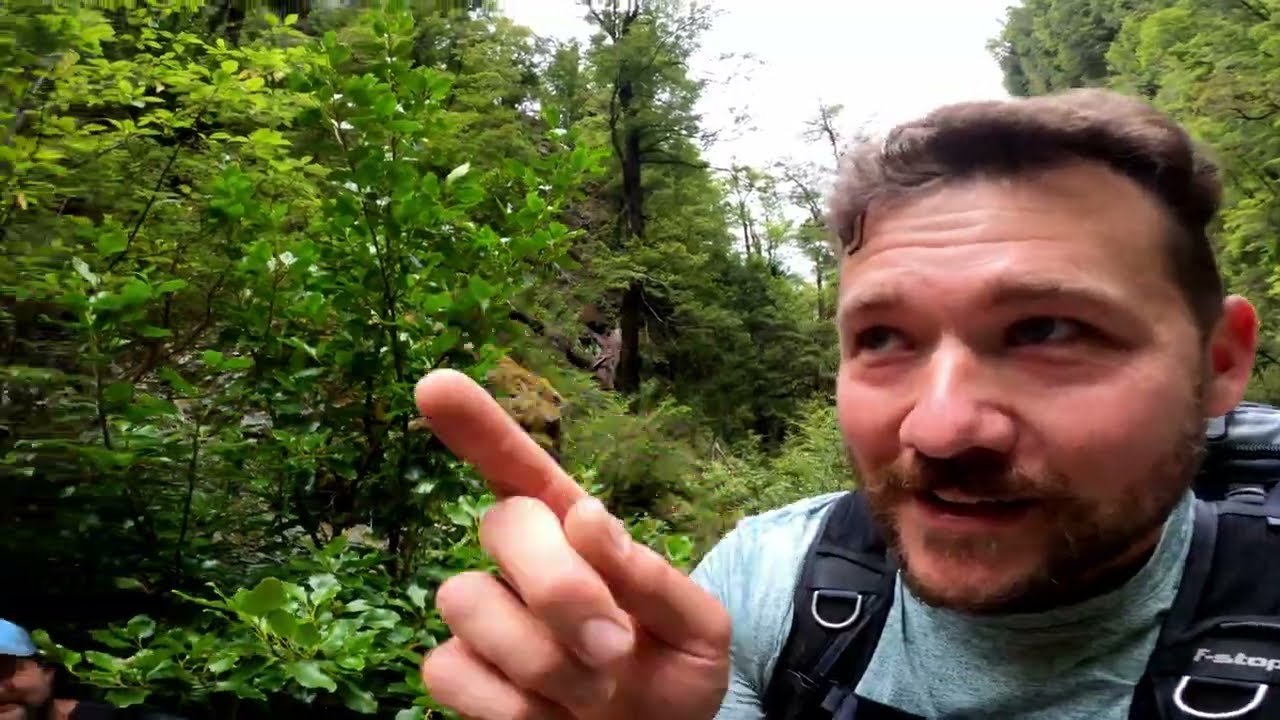
How to Scout and Shoot Waterfalls You've Never Seen Before (Lessons from Fiordland)

How to Scout and Shoot Waterfalls You've Never Seen Before (Lessons from Fiordland)

I once spent four consecutive evenings at a waterfall in Olympic National Park, missing dinner every single night, trying to get one shot I’d pre-visualized at home on Google Maps. My husband ate alone and said nothing. I came home on day five with an image I still use in my portfolio, and I learned more about reading terrain and making compositional decisions under pressure than any workshop had ever taught me.
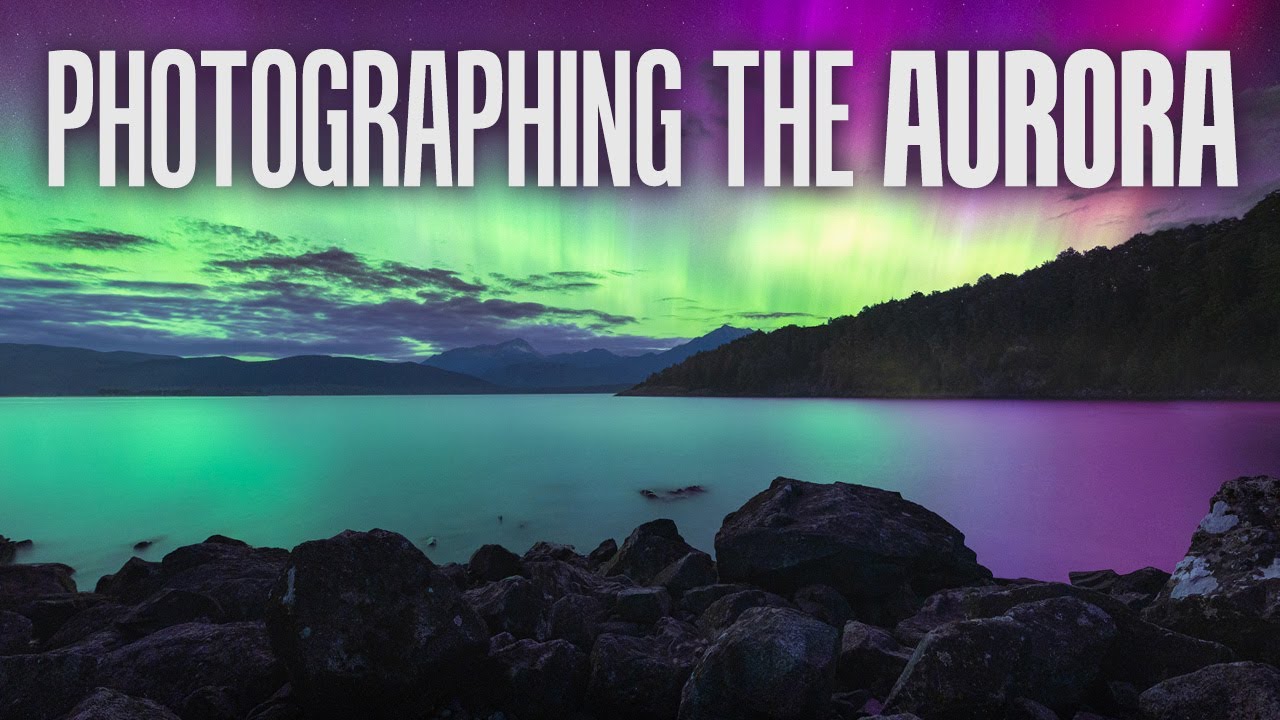
Aurora Photography in New Zealand: A Complete Field Guide to Settings, Forecasting, and Capturing the Southern Lights

Aurora Photography in New Zealand: A Complete Field Guide to Settings, Forecasting, and Capturing the Southern Lights

There’s a specific kind of frustration that comes from standing under a sky full of stars with your camera pointed in the right direction — and getting back nothing but a blurry, noisy mess. Night sky photography has a steep learning curve, and aurora photography adds another layer on top of that: you have to be in the right place, at the right time, with conditions that cooperate. Most of us don’t get many chances to practice.

How to Use Layered Foregrounds for Stunning Wide-Angle Landscape Photos (Lessons from Mount Cook)

How to Use Layered Foregrounds for Stunning Wide-Angle Landscape Photos (Lessons from Mount Cook)

I spent an entire vacation chasing a single waterfall shot. I kept moving closer to the falls, trying to fill the frame with water and mist, and every image came back looking flat. The problem wasn’t the location. It was that I kept removing myself from the scene, getting closer and closer until there was no sense of scale, no journey for the eye to take. That instinct to walk right up to your subject and shoot is one of the hardest habits to unlearn, and it quietly ruins more landscape photos than almost any technical mistake.