The Light Five Framework: Stop Chasing Perfect Light and Start Eliminating Bad Light

The Light Five Framework: Stop Chasing Perfect Light and Start Eliminating Bad Light

Every Sunday morning I do a photo walk around my Seattle neighborhood, and for the first couple of years, I kept running into the same problem. I’d come home with hundreds of frames, pull them up on my laptop, and feel vaguely disappointed without being able to explain why. The exposure was fine. The composition was decent. But something was off, and I couldn’t name it. That’s a frustrating place to be, because you can’t fix a problem you can’t diagnose.
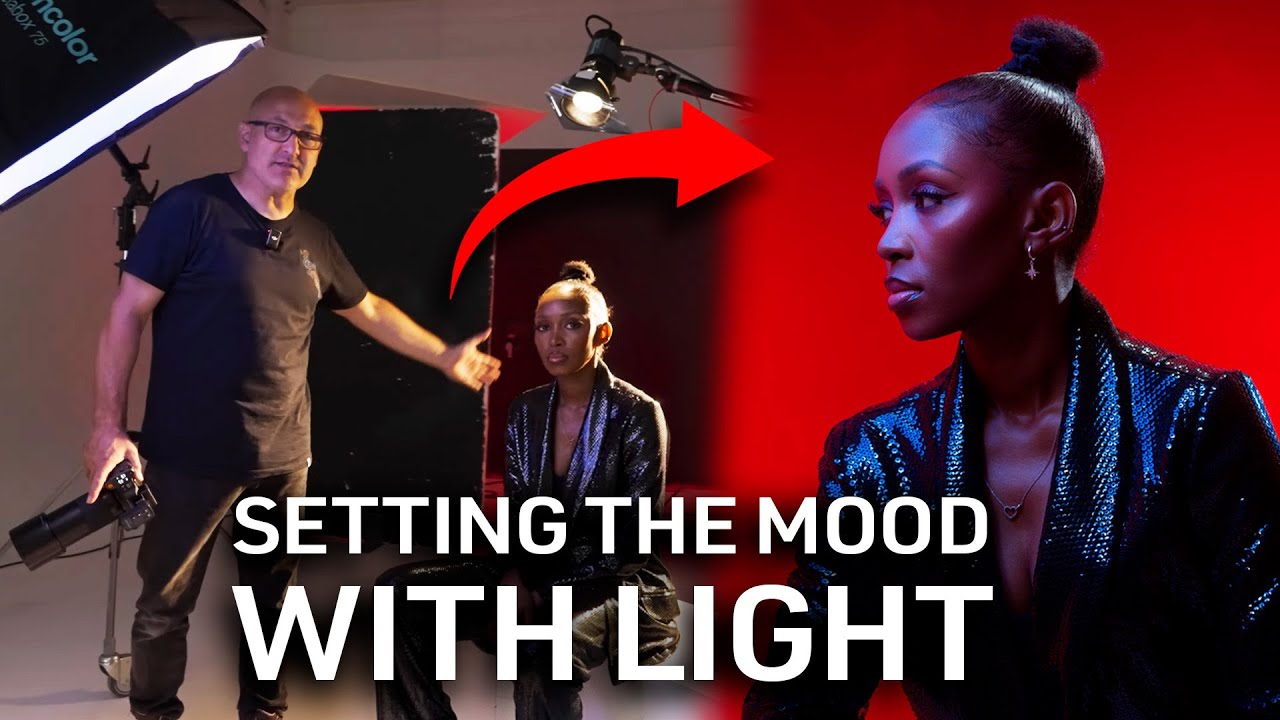
Gels, Parabolic Reflectors, and Movement: What I Learned From This Creative Portrait Session

Gels, Parabolic Reflectors, and Movement: What I Learned From This Creative Portrait Session

Color gels have been sitting in a drawer in my studio bag for longer than I’d like to admit. I bought a full set after seeing some editorial work I loved, used them once, got muddy results, and quietly moved on. The problem wasn’t the gels — it was that I had no mental model for how to layer them intentionally across multiple light sources without everything turning into a murky mess.

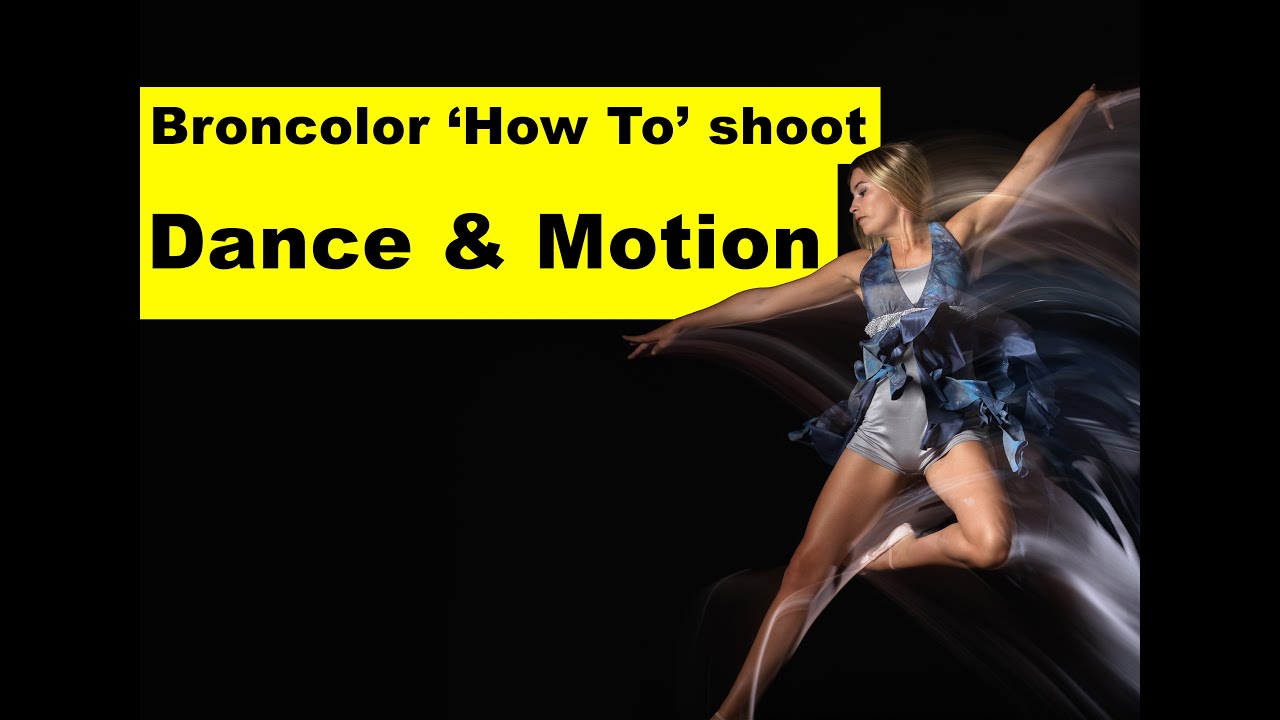
How to Shoot Dance with Both Motion Blur and Sharp Detail (Using Two Light Sources)

How to Shoot Dance with Both Motion Blur and Sharp Detail (Using Two Light Sources)

There’s a particular kind of dance photo that stops you mid-scroll. The subject is pin-sharp, every strand of hair frozen in place, but the frame still feels like movement. You can almost hear the music. I’ve tried faking that quality in post, and it never looks quite right. The magic is in how the shot is captured, not how it’s edited. When I came across this Visual Education tutorial featuring Broncolor consultant Otto Dobler and photographer KL Taylor, I finally understood the two-light approach that makes it possible.

The $99 Flash That Changed How I Shoot Portraits (And Why You Don't Need to Spend More)

The $99 Flash That Changed How I Shoot Portraits (And Why You Don't Need to Spend More)

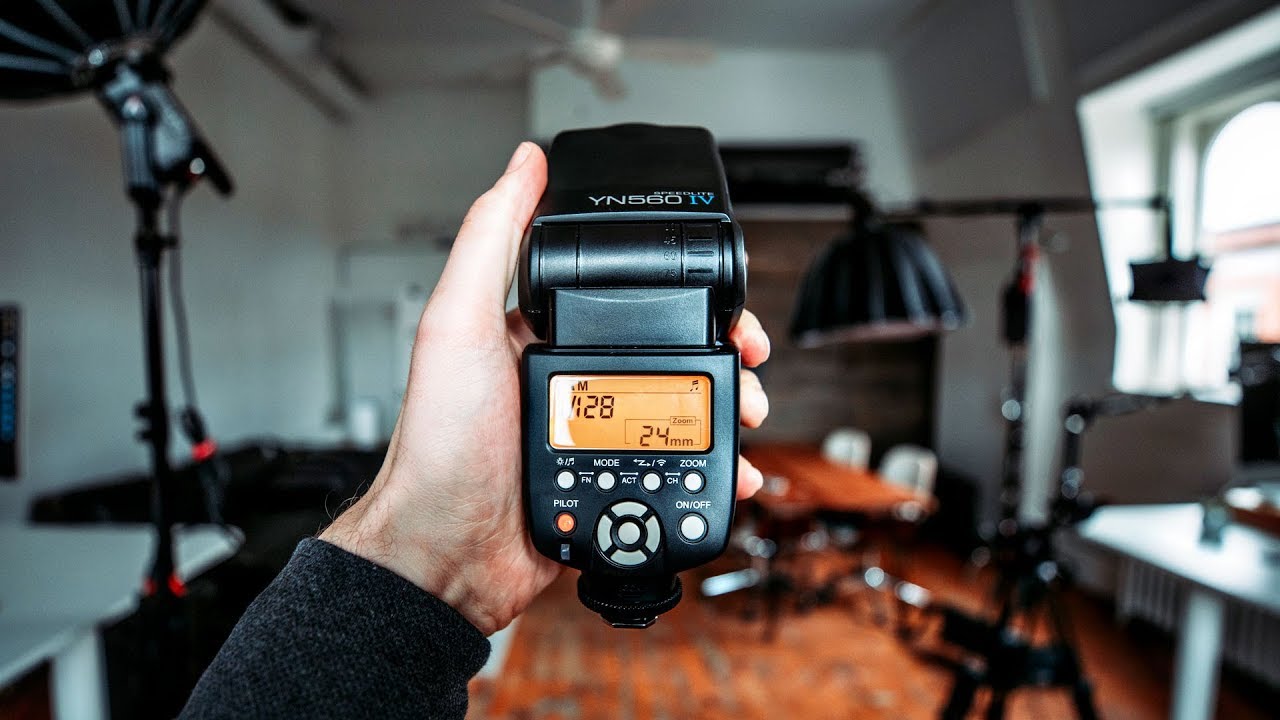
I avoided buying a flash for an embarrassingly long time. I told myself I was a natural light photographer, that flashes were complicated, that I’d figure it out eventually. The truth? I was intimidated. Then I started shooting events for extra income and realized pretty quickly that “available light” stops being romantic at 8pm inside a dim reception hall. I needed a flash, and I needed to actually understand how to use one.

7 Real Wedding Photography Mistakes (And What They Actually Teach You)

7 Real Wedding Photography Mistakes (And What They Actually Teach You)

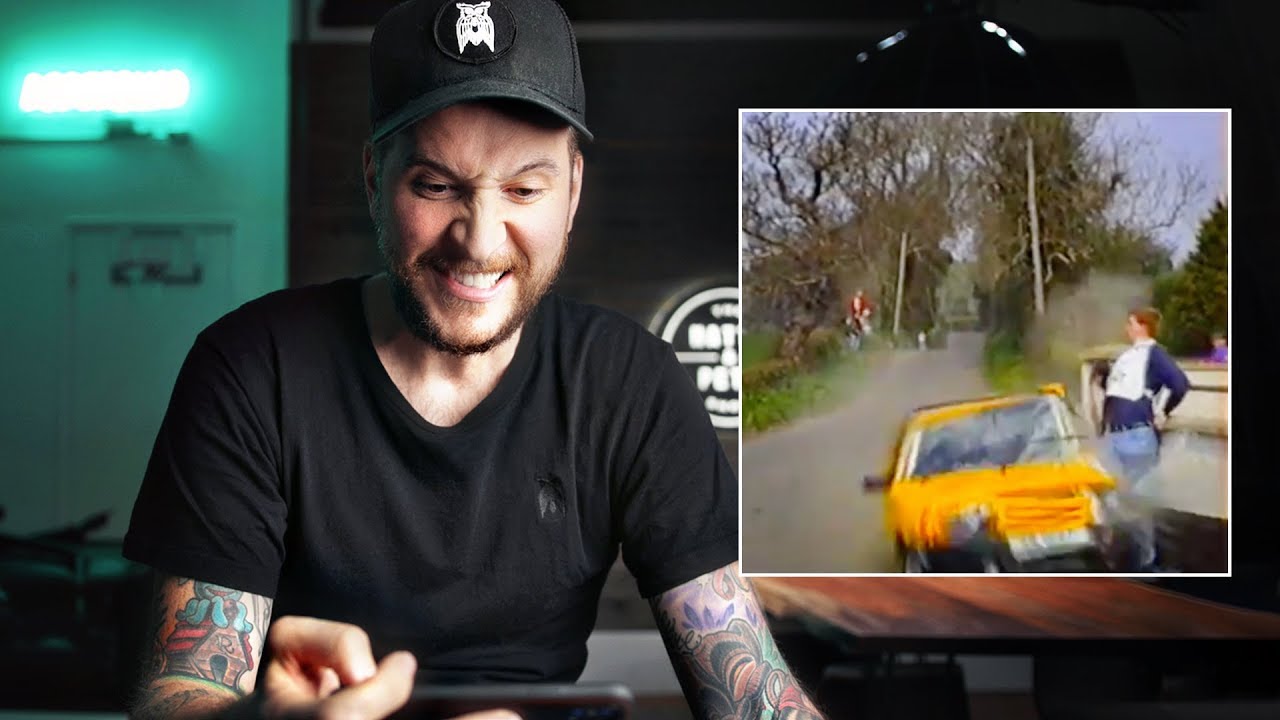
I have a rule I share with every beginner who asks me how I got good at photography: watch people mess up, and pay close attention. Not to feel superior, not to laugh, but because failures are honest in a way that polished tutorials rarely are. A stumble in a real shooting environment tells you exactly what the pressure points are. That’s why when I sat down with this Peter McKinnon video, I kept stopping and rewinding.

How High-Speed Sync Finally Let Me Shoot Wide-Open Outdoors (And Why You Should Care)

How High-Speed Sync Finally Let Me Shoot Wide-Open Outdoors (And Why You Should Care)

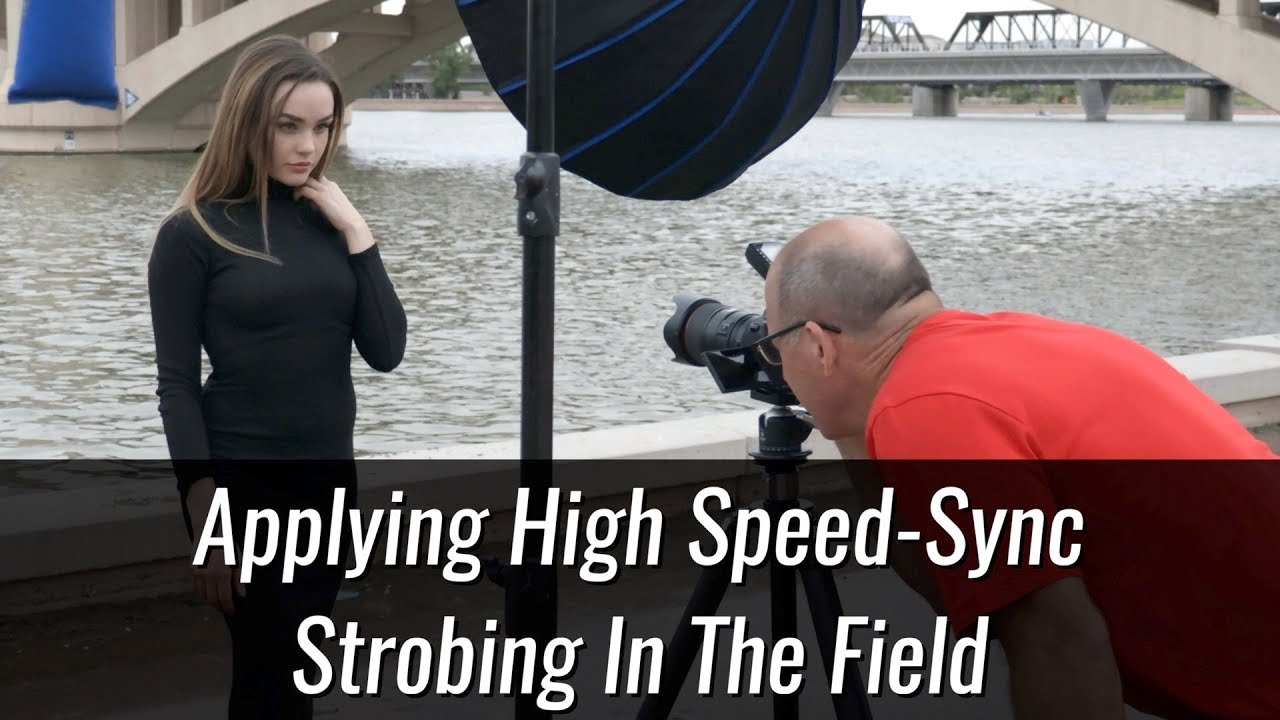
For a long time, outdoor portrait sessions in bright light meant making a choice I hated: get the dramatic, blurry background I wanted, or use flash to light my subject properly. Doing both at the same time felt impossible. The moment I cranked my strobe up to compete with the sun, my camera forced me into a small aperture to stay within sync speed, and suddenly my subject looked like they were standing in a parking lot instead of floating in a dreamy scene.

Master the Art of Creating Lens Flares with Your Flash

Master the Art of Creating Lens Flares with Your Flash

Master the Art of Creating Lens Flares with Your Flash One of the most coveted effects in photography is that beautiful, ethereal lens flare that seems to dance across your image. You know the one—those luminous orbs and rays of light that add drama and sophistication to a shot. The challenge? They typically require bright sunlight or a strong light source positioned just right, which isn’t always practical when you’re shooting in a studio or on an overcast day.