How to Light High-Key Portraits: Breaking Down a 3-Light Setup That Actually Works

How to Light High-Key Portraits: Breaking Down a 3-Light Setup That Actually Works

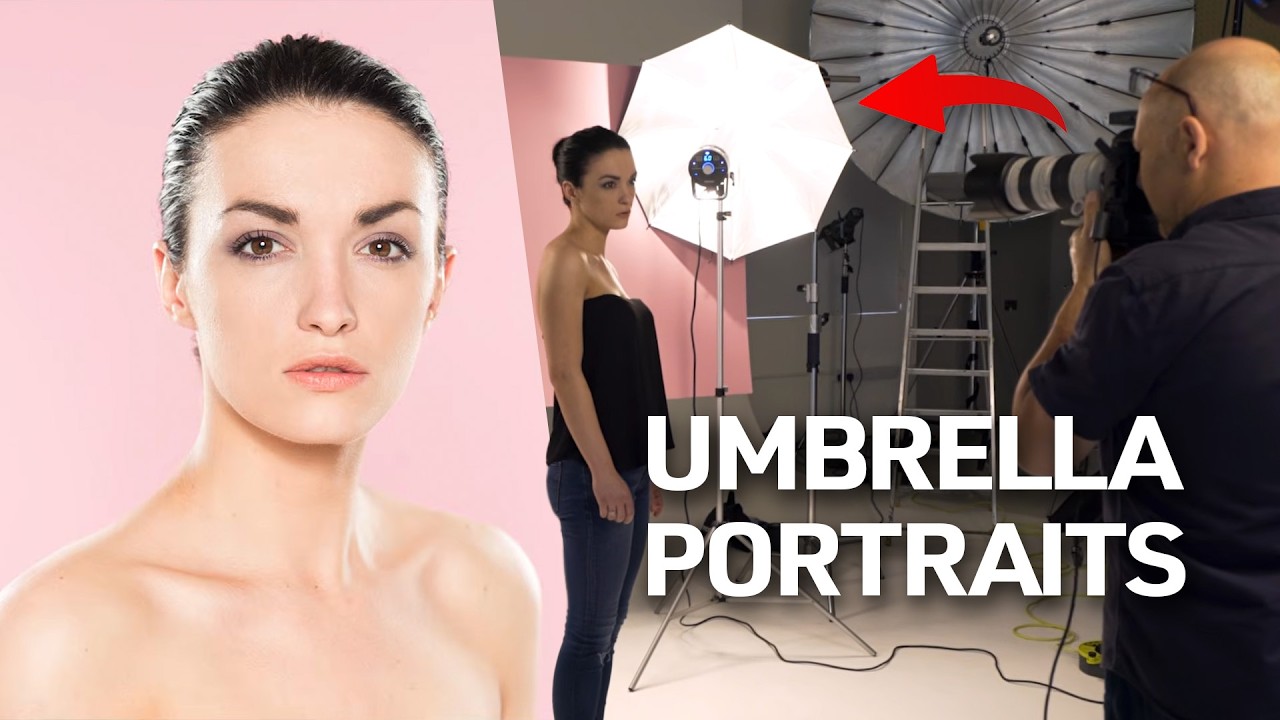
High-key portraits have a way of looking either effortlessly polished or completely blown out, and for a long time I landed firmly in the second camp. I kept chasing that bright, punchy, almost-editorial look, and kept getting images that were just… overexposed messes. The missing piece wasn’t better gear. It was understanding what each light was actually contributing before touching a power dial. Watch the full tutorial on YouTube In this Visual Education tutorial, the photographer breaks down a three-light high-key setup aimed at producing something close to a pop album cover aesthetic.
Umbrellas, Reflectors, and Why Your Studio Light Is Probably Too Harsh

Umbrellas, Reflectors, and Why Your Studio Light Is Probably Too Harsh

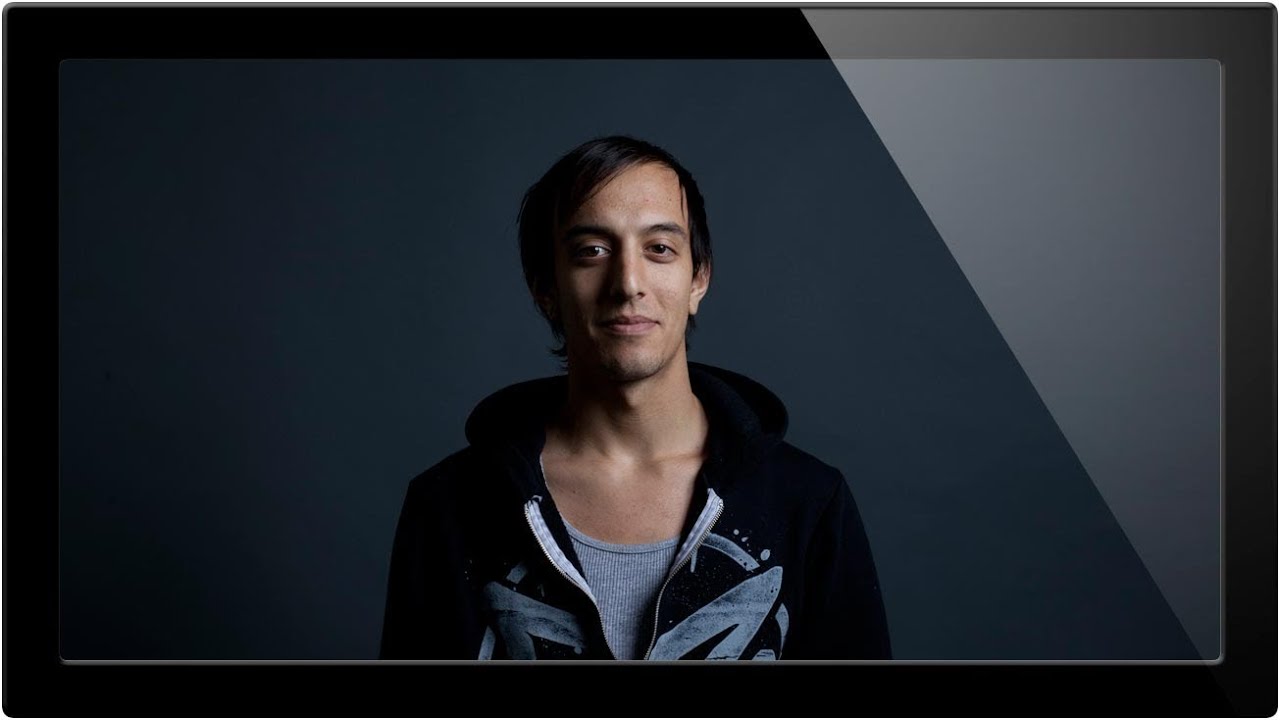
Lighting modifiers confused me for an embarrassingly long time. I understood the gear in theory, but whenever I actually set up a shoot, I’d grab whatever was closest and hope for the best. The results were fine. Not great. The kind of photos where the light technically works but something feels a little clinical, a little flat, a little “stock photo.” It wasn’t until I started deliberately comparing modifiers side by side, same subject, same strobe, just swapping what was in front of the light, that things started clicking.