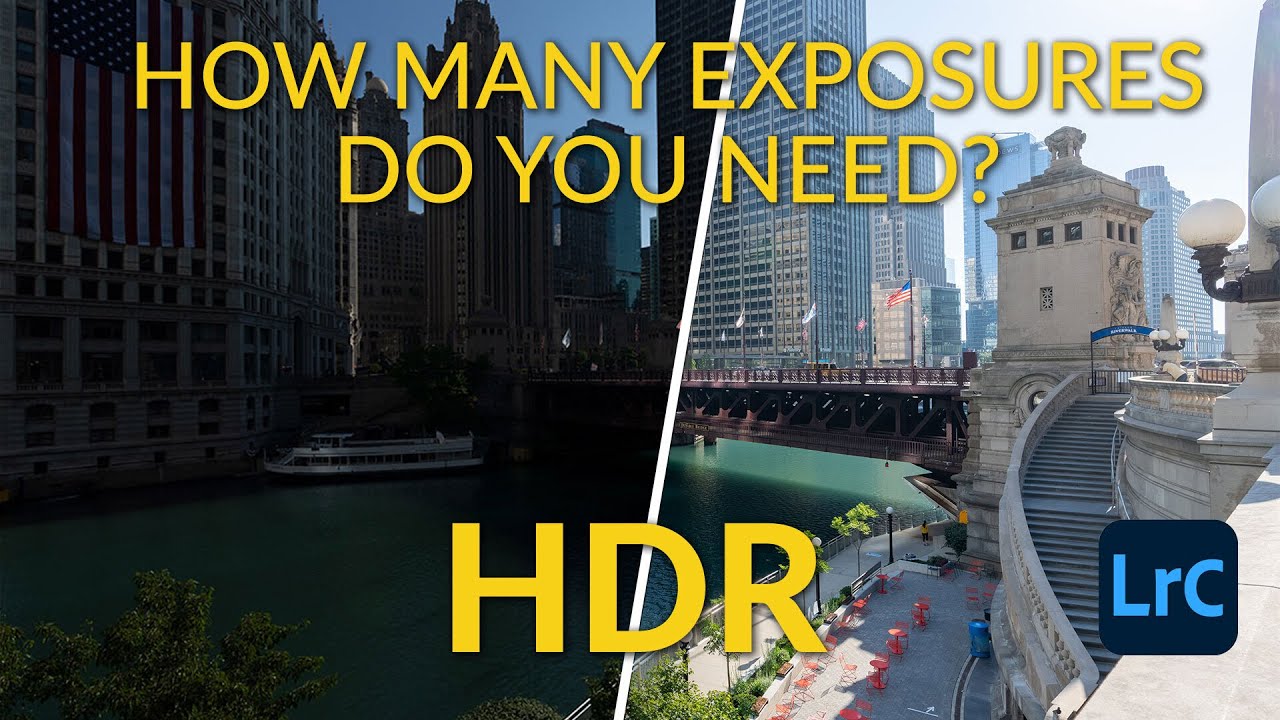
How Many Exposures Does Your HDR Actually Need? I Tested It So You Don't Have To

How Many Exposures Does Your HDR Actually Need? I Tested It So You Don't Have To

If you’ve ever stood in front of a stunning scene - a glowing city skyline, a backlit canyon, a window-lit interior - and felt your heart sink knowing your camera couldn’t capture what your eyes were seeing, HDR is the technique that was built for that exact frustration. High dynamic range photography lets you shoot multiple exposures and merge them together in post, essentially giving your final image more light information than any single frame could hold.
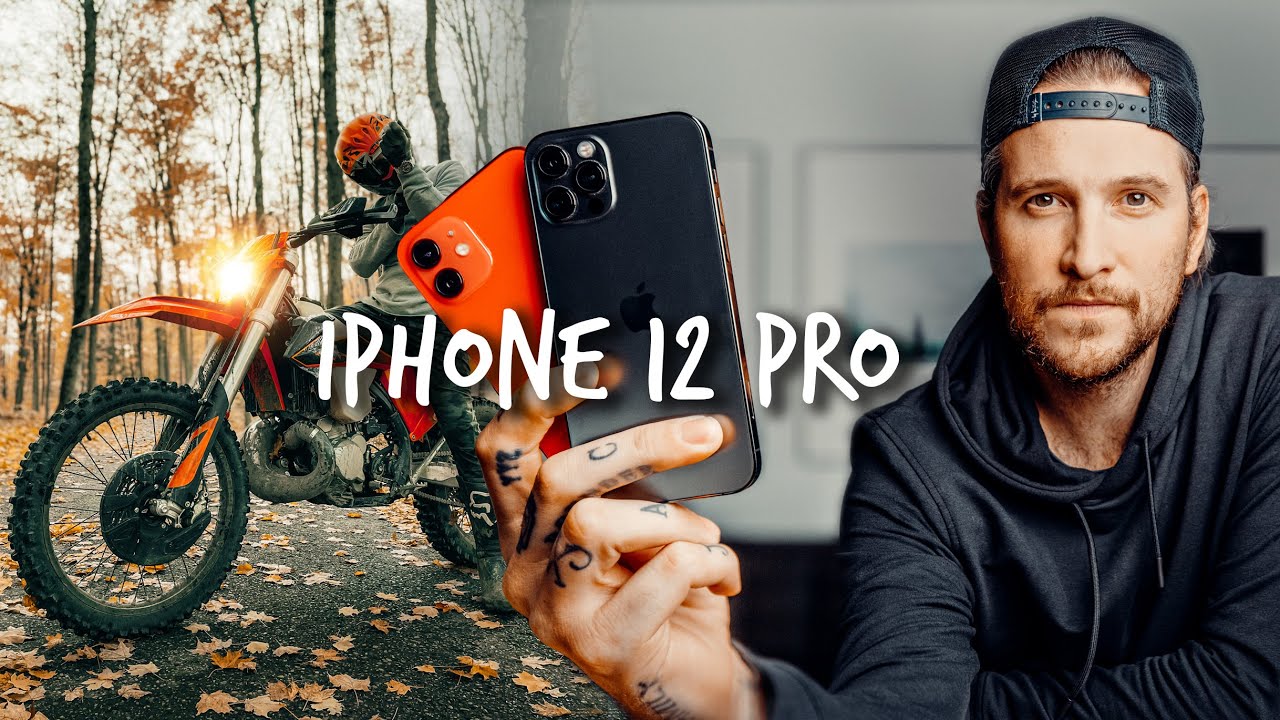

What the iPhone 12 Pro's Camera Actually Teaches Us About Exposure (And Why It Should Humble Every DSLR Shooter)

What the iPhone 12 Pro's Camera Actually Teaches Us About Exposure (And Why It Should Humble Every DSLR Shooter)

I’ll be honest with you. My most-liked Instagram photo was taken on a $200 Android phone, and it still gets more saves than most of my mirrorless shots. That fact used to annoy me. Now it drives most of what I teach. So when photographer Peter McKinnon dropped a hands-on camera test for the iPhone 12 Pro, I watched it twice. Not because I was shopping for a new phone, but because he asks the exact question I’ve been trying to articulate to students for years: why does a phone sometimes expose a scene better than a camera worth ten times as much?

Master Exposing to the Left to Unlock Better Photo Quality

Master Exposing to the Left to Unlock Better Photo Quality

Master “Exposing to the Left” to Unlock Better Photo Quality When I first heard photographers talking about “exposing to the left,” I’ll admit I was confused. It sounded mysterious and unnecessarily complicated. But after diving deeper into this exposure strategy, I realized it’s actually one of the most practical tools available to improve your final images—especially if you shoot in RAW format. What Does “Exposing to the Left” Actually Mean? Let me break this down simply.