
How to Fake Beautiful Bokeh in Post (And Why It Actually Works)

How to Fake Beautiful Bokeh in Post (And Why It Actually Works)

Here is a situation I have been in more times than I care to admit: I’m out on one of my Sunday morning photo walks, I spot a great face or an interesting stranger, I get the shot, and then I get home and realize I was shooting at f/8 because I had just come from a landscape and forgot to dial back down. The subject is sharp. The background is sharp.
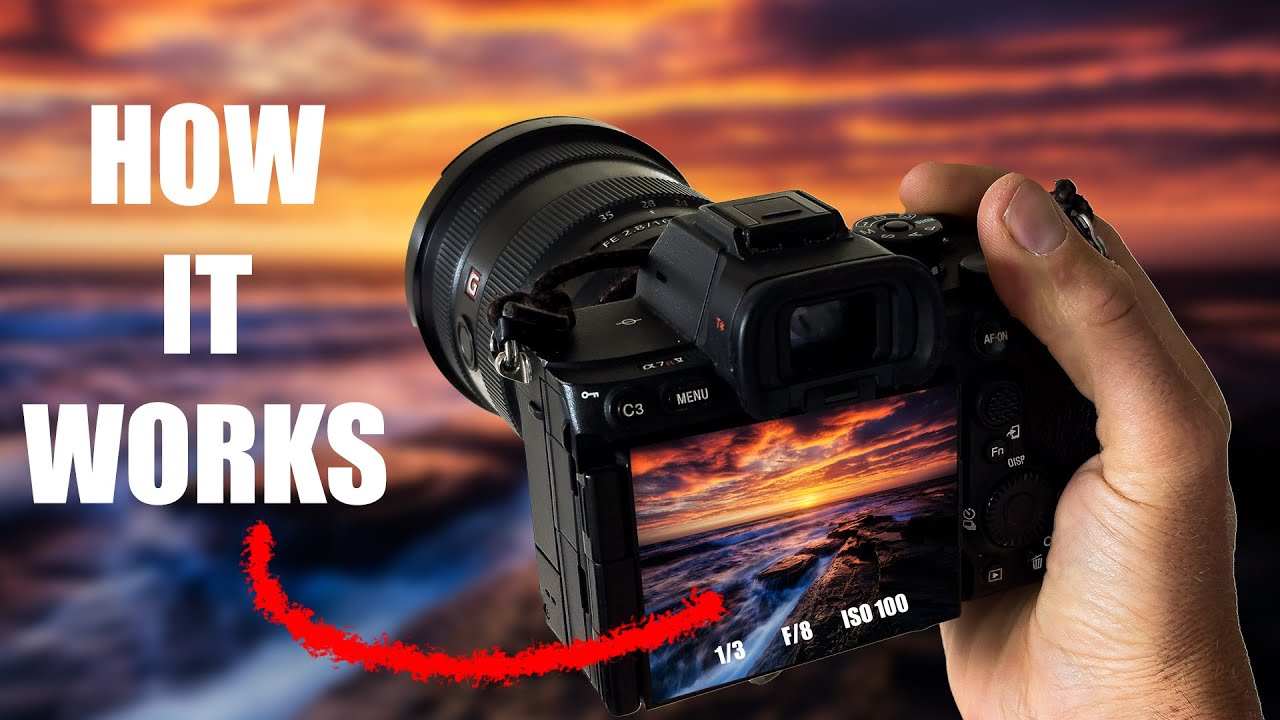

Aperture and Depth of Field, Finally Explained in a Way That Actually Sticks

Aperture and Depth of Field, Finally Explained in a Way That Actually Sticks

Every Sunday morning I’m out walking with my camera, and I still run into beginners who are shooting in full auto because aperture confuses them. Not bores them. Confuses them. The numbers go the wrong direction, the results feel unpredictable, and nobody ever explains what’s actually happening inside the lens. I get it. It tripped me up too. That’s exactly why I appreciated stumbling onto this William Patino tutorial on aperture and depth of field.

Understanding Depth of Field: A Visual Guide

Understanding Depth of Field: A Visual Guide

Depth of field is the range of distance in your image that appears acceptably sharp. A shallow depth of field means a thin slice of the scene is in focus with the rest blurred. A deep depth of field means everything from near to far is sharp. Understanding what controls it gives you creative power over every photograph you take. The Three Factors That Control Depth of Field 1. Aperture This is the most well-known factor.