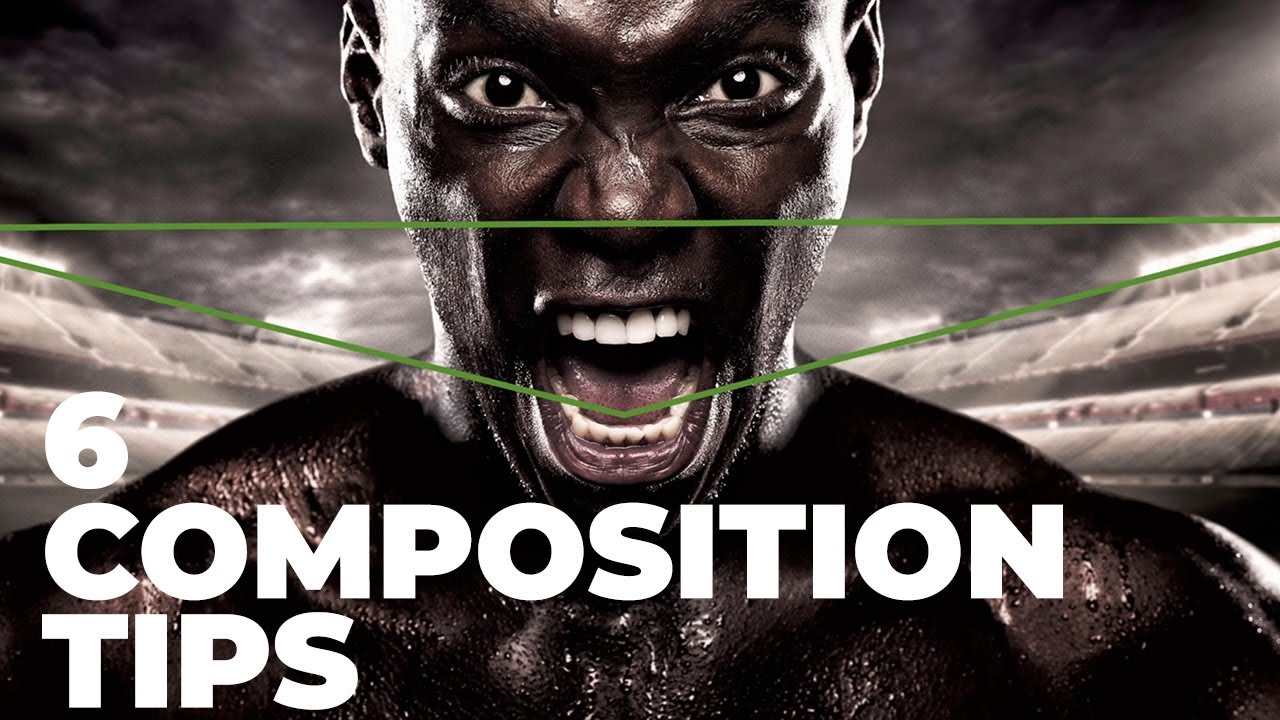
6 Composition Rules That Actually Stick (A Breakdown of Joel Grimes' Best Advice)

6 Composition Rules That Actually Stick (A Breakdown of Joel Grimes' Best Advice)

Every Sunday morning I’m out on a photo walk, and I can’t tell you how many times I’ve come home with a memory card full of shots that just… don’t land. The light was good. The subject was interesting. But something felt off, and I couldn’t explain why. That vague, frustrating feeling is almost always a composition problem. That’s what pulled me into Watch the full tutorial on YouTube by Joel Grimes, a commercial advertising photographer with over 35 years of experience.


The Composition Rule Joel Grimes Swears By (And Why It Fixed My Framing Problem)

The Composition Rule Joel Grimes Swears By (And Why It Fixed My Framing Problem)

I have a bad habit. When I’m on a Sunday morning photo walk and the light is doing something magical, I get so caught up in what I’m photographing that I stop thinking about how I’m framing it. I’ll come home with a card full of shots where the subject floats in the middle of the frame like a passport photo. Technically exposed. Compositionally forgettable. That’s the problem this tutorial cracked open for me.

The Rule of Thirds and When to Break It

The Rule of Thirds and When to Break It

The rule of thirds is the first composition technique most photographers learn. It’s taught in every beginner photography class and mentioned in every introductory article. And for good reason — it works. But understanding why it works helps you know when to follow it and when to deliberately break it for a stronger image. How the Rule of Thirds Works Imagine dividing your frame into nine equal rectangles with two horizontal and two vertical lines, like a tic-tac-toe grid.