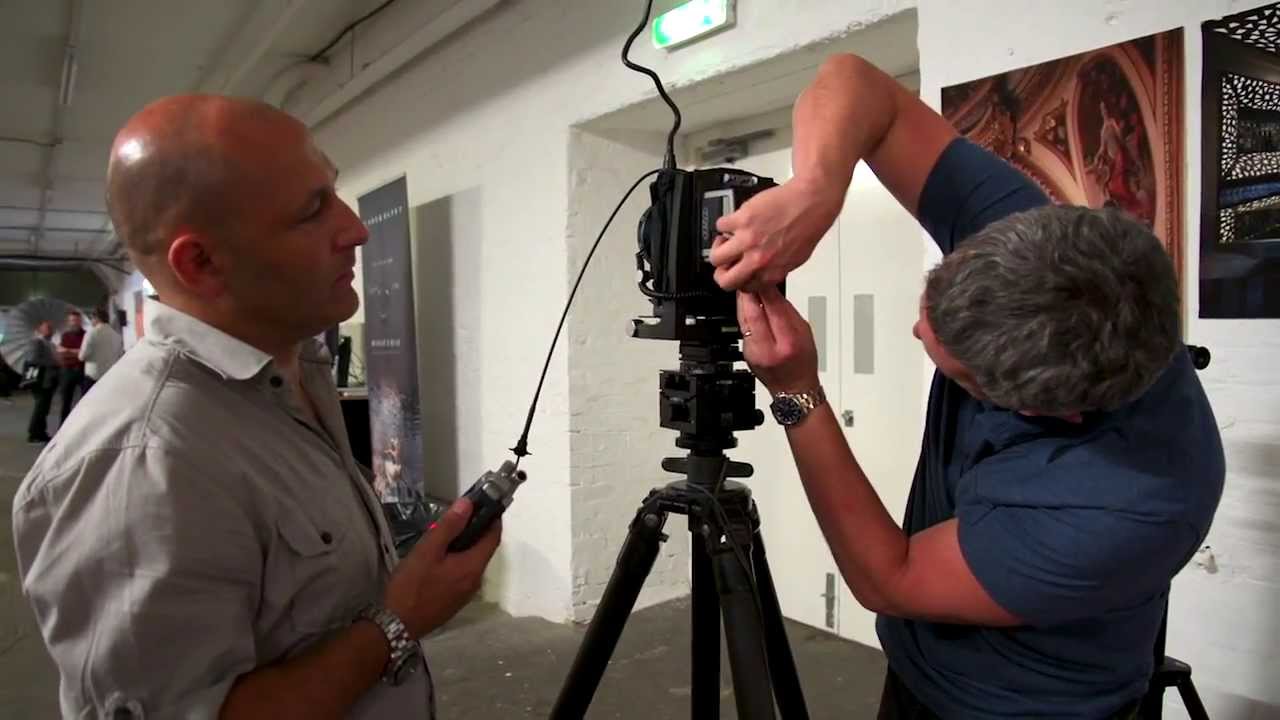
Large Format Meets Digital: What Karl Taylor's shootLDN Demo Taught Me About Precision Photography

Large Format Meets Digital: What Karl Taylor's shootLDN Demo Taught Me About Precision Photography

There’s a specific frustration I know well: you’ve got your studio light positioned, your subject is ready, and the image looks just a little too flat. Not wrong, exactly, but not right either. The contrast isn’t there. The light feels like it’s wrapping too gently around everything and the shot has no edge to it. I spent an embarrassing amount of time early in my career adding contrast in post when the fix was actually in how I was physically positioning the light source.
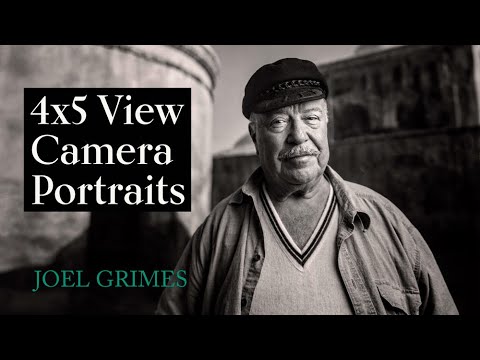
What Joel Grimes and a 4x5 Camera Taught Me About Obsessing Over Focus

What Joel Grimes and a 4x5 Camera Taught Me About Obsessing Over Focus

I’ve been thinking a lot lately about what it actually means to commit to a shot. Not in the motivational-poster sense. I mean the physical, logistical, you-burned-your-dinner kind of commitment. Last month I was out on my Sunday morning photo walk and I kept chimping, checking the back of my camera every thirty seconds, second-guessing my focus point, re-shooting the same frame six or seven times. I got home with 200 photos and maybe two that felt intentional.

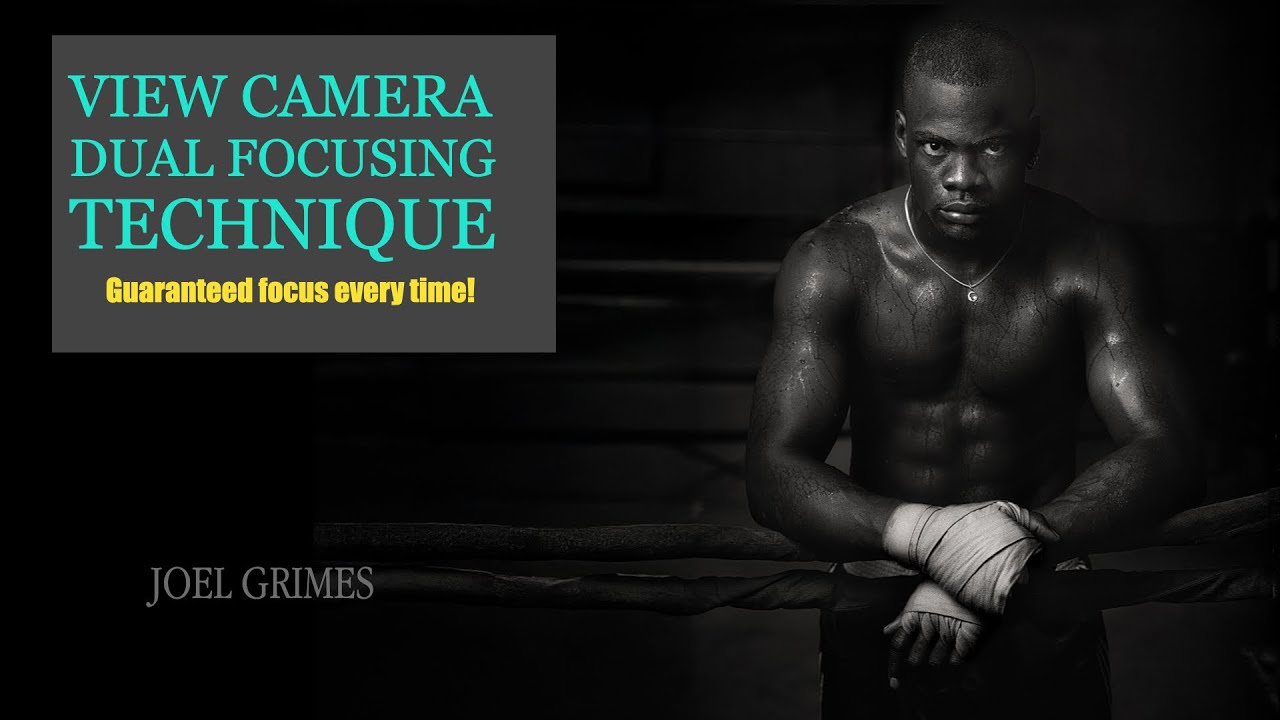
How to Never Miss Focus on a Large Format Portrait (The Dual Focusing Method Explained)

How to Never Miss Focus on a Large Format Portrait (The Dual Focusing Method Explained)

There is a specific kind of dread that comes from getting film back and realizing your shot is soft. Not artistically soft. Out of focus. I’ve felt a version of that with digital files, staring at a portrait at 100% zoom and watching the eyes dissolve into mush. Now multiply that by the cost, the rarity, and the sheer ceremony of shooting 4x5 film, and you start to understand the problem Joel Grimes was facing when he set out to photograph portraits on a large format view camera for major ad campaigns.