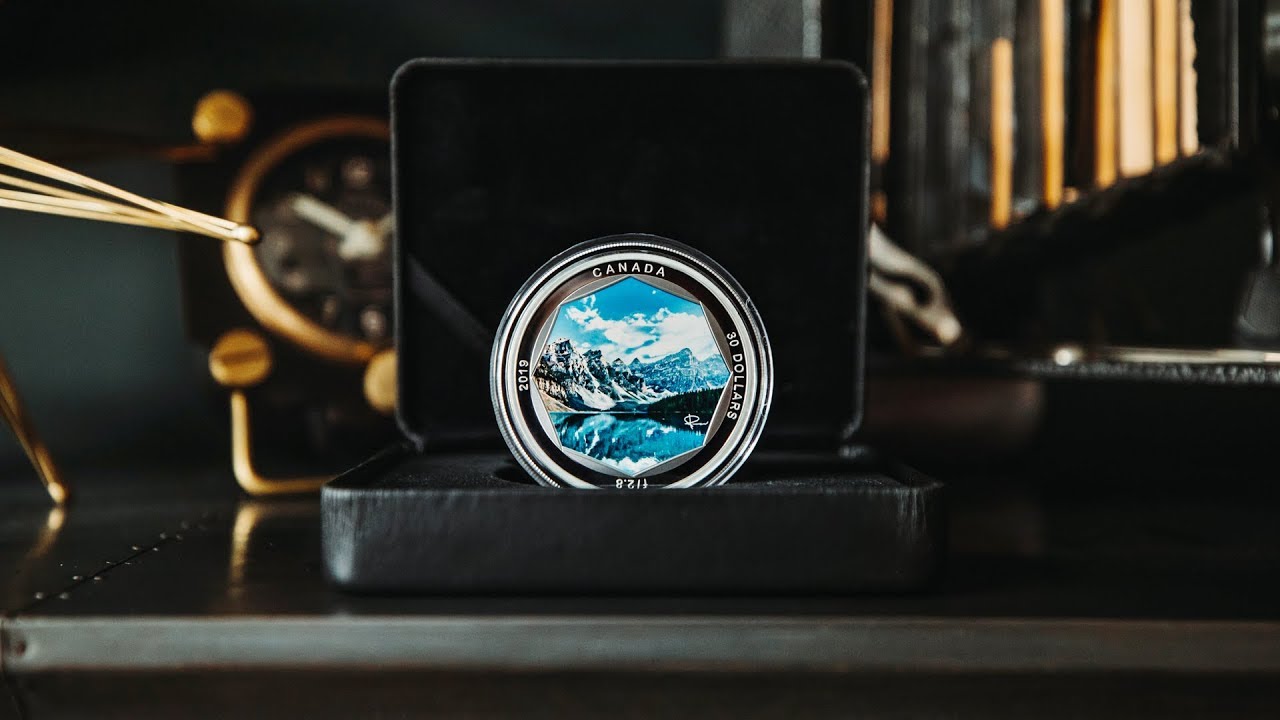
There’s a moment every photographer chases, though most of us can’t name it yet. It’s not the viral post or the brand deal. It’s the moment someone outside your usual audience looks at your work and says: this means something. I’ve been thinking about that a lot since I watched Peter McKinnon share what he called the greatest honor of his career, in a video that’s genuinely one of the most moving things I’ve seen a photographer share online. Watch the full tutorial on YouTube - and yes, I’m calling it a tutorial, because even though it isn’t a technical breakdown, there is so much to learn from it.
What Peter describes in this video is the moment the Royal Canadian Mint called to tell him that one of his landscape photographs would be minted onto a commemorative silver coin. The image they chose was his photo of Moraine Lake, a shot he’d built a reputation around and clearly poured real intention into. What struck me watching this wasn’t the achievement itself, as extraordinary as it is. It was the throughline: a photographer who was once turned down for a mall photography job because he didn’t know how to use a light meter ended up with his signature alongside the Queen on currency. That gap, nearly 20 years wide, is where all the actual craft lives.
I keep coming back to this video when I’m tempted to optimize everything for short-term engagement. My Sunday morning photo walks started partly as a way to remind myself to shoot without an audience in mind. Peter’s story reinforces exactly why that habit matters.
Step 1: Choose a Subject You’re Genuinely Obsessed With
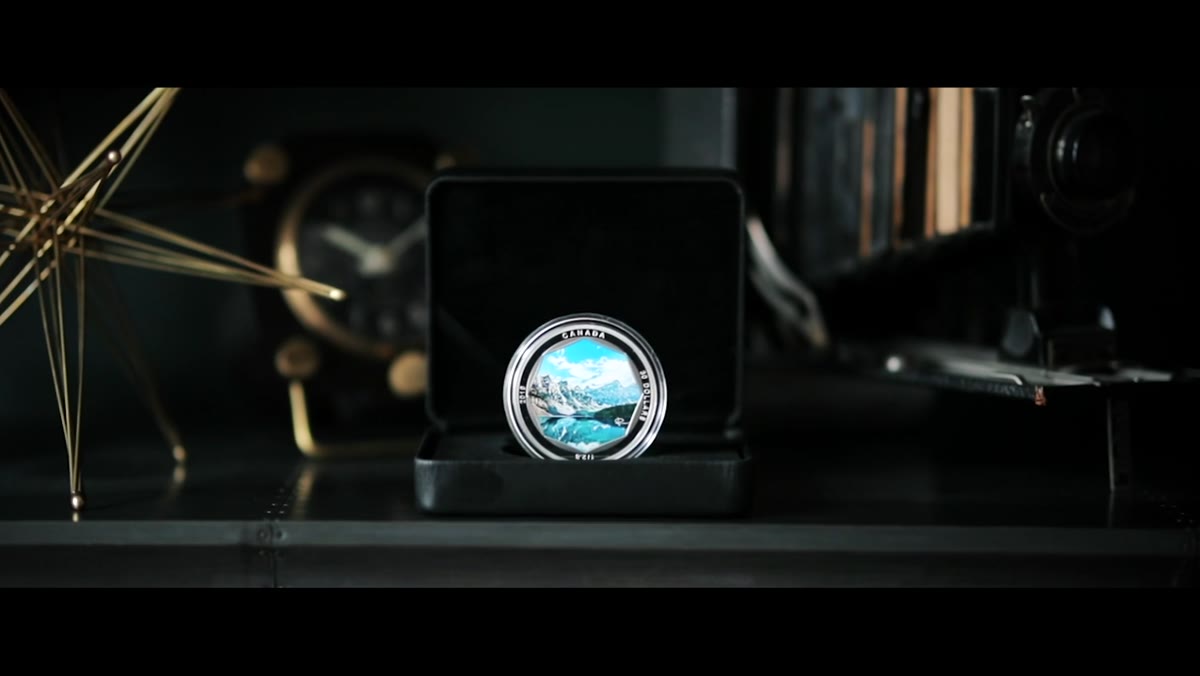 Peter holding the coin, Moraine Lake image visible
Peter didn’t pick a crowd-pleasing subject to build his reputation. He kept returning to Moraine Lake, a location he cared deeply about, until he had a version of the shot that fully captured what he saw there. That kind of obsession produces images with a different quality than “content.” Before you plan your next landscape shoot, ask yourself which location you actually want to live inside for a while, not just visit once and check off.
This matters technically too. Returning to a location teaches you how light moves across it at different times of day and in different seasons. Your first visit is research. Your third or fourth visit is when you start making real images.
Step 2: Build Personal Meaning Into Your Shooting Identity
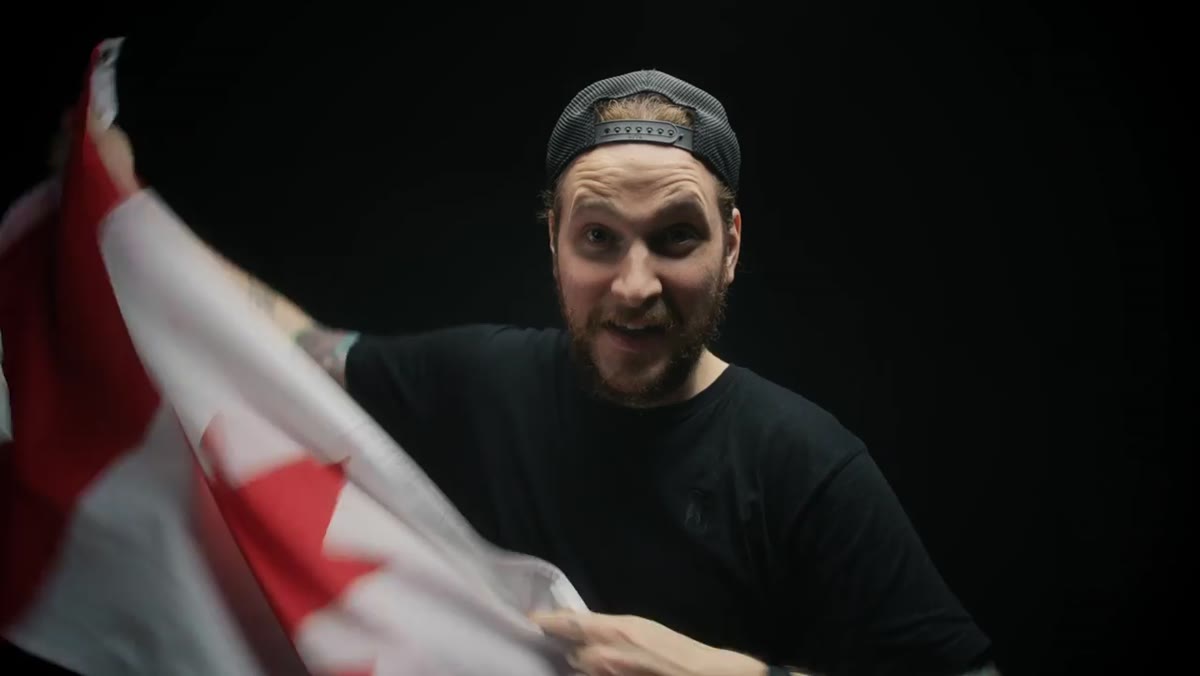 Peter showing the Canadian flag in his office
Peter talks about his Canadian identity not as a marketing angle but as something genuinely woven into how he sees and shoots. He has a flag in his office, a patch on his backpack, and a flag on his truck. That level of intentionality about what he values shows up in which subjects he chooses to photograph. For him, Canadian landscapes aren’t just pretty backdrops; they’re personal.
The practical takeaway here is to get honest about what actually moves you, then let that guide your subject matter. If you shoot from a place of genuine feeling, that comes through. Viewers and clients can tell the difference between a photographer who is technically skilled and one who is also emotionally connected to their work.
Step 3: Know Your Signature Shot and Be Willing to Commit to It
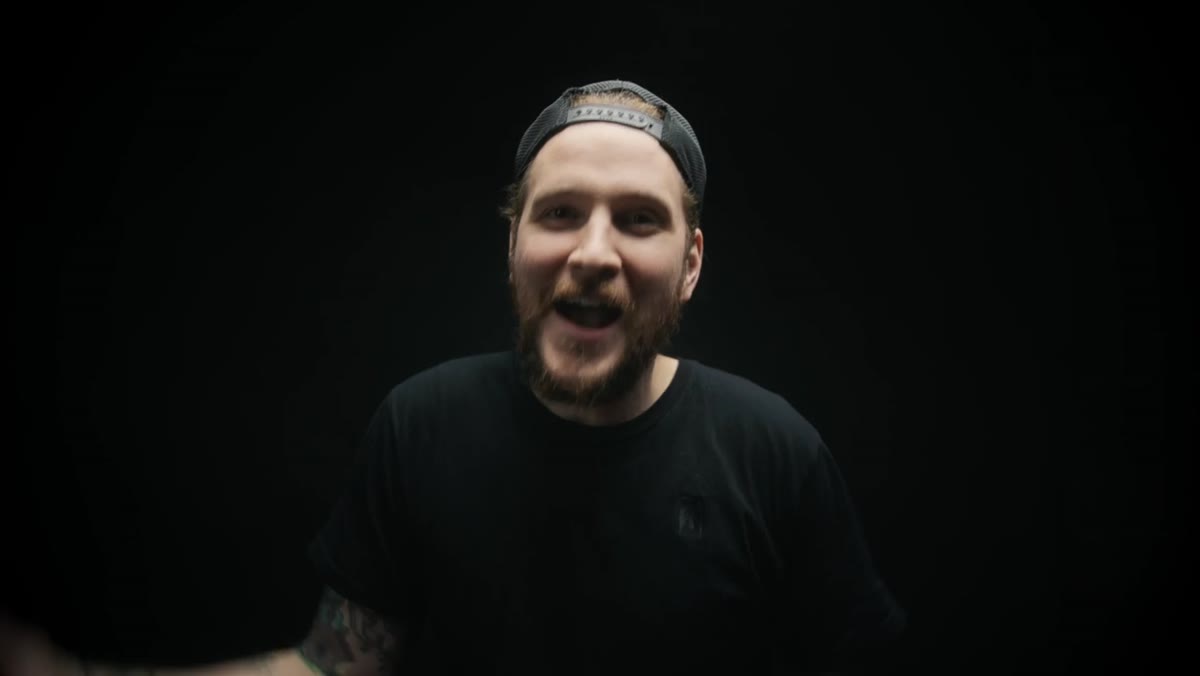 Peter describing which photo he chose without hesitation
When the Mint asked which photo he wanted to use, Peter didn’t hesitate. He already knew. That kind of clarity comes from years of building a body of work around consistent subjects and themes. If someone called you today and asked for your signature image, would you know immediately which one to send?
If the answer is no, that’s actually useful information. It’s worth spending some time looking back through your best work and identifying the two or three images that best represent who you are as a photographer right now. Then ask yourself what they have in common. That common thread is your style, and it’s worth protecting.
Step 4: Don’t Let Early Rejection Redefine Your Ceiling
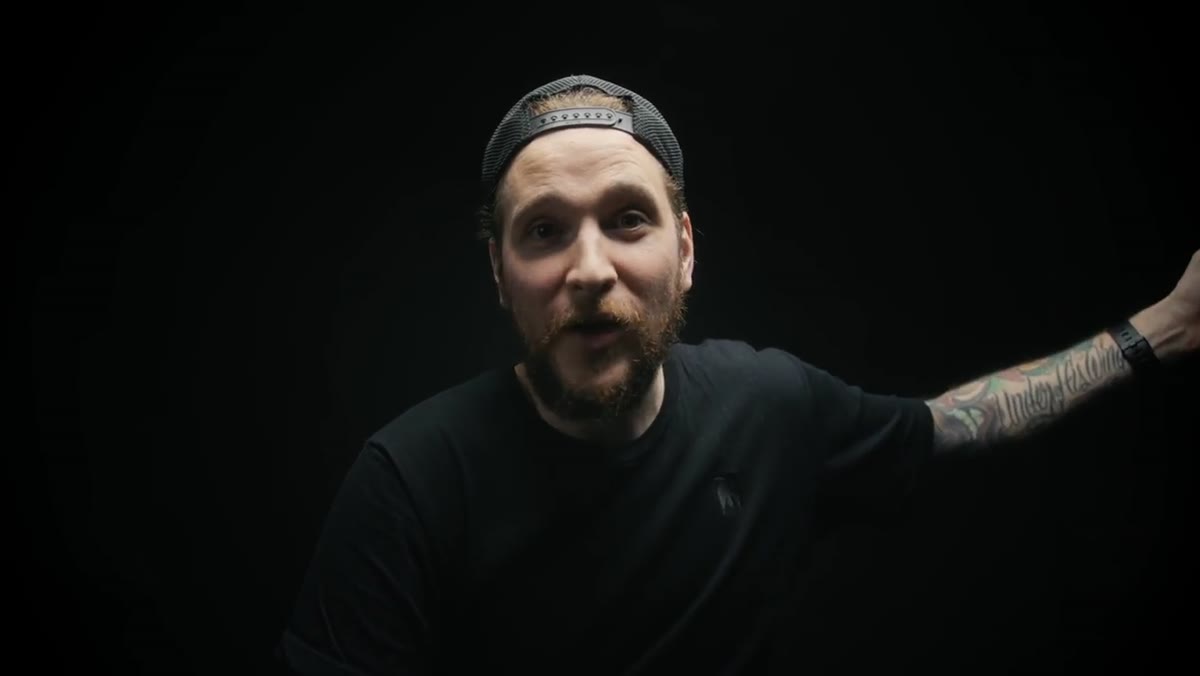 Peter recounting the job rejection at the mall
Peter shares the story of being turned down for a photography job at a local mall because he didn’t know how to use a light meter. The person interviewing him acknowledged he had a good eye and a strong landscape portfolio but said it wasn’t enough. He walked away wondering if he’d ever work as a photographer at all.
The lesson isn’t that rejection doesn’t hurt. It does. The lesson is that the person doing the rejecting is evaluating you against a fixed set of criteria at a fixed moment in time. Your ceiling isn’t determined by that conversation. Go learn the light meter. Go learn the thing you don’t know yet. Then keep going.
Step 5: Share Your Wins With Honesty and Gratitude
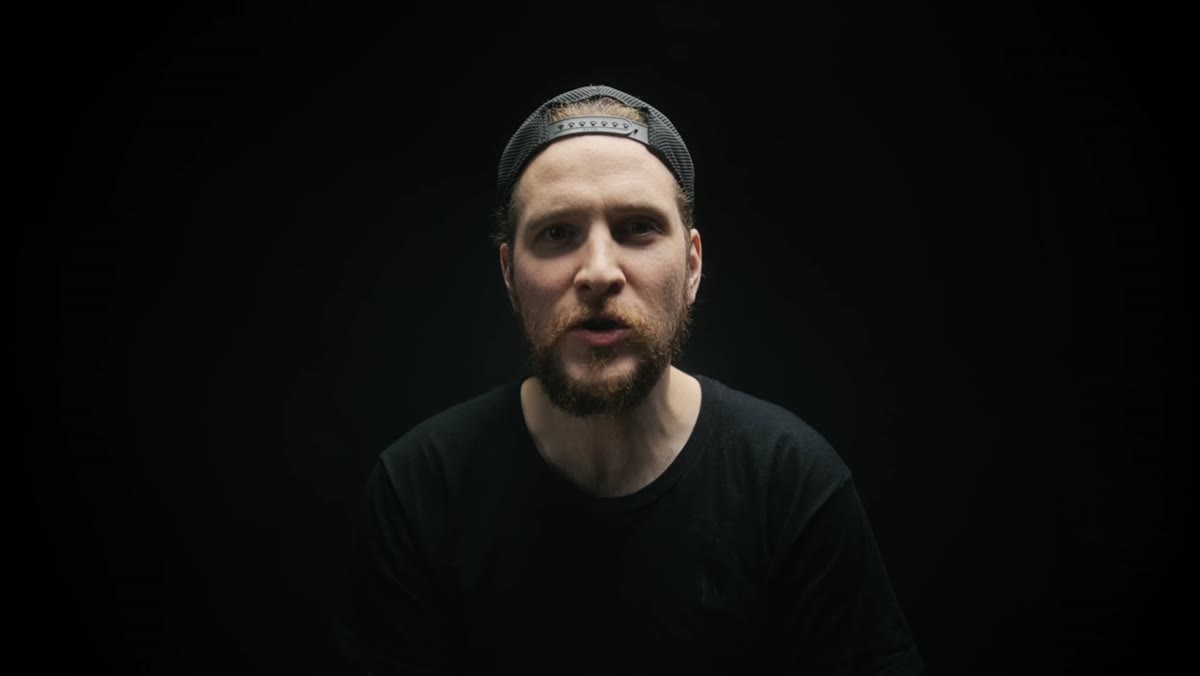 Peter speaking directly to camera, low-key setup, no flashy production
Peter made a deliberate choice to film this video without heavy production, no epic score, no transitions, just him talking to his audience like they’re friends. He says outright that he wanted to strip everything back because the moment deserved honesty more than spectacle. And it works. Watching it feels like getting a phone call from someone you’re genuinely rooting for.
This is a lesson in how to show up for your audience. You don’t have to perform excitement. When something real happens, sharing it plainly is usually more powerful than dressing it up.
A Note From My Own Shooting Practice
I’ve spent a lot of time chasing technically perfect shots in locations I didn’t actually care about, and those images almost never become my favorites. The ones I keep coming back to, the ones that have opened doors for me, were taken in places I’d return to even if I had no camera. There’s a waterfall outside of Snoqualmie that I visited six times across two different seasons before I got the shot I was after. I missed dinner more than once. My husband still brings it up. But that image has done more for how people understand my work than a hundred technically cleaner shots from trips I did purely for content.
Peter’s Moraine Lake shot is a perfect example of what happens when you care more about getting it right than getting it posted. The Mint didn’t call because he had good metrics. They called because the image was undeniably good.
The single most important thing this video reminded me: longevity in photography comes from shooting with intention and identity, not from optimizing for the moment. Your best image probably hasn’t been taken yet, but it will come from a place you keep returning to because you love it, not because the algorithm favors it.
Watch the full tutorial on YouTube and pay attention to how Peter talks about the relationship between pride, place, and patience. It’s one of the more quietly instructive videos I’ve seen in a long time.
Comments (1)
This is going in my reference folder. Incredibly useful.
Leave a Comment