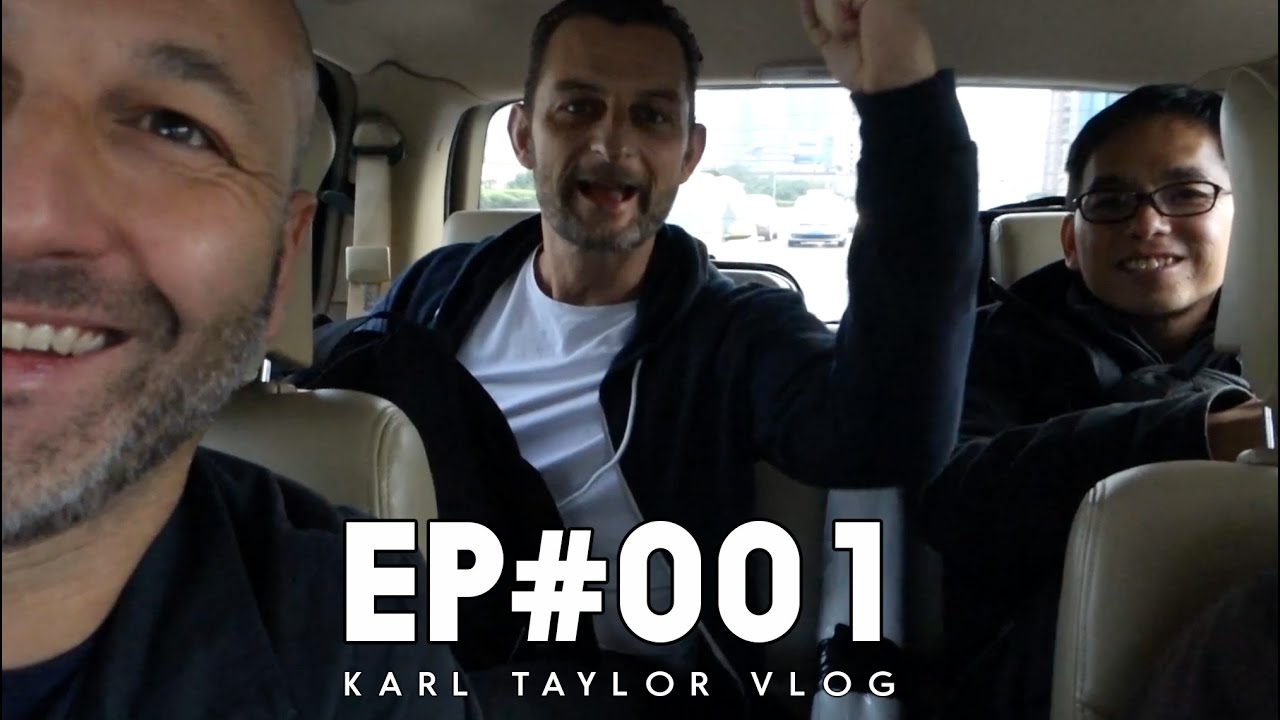
There’s a particular kind of creative pressure that kicks in when you’re shooting somewhere completely new. You’re jet-lagged, the light is different, the language barrier is real, and you still have a job to do. I’ve felt that exact tension on trips where I showed up to a location expecting one thing and got something else entirely. What saves you in those moments isn’t luck. It’s the prep work you did before the camera ever came out.
Watch the full tutorial on YouTube
In this Visual Education tutorial, photographer Carl Taylor documents his workshop trip across Shanghai and Beijing, giving viewers a behind-the-scenes look at what it actually takes to run professional shoots and teaching sessions in an unfamiliar country. It’s not a gear review or a technique breakdown in the traditional sense. It’s something more useful: a real-time look at how a working photographer stays organized, stays connected to collaborators, and keeps momentum through exhaustion, travel delays, and the general chaos of international work. I pulled out the steps that translate directly to any photographer planning a trip-based or studio-based shoot away from home.
Step 1: Arrive Early Enough to Absorb the Environment
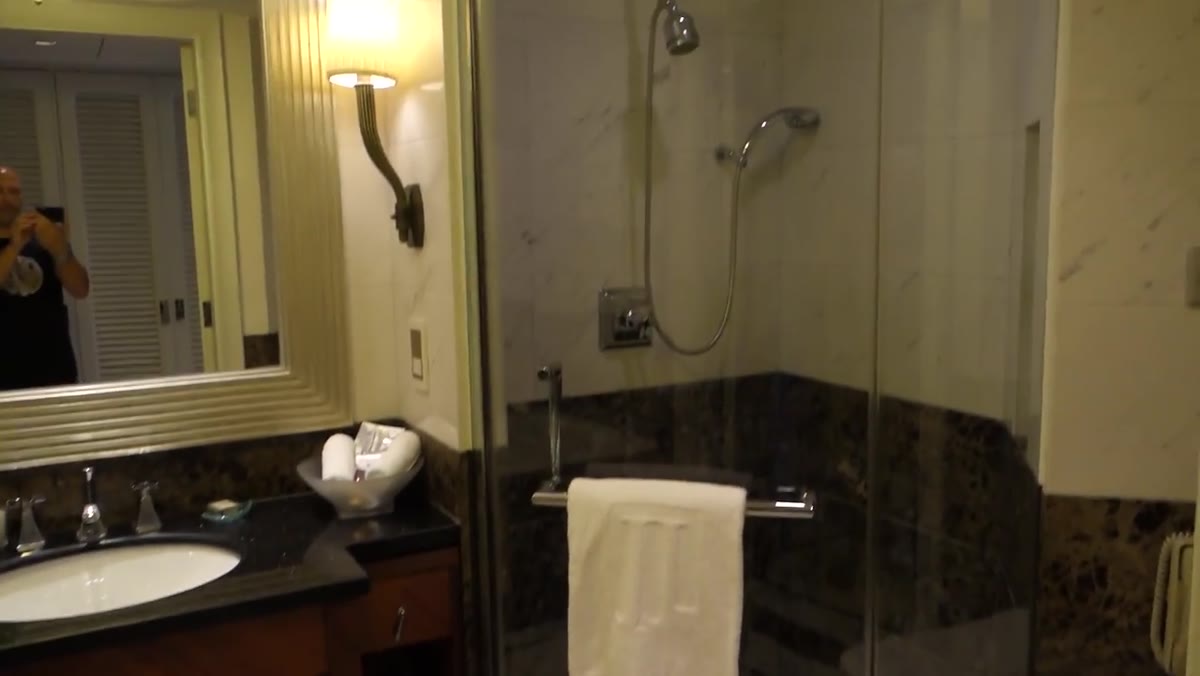 Photographer arriving at hotel, glimpsing Shanghai cityscape from window
Landing and immediately shooting rarely produces your best work. Carl checks into his Shanghai hotel and takes a beat. He notes the view, the light, what’s visible from the window, and even the quality of the bed, because rest is part of the job. This sounds small, but it’s actually a deliberate habit. When I’m shooting somewhere new, I try to build in at least a few hours of wandering without a camera before I start working. You’re calibrating your eye to a new visual environment, and that takes time.
Don’t treat arrival day as lost time. Treat it as essential orientation. Walk the streets, notice how the light sits on the buildings at different times, look for the textures and color palettes that make this place specific. That mental library pays off the moment you start framing shots.
Step 2: Do a Full Studio Walkthrough Before the Workshop Begins
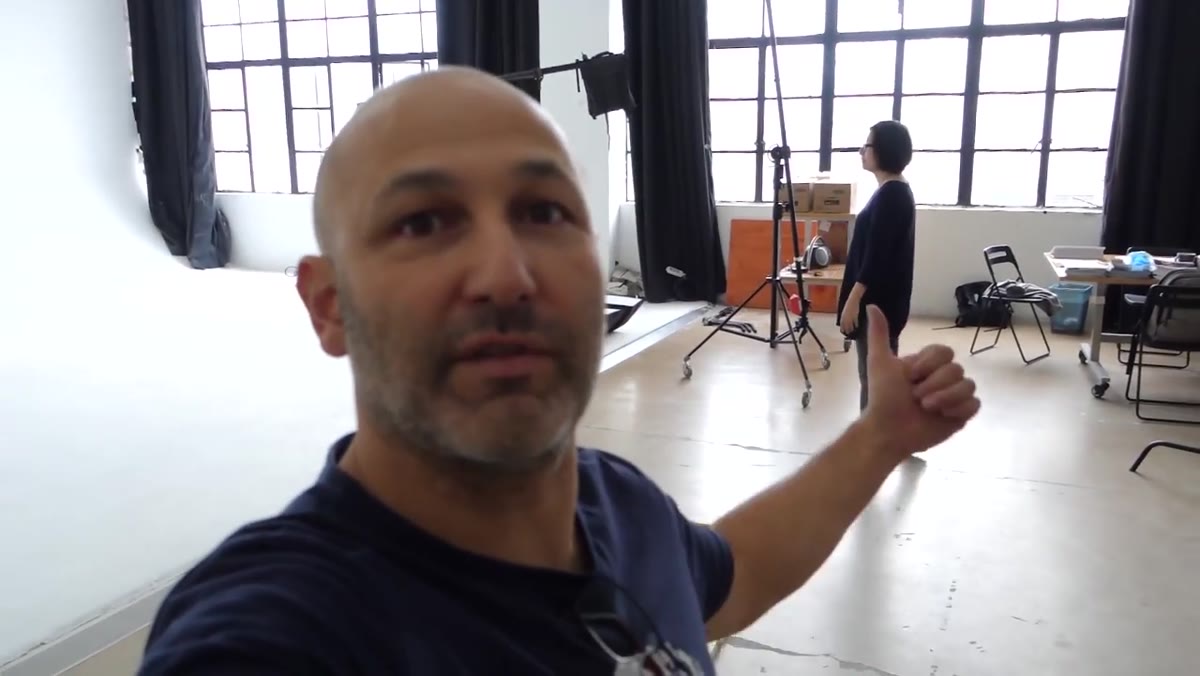 Studio Arc setup, lighting frames and cove visible in background
Carl arrives at Studio Arc in Shanghai the evening before the workshop starts. He introduces the space on camera: a large studio with a cove, lighting rigs being assembled, stands, blocks, and boxes all being positioned. This pre-shoot walkthrough isn’t incidental. It’s how he avoids the morning-of scramble that ruins the first hour of a shoot.
When you’re working in a rented or unfamiliar studio, visit it the day before if at all possible. Take note of the ceiling height, the cove dimensions, the power outlet positions, and whether the existing grip equipment matches what you’ve planned. Sketch a rough lighting diagram on your phone. That 30-minute scout will save you two hours of problem-solving when talent is already on set.
Step 3: Connect With Local Photographers and Study Their Work
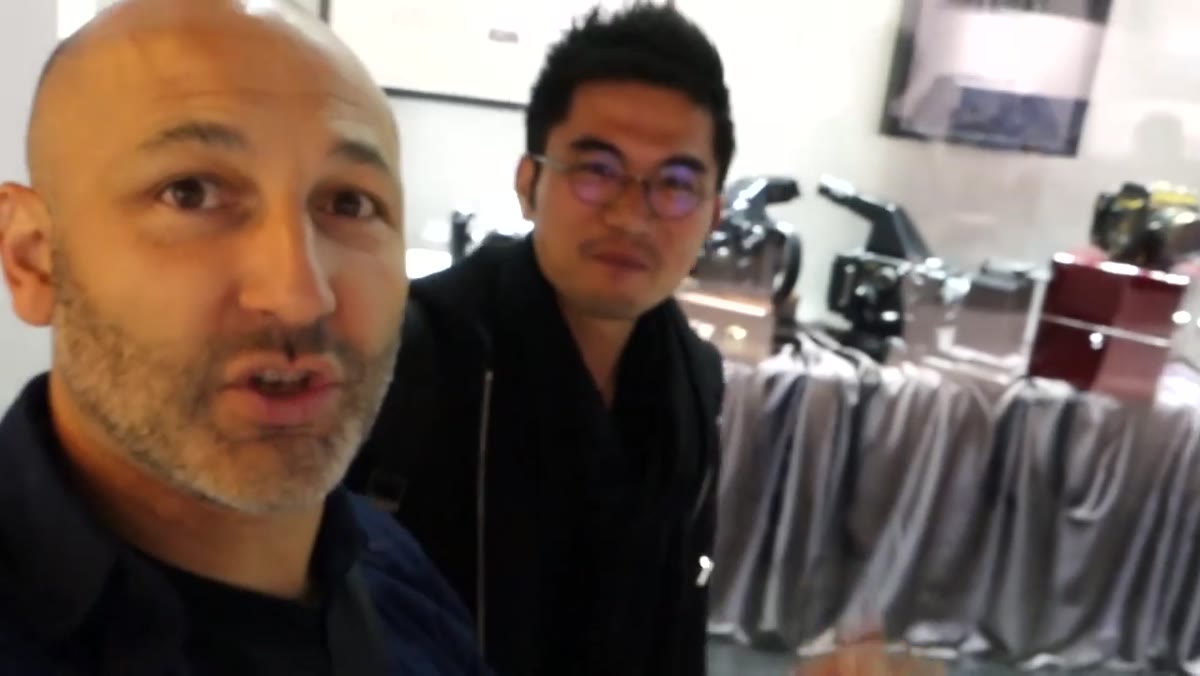 Visiting a local photographer’s studio, reviewing his camera collection
One of the most valuable moments in the video is when Carl visits a local photographer named Sales and spends time looking through his camera collection: a Mamiya RZ67, a Hasselblad 500 C/M, an H4, and more. But the real point isn’t the gear. It’s the conversation and the work that follows. Carl takes time to look at Sales’s images and responds to them genuinely.
Whenever I’m shooting in a new city, I try to find at least one local photographer to connect with before or during the trip. They know things you can’t Google. They know which locations are overshot and which are still raw, which studios have attitude problems and which crews are reliable, and what the local aesthetic sensibility actually looks like versus how it appears on Instagram. That knowledge changes how you shoot.
Step 4: Keep Your Kit Consistent When Moving Between Cities
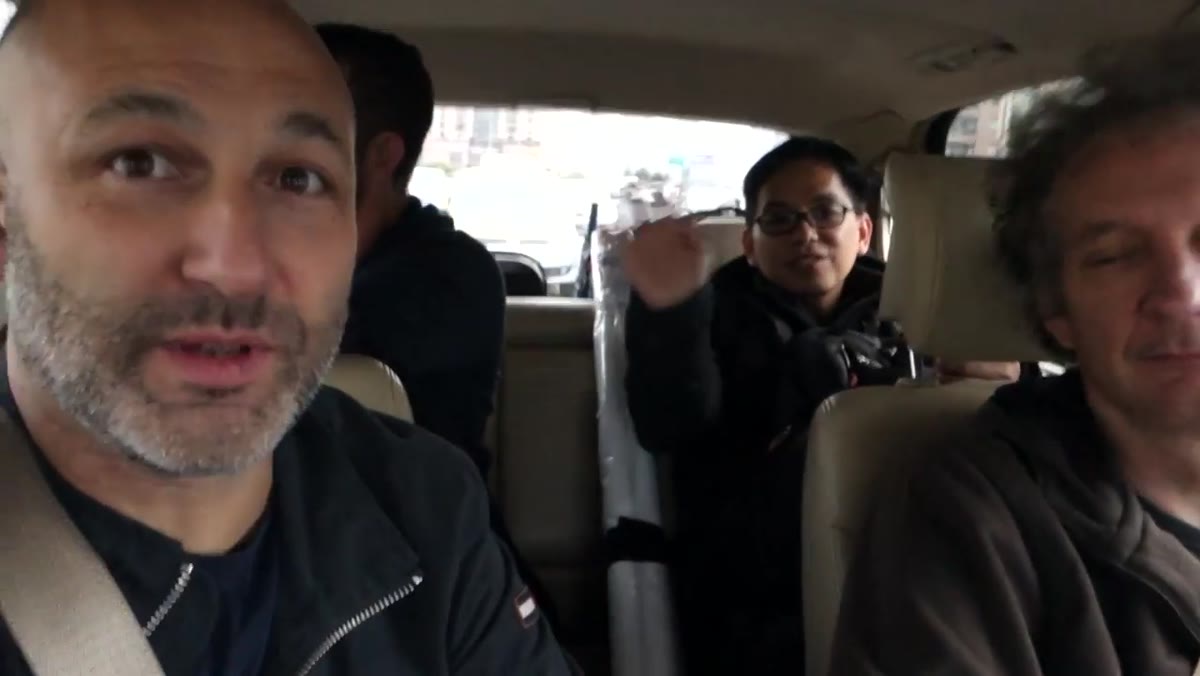 Early morning airport departure, crew assembled and ready to travel
The jump from Shanghai to Beijing happens fast in this video. Carl is at the airport at 6:30 in the morning after a late night, and the crew is moving as a unit with their gear. What stands out is that there’s no visible crisis about equipment. Everyone knows what they’re carrying.
When you’re moving between shoot locations mid-trip, build a packing list that you check every single time, not just at the start of the trip. Batteries, cards, cables, and small adapters are the things that disappear into hotel rooms and never come back. I keep a running note on my phone of everything that left my bag each morning and tick it back in before checkout. It sounds compulsive. It has also saved three shoots.
Step 5: Run the Workshop With Energy Even When You’re Running on Empty
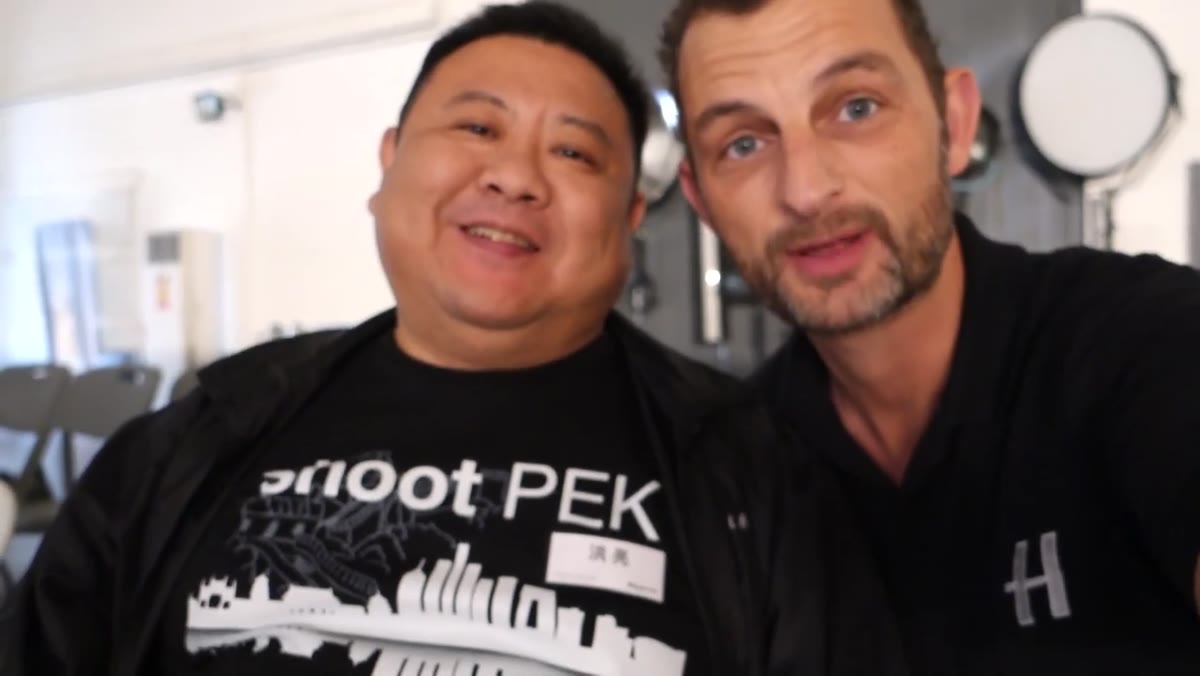 Workshop day in Beijing, collaborative and high-energy shooting environment
By Beijing, Carl is visibly tired. He mentions it directly: not sleeping much, long nights, early mornings. And yet the workshop footage shows genuine energy in the room, people laughing, working, learning. That doesn’t happen by accident.
When you’re teaching or leading a shoot, your energy sets the temperature of the room. Participants take their cues from you. Have a pre-session ritual that shifts your state: a walk, a playlist, coffee, whatever works. I make a specific playlist for every shoot I lead, something with a tempo that matches the mood I want to create. It sounds like a small thing, but it works consistently enough that I’d call it a system at this point.
Step 6: Debrief Honestly Before You Leave
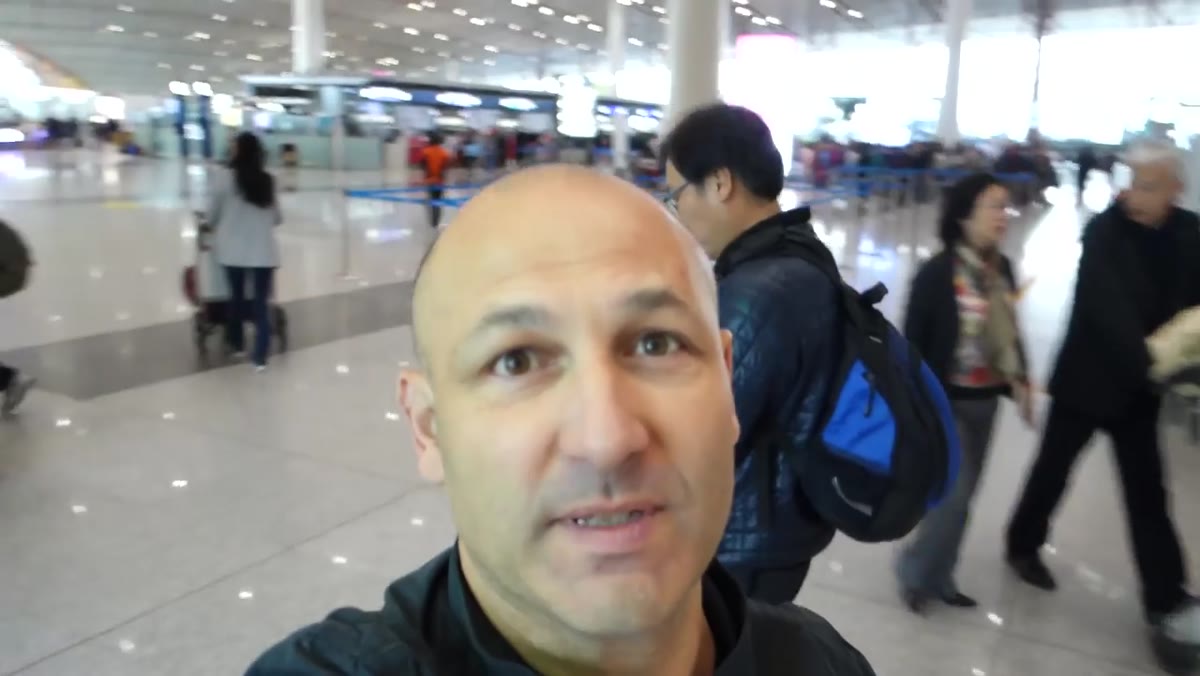 Beijing International Airport, crew reflecting on the trip before departure
At the airport heading home, Carl does a quick on-camera debrief with his crew. The trip was a success. The workshops landed. The shoots came together. But the value of this moment isn’t the celebration. It’s the habit of stopping to assess before the next thing starts.
After any major shoot or workshop trip, I write three things down before I do anything else: what worked better than expected, what I’d change, and one thing I want to try differently next time. It takes five minutes and it’s the difference between experience that compounds and experience that just accumulates.
A Note on Shooting Abroad With Fresh Eyes
The honest truth about international shoots is that exhaustion and unfamiliarity can either wreck your work or crack it open in interesting ways. Some of my favorite frames have come from moments when I was too tired to overthink and just responded to what was in front of me. The prep habits above are what create enough stability that you can afford to let go a little once you’re actually shooting. Structure and spontaneity aren’t opposites. The structure is what makes room for the spontaneous.
The single most transferable idea from this video is simple: preparation is not the opposite of creativity. It’s the foundation of it. Carl and his crew move through two cities, two studios, and multiple workshops with enough ease that the actual work can breathe. That ease was earned before they landed.
Watch the full tutorial on YouTube to see how the whole trip unfolds, and pay attention to how Carl handles the transitions. That’s where most photographers lose momentum, and it’s where this video quietly teaches the most.
Comments
Leave a Comment