The Excuses Keeping Your Portrait Work Stuck (And What to Do Instead)

The Excuses Keeping Your Portrait Work Stuck (And What to Do Instead)

The Moment I Stopped Blaming My Gear Last spring, I handed my phone to a stranger at a coffee shop and asked her to grab a quick shot of me at the table. She fumbled with it for a second, then handed it back apologetically. “I’m not a photographer,” she said. I smiled and told her neither was I, once. That exchange is part of why I started teaching, and it’s also why a recent Visual Education tutorial landed so hard when I watched it.

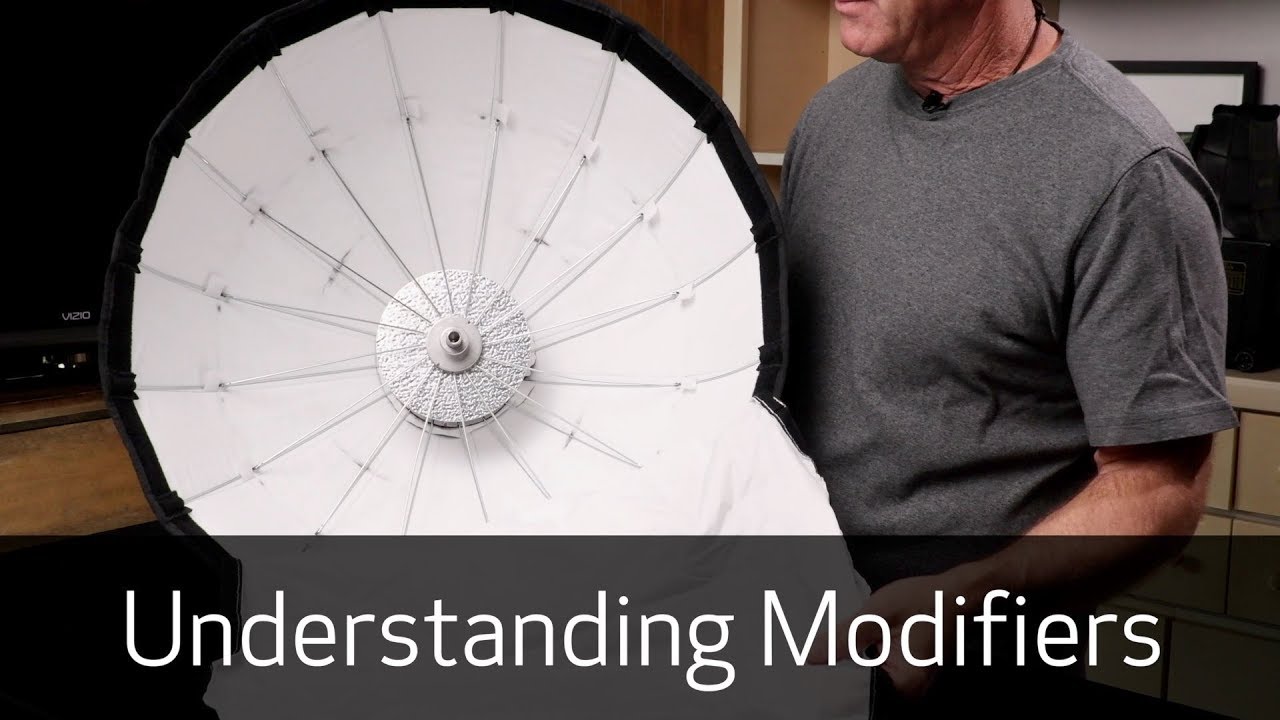
Why Your Softbox Isn't Actually Soft (And What Joel Grimes Taught Me About Modifiers)

Why Your Softbox Isn't Actually Soft (And What Joel Grimes Taught Me About Modifiers)

I spent an embarrassing amount of time blaming my gear for light that looked flat, harsh, or just plain unflattering. I’d drop money on a new softbox, get excited, and then wonder why my portraits still looked like I’d pointed a flashlight at someone’s face. It wasn’t until I started digging into how modifiers actually work — not just what they look like in an unboxing video — that things started clicking.

What Irving Penn Can Teach You About Breaking Your Own Photography Rules

What Irving Penn Can Teach You About Breaking Your Own Photography Rules

Every few months I’ll look back at a batch of portraits and feel like something is technically correct but emotionally flat. The exposure is good, the focus is sharp, the background is clean. And yet. There’s a version of this problem I spent years trying to name before I finally landed on it: I was making photographs the way I was taught to make photographs, not the way I actually saw things.

Ten Things Beginner Photographers Get Wrong (And How to Fix Them Fast)

Ten Things Beginner Photographers Get Wrong (And How to Fix Them Fast)

There’s a specific kind of frustration that hits when you get home from a shoot, pull up your images, and realize that technically everything went wrong. The shot is slightly blurry. The foreground is sharp but the background is mush. There are strangers walking through your otherwise perfect frame. I spent my first two years as a photographer chalking those problems up to bad luck. Turns out, they’re all fixable, and the fixes aren’t complicated.

Portrait Photography Essentials: 5 Techniques to Elevate Your People Photos

Portrait Photography Essentials: 5 Techniques to Elevate Your People Photos

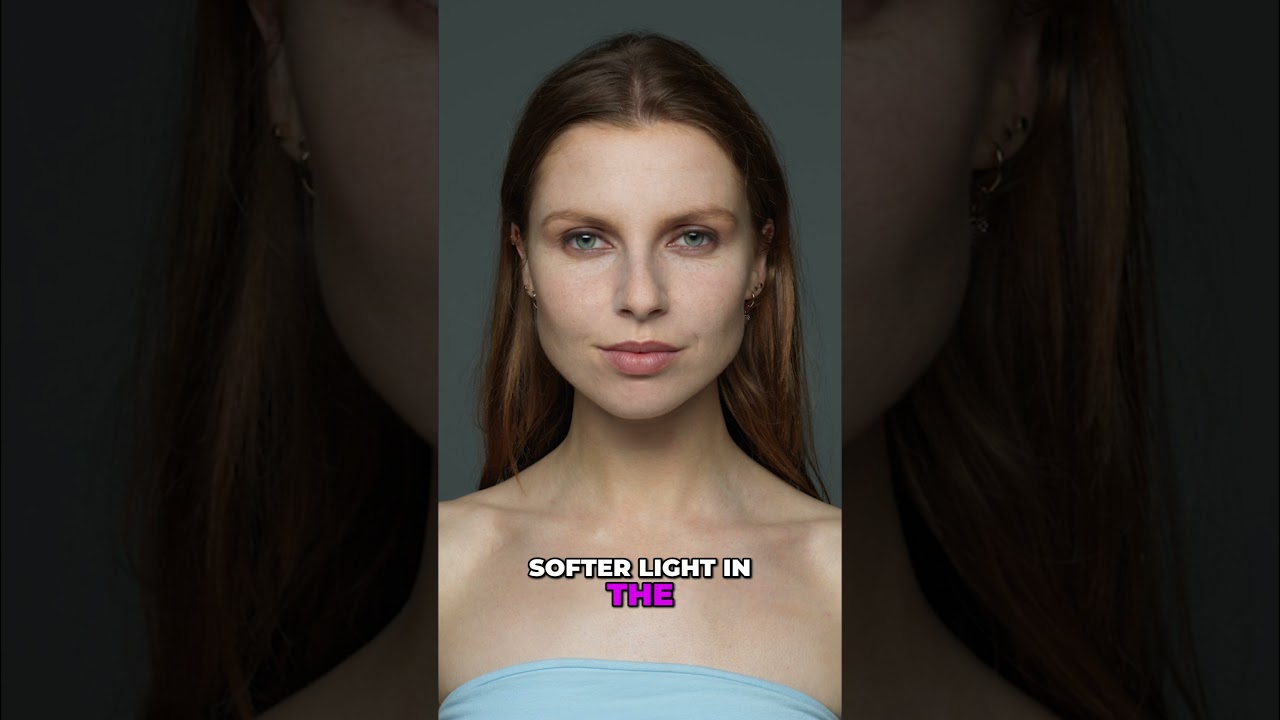
Portrait Photography Essentials: 5 Techniques to Elevate Your People Photos I’ve spent years photographing people in countless settings—from bright studios to moody coffee shops—and I’ve learned that great portraits aren’t about expensive gear or luck. They’re about understanding a few core principles and practicing them consistently. Whether you’re photographing friends, family, or building a portrait portfolio, these techniques will help you create images that feel authentic and polished. 1. Master Directional Lighting Lighting is everything in portrait photography, and I can’t stress this enough: the direction of light matters more than its intensity.

Photography Lighting for Beginners: Natural vs Artificial

Photography Lighting for Beginners: Natural vs Artificial

Light is the raw material of photography. Understanding how to work with it — whether it comes from the sun or a flash — is the single biggest skill jump most beginners can make. Natural Light Natural light is sunlight, whether direct, reflected, or diffused through clouds. It’s free, abundant, and when used well, produces beautiful results. Advantages: No equipment needed Produces natural-looking skin tones Creates a mood that’s difficult to replicate artificially Constantly changing, which can inspire creative variety Challenges:

How to Photograph Food Like a Professional

How to Photograph Food Like a Professional

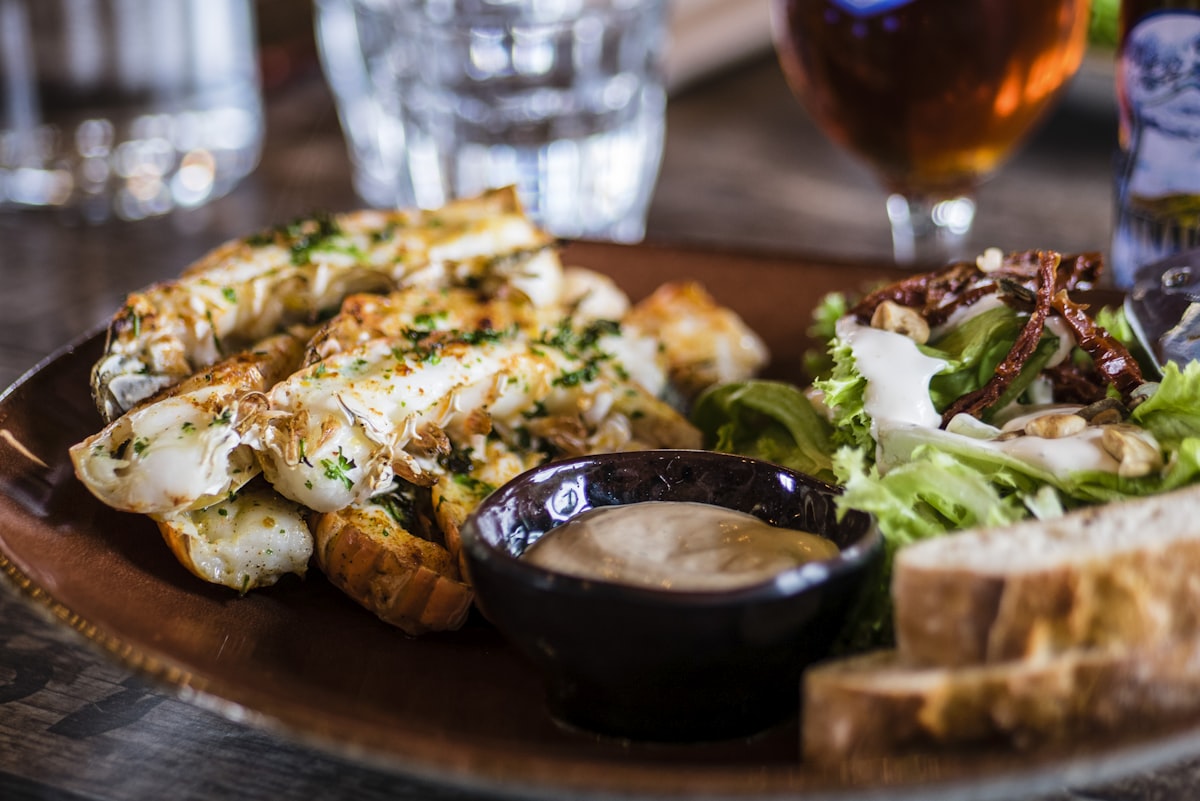
Scroll through Instagram and you’ll see thousands of food photos. Most of them look the same and none of them make you hungry. Professional food photography stands apart because it considers light, composition, and styling in ways that casual snapshots don’t. You don’t need a professional studio for great food photos. You need a window, some basic props, and an understanding of what makes food look appetizing. Lighting: The Window Is Your Studio Natural window light is the standard for food photography.