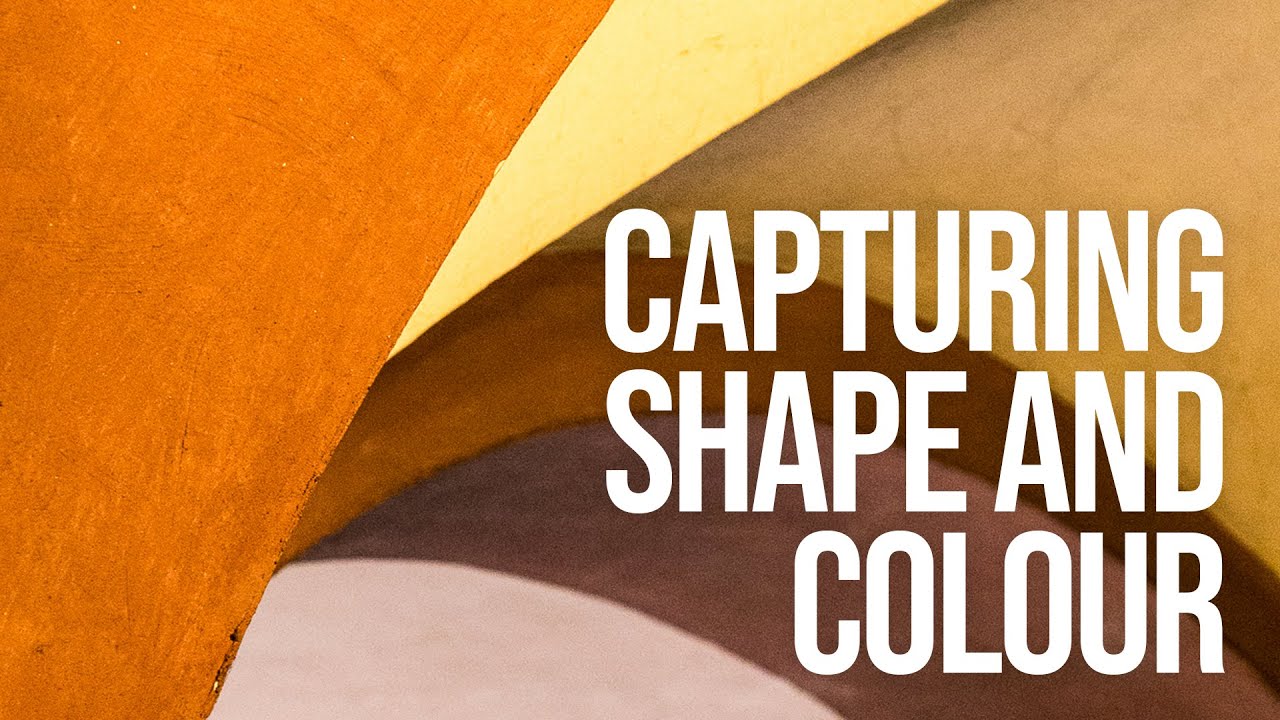
Every Sunday morning I’m out walking before most of my neighborhood has had coffee, and for a long time I felt a low-level guilt about my favorite shots from those walks. No people. No dramatic moment. Just a patch of light cutting across a concrete wall, or the geometry of a fire escape against a pale sky. Were those even “real” photographs? Was I doing it wrong?
Turns out, no. And I needed someone else to articulate why before I fully believed it. In this Sean Tucker tutorial featuring photographer Maarten Rots, Tucker addresses the question he gets asked constantly: does every photograph have to tell a story? His answer is a clear no, and the work of Maarten Rots is the proof. Rots shoots almost entirely without people, without context, without narrative threads. Just shape, color, light, and shadow. And his prints end up on gallery walls.
What this video unlocked for me wasn’t a new camera setting or editing trick. It was permission to treat photography as visual art first, storytelling second, and to build the specific skills that approach actually requires. Here’s how to put that into practice.
Step 1: Decide What Kind of Image You’re Actually Making
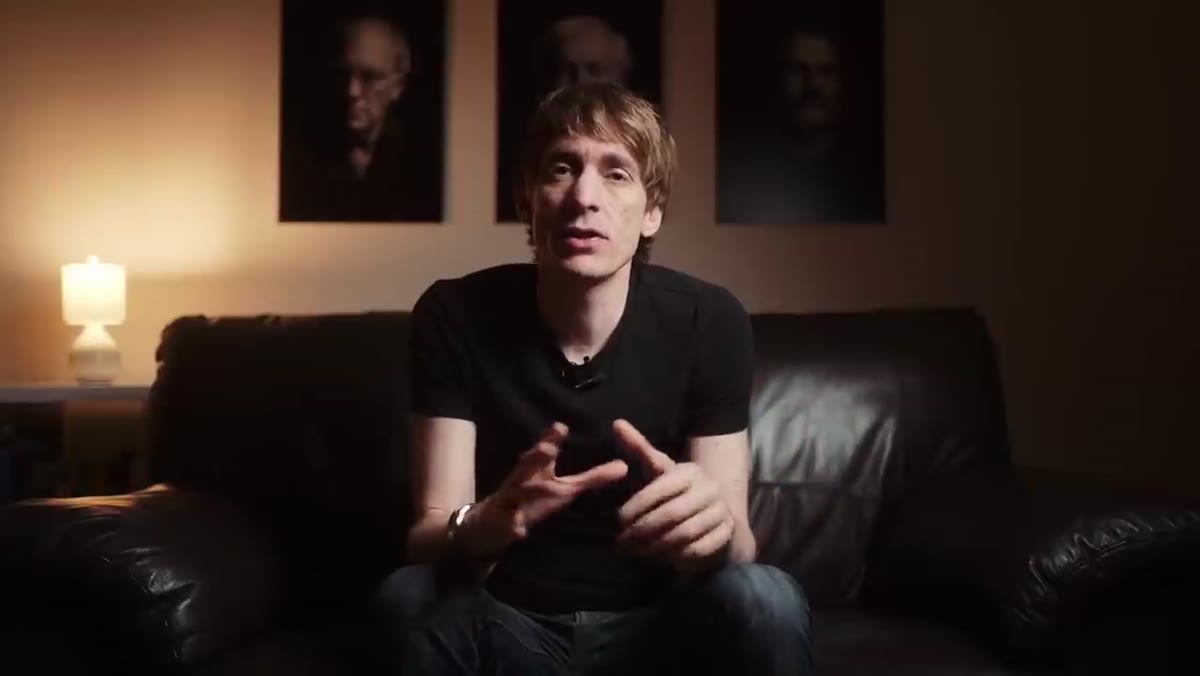 Sean Tucker speaking directly to camera about photography and storytelling
Before you pick up your camera, get clear on your intention for a shoot. Are you trying to document something, tell a story, or are you hunting for visual pleasure? Pure aesthetics photography, the kind Rots makes, is its own discipline. It rewards a different kind of attention. Once you give yourself permission to make images that don’t explain themselves, you stop waiting for something to “happen” and start looking at what’s already there.
Sean Tucker speaking directly to camera about photography and storytelling
Before you pick up your camera, get clear on your intention for a shoot. Are you trying to document something, tell a story, or are you hunting for visual pleasure? Pure aesthetics photography, the kind Rots makes, is its own discipline. It rewards a different kind of attention. Once you give yourself permission to make images that don’t explain themselves, you stop waiting for something to “happen” and start looking at what’s already there.
This mindset shift sounds small, but it changes everything about how you move through a space. You’re no longer looking for the decisive moment. You’re looking for the beautiful one.
Step 2: Treat Your Walk as an Open-Ended Search, Not a Mission
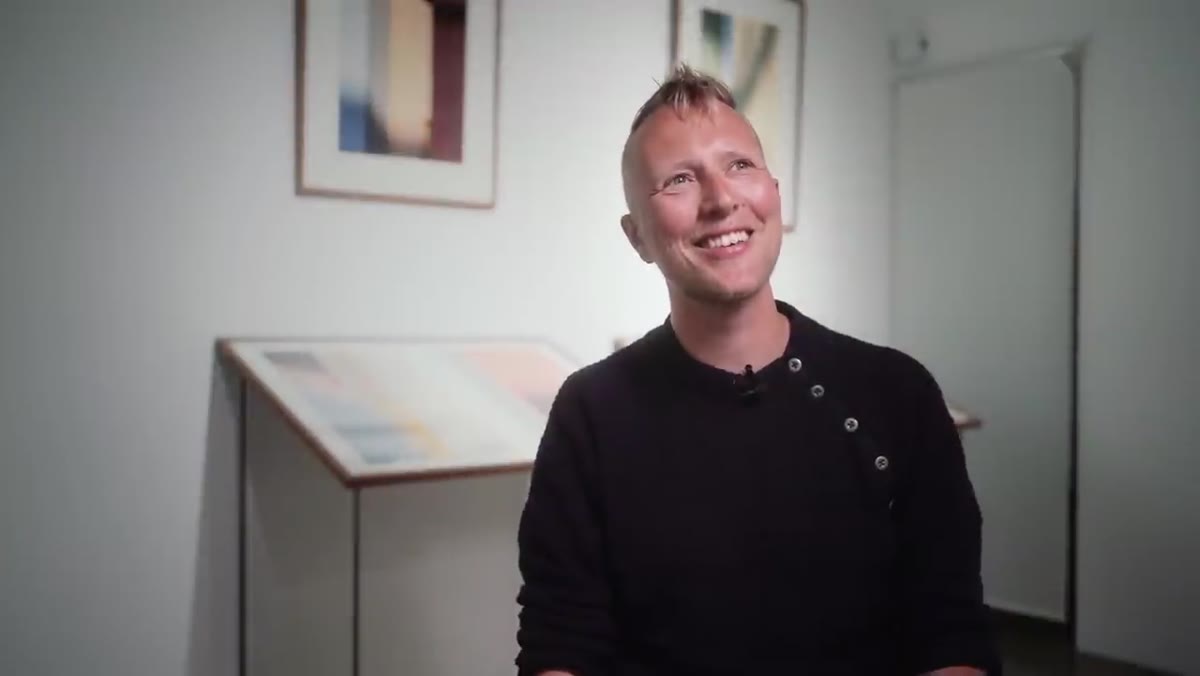 Maarten Rots describing his wandering shooting process
Rots describes his shooting practice as genuinely aimless, and he means that as a feature, not a flaw. He follows interesting elements rather than a route. Sometimes he circles the same block without noticing because something keeps pulling his eye. The point is that the walk itself generates the images. He’s not scouting locations to return to later with a shot list.
Maarten Rots describing his wandering shooting process
Rots describes his shooting practice as genuinely aimless, and he means that as a feature, not a flaw. He follows interesting elements rather than a route. Sometimes he circles the same block without noticing because something keeps pulling his eye. The point is that the walk itself generates the images. He’s not scouting locations to return to later with a shot list.
On your next photo walk, try leaving your map app closed. Pick a direction based on where the light looks good and follow it. If a shadow pattern on a building catches your eye, walk toward it. This kind of reactive navigation is how you stumble into the shots you couldn’t have planned.
Step 3: Learn to See Architecture as Raw Material for Abstraction
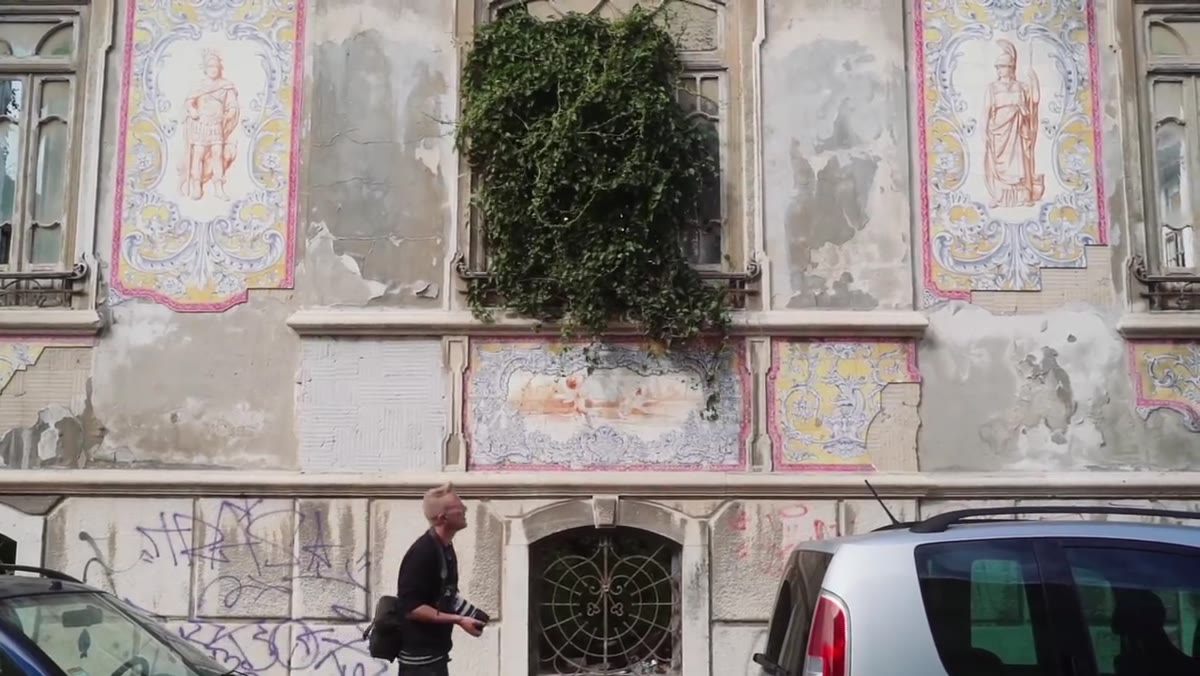 Discussion of urban and architectural elements as photographic subjects
Rots works almost exclusively with urban environments. Buildings, alleyways, walls, pavement. But he’s not photographing architecture in the traditional sense. He’s using architectural surfaces the way a painter uses a canvas. The building is just where the light happened to land.
Discussion of urban and architectural elements as photographic subjects
Rots works almost exclusively with urban environments. Buildings, alleyways, walls, pavement. But he’s not photographing architecture in the traditional sense. He’s using architectural surfaces the way a painter uses a canvas. The building is just where the light happened to land.
Start noticing the surfaces around you as a collection of shapes and tones rather than as objects with names and functions. A loading dock door stops being a loading dock door and becomes a rectangle of rust and shadow. A stairwell becomes a series of converging diagonals. Practice describing what you see in purely geometric terms, and you’ll start framing very differently.
Step 4: Chase Light Quality Over Location Quality
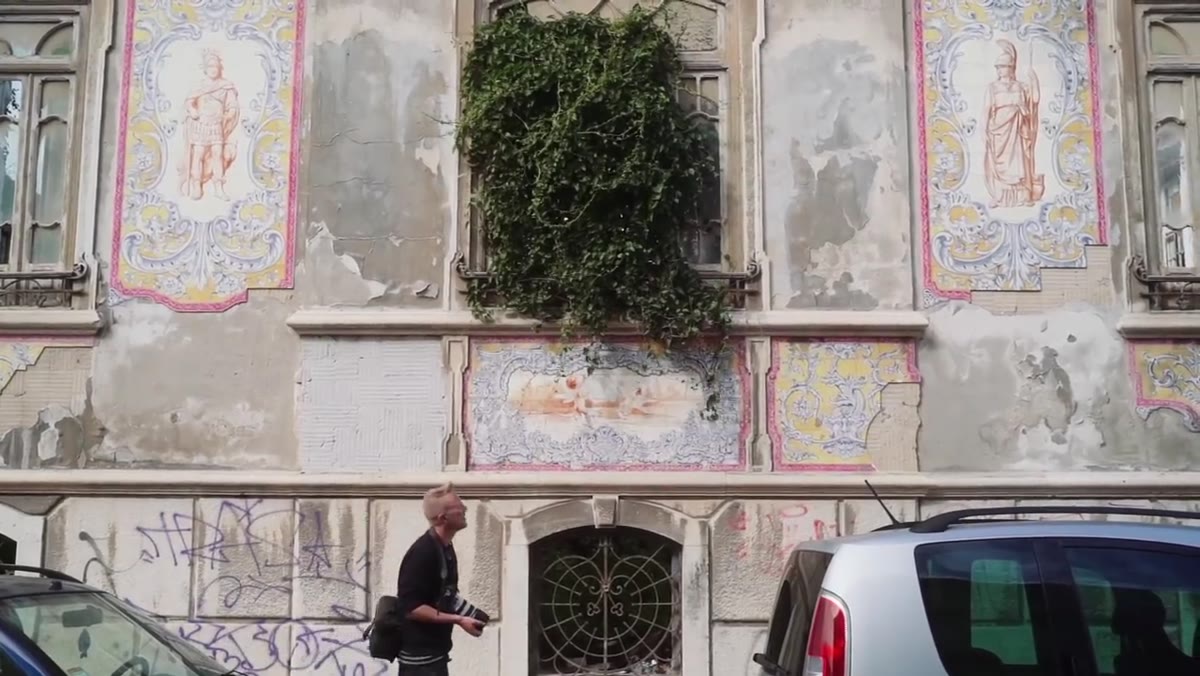 Rots explaining how light angle guides his movement through a city
One of the most practical things Rots shares is that he often walks in a straight line not because of what’s ahead of him, but because the angle of light is consistent in that direction. He’s following the light, not the map. This is a genuinely useful planning tool.
Rots explaining how light angle guides his movement through a city
One of the most practical things Rots shares is that he often walks in a straight line not because of what’s ahead of him, but because the angle of light is consistent in that direction. He’s following the light, not the map. This is a genuinely useful planning tool.
Before a shoot, check where the sun will be and at what angle. Then think about what kinds of surfaces in your city will catch that light well. Flat painted walls, narrow alleys where a single beam cuts through, glass that reflects and bounces color. Early morning and late afternoon give you longer shadows and warmer tones, which read beautifully in this kind of work. If the light isn’t doing anything interesting, the abstract shot usually isn’t either.
Step 5: Look for Accidental Compositions, Then Refine Them
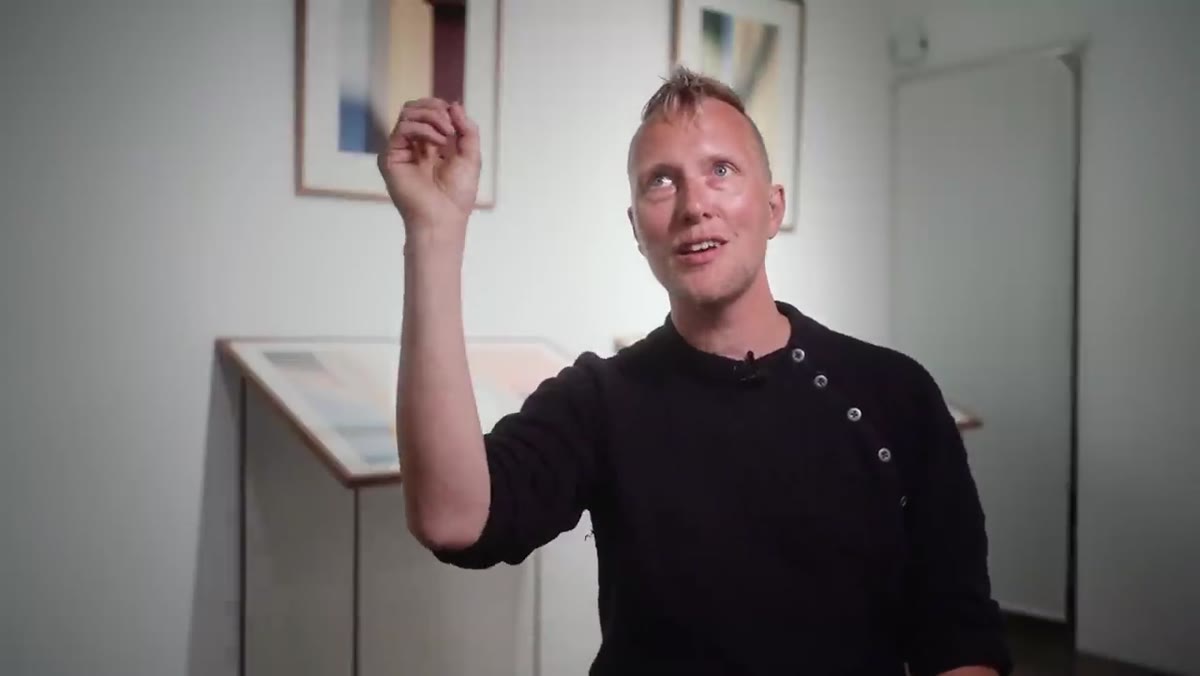 Description of glimpsing a fragment of light or shadow that leads to a photograph
Rots talks about catching a “little glimpse” of something, a sliver of colored light, an unexpected shadow, a distant building with an interesting silhouette. That glimpse is the starting point, not the finished image. He then moves toward it and works out whether it actually becomes a composition worth shooting.
Description of glimpsing a fragment of light or shadow that leads to a photograph
Rots talks about catching a “little glimpse” of something, a sliver of colored light, an unexpected shadow, a distant building with an interesting silhouette. That glimpse is the starting point, not the finished image. He then moves toward it and works out whether it actually becomes a composition worth shooting.
Train yourself to respond to glimpses rather than waiting for something fully formed. When something catches your peripheral vision, stop and look at it directly. Then ask: is this actually interesting, or did it just surprise me? If it’s interesting, start moving around it. Try different distances and angles before you raise the camera. A patch of light that looks flat straight-on might have real depth when you step sideways.
Step 6: Embrace Abstraction Gradually, Don’t Force It
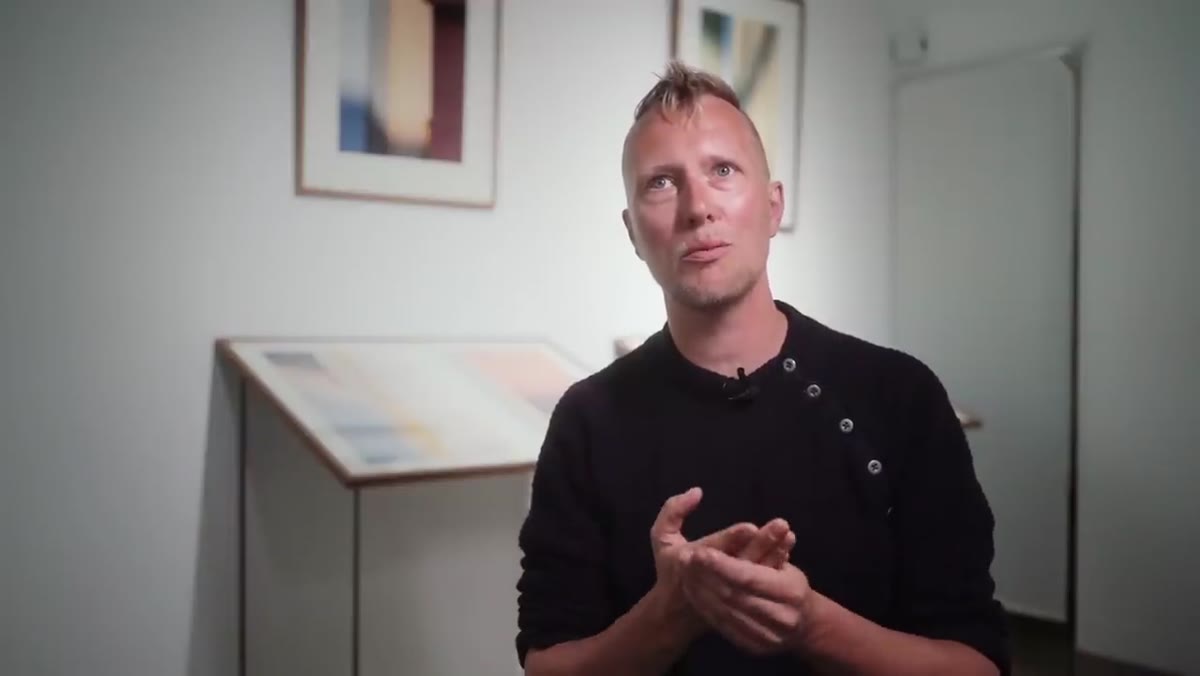 Rots discussing his shift from recognizable subjects to abstract work during art school
Rots is honest that abstract work wasn’t immediately accessible to him. He started with portraits, landscapes, recognizable subjects. Abstract expressionism felt genuinely beyond him at first. The shift toward abstraction came gradually, through exposure and curiosity.
Rots discussing his shift from recognizable subjects to abstract work during art school
Rots is honest that abstract work wasn’t immediately accessible to him. He started with portraits, landscapes, recognizable subjects. Abstract expressionism felt genuinely beyond him at first. The shift toward abstraction came gradually, through exposure and curiosity.
Don’t pressure yourself to go fully abstract overnight. Instead, push the edges of your current work. If you shoot street photography, try one roll or one memory card session where you remove people from the frame entirely. If you shoot landscapes, zoom in until the subject becomes unrecognizable and see what’s left. Abstraction usually lives at the edges of whatever you’re already doing.
What I’d Add From My Own Experience
The hardest part of this approach, for me, was quieting the internal voice that kept asking “but what is this a photo of?” That question is trained into us early. We’re told photographs should communicate clearly. And sometimes they should. But some of my most satisfying images from my Sunday walks are the ones where I genuinely couldn’t tell you what I photographed without looking at my metadata.
One thing that helped me was building playlists for different shooting moods. I know it sounds a little extra, but there’s something about ambient or minimal music that slows my pace and makes me look more carefully. When I’m listening to something with energy I walk past things. When I slow down, the glimpses Rots talks about actually register.
Also, your phone is a completely legitimate tool for this kind of work. I’ve said it before and I’ll keep saying it. The simplicity of shooting on a phone removes a lot of the technical anxiety and lets you focus on exactly what this approach demands: seeing, not operating.
The single most important thing I took from this video is that your camera can function as an artist’s tool rather than a recording device, and that’s not a lesser use of it. Shape, color, light, and shadow are real subject matter. Building the eye to find them in ordinary places is a real skill worth developing.
Watch the full tutorial on YouTube to see Maarten Rots’ work alongside Sean Tucker’s conversation with him. Seeing the actual prints and hearing Rots describe his process in his own words makes the philosophy land in a way a summary can’t quite replicate.
Comments (2)
Been doing this wrong for years apparently. Thanks for the wake-up call.
Applied this to my portfolio shots and the improvement is noticeable.
Leave a Comment