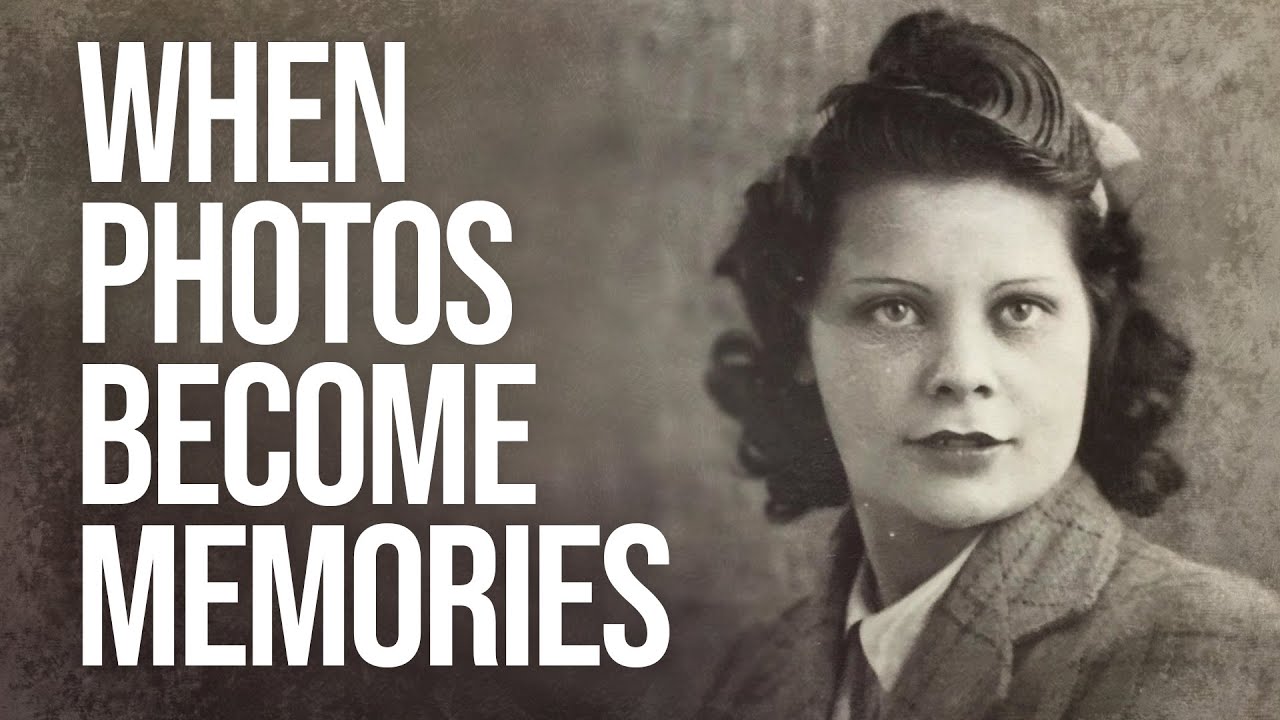
There’s a version of photography where you chase the technically perfect shot. Perfect exposure, perfect light, perfect composition. I spent a long time living in that version, and honestly, some of my most forgettable images came from it. The ones that stopped people mid-scroll, the ones that strangers at coffee shops asked me about, those almost never came from a calculated setup. They came from something real. That’s the problem this tutorial addresses head-on, and it’s one I needed someone to put into words for me.
In this Sean Tucker tutorial, Watch the full tutorial on YouTube, Tucker opens with something deeply personal: the loss of his grandmother, a woman named Emmy who gave him an unconditional sense of belonging during one of the hardest stretches of his childhood. He doesn’t lead with a lens recommendation. He leads with grief and gratitude. That choice is itself the lesson, and everything that follows builds on it.
What Tucker is really teaching here is a philosophy: that the most powerful photography you can make is the kind rooted in genuine meaning. Not meaning you perform for an audience, but meaning you carry privately and then find ways to make visible. The steps below walk through how he builds that case and how you can apply it to your own practice.
Step 1: Start With a Story That Actually Matters to You
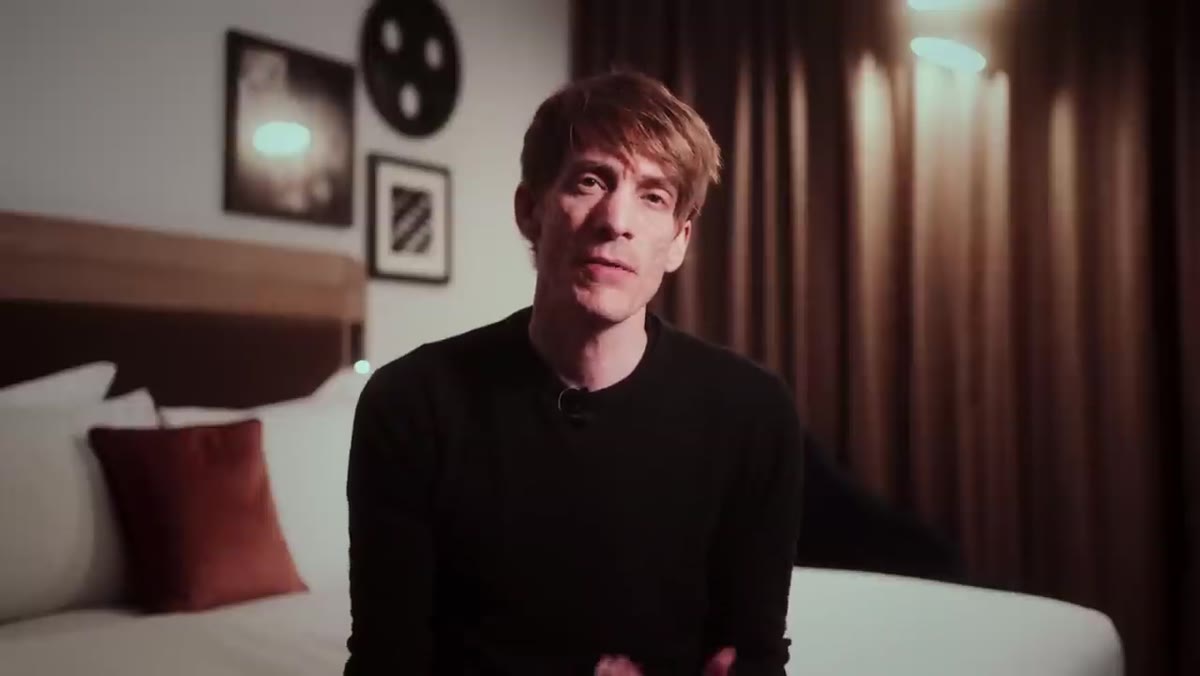 Sean Tucker speaking to camera about receiving an early morning phone call
Tucker begins by sharing the story of his grandmother Emmy directly to camera, without props or visual aids. That’s intentional. Before you pick up a camera for a personal project, he’s asking you to do the harder work first: identify the relationship, memory, or experience that genuinely moves you. Not a theme that sounds impressive, but a real human thread you keep returning to.
Sean Tucker speaking to camera about receiving an early morning phone call
Tucker begins by sharing the story of his grandmother Emmy directly to camera, without props or visual aids. That’s intentional. Before you pick up a camera for a personal project, he’s asking you to do the harder work first: identify the relationship, memory, or experience that genuinely moves you. Not a theme that sounds impressive, but a real human thread you keep returning to.
Sit down and write out three memories or relationships that shaped who you are. Don’t filter for “photogenic” potential. Filter for emotional truth. The goal at this stage is not a shot list. It’s clarity about what you actually care about.
Step 2: Recognize the Difference Between Pretty and Meaningful
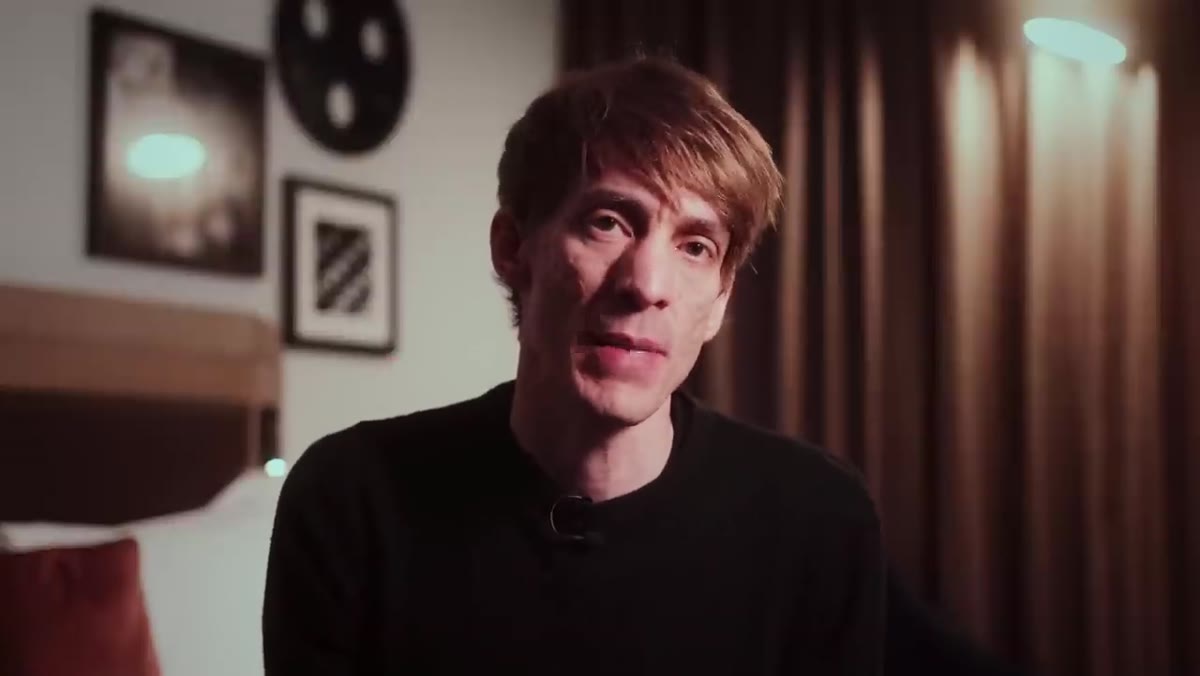 Tucker describing his grandmother’s small flat in Birmingham as his favorite place
Tucker describes his grandmother’s flat in Birmingham as his favorite place in the world. Not because it was beautiful or impressive, but because of what happened inside it. A duvet dragged from the bedroom. A McDonald’s Happy Meal. Star Wars on VHS. These are mundane objects, but in context they carry enormous emotional weight.
Tucker describing his grandmother’s small flat in Birmingham as his favorite place
Tucker describes his grandmother’s flat in Birmingham as his favorite place in the world. Not because it was beautiful or impressive, but because of what happened inside it. A duvet dragged from the bedroom. A McDonald’s Happy Meal. Star Wars on VHS. These are mundane objects, but in context they carry enormous emotional weight.
This is the core perceptual shift Tucker is asking for. When you look at a scene, train yourself to ask: “What does this mean?” before you ask “Does this look good?” A worn kitchen table can hold more power than a mountain range if you understand what it represents. Meaningful photography almost always comes from the second question being driven by the first.
Step 3: Let Memory Inform Your Visual Instincts
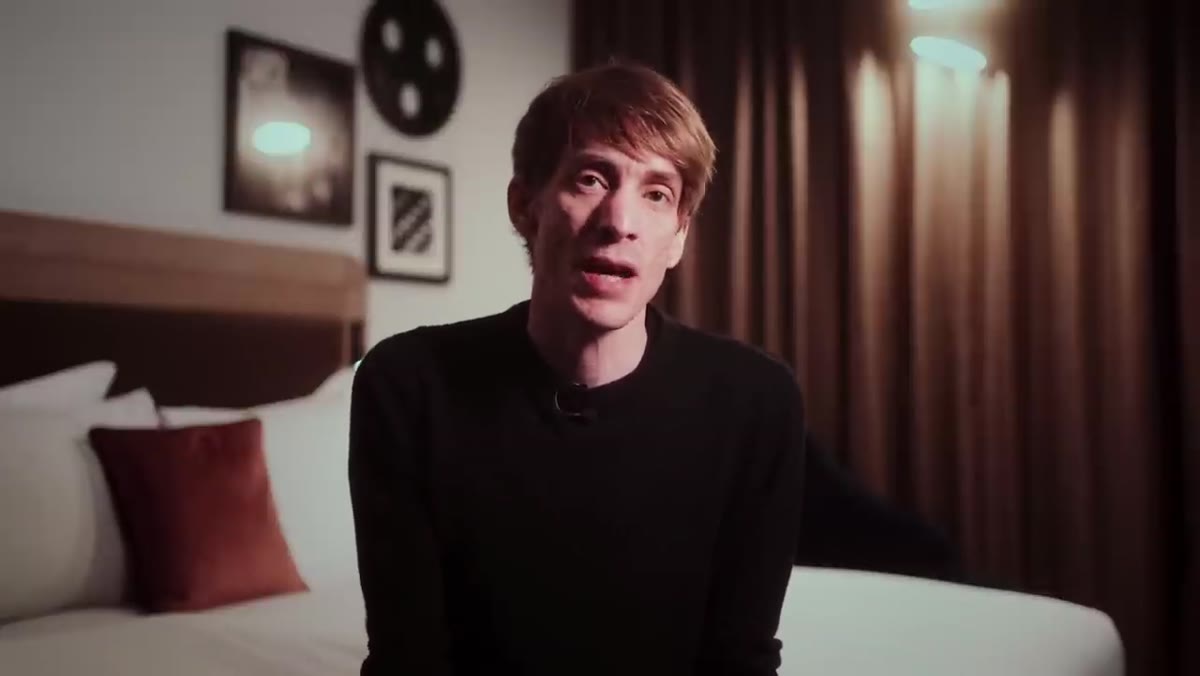 Tucker describing watching Star Wars with his grandmother on the sofa
Tucker notes that even now, when he curls up on the sofa with a blanket and comfort food, he’s transported back to his grandmother’s care. That sense-memory is doing real work. It’s not nostalgia for its own sake. It’s a map back to an emotional state that photography can try to recreate or honor.
Tucker describing watching Star Wars with his grandmother on the sofa
Tucker notes that even now, when he curls up on the sofa with a blanket and comfort food, he’s transported back to his grandmother’s care. That sense-memory is doing real work. It’s not nostalgia for its own sake. It’s a map back to an emotional state that photography can try to recreate or honor.
Before a personal shoot, try anchoring yourself in a specific memory connected to your subject. What did it smell like? What sounds were there? What small details do you remember most vividly? Those details, the Cherry Pop bottle, the borrowed duvet, become the visual vocabulary of your project. They’re what you look for when you’re behind the lens.
Step 4: Build Your Project Around Unconditional Relationships
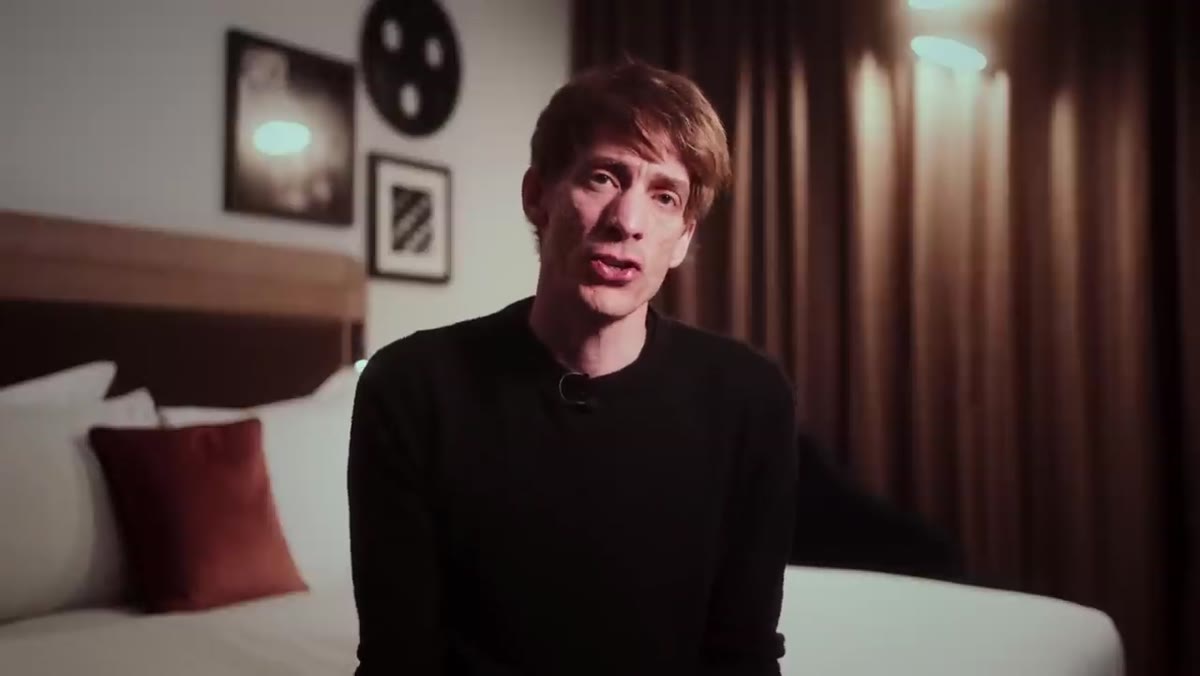 Tucker describing the unconditional love his grandmother showed him
Tucker is specific about why his grandmother mattered so much: she offered unconditional love during a time when he felt like an inconvenience. That specificity is what makes the story land. Vague admiration doesn’t generate powerful images. Precise emotional understanding does.
Tucker describing the unconditional love his grandmother showed him
Tucker is specific about why his grandmother mattered so much: she offered unconditional love during a time when he felt like an inconvenience. That specificity is what makes the story land. Vague admiration doesn’t generate powerful images. Precise emotional understanding does.
For your own project, don’t just identify a person or place. Identify what that person or place gave you that nothing else did. Write one sentence that completes this: “The reason this subject is irreplaceable to me is…” That sentence becomes your creative brief. Every frame you make should be able to answer to it.
Step 5: Photograph the Ordinary Objects That Hold Meaning
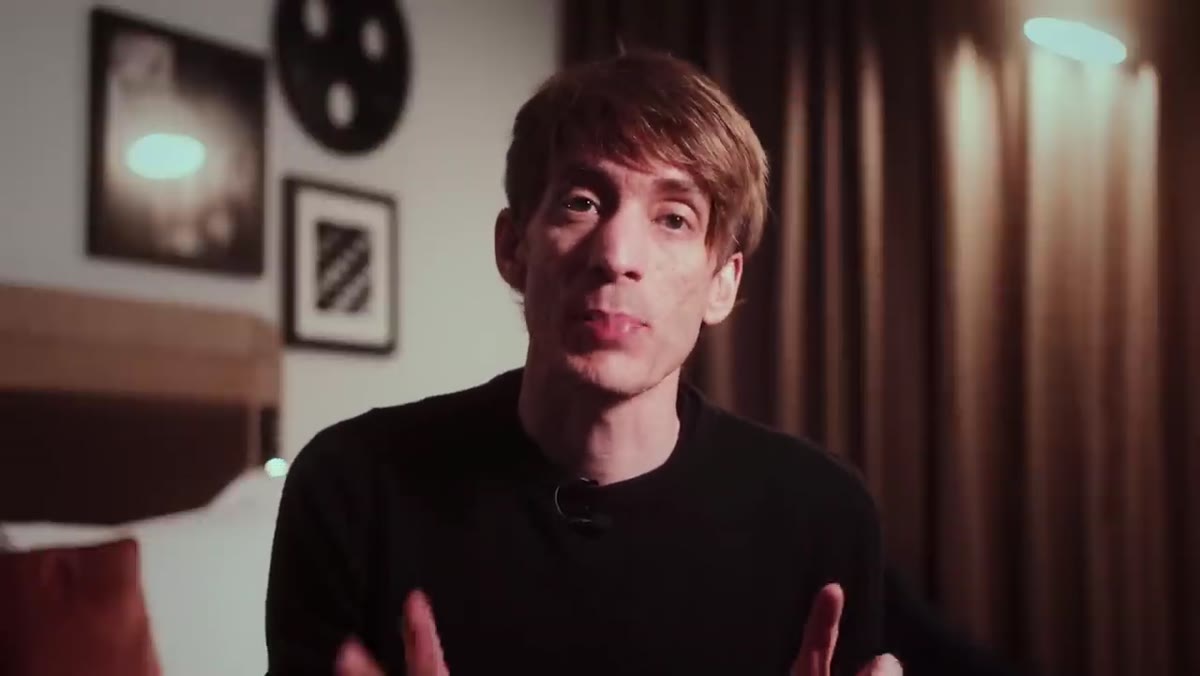 Tucker listing specific childhood objects: Happy Meal, VHS tape, sweets
Notice how Tucker’s most vivid memories attach to completely ordinary things: a bottle of fizzy drink, a VHS tape from WHSmith, a pile of sweets. These aren’t symbolic in a heavy-handed way. They’re specific, which is what makes them universal. Everyone has their version of that object.
Tucker listing specific childhood objects: Happy Meal, VHS tape, sweets
Notice how Tucker’s most vivid memories attach to completely ordinary things: a bottle of fizzy drink, a VHS tape from WHSmith, a pile of sweets. These aren’t symbolic in a heavy-handed way. They’re specific, which is what makes them universal. Everyone has their version of that object.
When you shoot a personal project, make still-life frames of the ordinary things connected to your subject. A coffee mug. A worn chair. A handwritten note. Shot with intention, these images anchor the emotional story in something a viewer can physically recognize and project their own meaning onto. The ordinariness is a feature, not a limitation.
Step 6: Sit With the Work Before You Share It
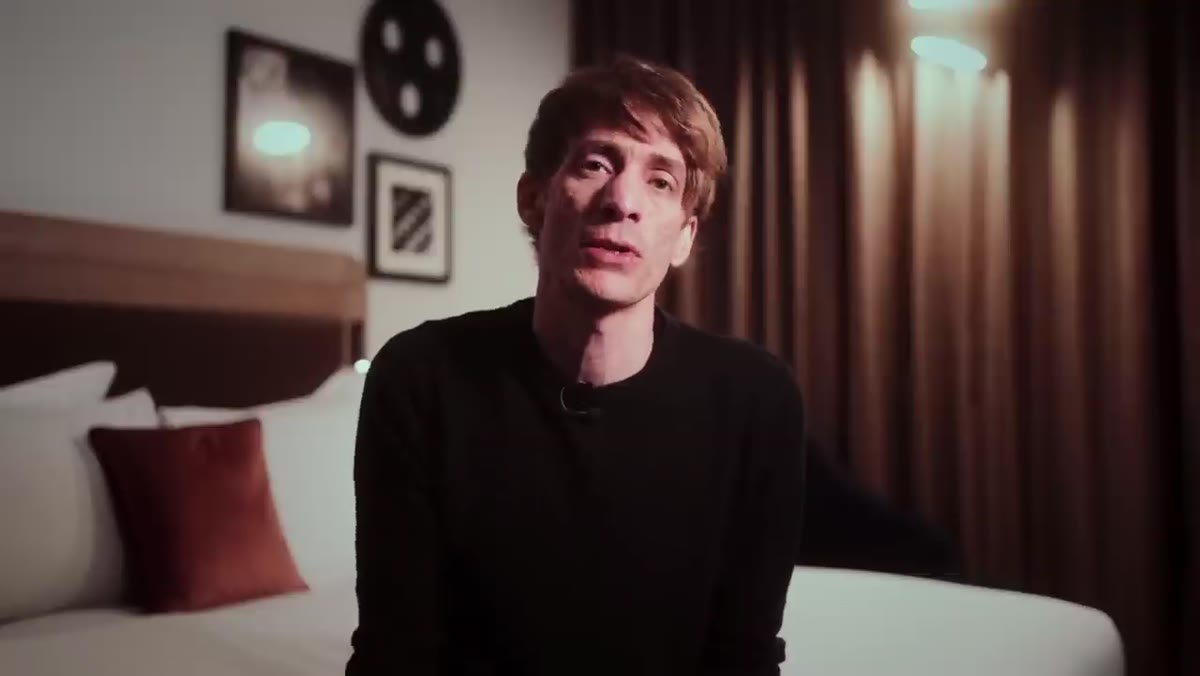 Tucker speaking directly to camera in a personal, reflective tone
Tucker doesn’t rush to a photography lesson after sharing his story. He sits with it. He lets the emotional weight settle before he pivots to the larger point. That pacing is something worth borrowing for how you treat your own personal work.
Tucker speaking directly to camera in a personal, reflective tone
Tucker doesn’t rush to a photography lesson after sharing his story. He sits with it. He lets the emotional weight settle before he pivots to the larger point. That pacing is something worth borrowing for how you treat your own personal work.
Give a personal project time before you publish it. Shoot it, then let it sit for two weeks. Come back and ask whether the images still feel true, or whether you were performing emotion rather than capturing it. The images that survive that cooling-off period are usually the ones worth sharing.
One Thing I’d Add From My Own Experience
Tucker’s framework resonates with me because the most-shared image I’ve ever posted was shot on a phone during a Sunday morning walk in my neighborhood. It was my neighbor’s porch light still on at 7 a.m. with frost on the steps. No story attached publicly, but I knew exactly what it meant to me: it reminded me of mornings at my grandmother’s house where the porch light was always left on no matter how late anyone came home. I almost didn’t post it because it wasn’t technically impressive.
The personal projects that make people stop are rarely the ones with the best gear or the most dramatic locations. They’re the ones where the photographer clearly gave a damn. Viewers can feel that, even when they can’t articulate why. The trick Tucker is really teaching is not a camera technique. It’s permission to care publicly about something private, and trust that the specificity of your experience is exactly what makes it relatable to someone else.
The single most important takeaway here: meaning has to come before the camera. When you know why a subject matters to you at a specific and personal level, every technical decision, light, framing, timing, starts to serve something real instead of just looking good in isolation.
Watch the full tutorial on YouTube and pay attention to how Tucker structures the emotional argument before he ever gets to photography. That structure is the technique.
Comments
Leave a Comment