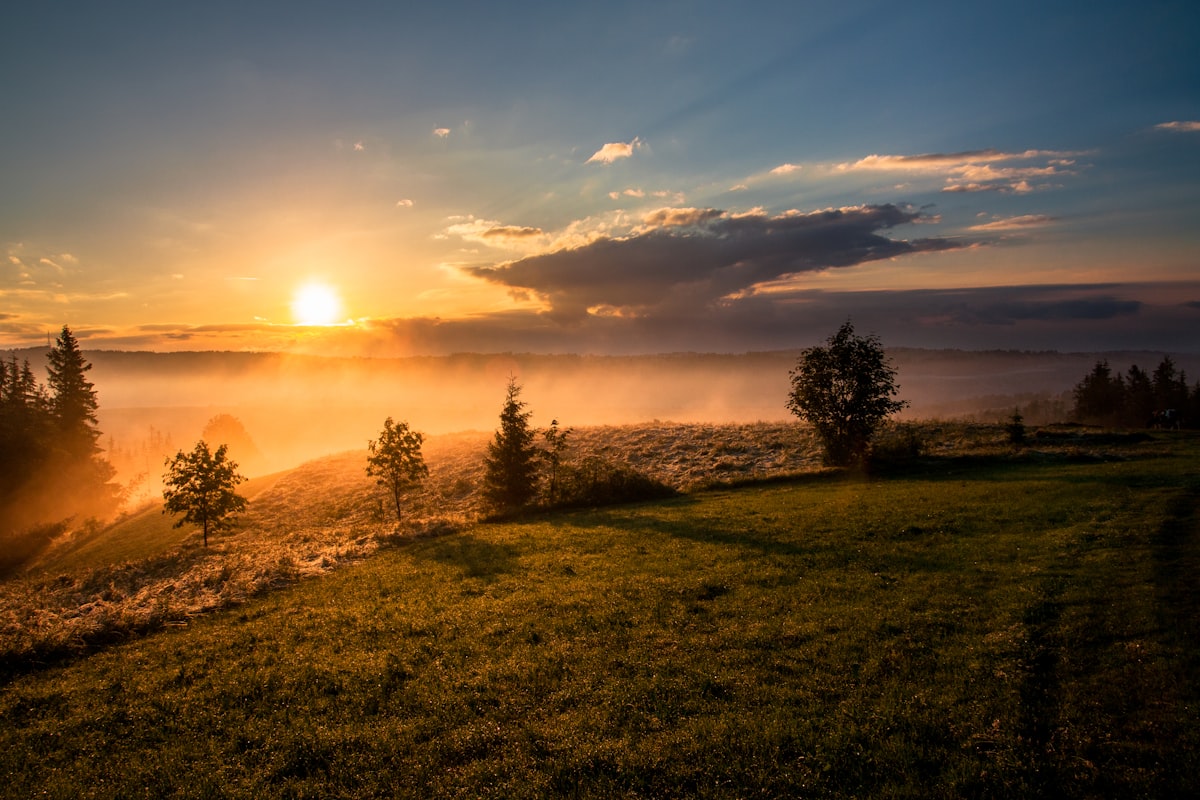
Why Landscape Photography Success Starts Before You Leave Home
I’ve learned something important over my years shooting landscapes: the best photos aren’t born from spontaneity alone. They come from deliberate preparation. If you’ve ever headed out with your camera only to feel disappointed with your results, I want to share why that happens—and more importantly, how to fix it.
The Planning Difference
Here’s what I’ve observed: photographers who take time to plan their shoots consistently produce stronger work than those who simply wander around hoping to stumble upon great light and composition. It’s not magic—it’s strategy.
When you approach landscape photography thoughtfully, you’re not just increasing your odds of success. You’re actually training your eye to see better, anticipate conditions, and position yourself in the right place at the right moment. This mindset shift alone transforms your results.
Building Your Essential Kit
Before you can execute your vision, you need the right tools. I recommend starting with these fundamentals:
- A sturdy tripod — This isn’t optional. Landscape work demands stability for sharp images, especially in low light.
- A quality wide-angle lens — Most landscape scenes benefit from broader perspective and greater depth of field.
- Neutral density and polarizing filters — These give you control over exposure and reflections in ways you simply can’t achieve through composition alone.
- A reliable camera bag — Protecting your gear matters when you’re hiking to remote locations.
- Extra batteries and memory cards — Running out of either during golden hour is a frustration I wouldn’t wish on anyone.
The Scouting Advantage
This is where planning truly pays dividends. Before shooting, I always scout my locations. This means visiting beforehand to study the terrain, understand how light falls across the landscape, and identify your strongest compositional angles.
You might discover that the “perfect” viewpoint requires hiking 30 minutes earlier than you expected. Or that afternoon light hits the mountains differently than you imagined. These insights only come from being there.
Moving Forward
Landscape photography rewards those who show up prepared. It’s not about having expensive gear or being naturally talented—it’s about respecting the process and putting in the groundwork.
In my next article, I’ll dive deeper into the technical skills that matter most once you’re actually on location. For now, focus on gathering your essentials and scouting your next shoot. Your future self will thank you when you’re capturing stunning images instead of crossing your fingers.