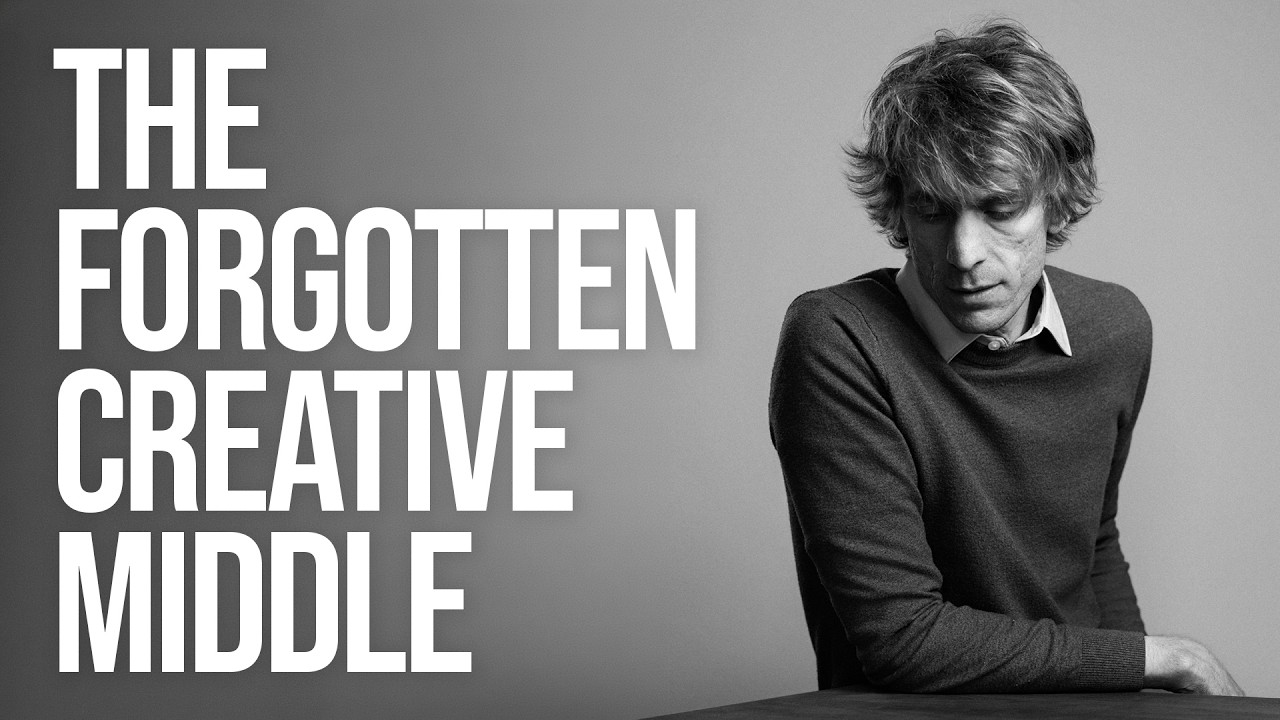
There’s a particular kind of guilt that hits when you look at your camera bag and feel nothing. I had that moment last spring during one of my Sunday morning photo walks. I had my Fuji, the light was actually decent for Seattle, and I just… didn’t want to. I went anyway, took a handful of mediocre frames, and came home wondering if I’d somehow broken something in myself. That feeling is more common than most photographers admit, and it’s not what you think it is.
In this Sean Tucker tutorial, Watch the full tutorial on YouTube, Sean names something the photography community rarely talks about openly: the middle years. It’s the phase after the initial rush of learning, when you’re technically competent but creatively deflated. His framing helped me understand that what I was experiencing wasn’t burnout or lost passion. It was something much more specific, and much more workable.
The video isn’t a gear review or a technique breakdown. It’s a reframe. And honestly, it’s one of the most useful things you can watch if you’ve been shooting for a few years and can’t figure out why the joy has quietly left the room.
Step 1: Recognize Which Stage You’re Actually In
 Photographer describing the competence plateau in voiceover
Sean breaks the creative journey into three rough stages: the beginner phase where everything is a discovery, the peak phase where you’re doing your best work, and the stage most people don’t talk about in between. He calls these the “middle years.” This is the phase where you’ve mastered the basics, your camera feels like an extension of your hand, and you can produce a technically solid photo almost on demand. The problem is, that’s exactly when the motivation dips.
Identifying which stage you’re in matters because the solution is different for each one. If you’re feeling flat and you’re a beginner, you probably just need more reps. But if you’ve been shooting for years and you’re flat, that’s the middle years talking. Knowing the difference keeps you from making the wrong diagnosis.
Step 2: Separate the Loss of Novelty from the Loss of Inspiration
 Sean Tucker speaking to camera about confusing novelty with inspiration
This is the core insight of the whole video, and it’s worth sitting with. Sean points out that early in our photography lives, every small discovery feels enormous. Understanding aperture, noticing how golden hour light wraps around a subject, learning to pre-visualize a shot and then find it in the world - each of those felt like unlocking a door. That sense of rapid discovery creates momentum and motivation almost automatically.
But those discoveries slow down as you grow. What was extraordinary becomes routine. And here’s the trap: we interpret that slowdown as a sign that photography no longer means anything to us. Sean argues that’s a mistake. The loss of novelty is not the same thing as the loss of meaning. Confusing the two is what sends photographers down a spiral of doubt that can end careers unnecessarily.
Step 3: Reframe the Relationship Using the Honeymoon Analogy
 Sean describing early relationship excitement as a metaphor
Sean uses a relationship analogy here that I think is genuinely useful. The first months of a new relationship are electric partly because everything is unknown. You’re constantly discovering who the other person is. But no one expects that phase to last forever, and we don’t interpret its ending as proof the relationship has failed. We understand it has to deepen into something more grounded.
Photography works the same way. The early thrill of discovery is real and valuable, but it was always going to be temporary. What comes after doesn’t have to be emptiness. It can be something quieter and more intentional - a mature relationship with the craft where you’re no longer chasing the high of learning something new, but instead doing something more deliberate with what you already know.
Step 4: Stop Waiting to Feel Inspired Before You Shoot
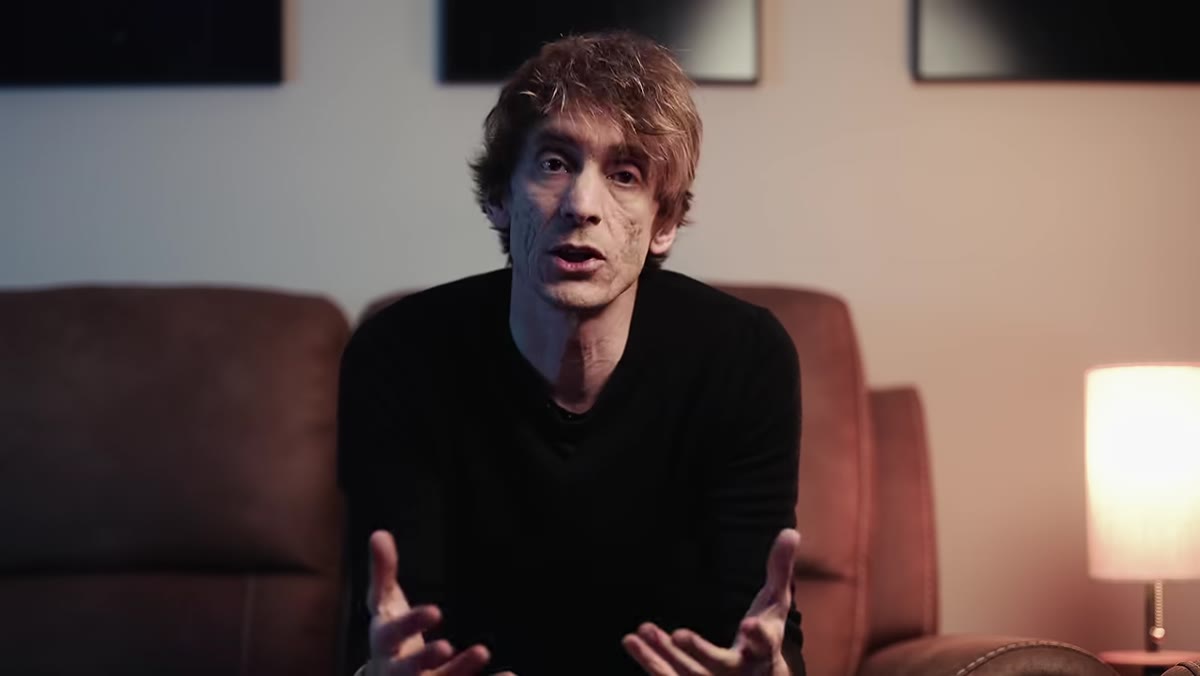 Sean describing the feeling of not wanting to pick up a camera
One of the more practical takeaways Sean builds toward is this: in the middle years, inspiration doesn’t arrive first and lead to work. That’s the beginner model, and it stops working once novelty wears off. In the middle years, you have to reverse the order. You show up, you make the work, and the inspiration follows if you let it.
This is not the same as grinding through creative misery. It’s more like treating your photography practice the way a writer treats a daily writing habit. You don’t wait until you have something brilliant to say. You sit down and write, and sometimes brilliance shows up, and sometimes it doesn’t, but either way you’ve kept the relationship alive. The camera on the shelf doesn’t do anything for you. The camera in your hand, even on a mediocre morning, keeps the thread intact.
Step 5: Understand That This Stage Is Part of Development, Not the End of It
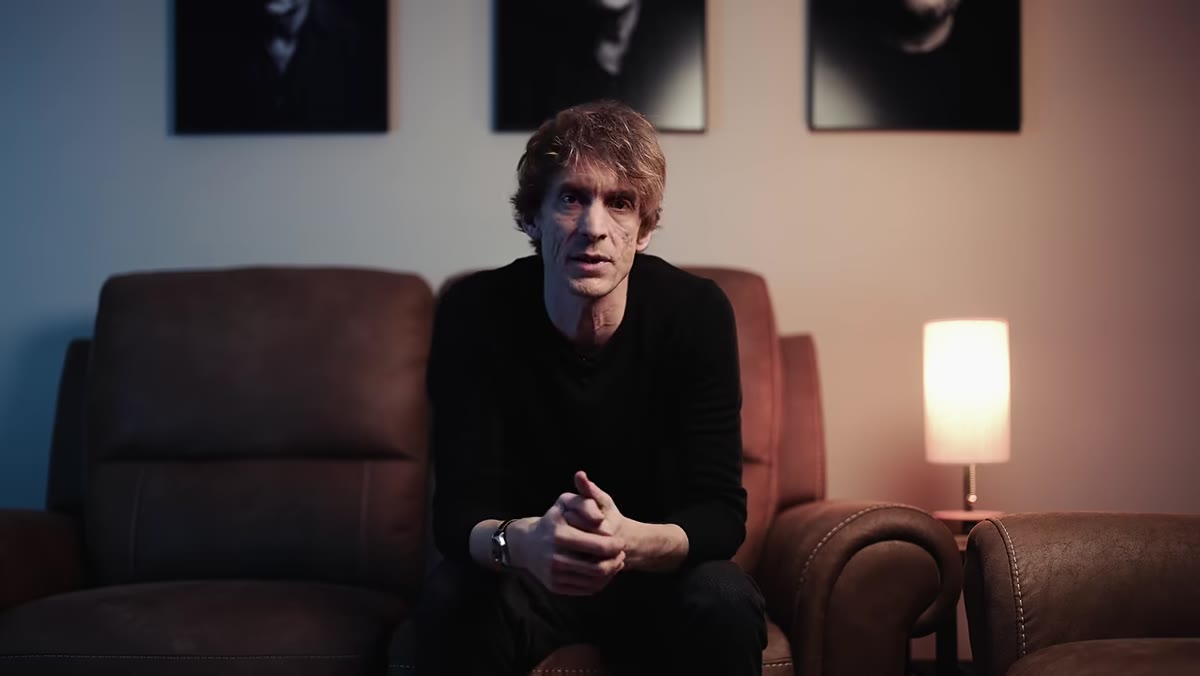 Sean framing the middle years as a developmental stage
Sean is deliberate about positioning the middle years not as a failure state but as a natural stage in long-term creative development. This matters practically because if you believe you’ve lost your passion, you might quit. But if you understand you’re in a transitional stage that most serious photographers pass through, you have a reason to stay.
The photographers who make it to that third stage - where they’re doing their most meaningful, most personal work - are largely the ones who didn’t mistake the middle years for the end. They stayed in the relationship with their craft even when it stopped being effortless. That’s the unsexy truth behind most long creative careers.
What I’d Add From My Own Experience
Sean’s framework is solid and I’d recommend it to anyone who’s been shooting for two or more years and feeling the flatness he describes. The one thing I’d add is a practical tool for getting through the low-motivation days: constraints.
When I’m in a low-inspiration stretch, I give myself a ridiculous limitation. Phone only. One focal length. Only shoot before 7am. Only use natural window light indoors. The constraint forces a kind of problem-solving that reactivates curiosity without requiring me to feel inspired first. Some of my most-shared work came from those sessions, including one photo I took on a $200 Android during a walk to the coffee shop that ended up being my most-liked Instagram post of the year. Constraints are a cheat code for manufacturing the discovery that the middle years have stopped delivering naturally.
The single most important takeaway from Sean’s video is this: the dip in motivation you feel as you grow isn’t a signal to quit. It’s a signal to change how you relate to your craft. The early rush was real, but it was always borrowed from novelty. What comes next has to come from somewhere deeper, and that’s actually where the most interesting photography lives.
Watch the full tutorial on YouTube - Sean covers a lot more than I could fit here, and his delivery makes the whole thing feel like a conversation rather than a lecture. Worth your 20 minutes.
Comments (1)
This is the kind of content that keeps me coming back.
Leave a Comment