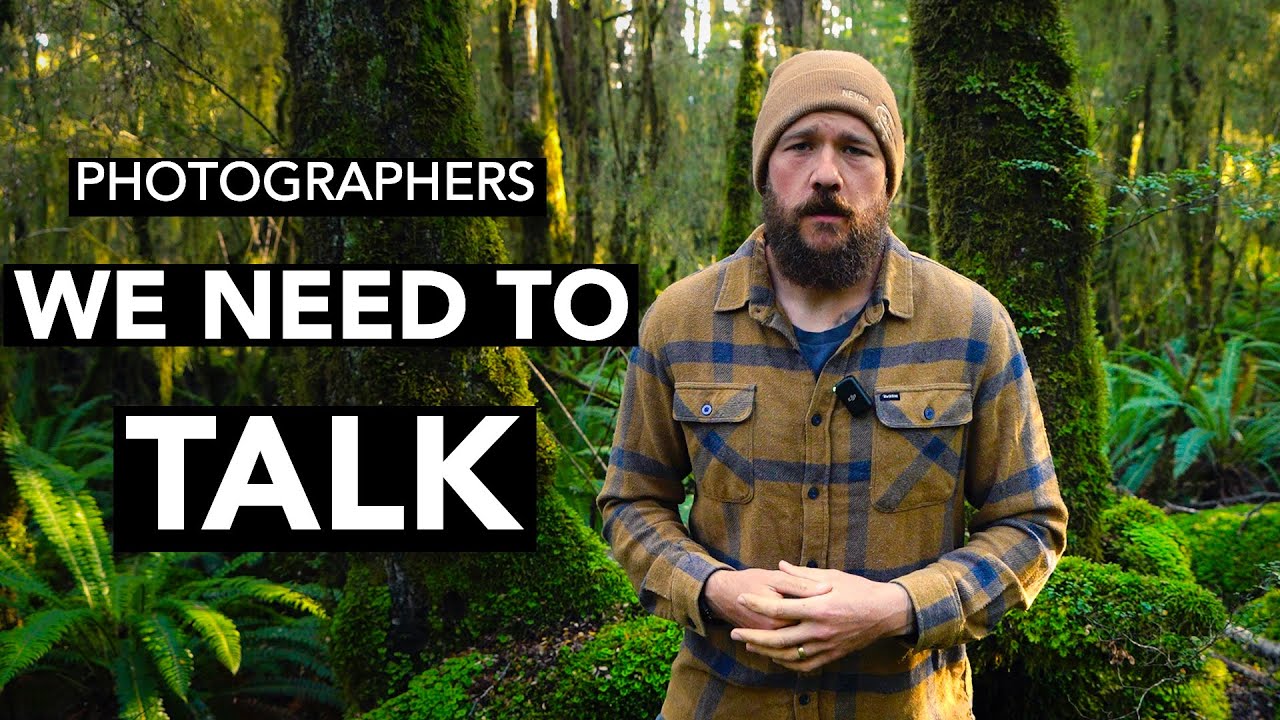
There’s a specific kind of frustration that sneaks up on you the longer you shoot. It’s not the beginner confusion of “which aperture do I use?” It’s quieter and harder to name. You know your camera. You know your editing software. You’ve got a style. And yet something feels stuck. I’ve hit that wall more than once, usually right before I start a new project, when the gap between what I want to make and what I’m actually making feels uncomfortably wide.
That’s why this William Patino tutorial stopped me mid-scroll. Watch the full tutorial on YouTube. Patino is a full-time landscape photographer based in New Zealand who has been living off his photography for close to a decade. He isn’t talking about gear or editing techniques here. He’s talking about the psychological patterns that shape how we work, and how the pressure we put on ourselves to constantly improve can quietly become the thing that holds us back. It’s the kind of honest, experience-earned perspective I wish someone had handed me when I was starting out.
Step 1: Recognize Where You Are on the Learning Curve
 Patino describing the beginner’s learning progression over time
The first thing Patino does is draw a clear picture of what the beginner phase actually looks like from the inside. When you’re new to photography, everything is a discovery. You learn ISO, then shutter speed, then aperture, and each piece clicks into place fast. That rapid progression feels incredible, and for good reason. You’re covering a lot of ground quickly because there’s so much ground to cover.
Patino describing the beginner’s learning progression over time
The first thing Patino does is draw a clear picture of what the beginner phase actually looks like from the inside. When you’re new to photography, everything is a discovery. You learn ISO, then shutter speed, then aperture, and each piece clicks into place fast. That rapid progression feels incredible, and for good reason. You’re covering a lot of ground quickly because there’s so much ground to cover.
The key insight here is that this fast-progress feeling is specific to early-stage learning. It’s not a permanent feature of the creative life. Understanding that your growth will look different at different stages means you stop interpreting the slower seasons as failure. If you’re a beginner, lean into every small lesson. If you’re more experienced, know that plateau feelings are normal and part of a longer arc.
Step 2: Name the Pressure You’re Putting on Yourself
 Patino speaking directly to camera about striving for the next thing
Patino is candid about something many photographers won’t say out loud. The constant drive to make better work, find better locations, and release stronger collections can tip from motivation into burden. He describes his own habit of releasing collections every few months and the expectation he places on himself to show clear improvement each time.
Patino speaking directly to camera about striving for the next thing
Patino is candid about something many photographers won’t say out loud. The constant drive to make better work, find better locations, and release stronger collections can tip from motivation into burden. He describes his own habit of releasing collections every few months and the expectation he places on himself to show clear improvement each time.
The practical exercise here is simple but uncomfortable. Write down what you’re currently pressuring yourself about in your photography. Is it posting frequency? Gear you don’t own yet? Shooting styles you feel like you “should” be doing? Getting it out of your head and onto paper separates the productive ambitions from the noise. You can’t manage pressure you haven’t identified.
Step 3: Separate Aspiration from Anxiety
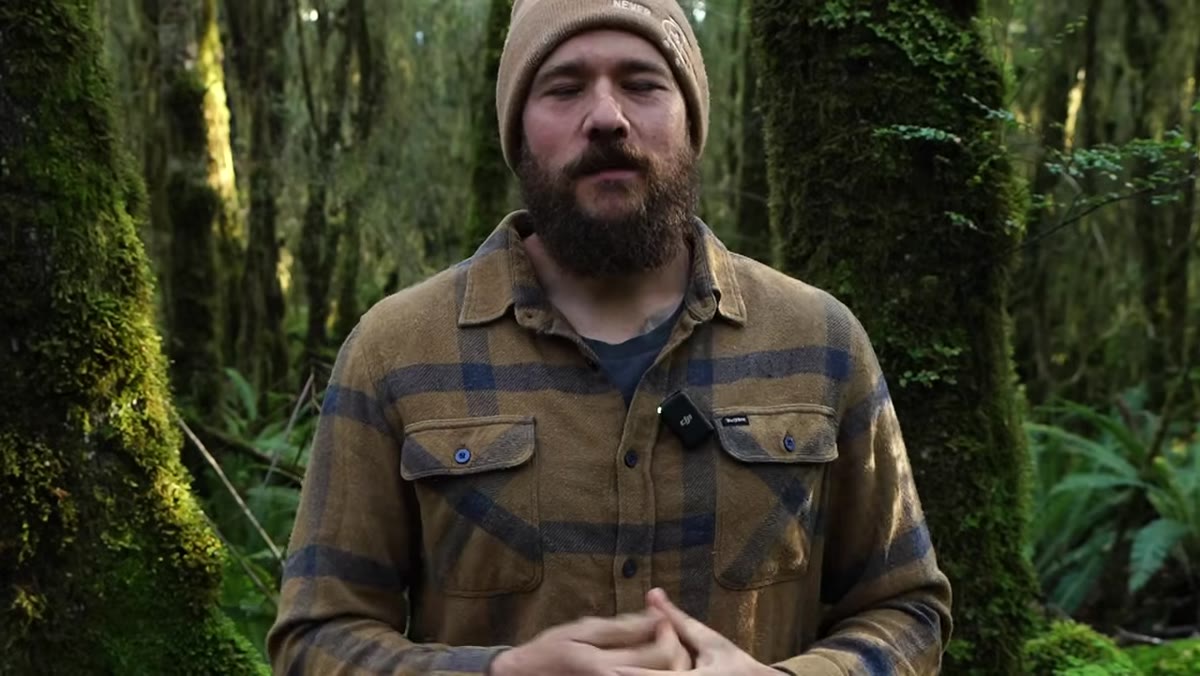 Patino discussing preconceived ideas and what we want to achieve
There’s a difference between having a clear creative goal and being consumed by a preconceived idea of what your work “should” look like. Patino talks about how we naturally project forward into what we want to accomplish, and that forward-thinking is healthy. The problem comes when the imagined result becomes so fixed that anything short of it feels like a loss.
Patino discussing preconceived ideas and what we want to achieve
There’s a difference between having a clear creative goal and being consumed by a preconceived idea of what your work “should” look like. Patino talks about how we naturally project forward into what we want to accomplish, and that forward-thinking is healthy. The problem comes when the imagined result becomes so fixed that anything short of it feels like a loss.
Practically speaking, try this before your next shoot. Set one specific creative intention, something like “I want to play with foreground elements” or “I’m going to focus on light rather than location.” Then commit to that intention without attaching an outcome to it. You’re giving yourself direction without giving yourself a verdict to fear.
Step 4: Use Your Release Rhythm as a Creative Tool
 Patino explaining his practice of releasing collections every three to six months
One of the more concrete habits Patino shares is his approach to releasing work in batches rather than as a constant stream. He shoots all year and compiles collections every three to six months. This isn’t just a workflow preference. It’s a buffer between the messy middle of making work and the polished version that goes public.
Patino explaining his practice of releasing collections every three to six months
One of the more concrete habits Patino shares is his approach to releasing work in batches rather than as a constant stream. He shoots all year and compiles collections every three to six months. This isn’t just a workflow preference. It’s a buffer between the messy middle of making work and the polished version that goes public.
If you’re someone who feels pressure to post constantly, consider adopting a version of this. Give yourself a designated window to create without publishing. Shoot for six weeks, then review. You’ll likely find that the work you make without the pressure of immediate feedback is more adventurous and more personal. Even if you do post regularly, keeping a private folder of experimental shots that aren’t meant for anyone else yet can give you that breathing room.
Step 5: Let New Places Drive New Energy
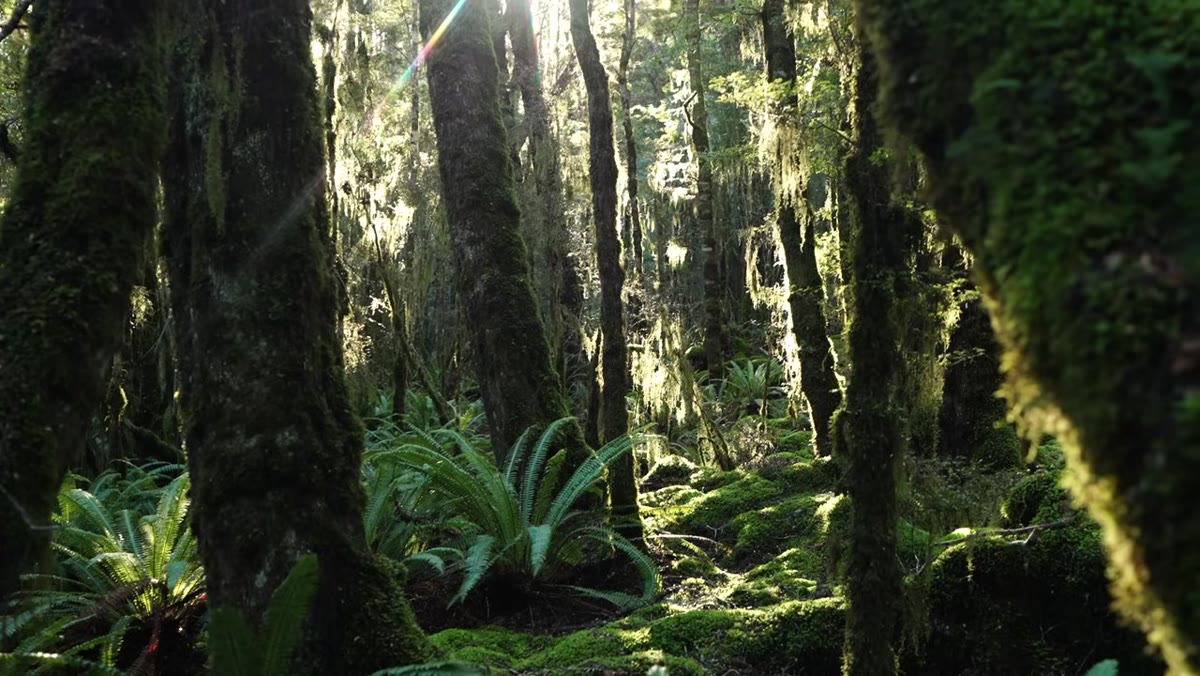
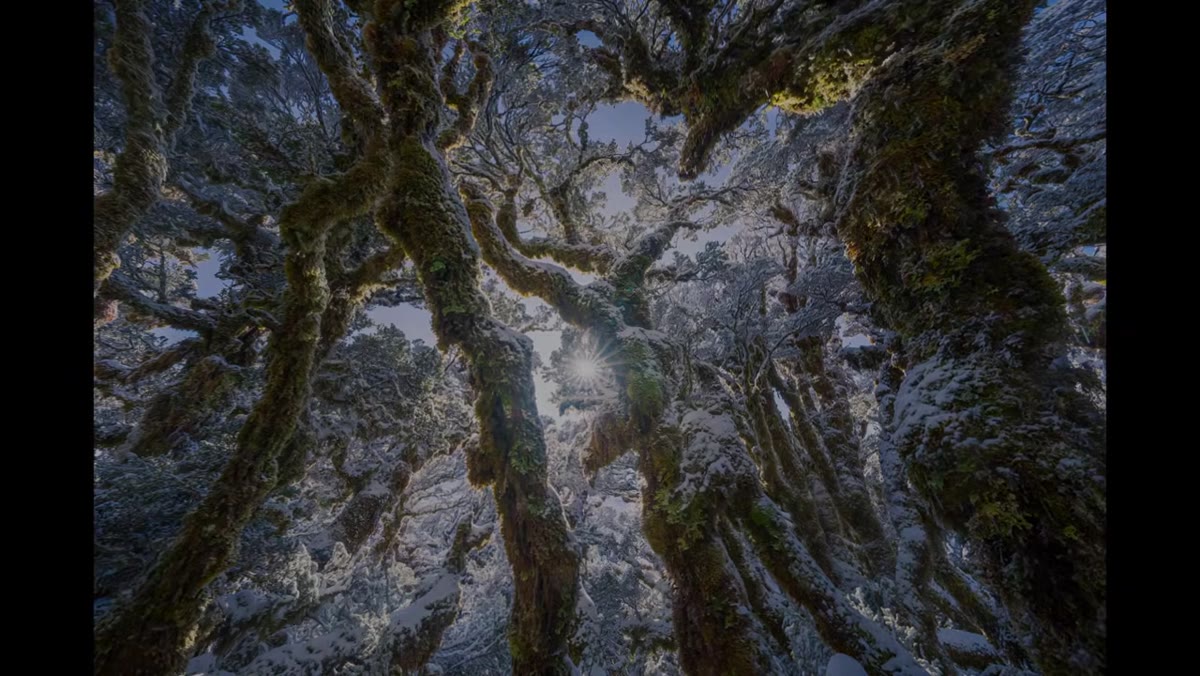 Patino describing going to new locations in southwest New Zealand
Patino talks about how actively seeking out new locations, even within his familiar region of southwest New Zealand, is his main strategy for pushing his work forward. It’s not about dramatic travel. It’s about physical novelty changing what you see and feel, which then changes what ends up in the frame.
Patino describing going to new locations in southwest New Zealand
Patino talks about how actively seeking out new locations, even within his familiar region of southwest New Zealand, is his main strategy for pushing his work forward. It’s not about dramatic travel. It’s about physical novelty changing what you see and feel, which then changes what ends up in the frame.
You don’t need a plane ticket for this. My Sunday photo walks often cover streets I’ve walked a hundred times, but changing the start time changes the light entirely, and the work looks nothing like what I’d make at noon. New environments reset your eye. If your photography has started to feel repetitive, the most direct fix is often as simple as going somewhere you haven’t pointed a camera before, even if it’s three blocks away.
Step 6: Measure Progress by Feeling, Not Just by Output
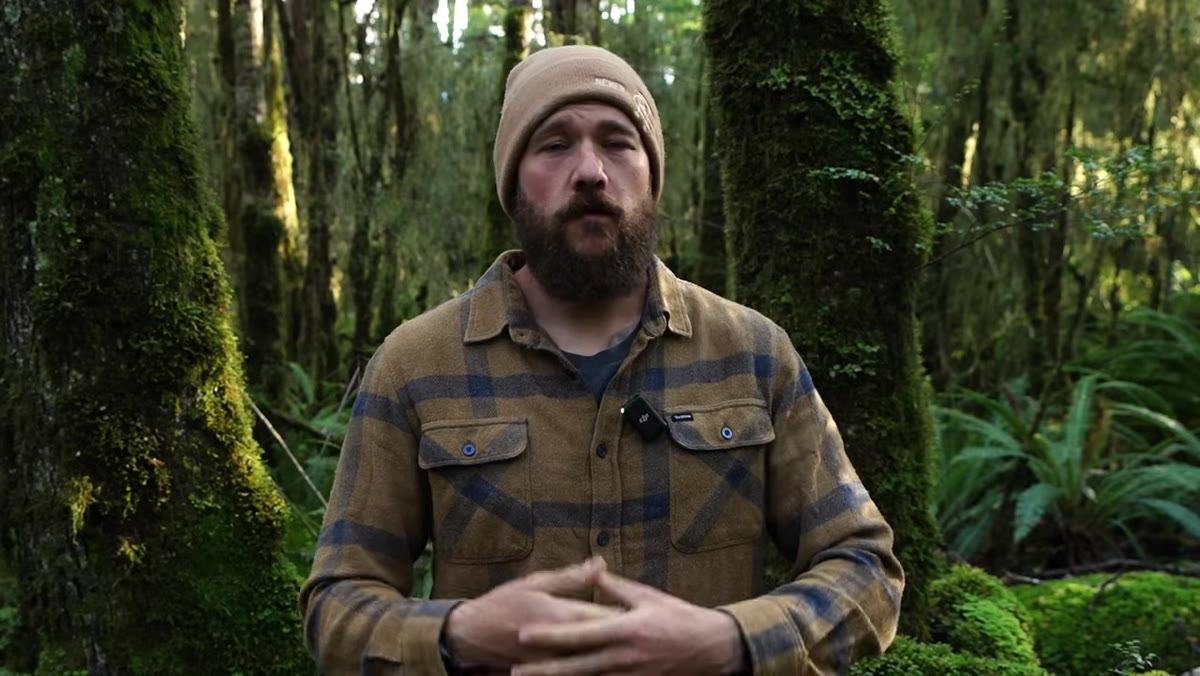 Patino reflecting on wanting to feel like he pushed himself with each collection
The metric Patino uses to evaluate his growth isn’t external validation or follower counts. It’s whether he feels like he pushed himself. When he looks back at a new collection, the question isn’t “did people like it?” but “did I stretch?”
Patino reflecting on wanting to feel like he pushed himself with each collection
The metric Patino uses to evaluate his growth isn’t external validation or follower counts. It’s whether he feels like he pushed himself. When he looks back at a new collection, the question isn’t “did people like it?” but “did I stretch?”
This is a shift worth making deliberately. After your next shoot, before you look at what anyone else thinks, ask yourself two questions: Did I try something I haven’t tried before? Did I make at least one image that surprised me? If yes to either, that shoot moved you forward regardless of how the photos perform online.
A Note From My Own Experience
The trap Patino describes, that pressure to constantly outdo yourself, is real at every level. I spent an entire vacation hunting one waterfall shot. I missed dinners. I got the shot. And I look at it now and honestly prefer some of the casual frames I grabbed on the walk in, the ones where I wasn’t trying so hard.
Effort matters, but grip matters too. Sometimes the best images come from the moments between the planned ones, when you’re relaxed enough to actually see what’s in front of you. I’ve started treating every session as having two phases: the intentional work, and the five minutes after when I’m putting my camera away and often end up with something I actually love.
The single most important takeaway from Patino’s advice is this: the overwhelm you feel when trying to grow isn’t a sign that something is wrong. It’s a sign that you care, and that you’re paying attention. The goal isn’t to eliminate that tension but to work with it rather than against it.
Watch the full tutorial on YouTube and hear Patino walk through it in his own words. It’s one of those videos worth returning to whenever the work starts feeling heavy again.
Comments
Leave a Comment