What the Japan Earthquake Means for Camera Sensor Production and Your Gear
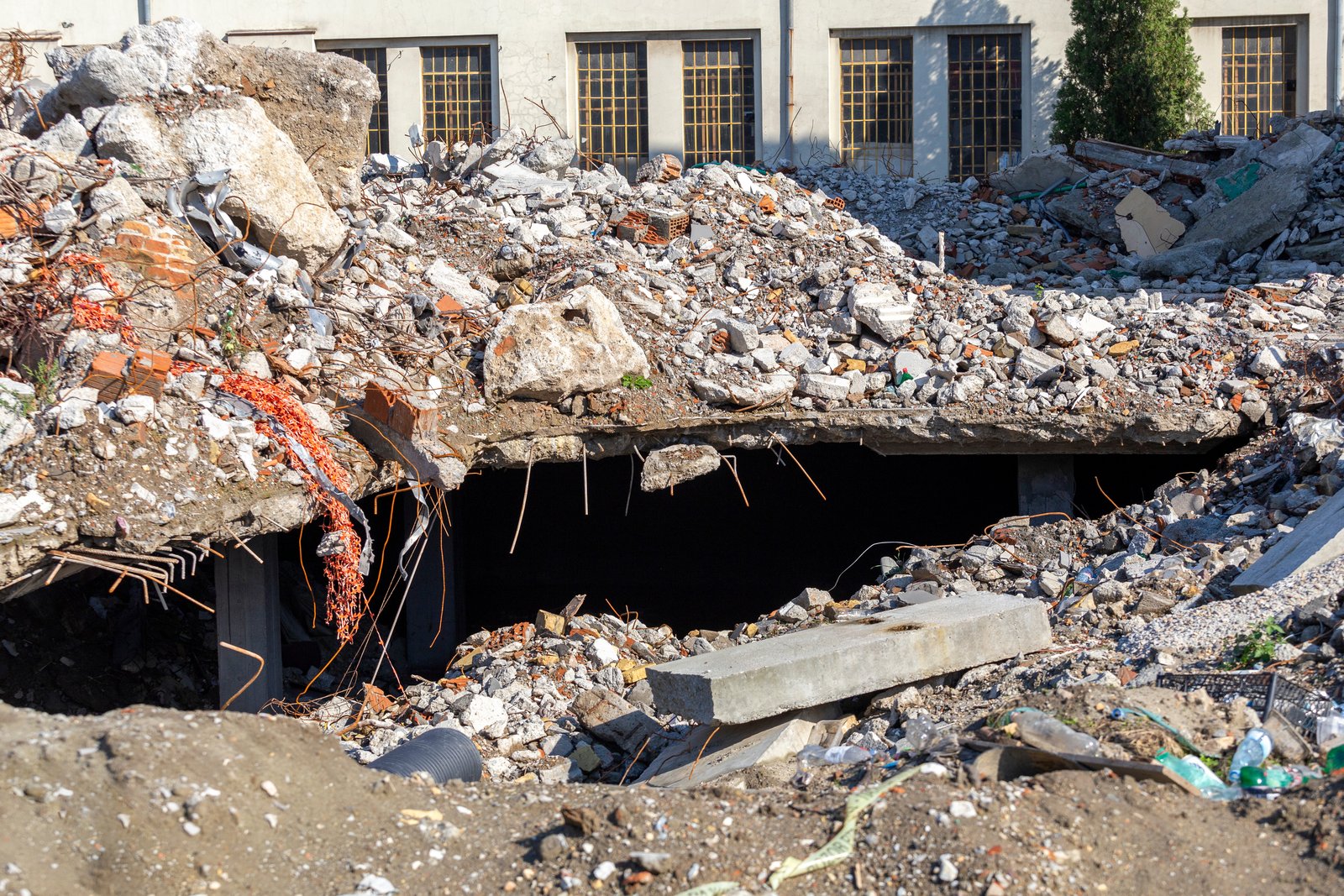
On July 28th, a powerful 7.1-magnitude earthquake struck southern Japan, affecting some of the world’s most critical camera sensor manufacturing facilities. As someone who follows the photography industry closely, I found this event particularly noteworthy because it directly impacts the equipment we use behind the lens every day.
The Impact on Sensor Production
Three major manufacturers—Sony, Fujifilm, and TSMC—were forced to evacuate their facilities in the Kumamoto region. Sony’s situation caught my attention most significantly, as they operate the largest sensor production plant in that area. Following the earthquake, Sony announced that production had halted while engineers thoroughly inspected the facility for structural damage.
For those new to understanding how cameras work, sensor manufacturing is absolutely foundational. These tiny chips are the digital equivalent of film—they capture light and convert it into the images we see. When production stops at major facilities, the ripple effects eventually reach photographers worldwide.
Why This Matters to You
I want to help you understand the bigger picture here. Here’s why this earthquake is relevant to photographers:
- Supply chain delays - Sensor shortages can lead to longer wait times for new camera bodies and increased prices
- Model availability - Popular cameras may become harder to find as manufacturers work through production challenges
- Used market impact - Equipment values may shift as availability fluctuates
- Technology timelines - New camera releases could face delays
Looking Forward
While this situation is certainly concerning for the industry, I want to offer some perspective. These manufacturing facilities are built with earthquake resilience in mind, and preliminary reports suggest damage assessment would determine next steps relatively quickly.
If you’re considering a camera purchase, this might be worth keeping in mind. Supply chains can take weeks or months to normalize after disruptions like these. Rather than panicking, I’d recommend assessing what equipment you currently have and whether upgrades are truly necessary right now.
The Takeaway
Understanding how your camera gets manufactured helps you appreciate the technology you hold. While we wait for updates on production resumption, focus on mastering the gear you already own. The best camera is the one you have with you, and earthquake-related supply delays are a perfect reminder to practice your craft with what you’ve got.
Stay tuned for more updates as the situation develops.
Comments (4)
Been doing this wrong for years apparently. Thanks for the wake-up call.
Bookmarked. Coming back to this one for sure.
My workflow just got 10x faster. Not even kidding.
Excellent tutorial. I'd add that from a gear standpoint, this technique is incredibly versatile.
Leave a Comment