A stranger once tapped me on the shoulder at a coffee shop in Capitol Hill and asked, “How did you get that shot?” I’d just posted a photo from my Sunday morning walk, taken on my phone, and somehow it had reached people I’d never met. That question is what made me start teaching. What I realized then, and what gets reinforced every time I revisit a tutorial like this one, is that the photographers who make truly resonant images aren’t necessarily the ones with the most expensive kit. They’re the ones who have trained themselves to see.
Watch the full tutorial on YouTube
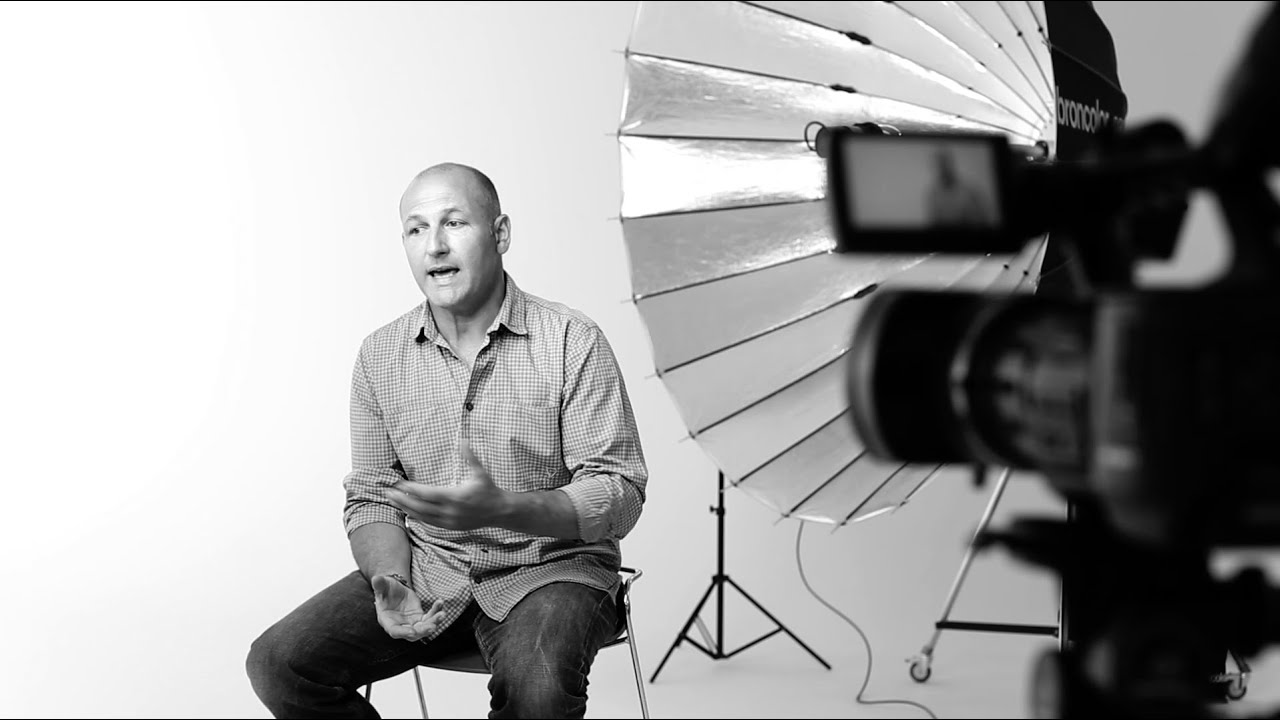
In this Visual Education tutorial, Karl Taylor walks through his personal philosophy of photography, built over decades of work spanning photojournalism, advertising, and product photography. This isn’t a how-to on camera settings. It’s something more useful: a framework for how to think like a photographer. I’ve watched a lot of tutorials, and what sets this one apart is how grounded it is in the actual daily habits of a working professional. Here’s what I took away, broken into the steps Karl outlines, and what each one means in practice.
Step 1: Start With Observation, Not Equipment
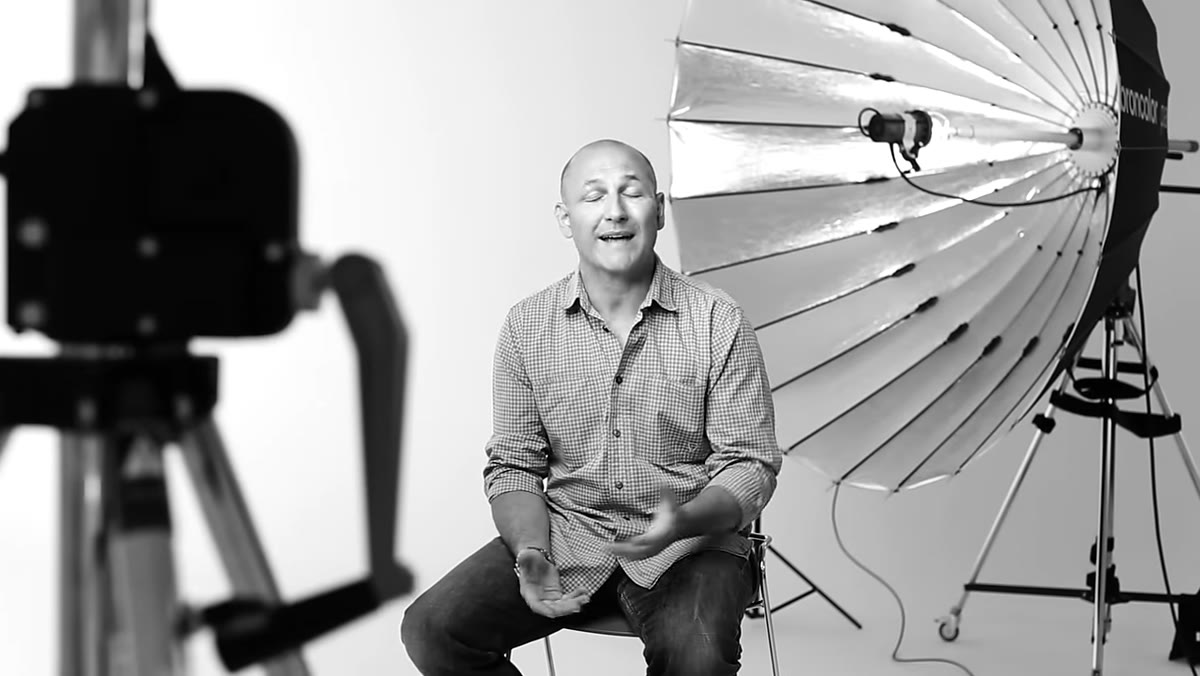 Karl Taylor discussing his early drawing and painting background
Karl traces his photographic instincts all the way back to drawing and painting, long before he ever picked up an SLR at 17. The habit he built as an artist, paying acute attention to fine detail, is the same habit that eventually shaped his eye behind the lens. If you’re waiting to develop your photographic vision until you have better gear, you’re waiting for the wrong thing.
Start a daily observation practice. It doesn’t need to involve a camera at all. On my Sunday photo walks, I spend the first ten minutes just looking before I shoot anything. Notice how light falls differently on a glass versus a wooden surface. Notice what draws your eye in a room and ask yourself why. That discipline of looking is the foundation everything else gets built on.
Step 2: Let Passion Drive the Career Decision, Not the Other Way Around
 Karl describing his transition from passion to professional photography career
Karl is deliberate about the order here: photography was a passion first, a career second. He worked in darkrooms, assisted other photographers, and freelanced as a photojournalist, all before the craft became sustainable income. That sequence matters because it means his creative instincts were formed before commercial pressure entered the picture.
If you’re thinking about turning photography into a career, protect your personal work. Keep a folder of images you shoot just for yourself, with no brief, no client, no follower count in mind. That body of work is where your real voice develops. The commercial work will sharpen your technical skills, but your personal work is where you stay honest with yourself as a photographer.
Step 3: Treat Light as an Emotional Language, Not a Technical Variable
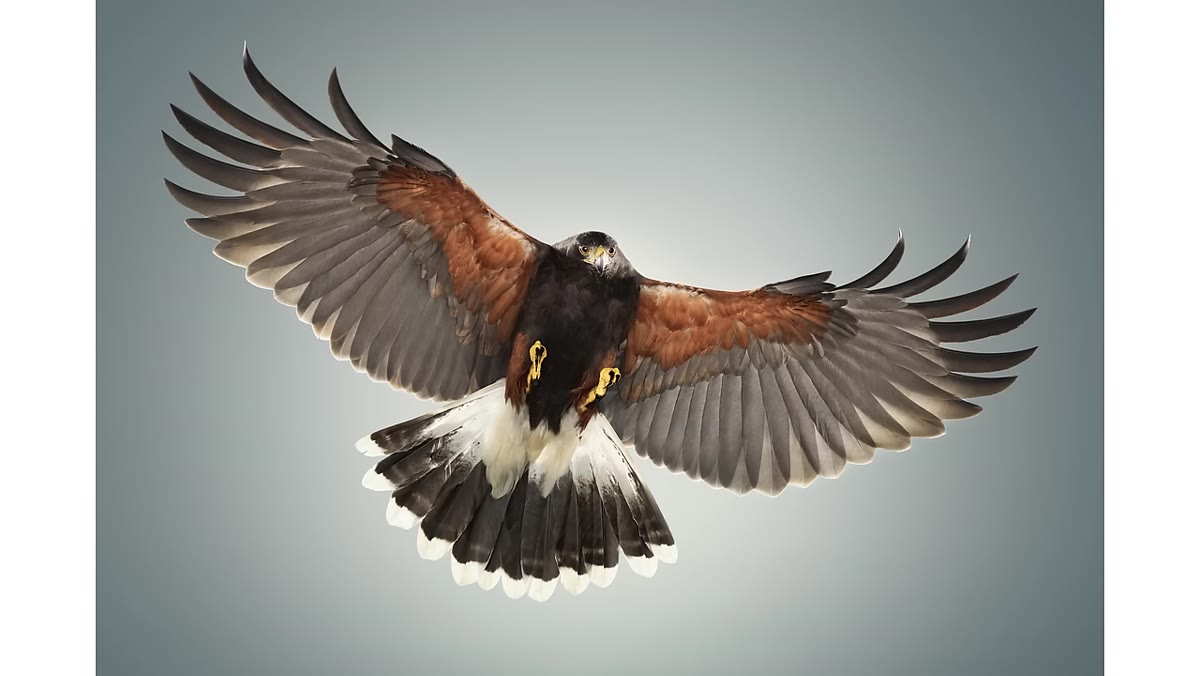 Karl explaining how light invokes emotion in the viewer
This is the step where Karl really shifts the conversation. He describes light not as something to measure or manage, but as the primary force that puts both you and your viewer into a particular emotional state. Everything visible exists in some relationship to light, and that relationship is constantly shifting your mood, whether you’re conscious of it or not.
The practical takeaway is this: before you adjust a single setting, ask yourself what emotion the existing light is already creating. Warm, raking afternoon light through a window creates a completely different feeling than flat midday sun. When you’re shooting portraits, product work, or even street photography, make the emotional read of the light your first decision, not an afterthought. What does this light make you feel? Then work backward to decide whether to use it, modify it, or change it entirely.
Step 4: Analyze Light Constantly, Even When You’re Not Shooting
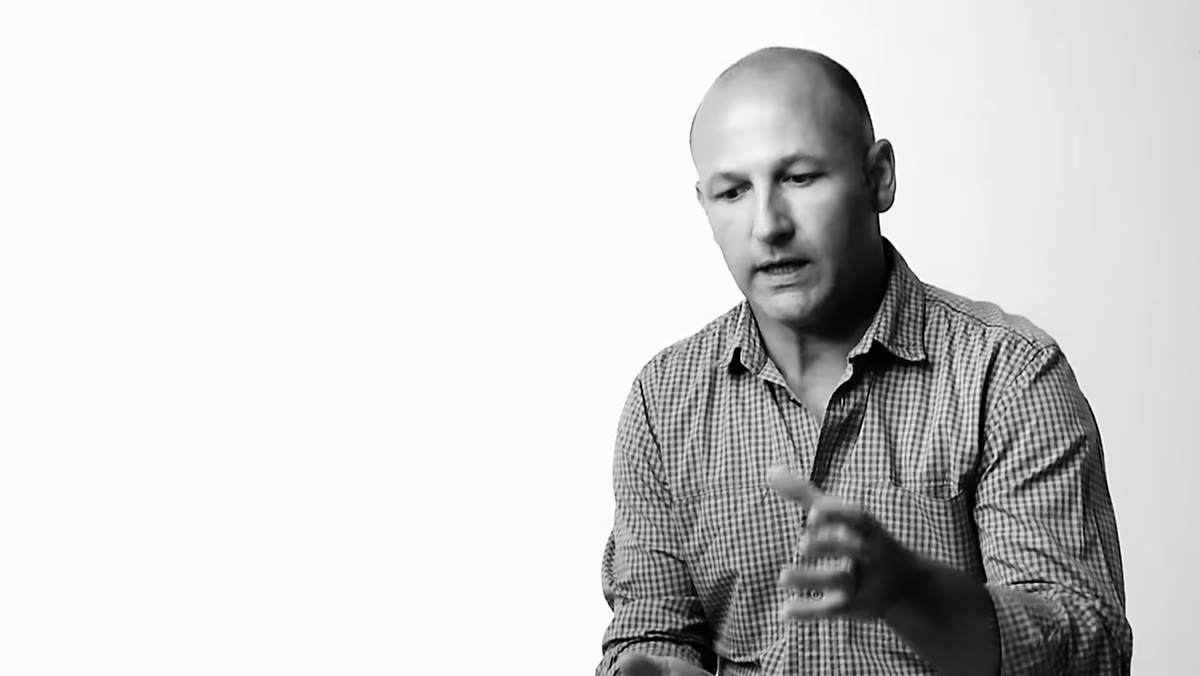 Karl describing studying light refraction through a glass in a cafe
Karl mentions sitting in a cafe, watching how light refracts through a glass of water onto the table. His wife notices he’s studying objects from odd angles. His kids are growing up fascinated by sunsets and light play. This isn’t a quirk. It’s a deliberate practice of keeping his visual curiosity active between shoots.
Build this into your everyday routine. I keep notes in my phone of lighting conditions I want to recreate, windows in restaurants that have good diffused light, underpasses where the shadow fall is interesting, parking garages where the fluorescent overhead creates a particular color cast. When you start cataloging light in your daily life, you show up to a shoot with a much richer visual vocabulary to draw from.
Step 5: Sketch Your Ideas Before You Shoot Them
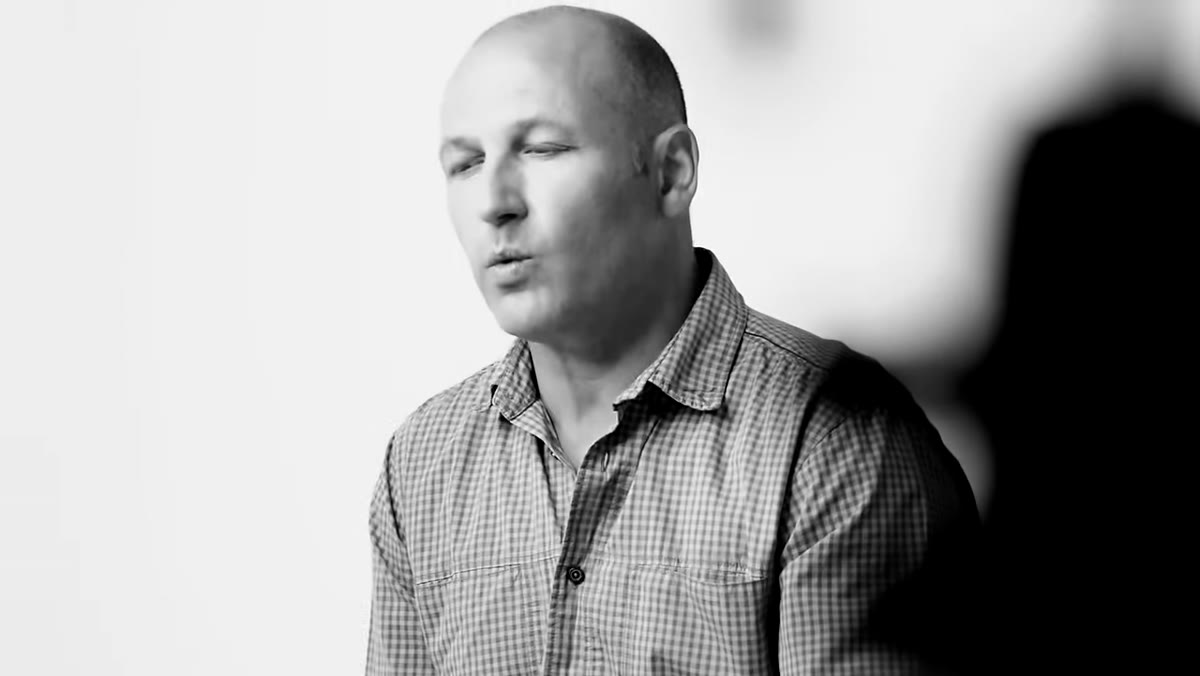 Karl describing his habit of sketching image ideas before recreating them
When an idea comes to him, Karl sketches it down and returns to it later. This is a habit I’d guess a lot of photographers skip because we assume the camera is fast enough to catch whatever we’re thinking in the moment. But there’s something that happens when you put a visual concept on paper first. You’re forced to commit to the light direction, the composition, the mood, all before you’ve taken a single frame.
You don’t need to be a skilled illustrator for this to work. A rough thumbnail with arrows for light direction and a basic shape for the subject is enough. The act of drawing it makes the idea concrete and helps you identify what you actually need to execute it. Next time you have an image idea, spend two minutes sketching it before you reach for your camera or your phone.
Step 6: Balance Instinct With Intentional Planning
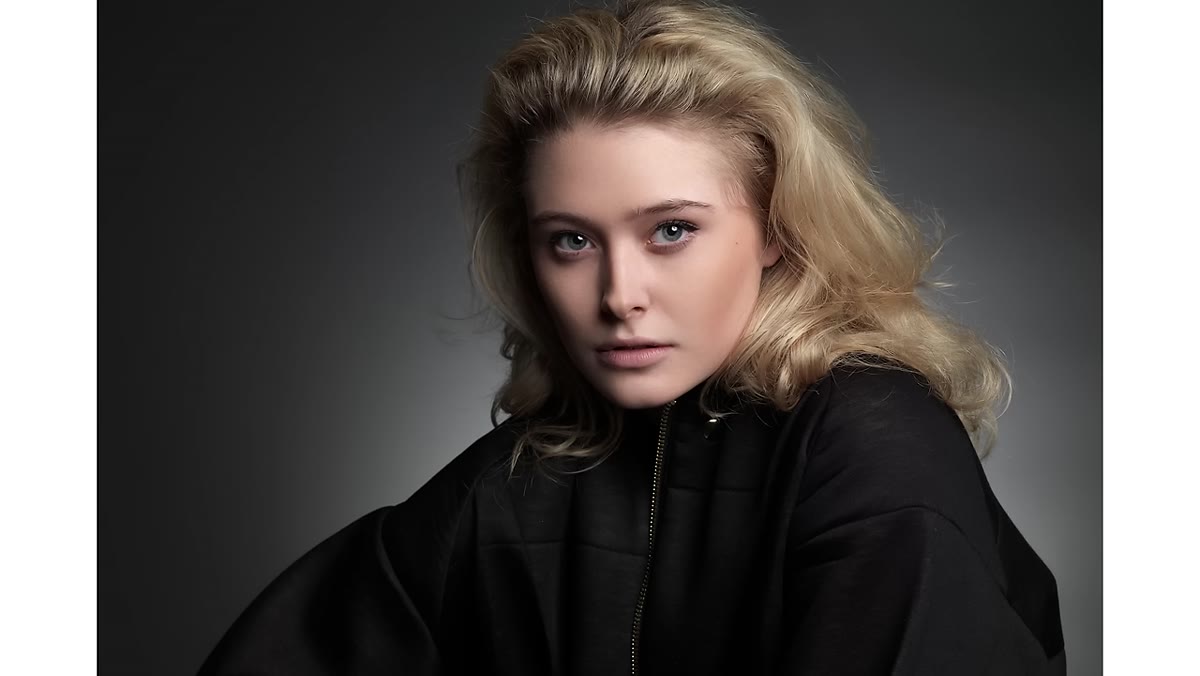 Karl describing the balance between instinctive and planned photographic process
Karl describes his picture-making as sometimes instinctive and sometimes meticulous, but always grounded in feeling. These aren’t opposites. They’re two modes of working that good photographers move between depending on the situation. A fast-moving street scene calls for instinctive reaction. A product shoot with controlled studio lighting calls for careful planning. The skill is knowing which mode a given situation requires.
The danger for beginners is defaulting to only one. If you only shoot instinctively, you’ll miss the gains that come from slowing down and working through a problem. If you only plan meticulously, you’ll freeze when a spontaneous moment appears. Practice both. Set up a still life and plan every element deliberately. Then go outside and shoot handheld for thirty minutes without stopping to review your frames.
What I’d Add: The Freeze-Frame Habit
The part of this tutorial that stayed with me most is Karl’s description of the moment. It’s there, then it’s gone, but you can keep it visually. I’d extend that into something I call the freeze-frame habit. Any time I notice a light condition or a scene that moves me, even if I don’t have a camera, I pause for three seconds and just look. I try to memorize it the way you’d memorize a face. This trains your brain to hold images, which makes you faster and more decisive when you do have a camera in hand.
It also means you stop chasing and start arriving. The photographers who consistently make strong images aren’t lucky. They’re the ones who’ve trained their attention so thoroughly that good moments don’t slip past them unnoticed.
The single most important thing Karl Taylor communicates here is that photography is an emotional practice first, a technical one second. The gear, the settings, the lighting ratios - those are tools in service of a feeling you’re trying to create or preserve. If you don’t have that feeling as your starting point, the technical decisions have no direction.
Watch the full tutorial on YouTube and pay particular attention to how Karl talks about light. Not what it does, but what it makes you feel. That reframe alone is worth the watch time.
Comments
Leave a Comment