What Iconic Photographs Teach Us About Camera Gear and Technique
When we think about the most memorable photographs in history, we often imagine they were created with cutting-edge technology and expensive equipment. But here’s what I’ve discovered through researching how master photographers actually worked: some of the world’s most recognizable images came from surprisingly modest gear.
The Gear Doesn’t Define the Shot
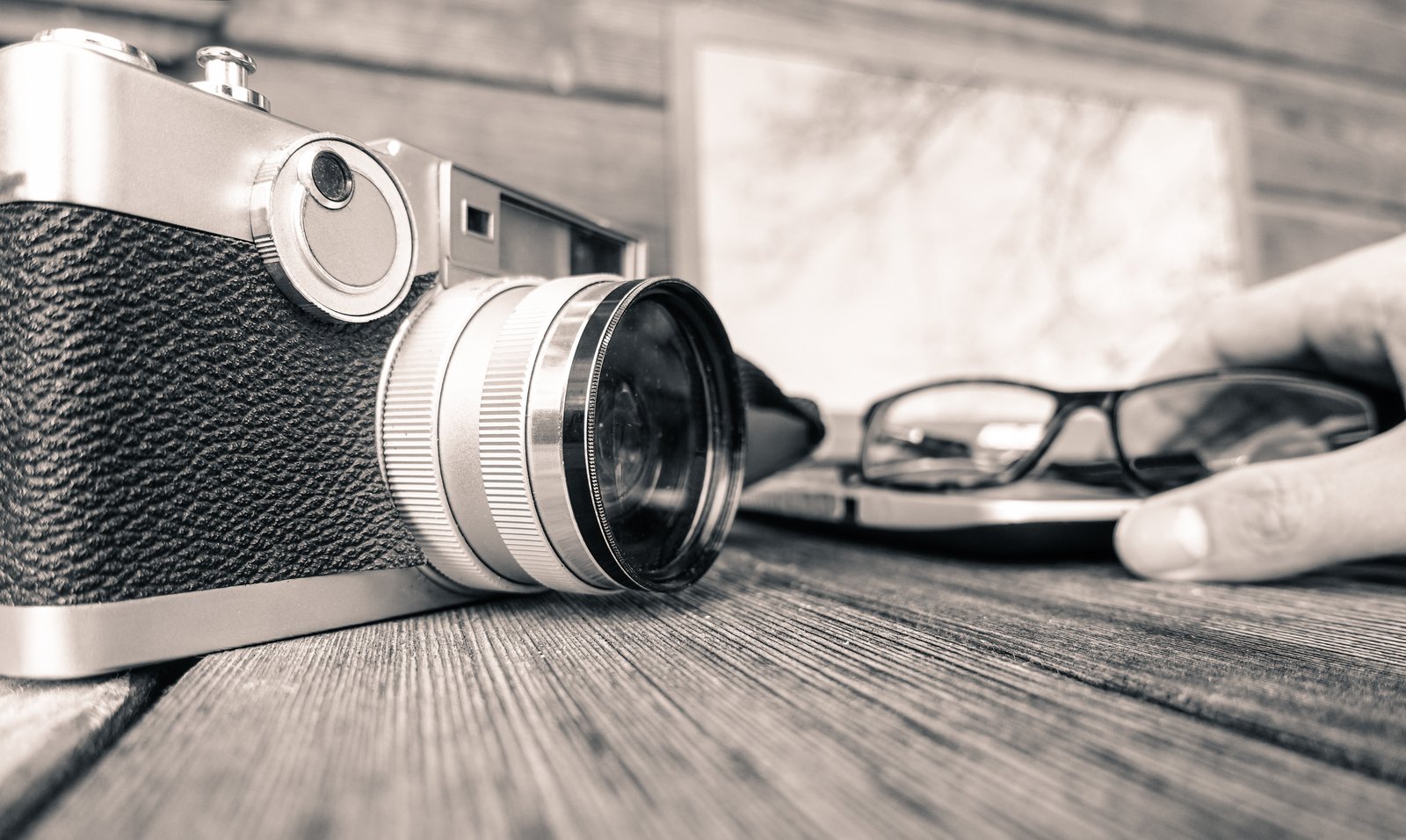
One particular example really stands out to me. In 1984, a photographer captured what would become one of the most celebrated images in photojournalism history. The setup? A manual film camera, a single prime lens, and color film. No autofocus. No motor drive. Just mechanical precision and artistic vision.
This tells us something important: the camera body is only part of the equation. I think many photographers—especially those starting out—get caught up in the gear chase. We tell ourselves that upgrading to the latest model will improve our work. But the reality is far more nuanced.
Key Lessons from Photography’s Greatest Moments
Looking at how iconic images were actually created reveals several consistent patterns:
-
Prime lenses dominated — Photographers relied on fixed focal lengths rather than the flexibility of zoom lenses. This forced intentional composition.
-
Mastery of manual settings was essential — Understanding exposure, aperture, and shutter speed wasn’t optional; it was fundamental.
-
Consistency mattered more than variety — Using the same camera and lens repeatedly allowed photographers to develop an intuitive understanding of their tools.
-
Subject and timing trumped technology — The decisive moment and human connection were what truly mattered.
What This Means for Your Photography
I think there’s real encouragement here for anyone feeling pressured to buy expensive gear. Your current equipment—whether it’s a DSLR from ten years ago or a modern mirrorless camera—is likely sufficient for creating powerful work.
Instead of chasing the newest technology, I’d encourage you to:
- Spend more time with your current gear until you know it intimately
- Practice with prime lenses to strengthen your compositional skills
- Focus on light, subject, and moment rather than technical specifications
- Study how great photographers approached their craft and apply those principles to your own work
The most valuable investment you can make isn’t in your camera bag—it’s in developing your eye and understanding your tools deeply. Every master photographer in history proved this through their work. Your best photographs are waiting to be made with the equipment you already have.
Comments
Leave a Comment