There’s a specific kind of frustration that hits when you’ve been posting consistently for months and your follower count barely moves. I’ve been there. I remember refreshing my Instagram insights after a trip to Olympic National Park, convinced that my best waterfall series would finally break through, and watching it flatline by Tuesday. What was I doing wrong? More often than not, the answer wasn’t the photos themselves. It was everything around them.
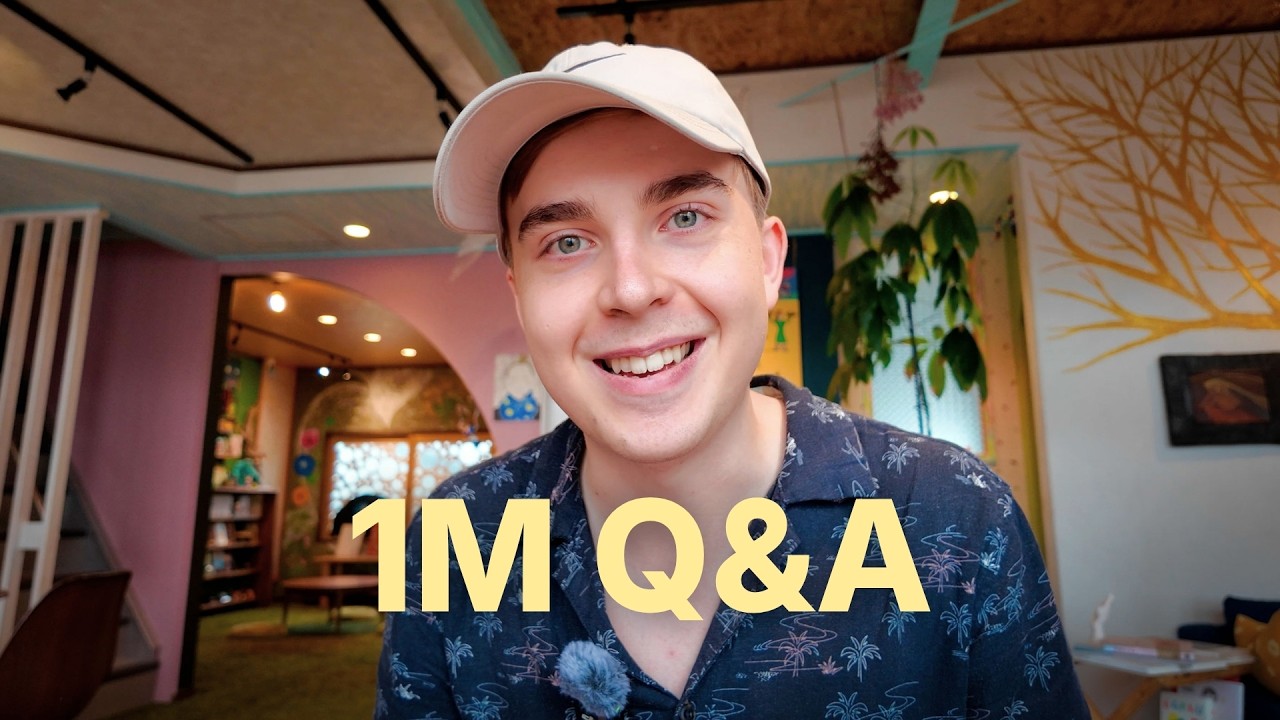
That’s why I found Hugo Korhonen’s Q&A so refreshing. In this Hugo Korhonen tutorial, recorded to celebrate hitting one million Instagram followers, Hugo answers real questions from his audience about photography craft, social media strategy, and the mindset that actually gets you to where you want to go. Hugo is a Finnish nature photographer whose work is genuinely stunning, but what makes this video worth your time is that he’s honest in a way that most photography educators aren’t. He talks about what he stopped doing. He talks about expectations. And he talks about the kind of slow, unglamorous consistency that most people skip over in favor of looking for a shortcut.
I watched it twice and took notes. Here’s what I pulled out, step by step.
Step 1: Post Volume First, Perfection Second
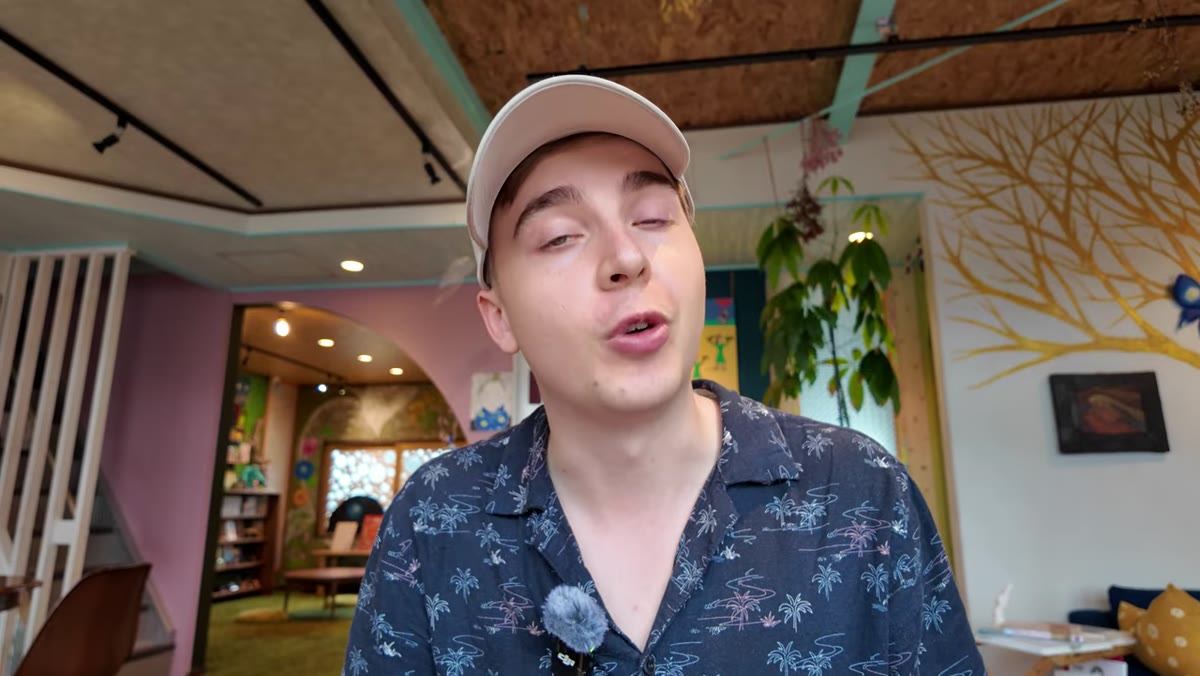 Hugo answering the first Instagram growth question
Hugo’s first piece of advice for growing on Instagram is to post a lot, and to treat that volume as a data-gathering exercise. The goal isn’t to go viral with one perfect image. The goal is to understand what actually resonates with your specific audience. Every post is a small experiment, and you need enough of them to see any patterns at all. If you’re posting twice a month, you don’t have data. You have guesses.
Hugo answering the first Instagram growth question
Hugo’s first piece of advice for growing on Instagram is to post a lot, and to treat that volume as a data-gathering exercise. The goal isn’t to go viral with one perfect image. The goal is to understand what actually resonates with your specific audience. Every post is a small experiment, and you need enough of them to see any patterns at all. If you’re posting twice a month, you don’t have data. You have guesses.
This doesn’t mean posting low-quality work. It means accepting that not every post will perform well, and posting anyway. Hugo is clear that he goes in with low or nonexistent expectations on any given post. That mindset is what makes volume sustainable.
Step 2: Test Different Content Formats and Watch What Sticks
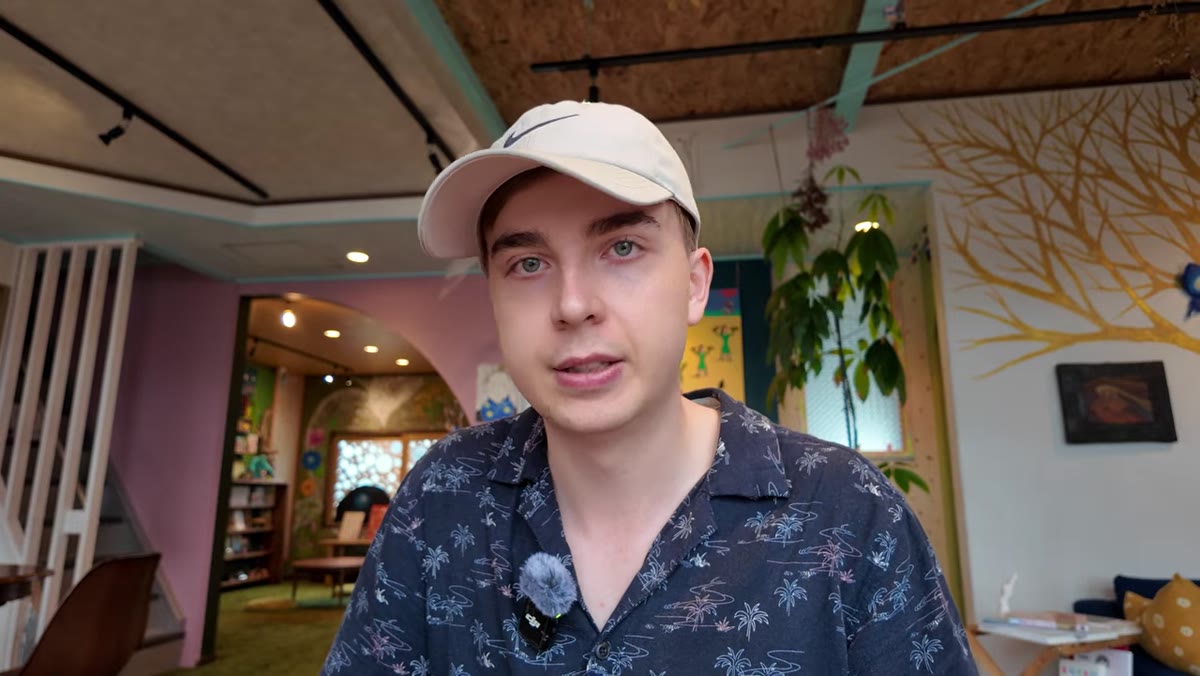 Hugo discussing carousel posts versus single images
One of the more specific things Hugo shares is his move away from single-image posts entirely. He found that carousels consistently outperform standalone photos for his account, so that’s what he does now. He’s not running reels at all, because after tracking his results, reels took too much time for too little return. He made a data-driven decision and cut the format that wasn’t working.
Hugo discussing carousel posts versus single images
One of the more specific things Hugo shares is his move away from single-image posts entirely. He found that carousels consistently outperform standalone photos for his account, so that’s what he does now. He’s not running reels at all, because after tracking his results, reels took too much time for too little return. He made a data-driven decision and cut the format that wasn’t working.
The practical takeaway here is to try different formats intentionally, not randomly. Post a carousel one week, a single image the next, experiment with a reel if you have the bandwidth. Then look at your reach and saves and shares after two to four weeks of each. Let the numbers tell you where to put your energy, not your assumptions about what the algorithm supposedly rewards.
Step 3: Repost Your Best Work Without Apology
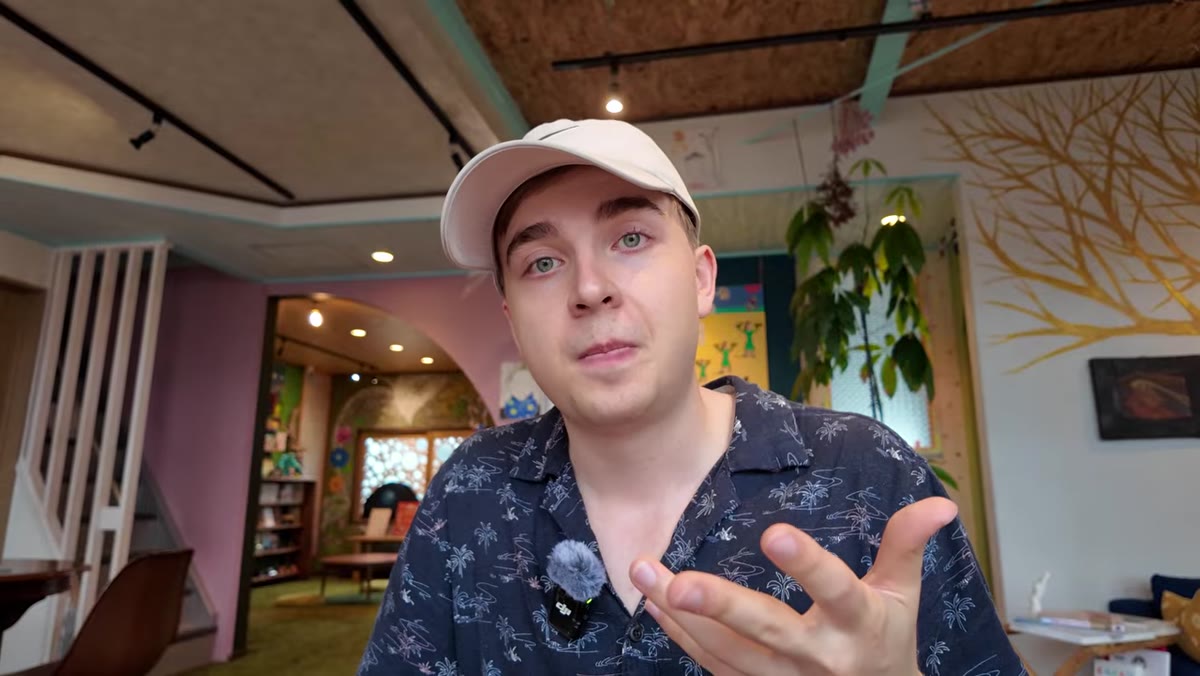 Hugo explaining why he reposts his strongest photos
This one surprised me the first time I heard it, but it makes complete sense. Hugo actively reposts his strongest images. He admits feeling like it’s boring or repetitive to share the same photo again, but he pushes past that feeling because the reality is that most of your followers didn’t see it the first time, and even those who did often want to see it again.
Hugo explaining why he reposts his strongest photos
This one surprised me the first time I heard it, but it makes complete sense. Hugo actively reposts his strongest images. He admits feeling like it’s boring or repetitive to share the same photo again, but he pushes past that feeling because the reality is that most of your followers didn’t see it the first time, and even those who did often want to see it again.
Most photographers treat their feed like a timeline that only moves forward. Hugo treats it like a portfolio that keeps surfacing the work worth seeing. If you made something you’re genuinely proud of, it deserves more than one appearance. Schedule it back in. New caption, same photo. No need to apologize.
Step 4: Train Your Eye Before You Buy New Gear
 Hugo discussing how to take more cinematic and visually appealing shots
When asked how to consistently take more cinematic, beautiful shots, Hugo doesn’t talk about cameras or lenses first. He talks about the habit of looking. Seeing light, noticing how it changes, paying attention to what draws your eye before you even raise the camera. That visual awareness is the actual skill, and it develops through repetition in the field, not through YouTube tutorials alone.
Hugo discussing how to take more cinematic and visually appealing shots
When asked how to consistently take more cinematic, beautiful shots, Hugo doesn’t talk about cameras or lenses first. He talks about the habit of looking. Seeing light, noticing how it changes, paying attention to what draws your eye before you even raise the camera. That visual awareness is the actual skill, and it develops through repetition in the field, not through YouTube tutorials alone.
Hugo shoots Sony, but he’s quick to add that the camera matters far less than most beginners think. I’ll go one step further and say that some of my most-liked photos over the years were shot on a phone I paid two hundred dollars for. Gear anxiety is one of the biggest traps in this space, and the photographers who grow fastest are almost always the ones who stopped waiting to afford better equipment and just went out and shot.
Step 5: Find Your Location and Go Deep Into It
 Hugo giving advice to photographers without travel budgets
One of the most useful parts of the entire video is Hugo’s response to photographers who feel like they can’t grow because they don’t have the money for international trips. His answer is direct: you don’t need to go far. You need to go deep. Knowing your local landscape better than anyone else, returning to the same locations in different seasons, different light, different weather conditions, that specificity becomes your identity.
Hugo giving advice to photographers without travel budgets
One of the most useful parts of the entire video is Hugo’s response to photographers who feel like they can’t grow because they don’t have the money for international trips. His answer is direct: you don’t need to go far. You need to go deep. Knowing your local landscape better than anyone else, returning to the same locations in different seasons, different light, different weather conditions, that specificity becomes your identity.
This is genuinely actionable. Pick three spots within an hour of where you live. Visit them at least once every season. Shoot them at golden hour, at blue hour, after rain, in fog. You will eventually make images of those places that nobody else has, because nobody else put in that time. Travel content gets attention, but rooted, specific, deeply-observed local work builds a real reputation.
Step 6: Start Learning Photography by Shooting, Not Studying
 Hugo explaining how to learn photography from scratch
For complete beginners, Hugo’s advice is to pick up whatever camera you have access to and start using it immediately. Don’t wait until you’ve finished a course, or read three books, or saved for a better body. The fastest path to understanding exposure, composition, and light is repetition with a camera in your hand. Study should support practice, not replace it.
Hugo explaining how to learn photography from scratch
For complete beginners, Hugo’s advice is to pick up whatever camera you have access to and start using it immediately. Don’t wait until you’ve finished a course, or read three books, or saved for a better body. The fastest path to understanding exposure, composition, and light is repetition with a camera in your hand. Study should support practice, not replace it.
He also emphasizes that skill in photography is not something you’re born with. It’s built. Every photographer you admire put in years of mediocre work before the good stuff showed up.
What I’d Add From My Own Experience
The piece Hugo doesn’t spell out explicitly, but that I think underlies everything he says, is that consistency only works if you actually care about what you’re shooting. I spent a year trying to replicate the moody, minimal aesthetic I saw performing well on Instagram, and my engagement actually went down. When I went back to shooting what I genuinely found beautiful, including muddy trails and overcast skies that most people would skip, my account started growing again.
Authenticity isn’t a vibe. It’s legible in the work. Audiences can feel when someone is photographing what they love versus photographing what they think will perform. Build the habit first, then let the content follow from real enthusiasm.
The single thing I’d want you to take from Hugo’s Q&A is this: analyze what’s working, cut what isn’t, and keep showing up with your best existing work rather than waiting for new work to save you. It’s unglamorous advice, which is probably why it’s true.
Watch the full tutorial on YouTube and hear Hugo walk through all of this in his own words, including the questions about hardship and what actually made him fall in love with photography. Those parts of the video are worth staying for.
Comments
Leave a Comment