There’s a version of me from a few years ago who would open Instagram first thing in the morning, scroll through feeds from photographers shooting in Patagonia and Iceland, and then put my camera down for the rest of the day. Not because I was tired. Because I felt defeated before I’d even started. I live in Seattle. My Sunday photo walks wind through the same neighborhoods week after week. The shots I was seeing on my phone made what I had in front of me feel small and pointless. It took me an embarrassingly long time to realize that comparison wasn’t motivating me. It was quietly draining me.
That’s exactly the tension Peter McKinnon digs into in this tutorial, and if you’ve ever felt stuck in a creative rut without being able to name why, I’d strongly recommend watching it. Watch the full tutorial on YouTube. He covers two root causes that most photographers never consciously address, and once I saw them spelled out, I couldn’t unsee them. Let me walk you through both.
Step 1: Recognize What Social Media Is Actually Doing to Your Creativity
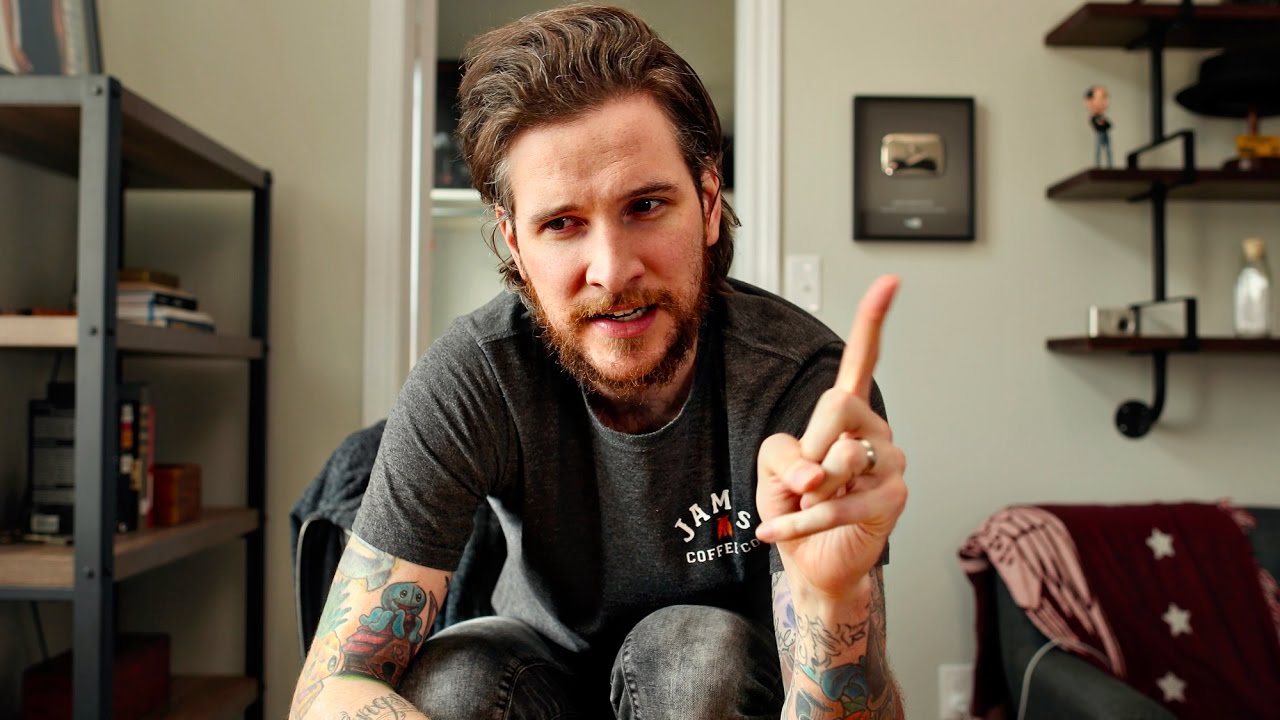
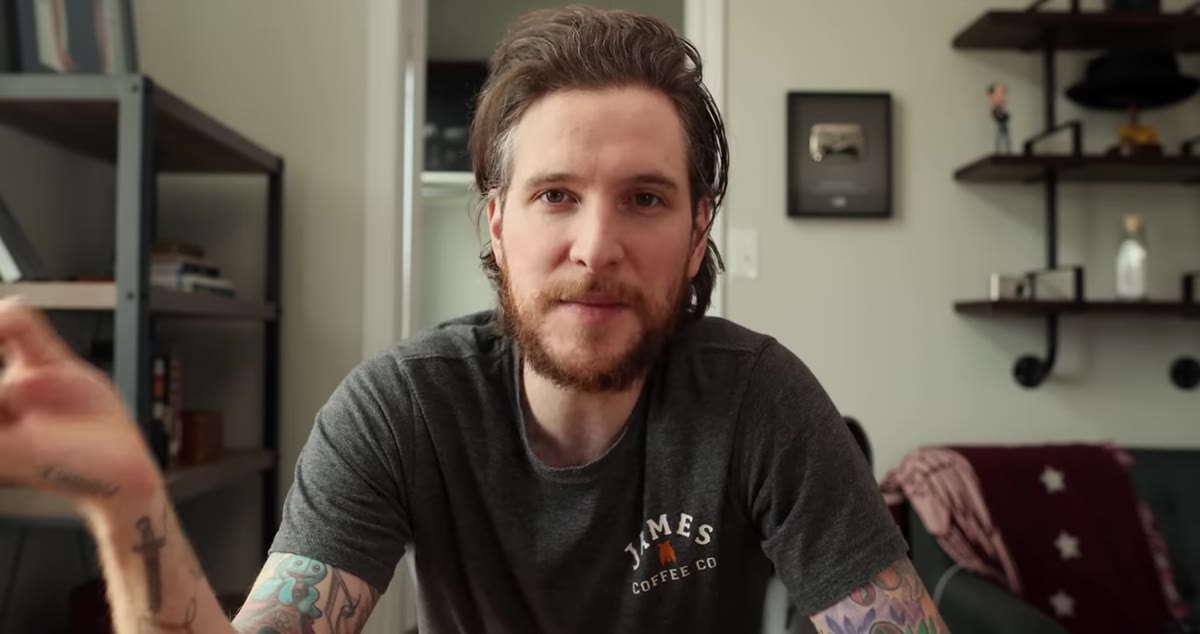 Peter explaining how social media can damage creative motivation
The first thing McKinnon asks you to do isn’t pick up your camera. It’s to honestly evaluate how your relationship with social media is affecting how you feel about your own work. That’s a different question than most photography tutorials ever bother to ask.
Peter explaining how social media can damage creative motivation
The first thing McKinnon asks you to do isn’t pick up your camera. It’s to honestly evaluate how your relationship with social media is affecting how you feel about your own work. That’s a different question than most photography tutorials ever bother to ask.
Here’s the trap: you follow talented photographers because their work inspires you. But inspiration and inadequacy are neighbors with a very thin wall between them. When you’re watching someone photograph rooftops in Dubai and you’re standing in your backyard in a mid-sized city, the gap doesn’t feel like a matter of experience or circumstance. It feels like a fundamental difference in worth. And that feeling makes you less likely to shoot, not more. The practical action here is a deliberate social media break, not forever, but long enough to reset. Try 48 to 72 hours away from your photography feeds before your next shoot. You might be surprised how differently you see your own surroundings once you stop measuring them against someone else’s.
Step 2: Stop Scrolling and Start Looking at What’s in Front of You
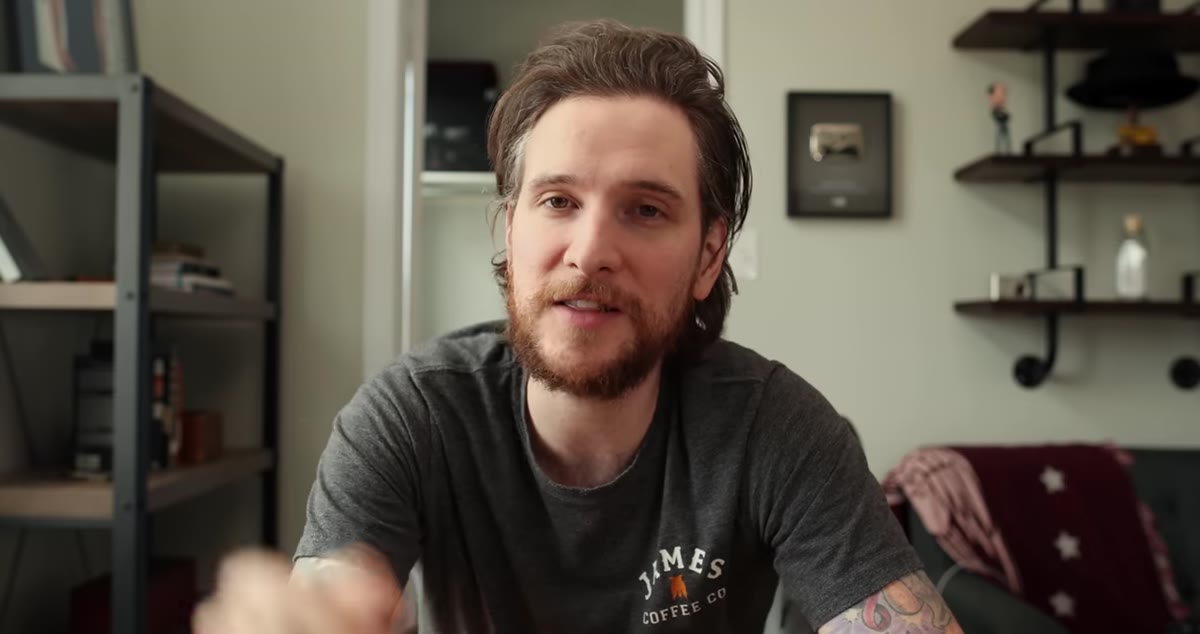 Peter speaking directly to camera about local photography limitations
Once you’ve stepped back from the comparison loop, the next move is almost counterintuitive. McKinnon points out something I’ve told students at every skill level: people might be looking at your feed and seeing something genuinely creative, something they wish they could do with the environment around them. We rarely see our own context as interesting because we’re too close to it.
Peter speaking directly to camera about local photography limitations
Once you’ve stepped back from the comparison loop, the next move is almost counterintuitive. McKinnon points out something I’ve told students at every skill level: people might be looking at your feed and seeing something genuinely creative, something they wish they could do with the environment around them. We rarely see our own context as interesting because we’re too close to it.
Your assignment here is concrete. Before your next shoot, spend five minutes writing down three things you’ve walked past a hundred times without photographing. A specific wall. A staircase. The light in your kitchen at 7 a.m. Then go shoot those things. This isn’t a creative exercise for its own sake. It trains you to stop waiting for extraordinary locations and start finding what’s actually there. Some of my most-shared work has come from a ten-block radius of my apartment, and I still sometimes have to remind myself of that.
Step 3: Understand the “Five Paintballs” Problem with Digital Shooting
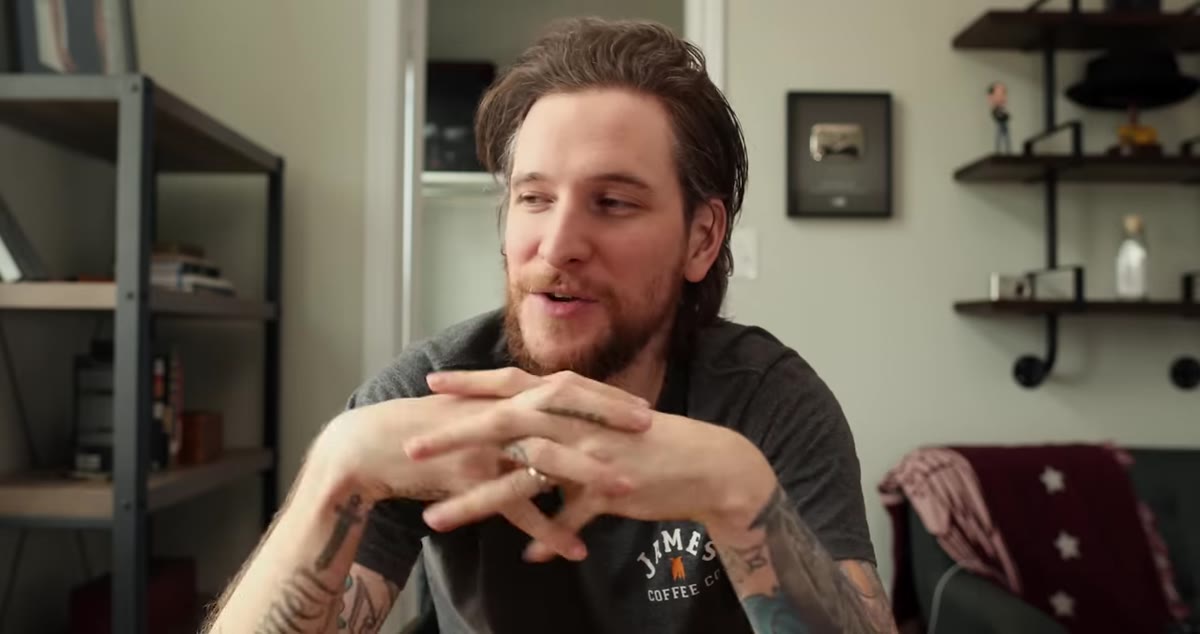 Peter describing the Civil War paintball analogy and digital habits
This is the part of the tutorial that genuinely shifted something for me. McKinnon uses a story from his paintball days to explain a real problem with how most of us shoot digitally. The short version: when you have unlimited ammunition, you stop being tactical. When you only have five shots, every single one counts. You slow down. You think. You commit.
Peter describing the Civil War paintball analogy and digital habits
This is the part of the tutorial that genuinely shifted something for me. McKinnon uses a story from his paintball days to explain a real problem with how most of us shoot digitally. The short version: when you have unlimited ammunition, you stop being tactical. When you only have five shots, every single one counts. You slow down. You think. You commit.
Digital cameras have effectively given us unlimited paintballs. A 128GB card holds thousands of images. Burst mode lets you fire ten frames per second. And the result, for a lot of photographers, is that we stop making decisions and start making bets. We hope one frame out of forty will be the one. That’s not photography. That’s a lottery ticket strategy. The technique McKinnon is pointing toward is intentionality. Before you press the shutter, you should know why you’re pressing it right now and not two seconds from now.
Step 4: Practice Shooting with Artificial Constraints
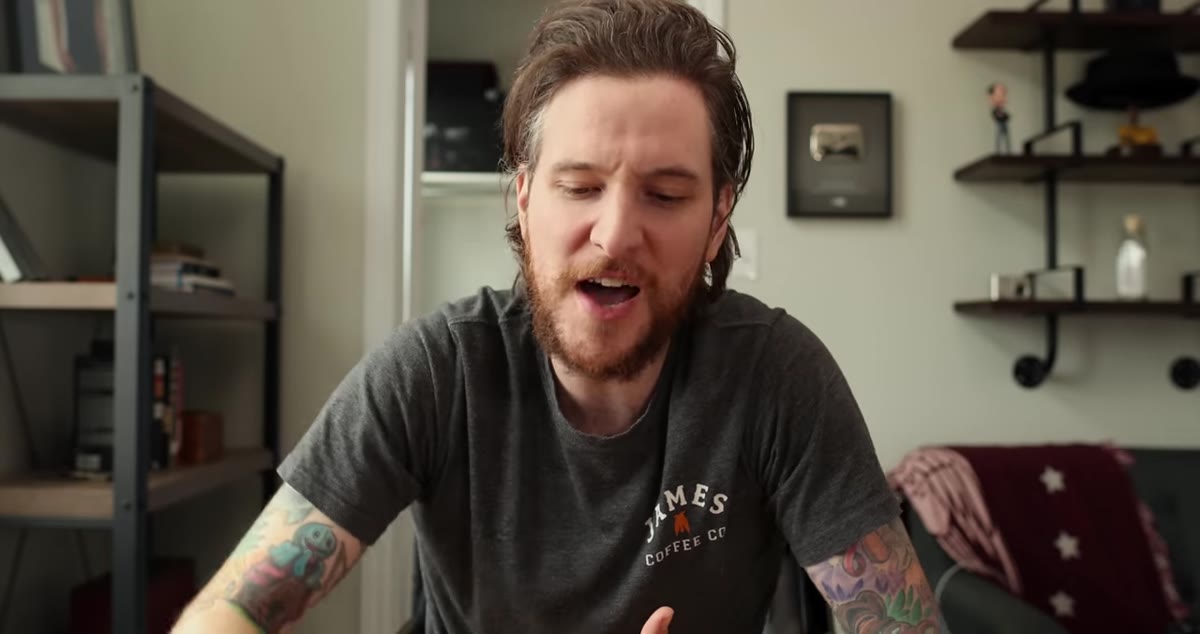 Peter discussing being methodical and deliberate before taking a shot
The fix for the digital abundance problem is building in the limits yourself. This is where you get practical. On your next shoot, give yourself a rule: a maximum of ten frames per scene or subject. Not ten burst shots. Ten deliberate, composed, intentional frames. You can pick any number that feels challenging without being paralyzing, but the ceiling matters. It forces you to study the light before you shoot, nail your composition before you half-press, and decide on your settings before your subject moves.
Peter discussing being methodical and deliberate before taking a shot
The fix for the digital abundance problem is building in the limits yourself. This is where you get practical. On your next shoot, give yourself a rule: a maximum of ten frames per scene or subject. Not ten burst shots. Ten deliberate, composed, intentional frames. You can pick any number that feels challenging without being paralyzing, but the ceiling matters. It forces you to study the light before you shoot, nail your composition before you half-press, and decide on your settings before your subject moves.
You can also try this with your phone, which is something I still do regularly just to keep my instincts sharp. A phone with a single lens and a small sensor forces you to think about light quality and framing in a way that a camera with four lenses and computational photography sometimes lets you skip. Constraints are not punishment. They’re where decision-making muscles get built.
Step 5: Build Deliberate Thinking into Every Frame
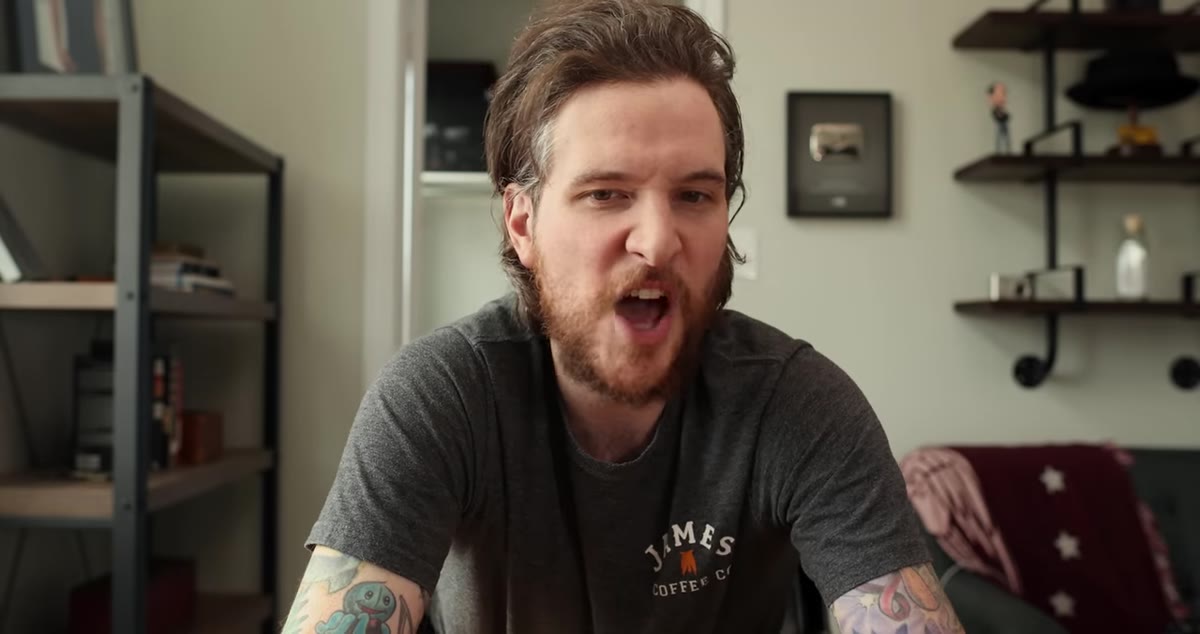 Peter describing how limited shots changed everyone’s tactical approach
The underlying skill McKinnon is training here is pre-visualization. Before you shoot, you should be able to answer three questions: What is the subject? Where is the light coming from and how is it shaping the subject? What is in the frame that shouldn’t be there? If you can’t answer all three, you’re not ready to shoot yet. That’s not a slow-down. That’s the work.
Peter describing how limited shots changed everyone’s tactical approach
The underlying skill McKinnon is training here is pre-visualization. Before you shoot, you should be able to answer three questions: What is the subject? Where is the light coming from and how is it shaping the subject? What is in the frame that shouldn’t be there? If you can’t answer all three, you’re not ready to shoot yet. That’s not a slow-down. That’s the work.
This habit is particularly powerful if you practice it on low-stakes situations, your coffee cup, a shadow on the wall, something outside your window. The goal isn’t a portfolio-worthy image. The goal is to make the pre-shoot mental checklist automatic, so that when you’re in a high-pressure or fast-moving situation, you’re not fumbling. You’ve already built the reflex.
What I’d Add from My Own Experience
McKinnon covers both of these points from a mostly mindset angle, which is exactly the right place to start. But I want to add a structural piece that helped me stick with these habits long-term. Pair the social media break with a standing shoot commitment. For me, that’s Sunday mornings. I don’t decide on Sunday morning whether to go out. I already go. That removes the negotiation, which is where most creative intentions fall apart. You don’t have to name it a “photo walk” or make it feel formal. You just have to make it non-negotiable. When going out to shoot becomes as automatic as making coffee, you stop needing motivation, because you’re not waiting to feel ready. You already started.
The single most important thing McKinnon is saying across this entire tutorial is that your environment and your gear are not the main variables in your photography. Your habits and your attention are. And unlike buying a new lens or booking a trip somewhere scenic, both of those are available to you right now, exactly where you are.
Watch the full tutorial on YouTube to hear McKinnon walk through these ideas in his own words. It’s worth the full watch.
Comments
Leave a Comment