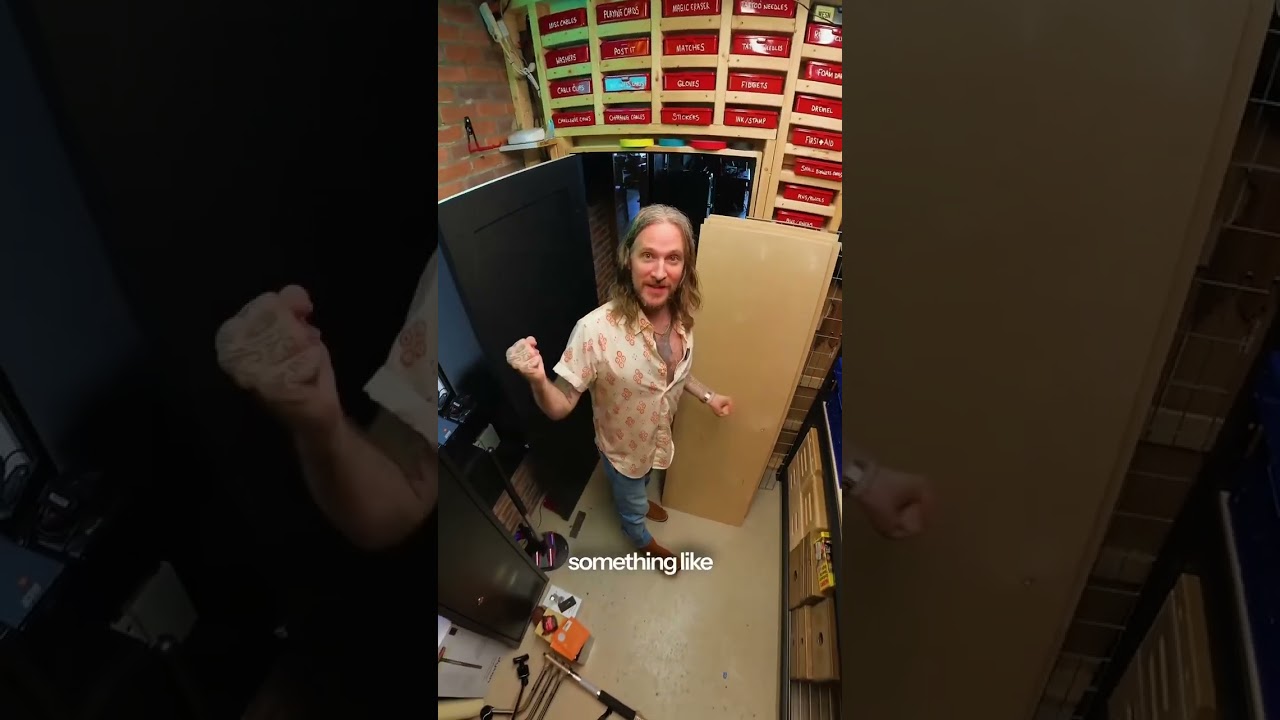
There’s a question I ask myself before almost every shoot: What does this moment look like before I even pick up the camera? It sounds abstract, but that mental rehearsal is one of the most underrated skills in photography and filmmaking. Most beginners wait until they’re on location to figure out their shot. Working professionals tend to have already storyboarded it in their head on the drive over.
That’s the thing that struck me watching Watch the full tutorial on YouTube - this Peter McKinnon tutorial where he’s pitching the Insta360 X6. On the surface it looks like a product video. But underneath it, he’s demonstrating something I teach in every beginner workshop: the ability to fully visualize a sequence before it exists. He’s not just describing a camera. He’s walking you through a complete cinematic shot, beat by beat, and asking whether your real life has room for a tool like this. That’s a different and more honest question than most gear reviews ever ask.
I’m going to break down the creative and technical thinking embedded in that video, because whether you’re shooting with an action camera, a mirrorless, or yes, your phone, this approach to pre-visualization and honest gear evaluation will make your images better starting today.
Step 1: Start with the Cinematic Scenario, Not the Spec Sheet
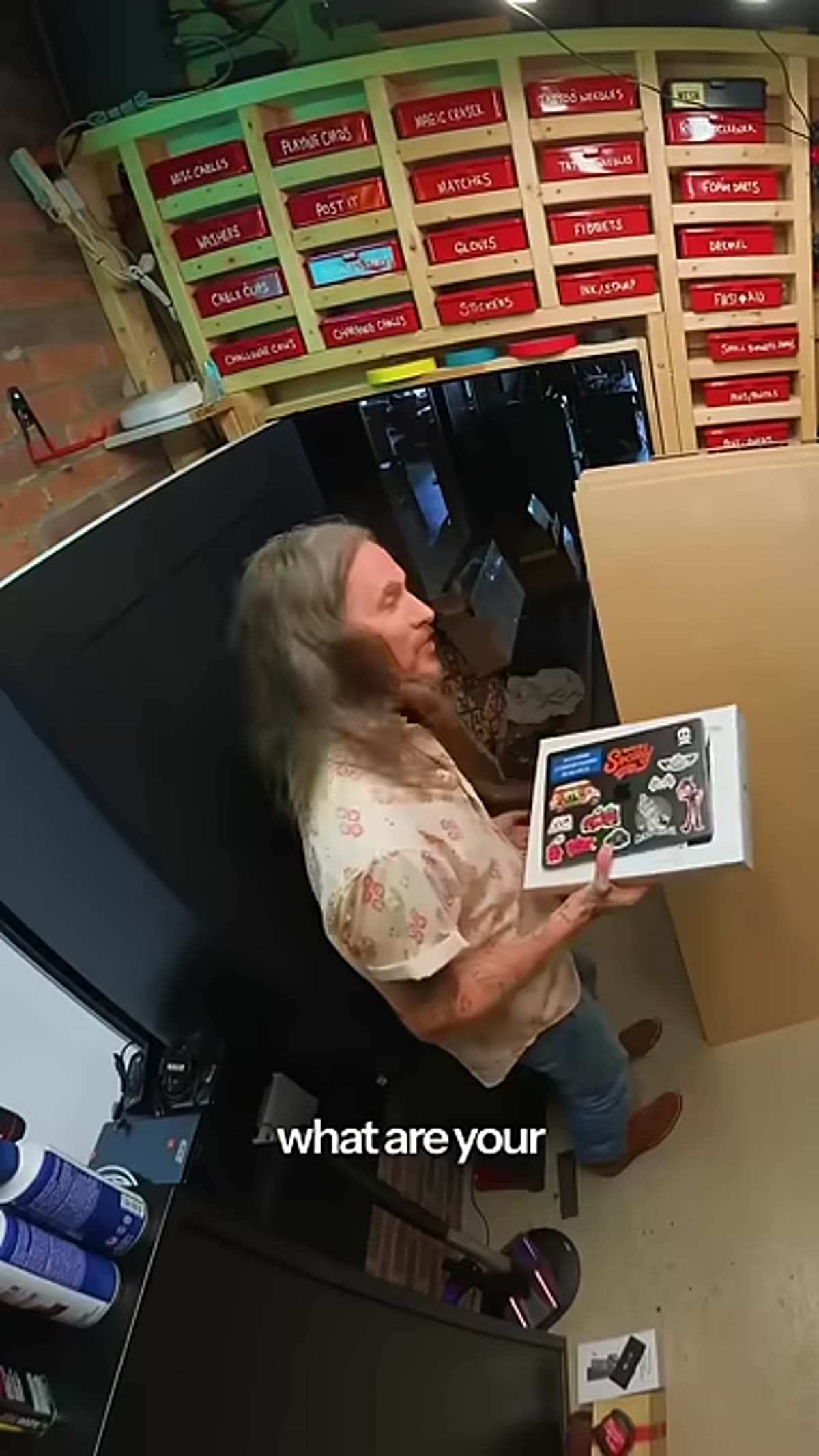 Creator describing an imagined helicopter shot over water
Before McKinnon mentions a single feature of the X6, he puts you inside a shot. Helicopter over the horizon. Blue water. Slow motion hair. He’s not selling specs - he’s selling a feeling, and more importantly, he’s showing you how to think about what a piece of gear makes possible. When you’re evaluating any new camera or lens, start by asking: what specific shot could I get with this that I genuinely cannot get right now? If you can’t answer that question with a real scenario from your life, you probably don’t need the gear yet.
Creator describing an imagined helicopter shot over water
Before McKinnon mentions a single feature of the X6, he puts you inside a shot. Helicopter over the horizon. Blue water. Slow motion hair. He’s not selling specs - he’s selling a feeling, and more importantly, he’s showing you how to think about what a piece of gear makes possible. When you’re evaluating any new camera or lens, start by asking: what specific shot could I get with this that I genuinely cannot get right now? If you can’t answer that question with a real scenario from your life, you probably don’t need the gear yet.
Step 2: Map the Full Sequence Before You Shoot
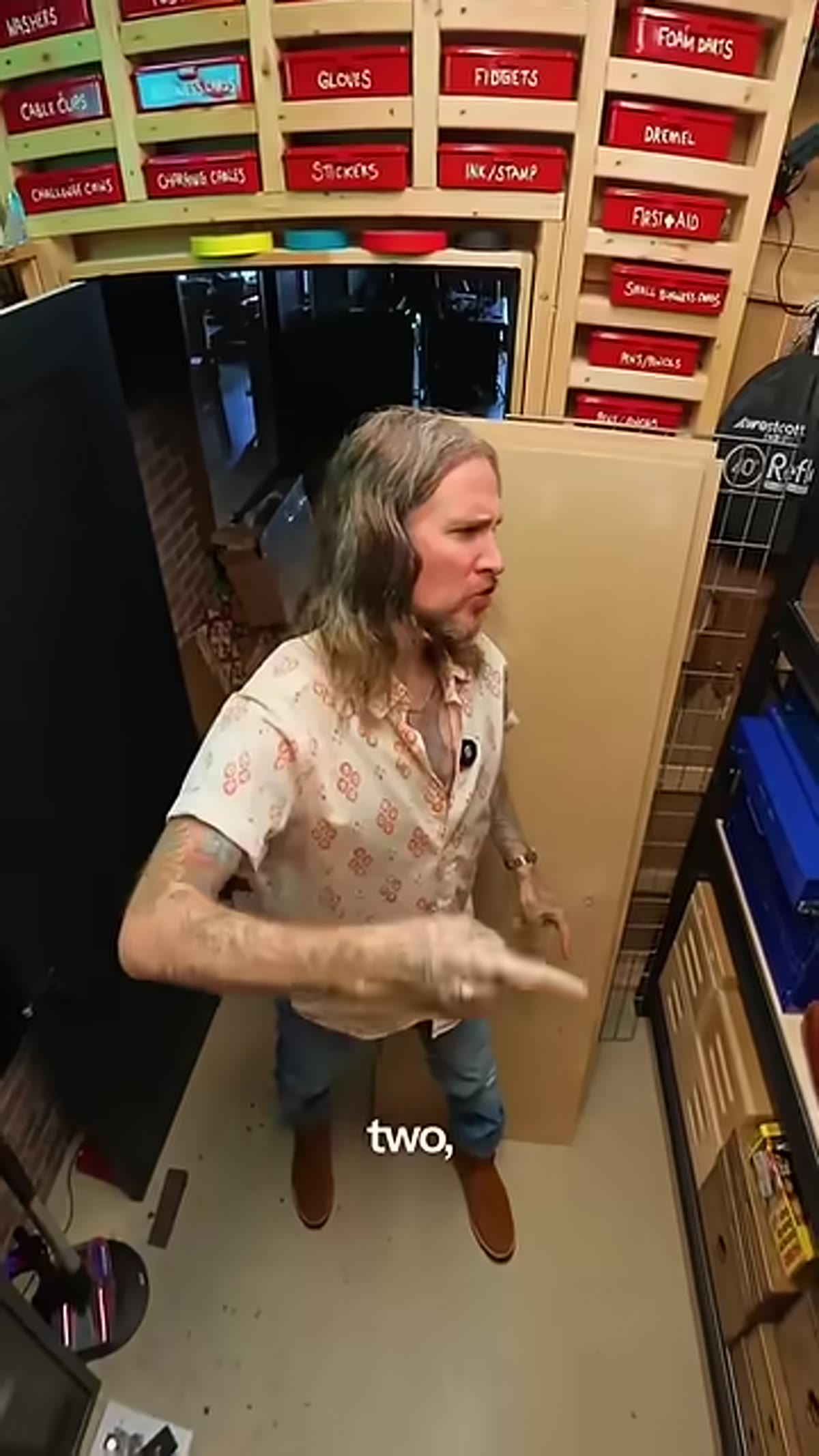 Creator narrating the skydive sequence from jump to landing
McKinnon walks through an entire sequence - the jump, the freefall, pulling the parachute, adjusting position in the air, touching down on a dock. This isn’t padding. This is pre-visualization, and it’s a technique every serious photographer practices. Before your next shoot, write out or sketch the three to five moments you want to capture in order. What’s the establishing shot? What’s the intimate detail? What’s the payoff image? Having that sequence mapped means you’re directing, not just reacting.
Creator narrating the skydive sequence from jump to landing
McKinnon walks through an entire sequence - the jump, the freefall, pulling the parachute, adjusting position in the air, touching down on a dock. This isn’t padding. This is pre-visualization, and it’s a technique every serious photographer practices. Before your next shoot, write out or sketch the three to five moments you want to capture in order. What’s the establishing shot? What’s the intimate detail? What’s the payoff image? Having that sequence mapped means you’re directing, not just reacting.
Step 3: Understand What “Seeing Everything” Actually Means for Composition
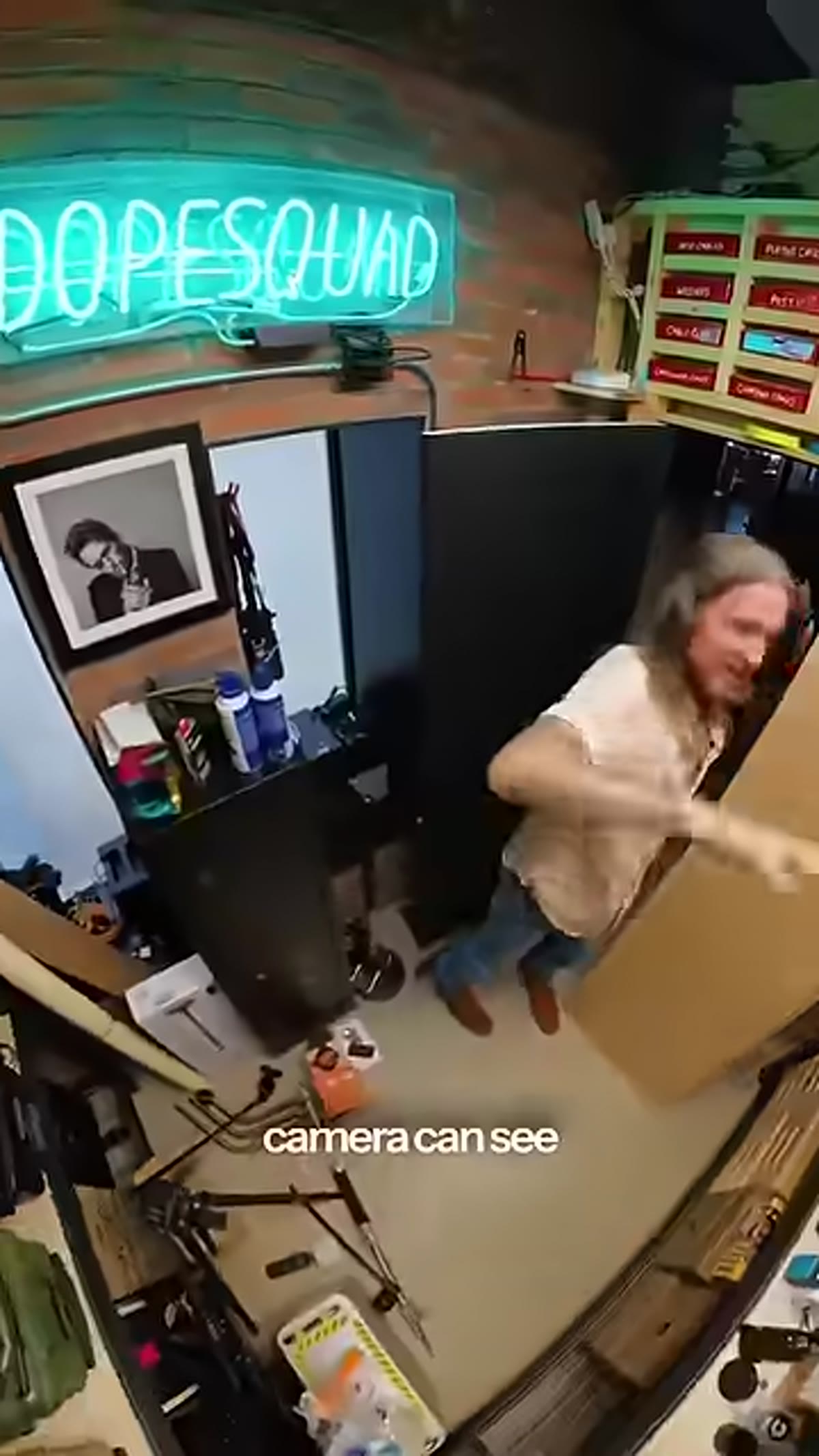 Creator noting the 360 camera captures all directions simultaneously
One of the practical points McKinnon raises is that a 360 camera sees in every direction at once - meaning you don’t have to nail your framing in the moment. You capture everything, then choose your frame in post. This is a fundamentally different compositional mindset than traditional photography, where you commit to your frame before you press the shutter. Neither approach is better, but understanding which mode you’re working in changes how you move, how you position yourself, and how much you rely on instinct versus planning. If you’re new to 360 shooting, give yourself permission to move freely during capture and treat the edit as your real composition session.
Creator noting the 360 camera captures all directions simultaneously
One of the practical points McKinnon raises is that a 360 camera sees in every direction at once - meaning you don’t have to nail your framing in the moment. You capture everything, then choose your frame in post. This is a fundamentally different compositional mindset than traditional photography, where you commit to your frame before you press the shutter. Neither approach is better, but understanding which mode you’re working in changes how you move, how you position yourself, and how much you rely on instinct versus planning. If you’re new to 360 shooting, give yourself permission to move freely during capture and treat the edit as your real composition session.
Step 4: Identify the “Recoil” Moments - The Details That Make Footage Feel Real
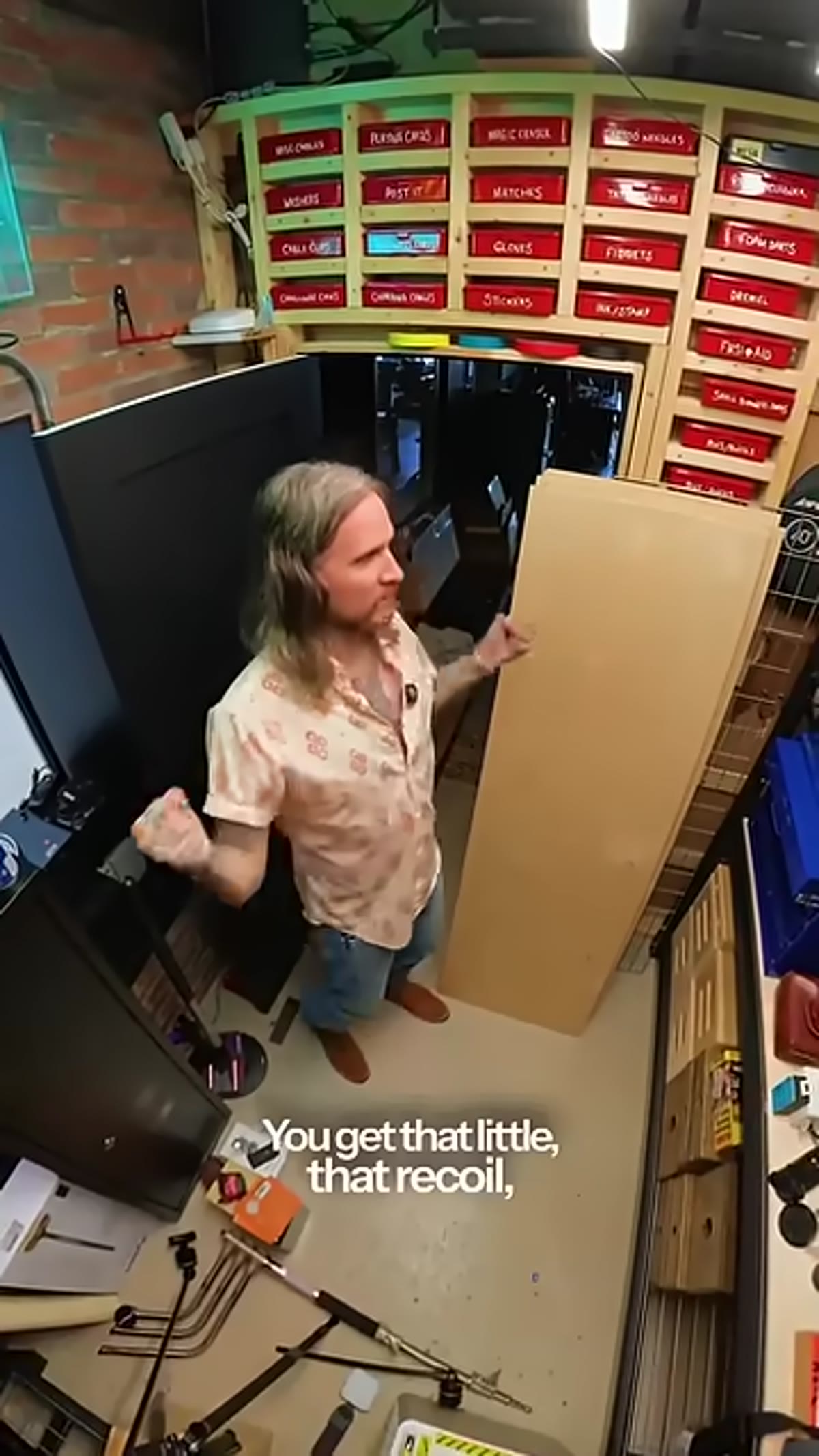 Creator describing the physical sensation of parachute deployment
McKinnon specifically mentions the physical jolt of the parachute opening - that recoil moment. He’s drawn to it because it’s authentic. It’s the kind of sensory detail that separates footage that feels cinematic from footage that just feels recorded. In your own work, look for those small, involuntary moments: the way someone flinches at a loud sound, the micro-expression before a laugh, the hands adjusting a strap. These are the frames people stop scrolling for. Train yourself to anticipate them rather than react to them.
Creator describing the physical sensation of parachute deployment
McKinnon specifically mentions the physical jolt of the parachute opening - that recoil moment. He’s drawn to it because it’s authentic. It’s the kind of sensory detail that separates footage that feels cinematic from footage that just feels recorded. In your own work, look for those small, involuntary moments: the way someone flinches at a loud sound, the micro-expression before a laugh, the hands adjusting a strap. These are the frames people stop scrolling for. Train yourself to anticipate them rather than react to them.
Step 5: Ask the Honest Gear Question
 Creator asking viewers directly whether the scenario applies to their real life
Here’s where McKinnon does something most gear reviewers skip. He stops and genuinely asks whether your life has more scenarios where an embedded, always-on 360 camera makes sense, or whether you’re the person who’d actually use it for a dramatic skydive sequence. He’s making the case for the more practical use case - not the aspirational one. This is a question worth asking yourself about every piece of gear you’re considering. Buy for the 80% of your shoots, not the 5% fantasy shoot you’ve been imagining for two years.
Creator asking viewers directly whether the scenario applies to their real life
Here’s where McKinnon does something most gear reviewers skip. He stops and genuinely asks whether your life has more scenarios where an embedded, always-on 360 camera makes sense, or whether you’re the person who’d actually use it for a dramatic skydive sequence. He’s making the case for the more practical use case - not the aspirational one. This is a question worth asking yourself about every piece of gear you’re considering. Buy for the 80% of your shoots, not the 5% fantasy shoot you’ve been imagining for two years.
Step 6: Let Your Gear Choice Reflect Your Creative Identity
 Creator weighing practical purchase decision against aspirational scenarios
McKinnon frames the buying decision around creative identity, not technical superiority. The pirate logo on the camera, the personality of the marketing, the kind of content creator the camera is designed for - these things matter because your gear is part of your toolkit and your brand. When I’m evaluating a new camera or accessory, I think about whether it fits the kind of work I actually want to be making. A camera that inspires you to shoot more is always worth more than a technically superior camera that sits in a bag because it feels too precious or too complicated.
Creator weighing practical purchase decision against aspirational scenarios
McKinnon frames the buying decision around creative identity, not technical superiority. The pirate logo on the camera, the personality of the marketing, the kind of content creator the camera is designed for - these things matter because your gear is part of your toolkit and your brand. When I’m evaluating a new camera or accessory, I think about whether it fits the kind of work I actually want to be making. A camera that inspires you to shoot more is always worth more than a technically superior camera that sits in a bag because it feels too precious or too complicated.
What I’d Add From My Own Experience
The pre-visualization technique McKinnon demonstrates in this video is something I stumbled into by accident. I used to show up to shoots and figure it out on location, which worked fine until I started doing travel work with tight windows - one afternoon in a location I’d never be back to. That pressure forced me to do the mental work ahead of time, and my hit rate on strong images went up dramatically.
One practical way to build this skill: on your next Sunday photo walk, pick one shot you want to come home with before you leave the house. Just one. Describe it to yourself in detail - light direction, subject distance, mood. Then go find it. You won’t always get exactly what you imagined, but the act of looking for something specific sharpens your eye in a way that wandering never quite does.
If you’re considering a 360 camera or an action camera and wondering whether it fits your workflow, this video is a genuinely useful gut-check. McKinnon’s enthusiasm is contagious, but more valuable is his honesty about who the camera is actually for. That’s the kind of creative clarity that makes you a better shooter regardless of what gear you end up buying.
Watch the full tutorial on YouTube and pay attention to how McKinnon builds that opening sequence. The camera is almost beside the point. The lesson is in how he thinks.
Comments
Leave a Comment