I started teaching photography because a stranger at a coffee shop tapped me on the shoulder and asked how I got the shot on my screen. That one conversation changed the direction of my career. But here’s what I didn’t realize at the time: the part that actually built my career wasn’t learning to shoot. It was learning to talk about my work, reach out to people, and make myself findable and hireable. The technical stuff? I had that down years earlier. The business side took much longer, and nobody handed it to me in a classroom.
That’s exactly what Joel Grimes digs into in this tutorial. Watch the full tutorial on YouTube before or after reading this, but either way, take it seriously. Grimes has been working as a commercial photographer since 1984, and what he’s laying out here isn’t theory. It’s a hard look at a pattern he’s watched repeat itself across decades: talented photographers who can nail exposure, light, and composition, but struggle to pay rent because they never learned how to actually get hired.
The stat that opens the video stopped me cold. Around 90% of photography graduates never end up working in their field. That number didn’t come from nowhere. Grimes heard it from a professor in 1977, then verified it decades later with a quick search. Only about 10 to 11 percent of people who earn a photography degree end up working as photographers. If you’re building a photography career, or trying to, that number is worth sitting with.
Step 1: Acknowledge What School Actually Teaches You
 Joel Grimes speaking directly to camera about photography education
Photography programs are good at what they do. Grimes is clear about this. The students who come out of top programs like Art Center or Brooks are technically sharp. They understand light, they can work a camera, they know their stuff. The gap isn’t technical competence. It’s everything that happens after you deliver the images: the outreach, the positioning, the ability to get someone to trust you with a real job.
Joel Grimes speaking directly to camera about photography education
Photography programs are good at what they do. Grimes is clear about this. The students who come out of top programs like Art Center or Brooks are technically sharp. They understand light, they can work a camera, they know their stuff. The gap isn’t technical competence. It’s everything that happens after you deliver the images: the outreach, the positioning, the ability to get someone to trust you with a real job.
If you went to school for photography, or if you’ve been self-teaching through YouTube and courses, this is worth naming plainly. Your technical education is real and it matters. But it’s a separate skill set from running a photography business, and most curricula don’t bridge that gap.
Step 2: Understand That the Best Photographer Doesn’t Always Win the Job
 Grimes explaining the gap between skill and commercial success
This is the one that reshapes how you think about competition. Grimes makes the point that the photographers landing big ad campaigns aren’t always the most technically gifted people in the room. What they have is a different kind of skill: they convinced someone to take a chance on them. They submitted a bid, they communicated clearly, they followed through, and they got hired.
Grimes explaining the gap between skill and commercial success
This is the one that reshapes how you think about competition. Grimes makes the point that the photographers landing big ad campaigns aren’t always the most technically gifted people in the room. What they have is a different kind of skill: they convinced someone to take a chance on them. They submitted a bid, they communicated clearly, they followed through, and they got hired.
I’ve seen this play out in my own little corner of the industry. Some of the most stunning travel photography I’ve ever seen belongs to people with almost zero client work, while photographers with a more workmanlike style are booked solid because they’re easy to reach, reliable, and good at explaining what they’ll deliver. Talent is the floor, not the ceiling.
Step 3: Recognize the Real Skill Gap
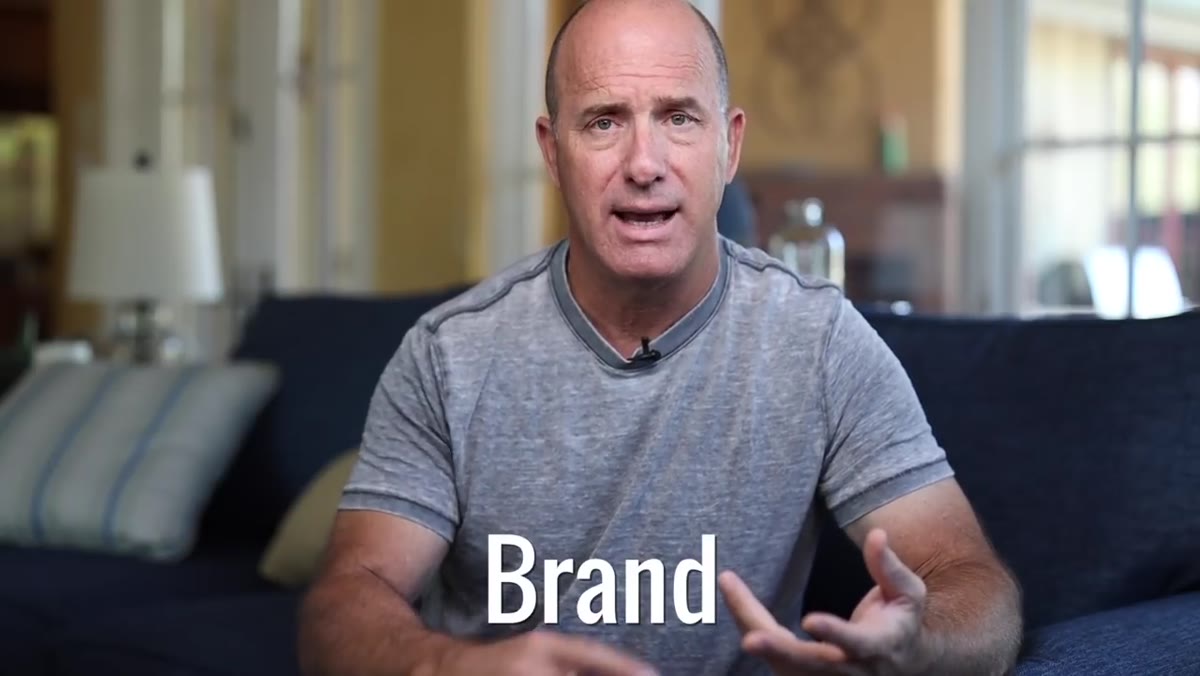 Grimes listing marketing, branding, and cold outreach as missing skills
Grimes names the specific things schools skip: marketing, branding, knocking on doors, and making cold calls. These aren’t glamorous topics. Nobody gets excited about them the way they get excited about a new lens or a lighting technique. But they are the actual mechanisms that generate work.
Grimes listing marketing, branding, and cold outreach as missing skills
Grimes names the specific things schools skip: marketing, branding, knocking on doors, and making cold calls. These aren’t glamorous topics. Nobody gets excited about them the way they get excited about a new lens or a lighting technique. But they are the actual mechanisms that generate work.
Marketing means making sure the right people know you exist. Branding means giving them a clear, consistent reason to remember you. Cold outreach means not waiting for people to come to you. If any of those three things is missing from your practice, that’s worth treating as a genuine technical gap, the same way you’d treat not knowing how to expose for a backlit subject.
Step 4: Learn to Make the Phone Call
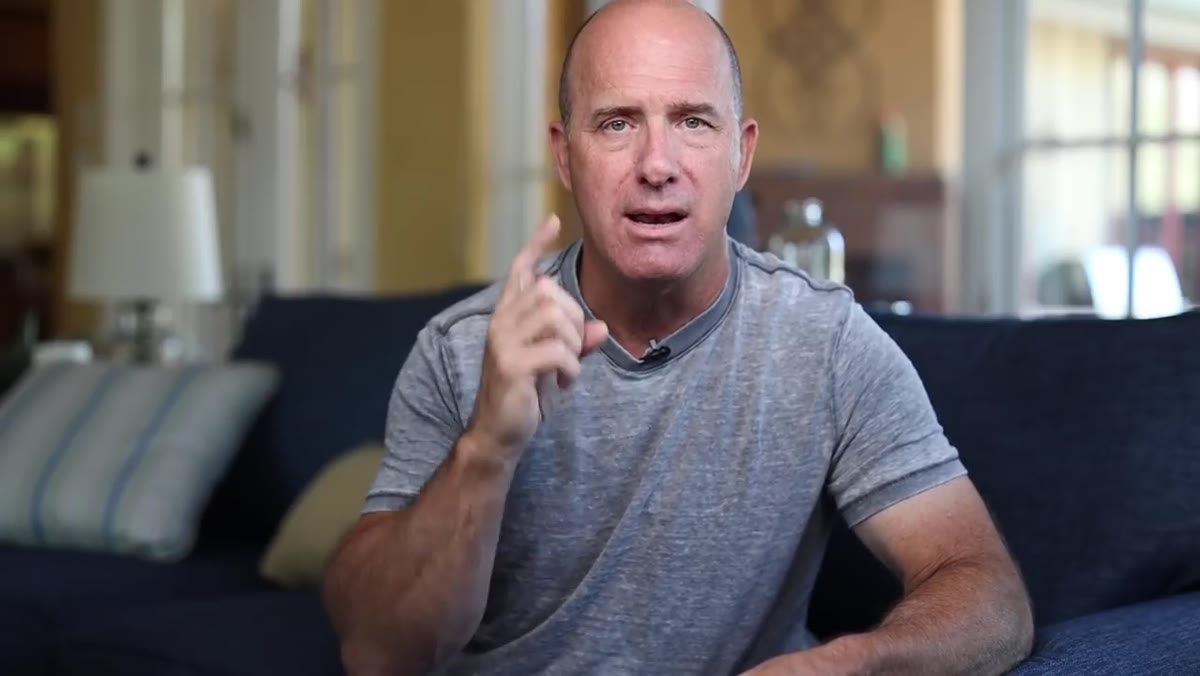 Grimes describing picking up the phone as the single most important action
This is the most concrete piece of advice in the video, and Grimes says it plainly: picking up the phone and making a cold call is the single most important thing you can do to build a photography career. Not sending emails. Not posting on Instagram. Those things have value, but they are not substitutes for direct, personal outreach.
Grimes describing picking up the phone as the single most important action
This is the most concrete piece of advice in the video, and Grimes says it plainly: picking up the phone and making a cold call is the single most important thing you can do to build a photography career. Not sending emails. Not posting on Instagram. Those things have value, but they are not substitutes for direct, personal outreach.
Grimes has been making calls like this for over 35 years. He describes looking at the phone before calling a major art director, feeling nervous, and doing it anyway. That discomfort doesn’t go away. You just get better at acting through it. If you’ve been hiding behind DMs and contact forms, this step is where you start changing that habit.
Step 5: Treat Business Skills as Learnable, Not Fixed
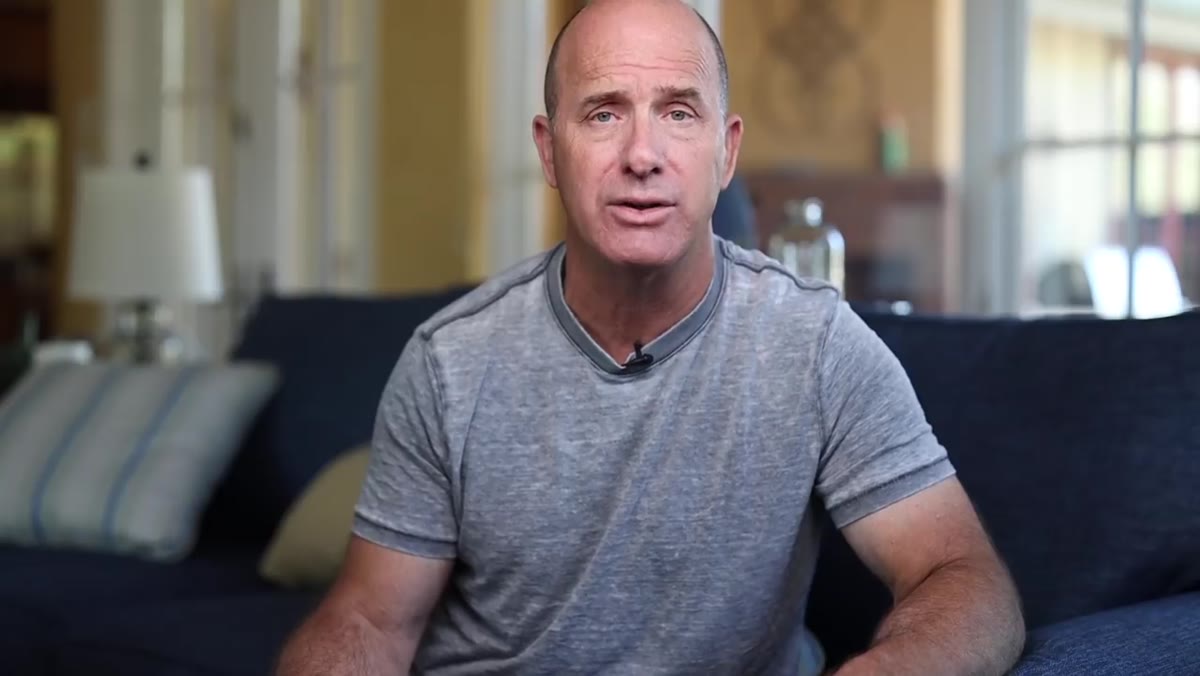 Grimes crediting a mentor who pushed him toward marketing early in his career
Grimes didn’t figure this out alone. He had a friend who pushed the marketing side of the business on him early, right after graduating in 1984. He’s clear that just hearing the information wasn’t enough. He had to go out, make mistakes, fumble through conversations, and build the skill by doing it repeatedly.
Grimes crediting a mentor who pushed him toward marketing early in his career
Grimes didn’t figure this out alone. He had a friend who pushed the marketing side of the business on him early, right after graduating in 1984. He’s clear that just hearing the information wasn’t enough. He had to go out, make mistakes, fumble through conversations, and build the skill by doing it repeatedly.
This is how I think about it too. You wouldn’t expect to understand off-camera flash after reading one article. You’d go out and test it, mess it up, adjust, and eventually it would click. Business outreach works the same way. The first cold call is awkward. The tenth is less awkward. The fiftieth is just part of the job.
What I’d Add From My Own Experience
The piece Grimes doesn’t spell out explicitly, but that I think sits underneath everything he’s saying, is that most photographers are waiting to feel ready before they put themselves out there. I did the same thing for longer than I’d like to admit. I kept thinking I needed one more portfolio piece, one more course, one more camera body before I started reaching out to clients.
What actually moved the needle for me was setting a small, specific target. Not “get more clients,” but “send five genuine outreach messages this week to people whose work I admire or whose audience overlaps with mine.” That’s it. Small, repeatable, uncomfortable enough to matter. The technical skills were already there. I just had to stop treating business development like something that would happen on its own.
If there’s one thing to carry out of this tutorial, it’s that the gap between a talented photographer and a working photographer is almost never technical. It’s the willingness to show up, reach out, and ask for the job, even when it’s uncomfortable. That’s the skill worth developing.
Watch the full tutorial on YouTube and hear Grimes walk through his own career arc. The perspective he brings after four decades of working in commercial photography is worth more than most paid courses on the subject.
Comments
Leave a Comment