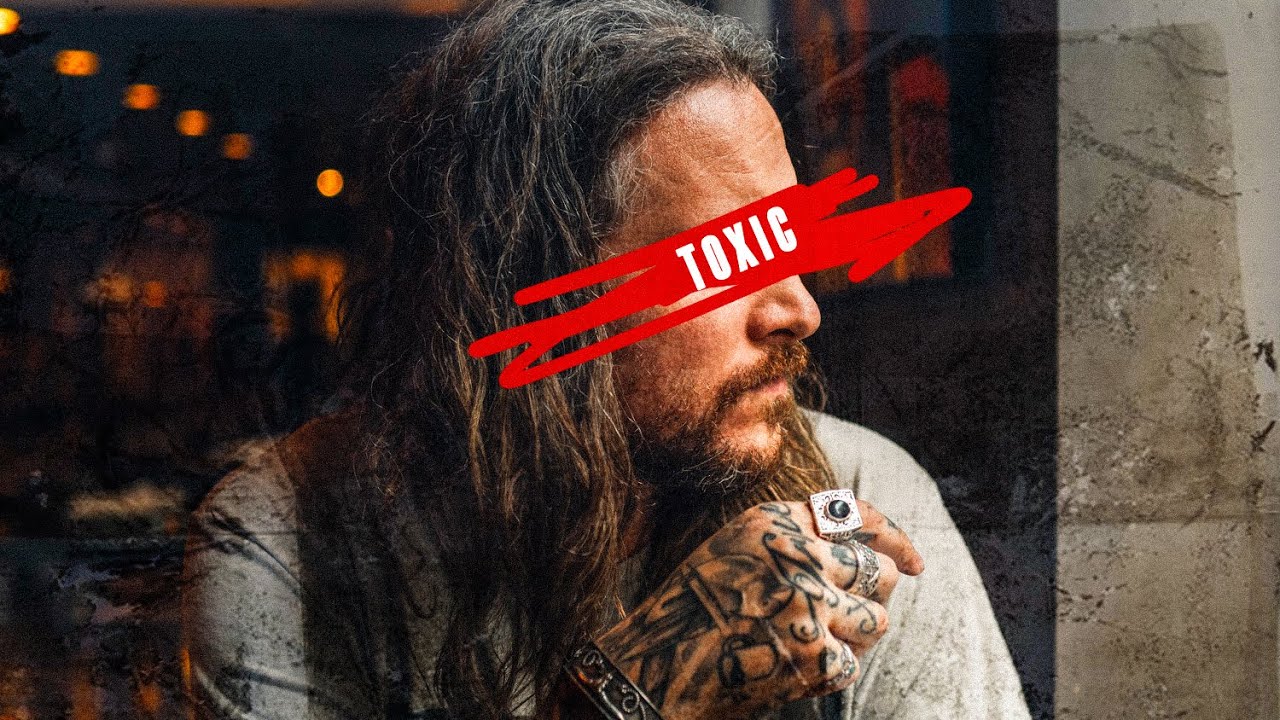
There’s a trap I fell into for a long time, and if you’ve been shooting for more than six months and posting regularly, you’ve probably fallen into it too. Every photo I shared had to be better than the last one. Every Sunday walk had to produce something jaw-dropping, something scroll-stopping, something worth the caption I’d spend twenty minutes writing. When it didn’t, I’d just… not post. And then the gap between posts would grow, and the pressure would compound, and eventually photography started to feel like a job I wasn’t getting paid for.
Watch the full tutorial on YouTube
In this Peter McKinnon video, he breaks down something I think a lot of photographers feel but don’t have words for yet: the way social media quietly rewires how you value your own work. He calls it out directly, using the phrase “bangers only” as a shorthand for the mindset that only your absolute best output is worth sharing. What follows is a surprisingly honest look at why that standard is not just exhausting, but actually counterproductive to growing as a photographer. I want to walk through his core points here and add some things I’ve picked up from my own experience shooting and teaching.
Step 1: Recognize the “Bangers Only” Trap
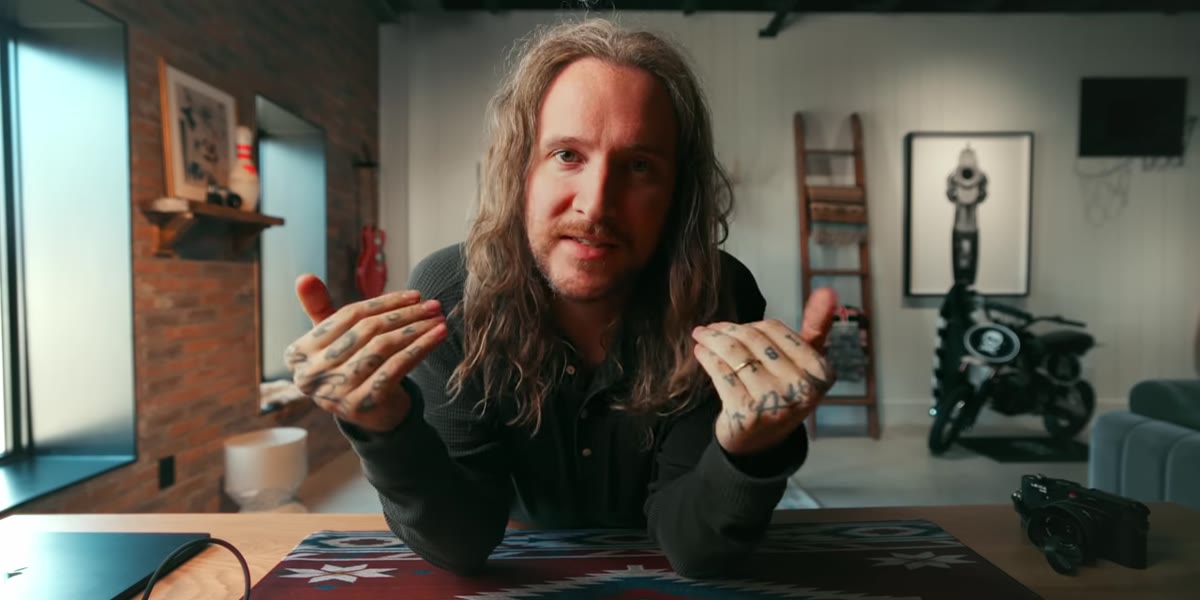 Peter McKinnon speaking directly to camera about toxic photography traits
McKinnon’s argument starts with a simple but uncomfortable observation: if you only ever post your best work, your best work stops being your best work. It just becomes the baseline. The ceiling keeps rising, and anything below it feels like failure, even if it’s genuinely good photography that you’re proud of. That’s the trap.
Peter McKinnon speaking directly to camera about toxic photography traits
McKinnon’s argument starts with a simple but uncomfortable observation: if you only ever post your best work, your best work stops being your best work. It just becomes the baseline. The ceiling keeps rising, and anything below it feels like failure, even if it’s genuinely good photography that you’re proud of. That’s the trap.
Think about what this does to your shooting habits. You stop experimenting. You stop documenting. You only pick up the camera when you think the conditions are perfect, because anything less won’t clear the bar you’ve set for yourself publicly. Ask yourself honestly: when was the last time you posted a photo just because you liked it, without checking how it might perform?
Step 2: Separate Your Public Output From Your Creative Process
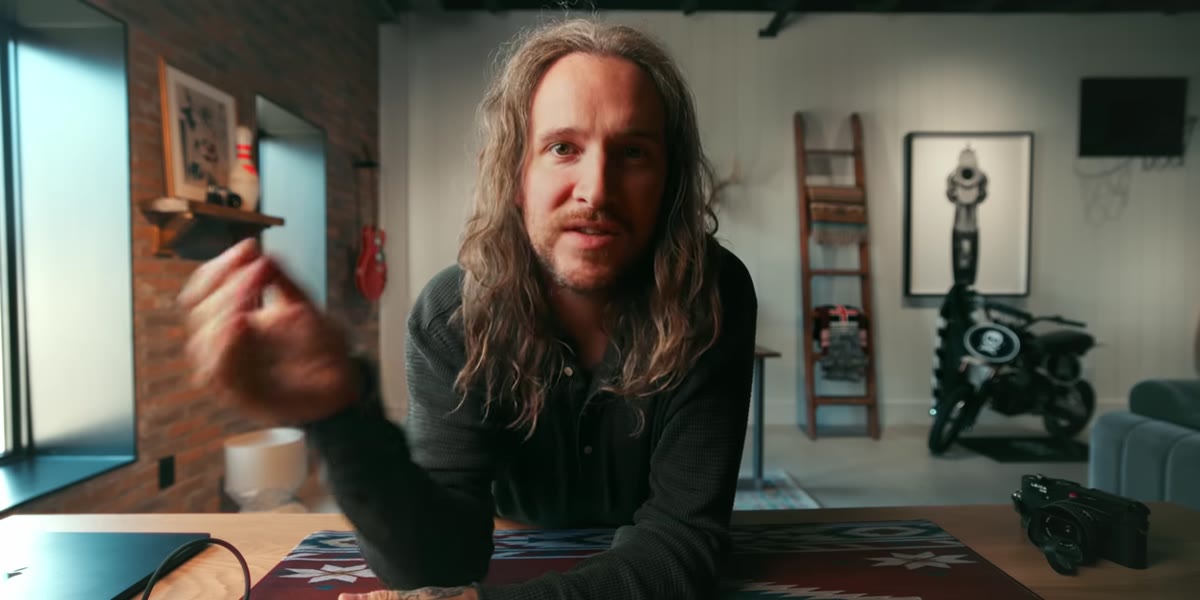 McKinnon referencing comments received on photos he felt were good
McKinnon talks about receiving a comment telling him a photo wasn’t his best work, and his response is worth sitting with. He says, essentially, not everything I post is meant to be the peak of my career, and that’s what makes the peaks meaningful when they show up. This is a practical content philosophy, not just a feel-good sentiment.
McKinnon referencing comments received on photos he felt were good
McKinnon talks about receiving a comment telling him a photo wasn’t his best work, and his response is worth sitting with. He says, essentially, not everything I post is meant to be the peak of my career, and that’s what makes the peaks meaningful when they show up. This is a practical content philosophy, not just a feel-good sentiment.
The separation here is important: your creative process and your posting strategy are two different things. What you make and what you choose to share can follow different rules. Posting something quieter, more personal, or less technically polished doesn’t lower your standards. It actually signals confidence, because you’re not performing for the algorithm every single time.
Step 3: Expand Your Definition of What Photography Is For
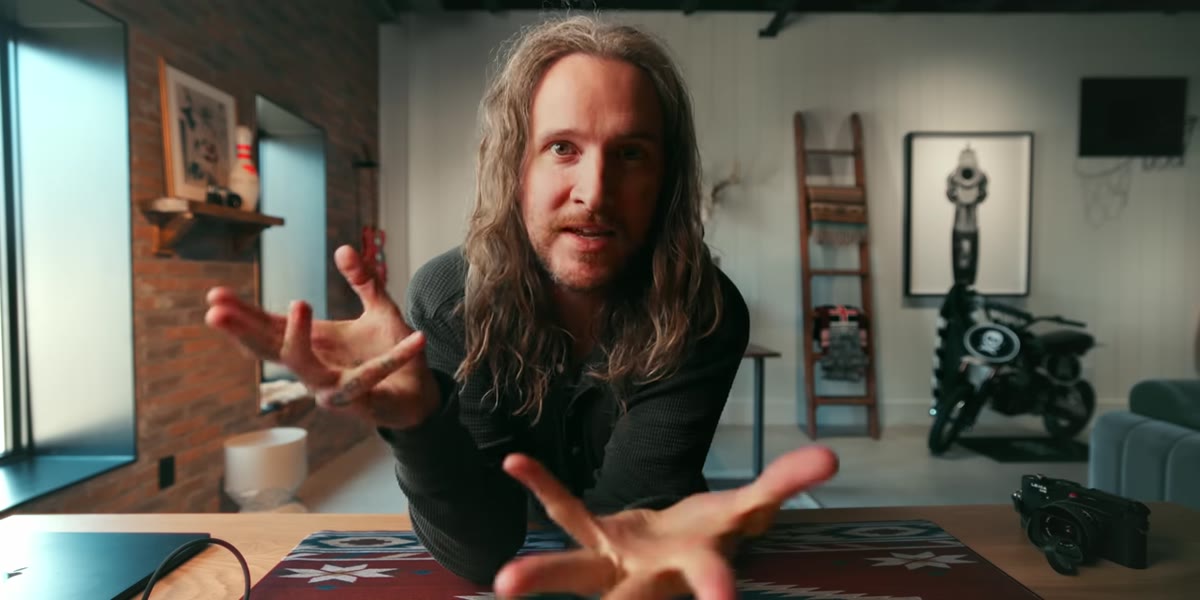 McKinnon discussing documentation, journalism, and photo essays
This is where McKinnon gets into something I genuinely hadn’t thought about enough early in my career. He points out that photography has always served purposes beyond aesthetics. Documentation. Journalism. Memory-keeping. Photo essays. A photo of how people spend a Tuesday afternoon in a park might never go viral, but it captures something true and specific and irreplaceable.
McKinnon discussing documentation, journalism, and photo essays
This is where McKinnon gets into something I genuinely hadn’t thought about enough early in my career. He points out that photography has always served purposes beyond aesthetics. Documentation. Journalism. Memory-keeping. Photo essays. A photo of how people spend a Tuesday afternoon in a park might never go viral, but it captures something true and specific and irreplaceable.
Widening your sense of what counts as valid photography is one of the most freeing things you can do. Try this: on your next shoot, take at least five photos you would normally dismiss as too ordinary to bother with. Street signs. A half-eaten lunch. The shadow a fence casts at 3pm. You’re training your eye to find value in the mundane, which is actually a foundational skill in documentary and street photography.
Step 4: Audit What Social Media Has Taught You to Value
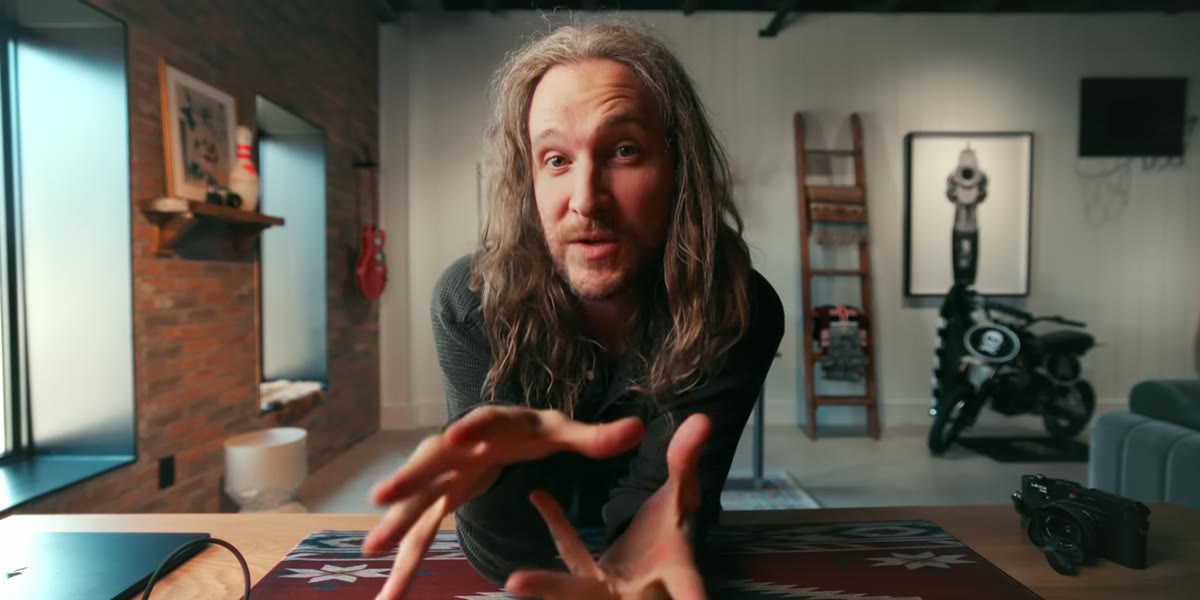 McKinnon referencing the pressure to constantly one-up yourself online
McKinnon is direct about what social media has done to the craft: it’s optimized photographers for likes over meaning. He’s honest that he experienced this himself during COVID, when travel stopped and he realized his entire sense of what was “postable” had been built around a specific type of dramatic landscape imagery. Without access to those locations, he felt stuck.
McKinnon referencing the pressure to constantly one-up yourself online
McKinnon is direct about what social media has done to the craft: it’s optimized photographers for likes over meaning. He’s honest that he experienced this himself during COVID, when travel stopped and he realized his entire sense of what was “postable” had been built around a specific type of dramatic landscape imagery. Without access to those locations, he felt stuck.
This is worth doing as an actual exercise. Go back through your camera roll or Lightroom catalog and look at photos you never shared. Ask yourself why you didn’t. Was it because the photo was bad? Or was it because you assumed it wouldn’t perform well? Those are very different reasons, and the second one deserves some scrutiny.
Step 5: Let Your Style Evolve Publicly, Without Apologizing
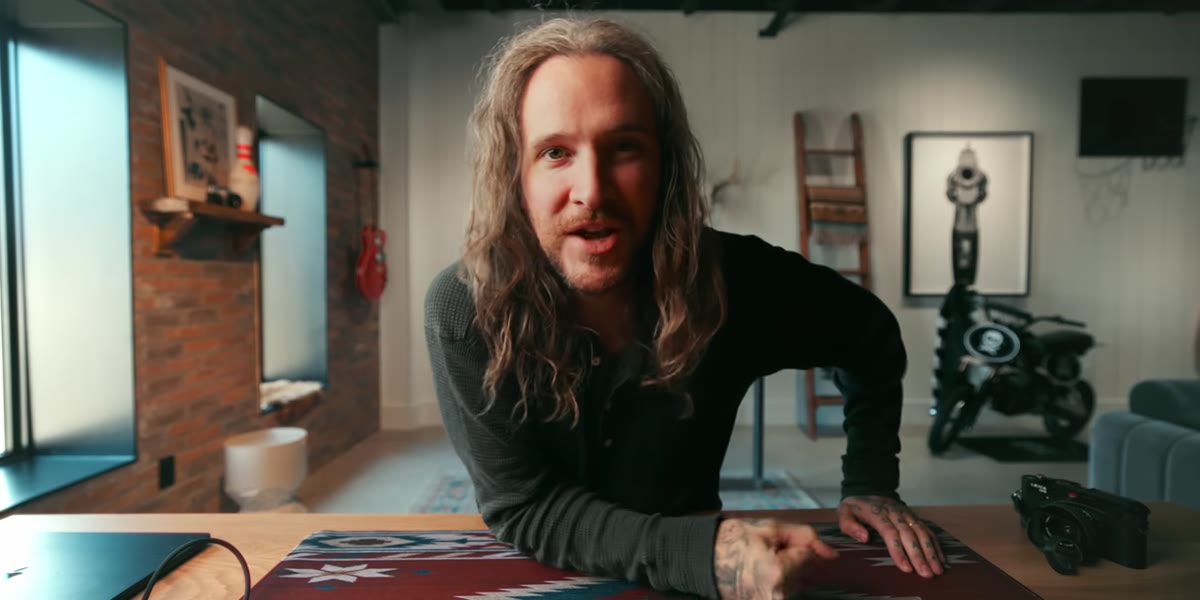 McKinnon noting that people, artists, and tastes all change over time
One of McKinnon’s more reassuring points is that change is part of the deal. Your taste shifts. Your interests shift. The subjects that excite you at year one of shooting are probably not the same ones that excite you at year five. Trying to stay consistent with an older version of your aesthetic for the sake of brand cohesion is a slow creative death.
McKinnon noting that people, artists, and tastes all change over time
One of McKinnon’s more reassuring points is that change is part of the deal. Your taste shifts. Your interests shift. The subjects that excite you at year one of shooting are probably not the same ones that excite you at year five. Trying to stay consistent with an older version of your aesthetic for the sake of brand cohesion is a slow creative death.
He uses his own transition toward film photography as an example, noting that it completely changed what subjects felt interesting to him. The practical takeaway here is to give yourself permission to share work that reflects where you are right now, even if it looks different from what your audience expects. Audiences are more adaptable than we give them credit for.
Step 6: Reintroduce the Low-Stakes Shoot Into Your Routine
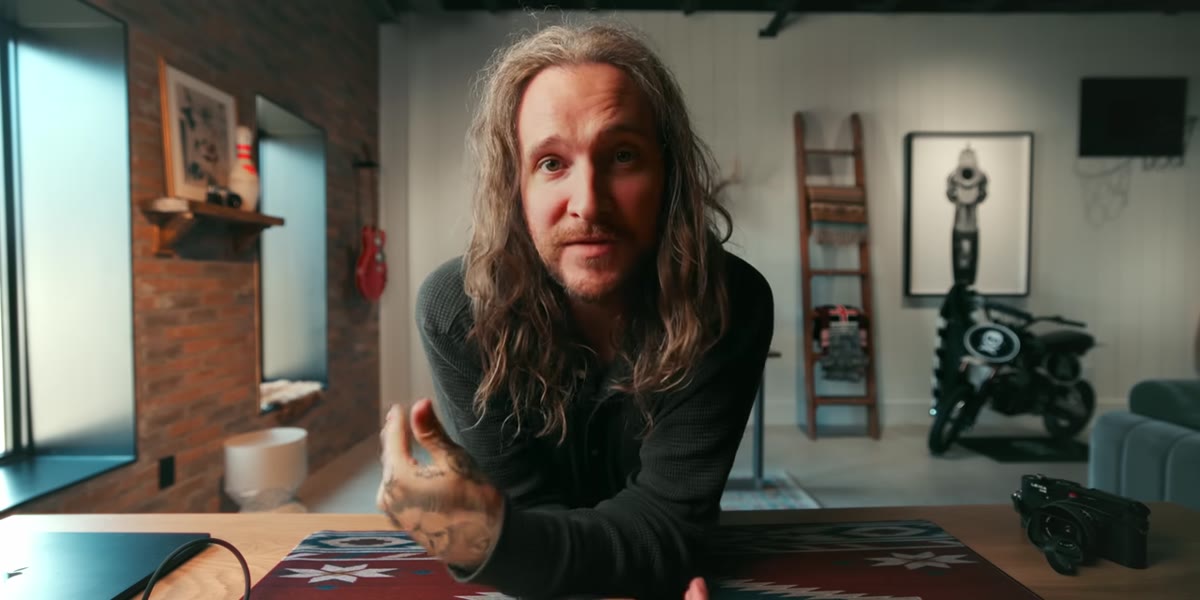 McKinnon describing photographing mundane and everyday subjects with film
The most concrete behavior change McKinnon implies is also the simplest: start shooting things that have no pressure attached to them. Not for a client. Not for a project. Not for the grid. Just for the practice of looking.
McKinnon describing photographing mundane and everyday subjects with film
The most concrete behavior change McKinnon implies is also the simplest: start shooting things that have no pressure attached to them. Not for a client. Not for a project. Not for the grid. Just for the practice of looking.
For me, this is what my Sunday morning walks have always been about, though I didn’t always let myself admit it. I bring whatever I feel like bringing, sometimes my Sony, sometimes just my phone, and I shoot whatever catches my eye without any filter for whether it’s “worth it.” Those walks have produced some of my most honest work, and almost none of it has been a banger by the internet’s definition. That’s exactly the point.
One Thing I’d Add From My Own Experience
McKinnon talks about the pressure of performing consistently for an audience that’s come to expect a certain level of spectacle. What he doesn’t quite get into is how that pressure shapes what you choose to shoot in the first place, long before you open Instagram.
I’ve had shoots where I drove two hours to a location, scouted for a full day, and came back with nothing I loved, because I’d pre-decided what the “winning” shot looked like before I even picked up the camera. The algorithm had already made the creative decisions for me. The antidote, at least for me, has been to leave my phone in the car for the first thirty minutes of any shoot. No previewing, no comparing, no second-guessing. Just the light and the lens and whatever’s actually in front of me.
The single biggest thing McKinnon is getting at in this video is that the metric you optimize for shapes the art you make. If you’re optimizing for likes, you’ll make like-bait. If you’re optimizing for curiosity and personal satisfaction, you’ll make work that actually grows you as a photographer, even if it never tops the algorithm.
That’s the reframe worth carrying into your next shoot.
Watch the full tutorial on YouTube and hear McKinnon walk through this in his own words. He’s more entertaining about it than I am, and the comment thread he references is a good reminder that these conversations are happening everywhere right now.
Comments (4)
Love how you break down complex stuff into manageable steps.
The tip about stop chasing bangers what pete was the missing piece for me. Thank you.
Solid advice. Especially the part about taking your time with it.
Printing this out and pinning it next to my monitor. That good.
Leave a Comment