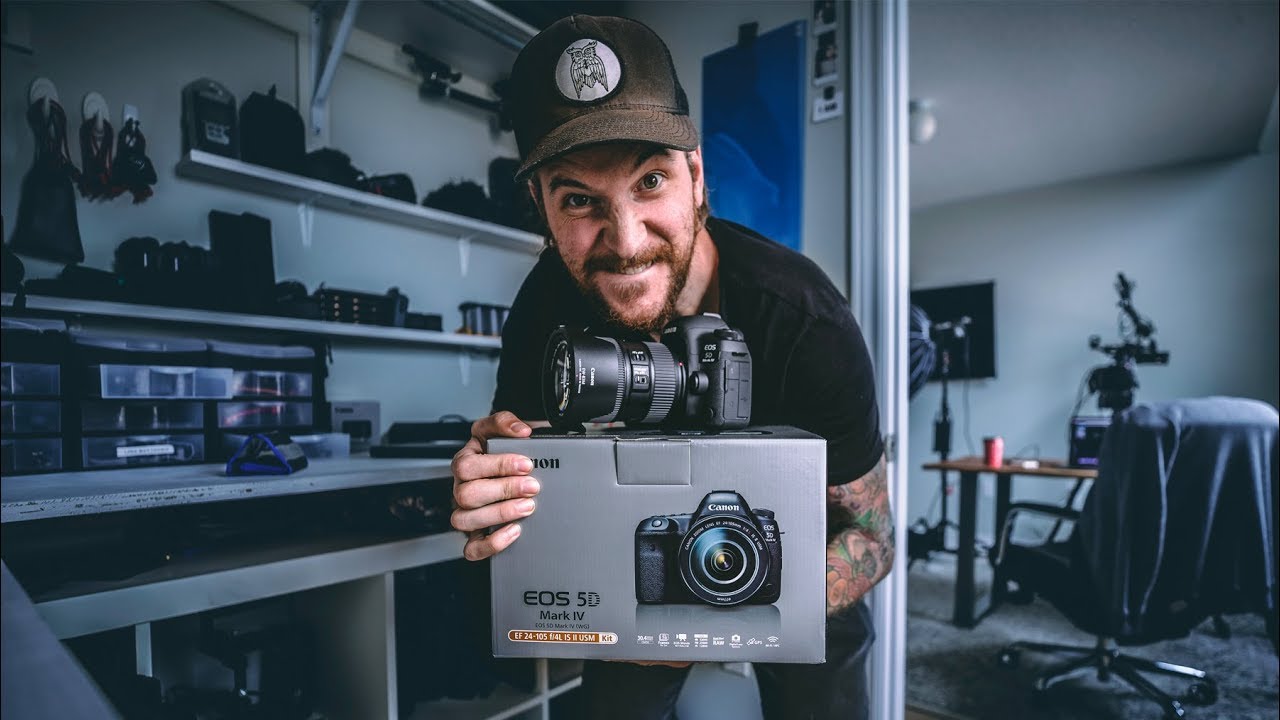
There’s a photo on my phone that I’ve never posted anywhere. It’s slightly blurry, taken in bad light, and the composition is nothing special. But I look at it constantly, because it’s from the week before I started seriously teaching photography. It captures something true about where I was, even if it captures it imperfectly. I thought about that photo the entire time I watched this milestone video from Peter McKinnon. Watch the full tutorial on YouTube
In this Peter McKinnon video, released to celebrate reaching one million subscribers, McKinnon does something most creators skip entirely at the milestone moment. Instead of just throwing a giveaway and moving on, he uses the occasion to walk through the real, unfiltered story of how he got there. And embedded in that story are some of the most honest and practical lessons about creative work I’ve come across. This isn’t a technical tutorial about shutter speeds or lighting ratios. It’s something harder to find: a roadmap for the mental and creative decisions that actually determine whether your photography, or your creative work in any form, ever becomes what you want it to be.
What struck me most is how applicable his experience is to photographers specifically. We are a community that loves gear checklists and editing tutorials, but we don’t talk nearly enough about the internal process of building a practice. These steps, drawn from McKinnon’s own story, are ones I wish someone had laid out for me clearly when I was starting out.
Step 1: Get the Technical Basics Locked Down First
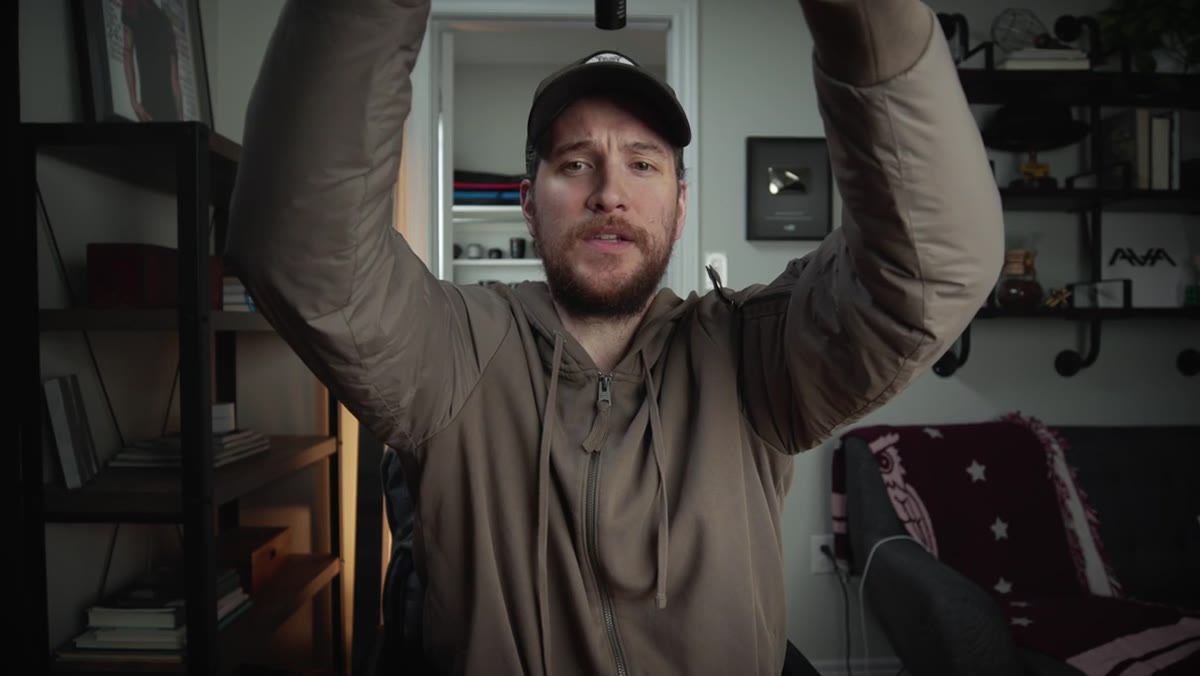 Creator checking audio levels before recording begins
Before McKinnon gets into his story, you see him in the opening moments doing something deceptively simple: checking his levels, adjusting his monitor, making sure everything is dialed in before the camera rolls for real. It looks like routine housekeeping. It isn’t. This is the discipline of a working professional. Before any meaningful creative work happens, the technical foundation has to be solid and invisible.
Creator checking audio levels before recording begins
Before McKinnon gets into his story, you see him in the opening moments doing something deceptively simple: checking his levels, adjusting his monitor, making sure everything is dialed in before the camera rolls for real. It looks like routine housekeeping. It isn’t. This is the discipline of a working professional. Before any meaningful creative work happens, the technical foundation has to be solid and invisible.
For photographers, this translates directly. Before a shoot, I run through the same checklist every single time: battery charged, memory card cleared, white balance set for the conditions, back button focus confirmed. Not because I’ll forget, but because having it automatic means my brain is free to think about the actual image. Technical uncertainty bleeds into creative hesitation. Get the boring stuff locked down so you can be fully present for the interesting stuff.
Step 2: Use Snapshots to Mark Where You Are
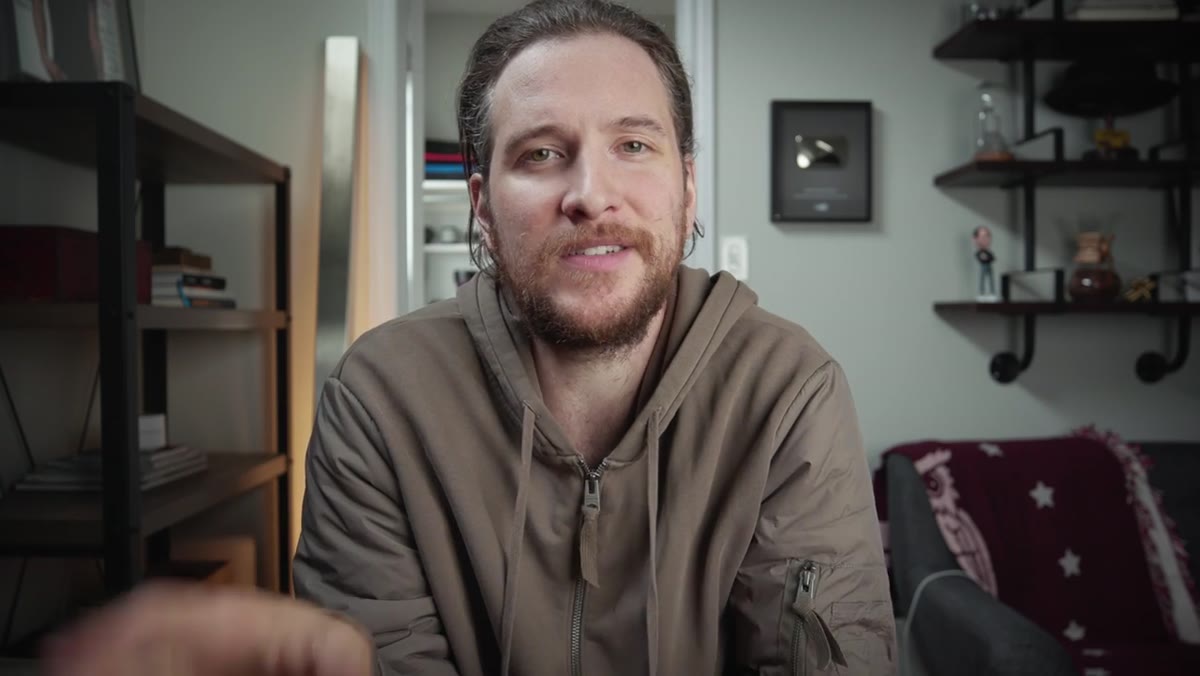 Creator describes a personal phone photo taken before his first video
McKinnon shares a phone photo taken two days before he posted his first YouTube video. He’s clear that it’s not a technically impressive image. But he describes exactly what it captures: a specific moment in time, a specific group of people, a specific feeling of being on the edge of something. He calls it a snapshot that represents his life.
Creator describes a personal phone photo taken before his first video
McKinnon shares a phone photo taken two days before he posted his first YouTube video. He’s clear that it’s not a technically impressive image. But he describes exactly what it captures: a specific moment in time, a specific group of people, a specific feeling of being on the edge of something. He calls it a snapshot that represents his life.
This is a habit every photographer should build deliberately. Shoot for documentation, not just for portfolio. Some of my most valuable images are ones I’d never share publicly. They’re records of where I was, what I was working on, who I was with. I keep a separate folder on my hard drive called “Reference Points,” and I add to it regularly. When I look back at those images now, they tell me things about my own eye and my own progress that no amount of formal critique ever could.
Step 3: Pay Attention to What People Are Already Responding To
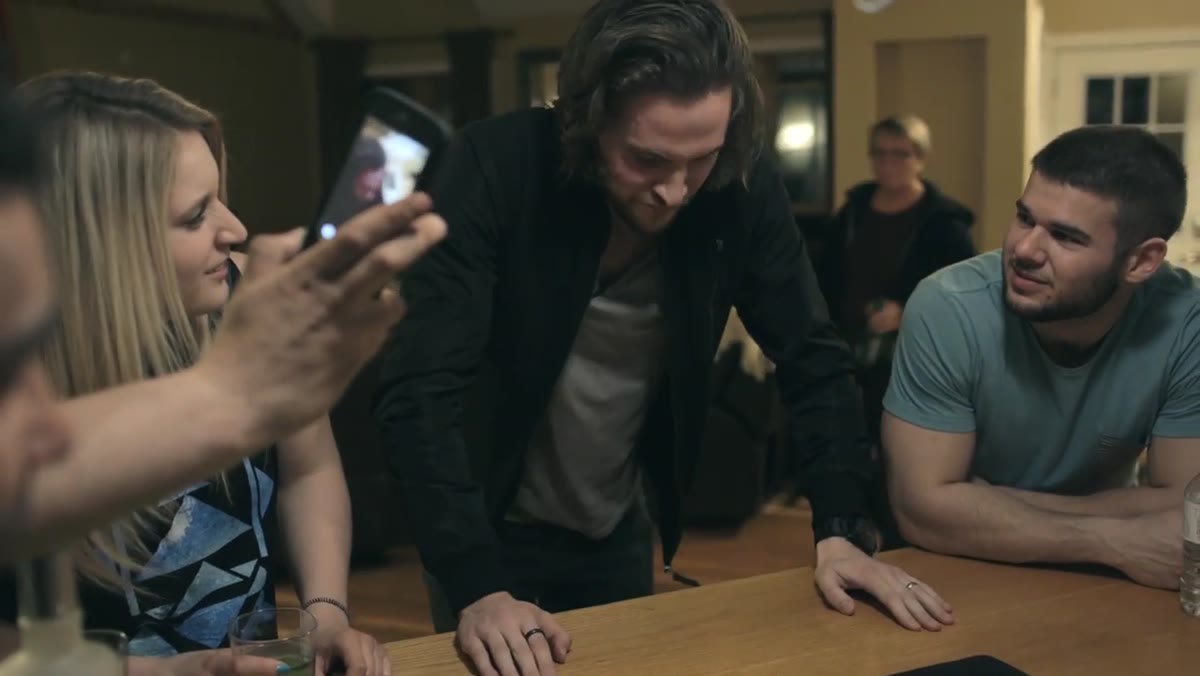 Creator reflects on friends and family asking when the next vlog was coming
After posting only a handful of videos and then going quiet for nearly a year, McKinnon noticed something: people kept asking him when the next one was coming. Friends, family, people who had seen just a few pieces of his work were already expecting more. He describes this as a sign he almost ignored entirely.
Creator reflects on friends and family asking when the next vlog was coming
After posting only a handful of videos and then going quiet for nearly a year, McKinnon noticed something: people kept asking him when the next one was coming. Friends, family, people who had seen just a few pieces of his work were already expecting more. He describes this as a sign he almost ignored entirely.
Photographers get these signals too, and we are notoriously bad at hearing them. Someone asks how you got a shot. A friend shares your image without you asking. A stranger at a coffee shop wants to know what camera you use. These are not small moments. They are data points about what you’re already doing that resonates with people. I started teaching photography because a woman at a Pike Place Market coffee stall asked about a shot I was editing on my laptop, and I realized I had a lot to say about it. I almost brushed her off. Pay attention to the questions people ask you about your work. They’re pointing somewhere.
Step 4: Name the Fear and Work Anyway
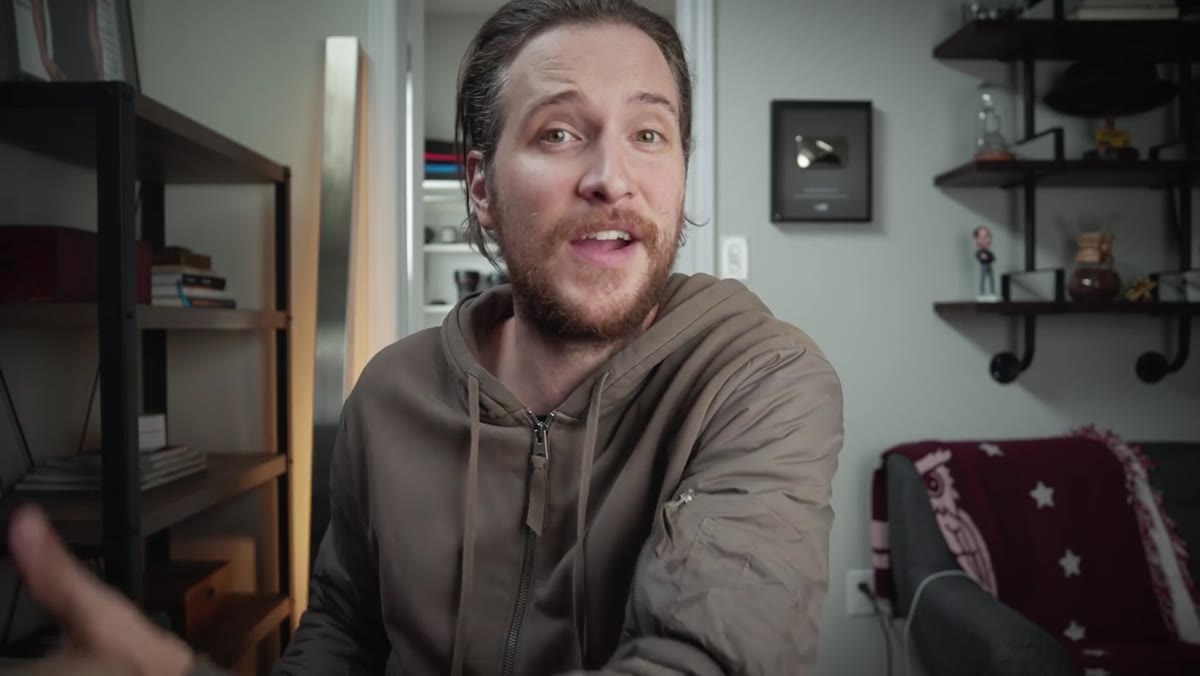 Creator acknowledges fear and hesitation as universal human experience
McKinnon is direct about this: he sat on his creative ambitions for an extended period not because he lacked the skills or the ideas, but because he was scared. He names the specific fears, the leap of faith, the question of whether it’s safe, whether you have what it takes. Then he says something that reframes the whole thing: everybody has those fears, and having them is just part of being human.
Creator acknowledges fear and hesitation as universal human experience
McKinnon is direct about this: he sat on his creative ambitions for an extended period not because he lacked the skills or the ideas, but because he was scared. He names the specific fears, the leap of faith, the question of whether it’s safe, whether you have what it takes. Then he says something that reframes the whole thing: everybody has those fears, and having them is just part of being human.
For photographers, fear tends to show up in specific disguises. “My gear isn’t good enough yet.” “I’ll start sharing my work once I’ve improved more.” “I don’t want to post until I have a cohesive body of work.” I’ve said all of these things. Most of them were excuses built on fear, not real logistical problems. The gear objection is the one I hear most often, and it’s the one I push back on hardest. My most-liked Instagram image was taken on a phone that cost less than a decent UV filter. The camera is not the barrier. Fear is the barrier.
Step 5: Commit to Consistency Before Confidence Arrives
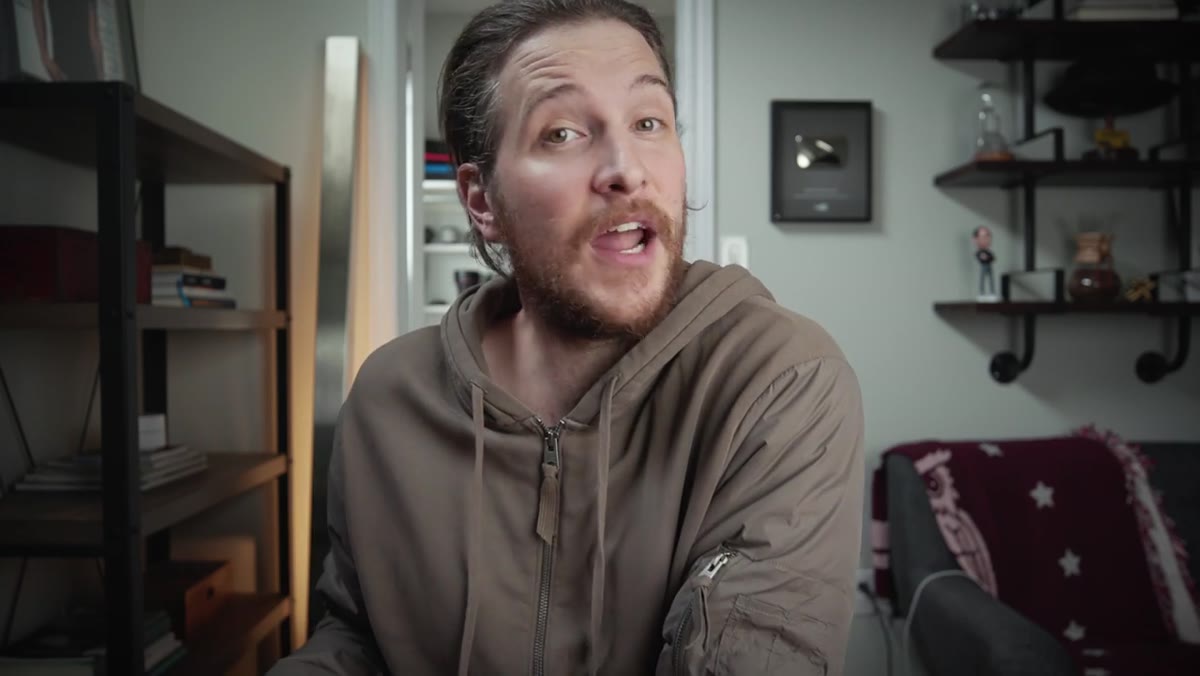 Creator describes quitting after early test videos, then restarting with commitment
The sequence McKinnon describes is important: he tested, quit, was encouraged by others, and then eventually committed. The commitment came before the confidence. He didn’t restart because he suddenly felt certain it would work. He restarted because the signs were there and he decided to trust them.
Creator describes quitting after early test videos, then restarting with commitment
The sequence McKinnon describes is important: he tested, quit, was encouraged by others, and then eventually committed. The commitment came before the confidence. He didn’t restart because he suddenly felt certain it would work. He restarted because the signs were there and he decided to trust them.
This is the pattern I see in photographers who actually develop their craft versus those who stay stuck. The ones who grow are not the ones who waited until they felt ready. They’re the ones who showed up on Sunday mornings when the light was flat and their coffee was cold and they didn’t feel particularly inspired. Consistency builds skill. Skill builds confidence. You cannot shortcut the order of those three things.
What I’d Add From My Own Experience
McKinnon’s story is primarily about YouTube, but everything he describes maps onto a photography practice with almost no translation needed. The one thing I’d layer on top of his framework is this: document your creative evolution with the same intention you bring to documenting anything else.
Shoot a self-portrait every six months. Keep your outtakes folder. Screenshot the image that got zero engagement next to the one that surprised you. Over time, the pattern of what’s working, and more importantly why it’s working, becomes visible. Your archive is your teacher. Most photographers I know treat their hard drives like a storage unit. Treat yours like a research library instead.
The single most important thing McKinnon’s story communicates is this: the signs pointing toward your creative future are usually already there. The question is whether you’re paying attention and whether you’re willing to act on what they’re telling you, before you feel completely ready to do so.
Watch the full tutorial on YouTube
Comments
Leave a Comment