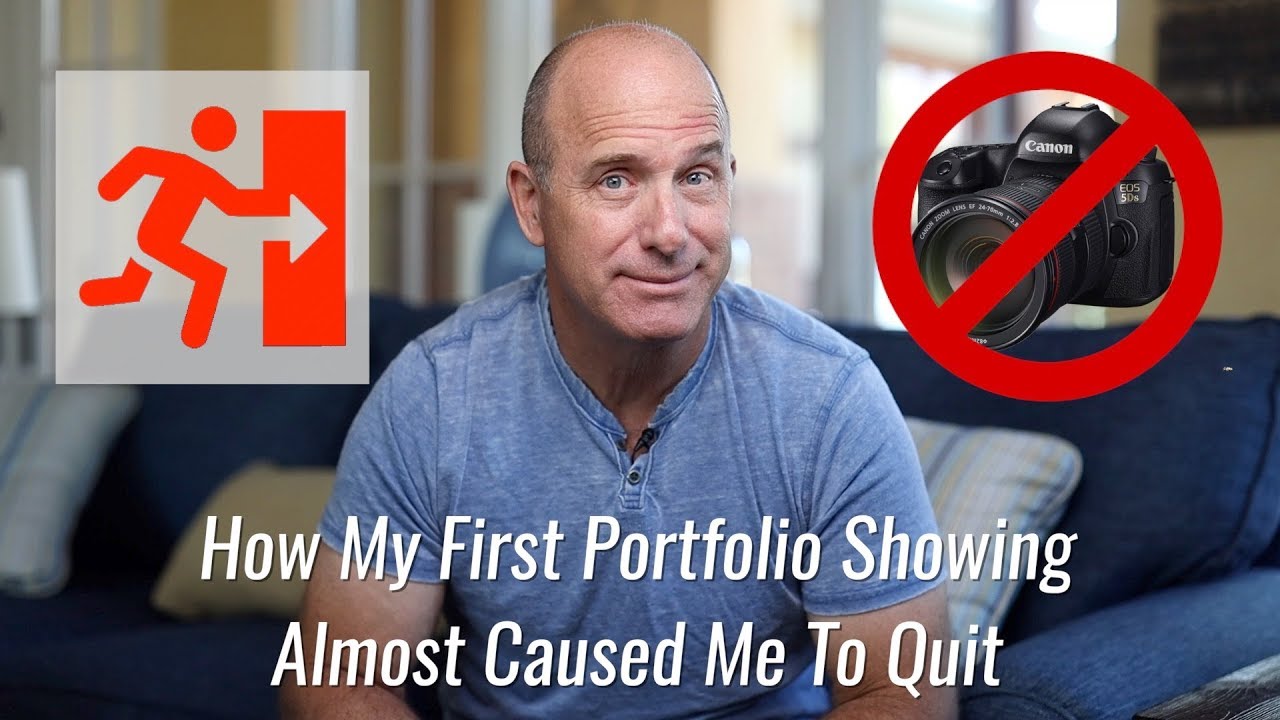
There’s a moment most photographers don’t talk about. Not the moment they got their first paying client, or the day their work finally clicked. The moment they almost stopped entirely. I’ve had mine. A travel client once looked at six months of work I’d poured everything into and said, “These feel a little generic.” I drove home in silence and genuinely wondered if I should just go back to my old job. What kept me going wasn’t a technique or a new lens. It was hearing stories from photographers who had been exactly where I was and came out the other side.
That’s why this particular tutorial from Joel Grimes stopped me mid-scroll. Watch the full tutorial on YouTube — it’s not about lighting ratios or retouching workflows. It’s about the invisible part of building a photography career: what happens when the first door slams in your face. Joel is a commercial photographer with decades of work behind him, and in this video he pulls back the curtain on the portfolio showing that nearly ended everything before it started. The lessons here aren’t abstract. They’re a step-by-step account of how he survived his earliest failure, and they map almost exactly onto the challenges working photographers face today.
Step 1: Make the cold calls anyway
 Joel describing his first cold call experience in studio
In the mid-1980s, fresh out of a fine arts photography program, Joel had no clients and no connections in his new city. The only path forward was picking up the phone and calling ad agencies cold. He credits a studio mate, a naturally gifted marketer, for pushing him to actually do it. The lesson here isn’t that you need a marketing genius by your side. It’s that most photographers wait until they feel ready to start reaching out, and that moment never arrives. Make the uncomfortable contact before you feel prepared. The discomfort doesn’t go away with more preparation. It goes away with repetition.
Joel describing his first cold call experience in studio
In the mid-1980s, fresh out of a fine arts photography program, Joel had no clients and no connections in his new city. The only path forward was picking up the phone and calling ad agencies cold. He credits a studio mate, a naturally gifted marketer, for pushing him to actually do it. The lesson here isn’t that you need a marketing genius by your side. It’s that most photographers wait until they feel ready to start reaching out, and that moment never arrives. Make the uncomfortable contact before you feel prepared. The discomfort doesn’t go away with more preparation. It goes away with repetition.
Step 2: Build a portfolio you believe in before you show it
 Joel describing laminated portfolio boards with custom case
Joel showed up to his first creative director meeting with 35 laminated boards, a custom case, and a logo on every piece. The physical care he put into his presentation mattered to him, even if the meeting didn’t go the way he hoped. The takeaway is simple: your portfolio should reflect how seriously you take your own work. That doesn’t mean expensive materials. It means curation, intentionality, and presenting your images in a way that communicates professionalism before you say a word. Whether you’re showing a printed book or a digital PDF, the packaging sends a signal. Make sure that signal matches the quality of the work inside.
Joel describing laminated portfolio boards with custom case
Joel showed up to his first creative director meeting with 35 laminated boards, a custom case, and a logo on every piece. The physical care he put into his presentation mattered to him, even if the meeting didn’t go the way he hoped. The takeaway is simple: your portfolio should reflect how seriously you take your own work. That doesn’t mean expensive materials. It means curation, intentionality, and presenting your images in a way that communicates professionalism before you say a word. Whether you’re showing a printed book or a digital PDF, the packaging sends a signal. Make sure that signal matches the quality of the work inside.
Step 3: Expect the door to close and walk in anyway
 Joel describing entering the ad agency portfolio showing
The creative director Joel met with looked at four of his 35 boards, told him the Denver market was oversaturated with photographers, and suggested he move back to where he came from. That was it. Meeting over. If you’ve ever shown your work and had someone brush past it without real engagement, you know exactly how that feels. Joel’s point here isn’t that you should expect every showing to go well. It’s that a single dismissal, even a sharp one, is not a verdict on your potential. It is one data point from one person on one afternoon. The mistake is treating it like a final answer.
Joel describing entering the ad agency portfolio showing
The creative director Joel met with looked at four of his 35 boards, told him the Denver market was oversaturated with photographers, and suggested he move back to where he came from. That was it. Meeting over. If you’ve ever shown your work and had someone brush past it without real engagement, you know exactly how that feels. Joel’s point here isn’t that you should expect every showing to go well. It’s that a single dismissal, even a sharp one, is not a verdict on your potential. It is one data point from one person on one afternoon. The mistake is treating it like a final answer.
Step 4: Let yourself feel it, then don’t act on it
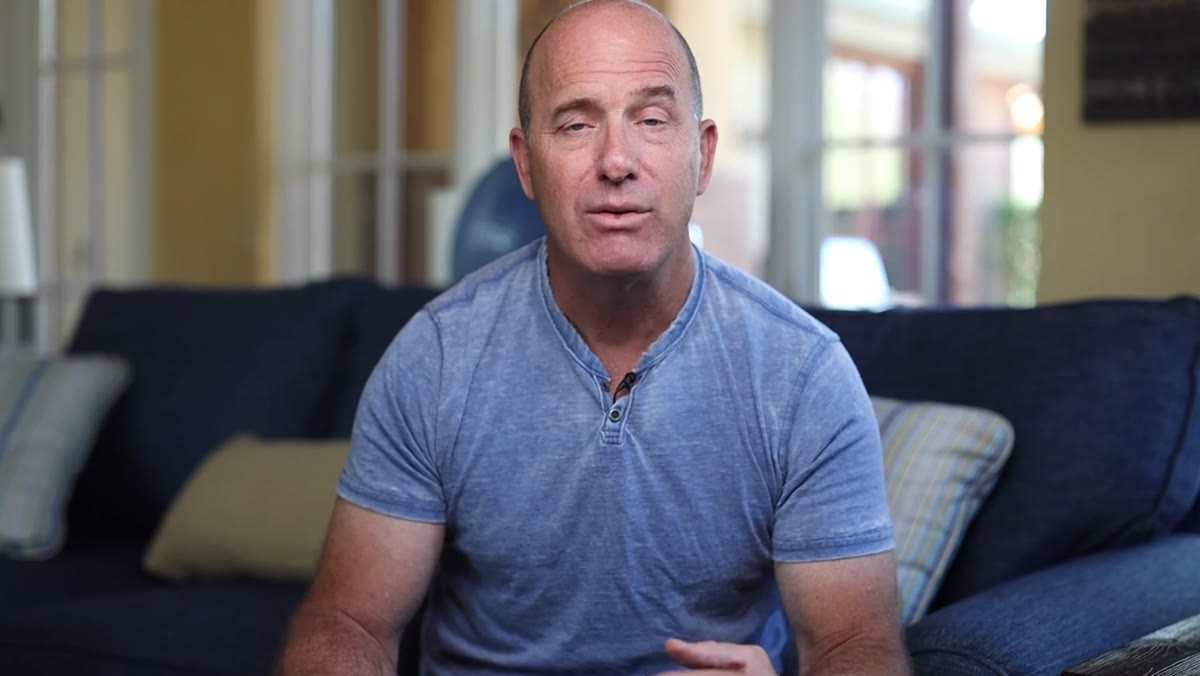 Joel describing the drive back to the studio after rejection
Joel describes the drive back to his studio after that meeting as one of the hardest moments of his early career. He’s candid about the fact that he was close to tears and already planning to pack everything up and quit. What he did right, even though he didn’t know it at the time, was that he didn’t make any permanent decisions in that emotional window. He drove back. He sat with it. His next move came from a conversation, not from that raw, gut-punch moment. When rejection hits, give yourself a boundary. You’re allowed to feel terrible. You’re not allowed to send the cancellation email or take your website down until at least 48 hours have passed.
Joel describing the drive back to the studio after rejection
Joel describes the drive back to his studio after that meeting as one of the hardest moments of his early career. He’s candid about the fact that he was close to tears and already planning to pack everything up and quit. What he did right, even though he didn’t know it at the time, was that he didn’t make any permanent decisions in that emotional window. He drove back. He sat with it. His next move came from a conversation, not from that raw, gut-punch moment. When rejection hits, give yourself a boundary. You’re allowed to feel terrible. You’re not allowed to send the cancellation email or take your website down until at least 48 hours have passed.
Step 5: Borrow someone else’s belief until you rebuild your own
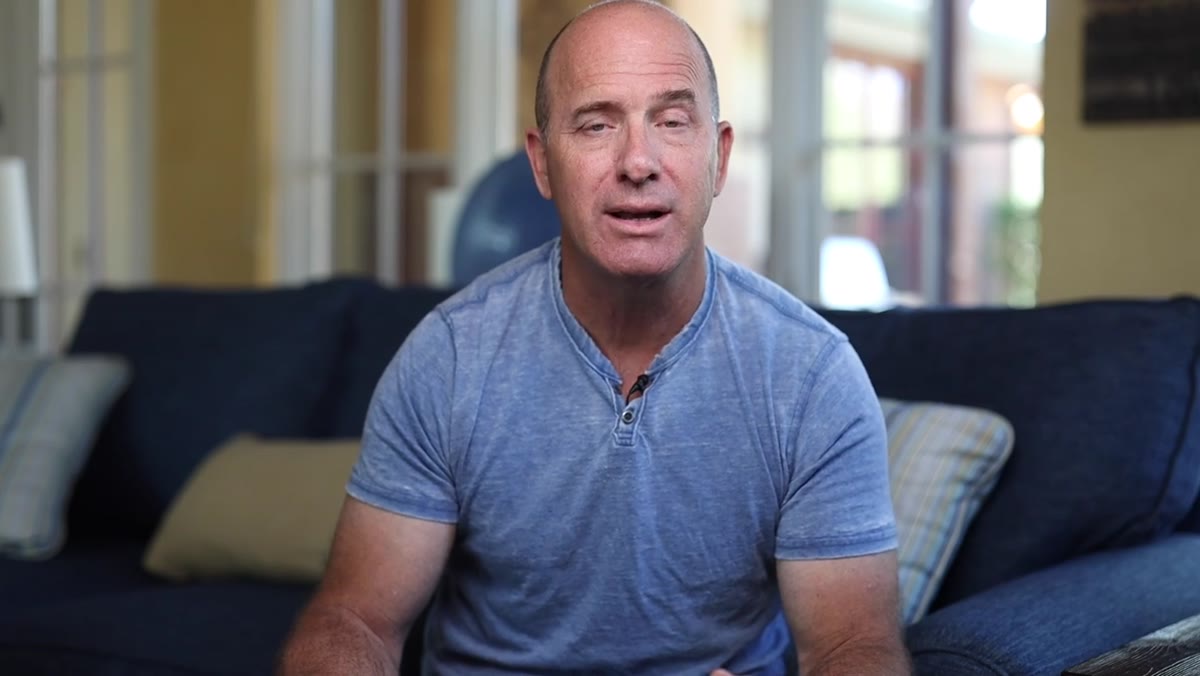 Joel recounting his studio mate’s words about letting one person steal his dream
Joel’s studio mate asked him a question he still thinks about: are you going to let one person steal your dream? At the time, Joel’s honest answer was yes. He was ready to walk away. But his friend didn’t lecture him. He just asked for three more months. Sometimes you don’t need a pep talk. You need someone to loan you a small, specific amount of hope. If you don’t have a studio mate, find a photography community, an online forum, a mentor, another photographer at a similar stage. The creative career is not designed to be weathered alone, and asking for that kind of support is not weakness. It’s strategy.
Joel recounting his studio mate’s words about letting one person steal his dream
Joel’s studio mate asked him a question he still thinks about: are you going to let one person steal your dream? At the time, Joel’s honest answer was yes. He was ready to walk away. But his friend didn’t lecture him. He just asked for three more months. Sometimes you don’t need a pep talk. You need someone to loan you a small, specific amount of hope. If you don’t have a studio mate, find a photography community, an online forum, a mentor, another photographer at a similar stage. The creative career is not designed to be weathered alone, and asking for that kind of support is not weakness. It’s strategy.
Step 6: Go back to the place that rejected you
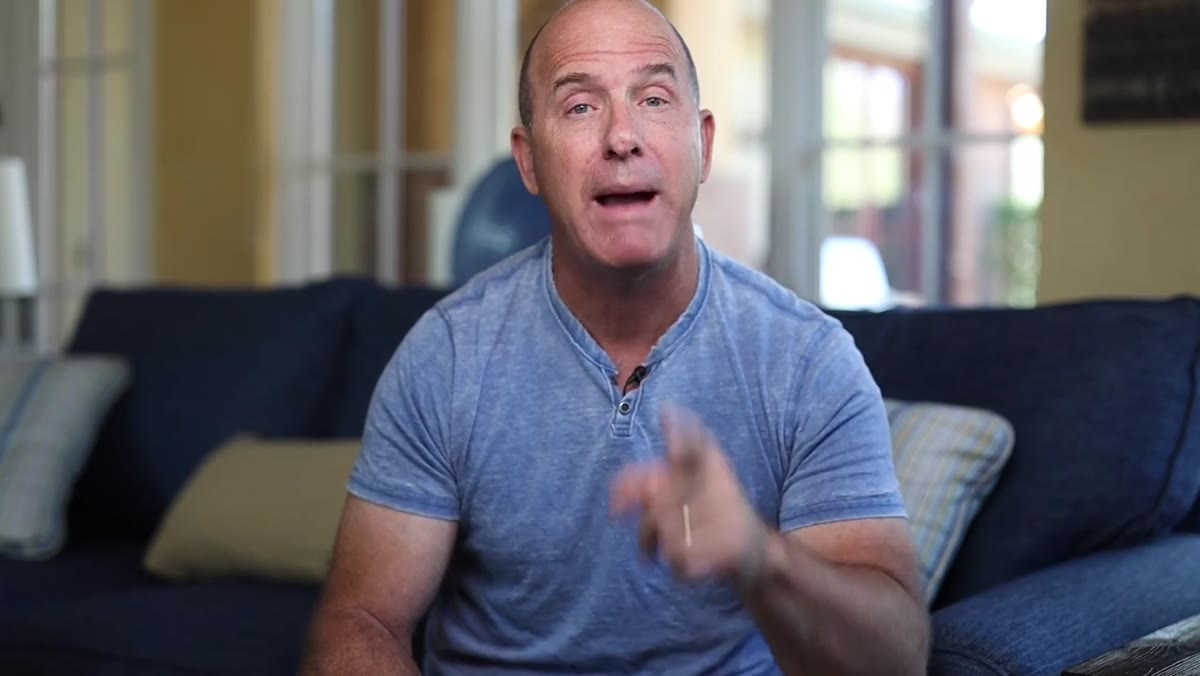 Joel describing his studio mate advising him to return to the ad agency
This is the step most people skip. After Joel started getting a little work and stabilizing, his friend pushed him to go back to that same agency. Not to the creative director who dismissed him, but to find an art director and try again with a different person in a different role. Joel admits his first instinct involved a brick and a window. But the logic is sound. A building full of people is not a monolith. One person’s “no” does not close every door in that organization. Going back with a refined portfolio to a different contact is not desperation. It’s market research with legs.
Joel describing his studio mate advising him to return to the ad agency
This is the step most people skip. After Joel started getting a little work and stabilizing, his friend pushed him to go back to that same agency. Not to the creative director who dismissed him, but to find an art director and try again with a different person in a different role. Joel admits his first instinct involved a brick and a window. But the logic is sound. A building full of people is not a monolith. One person’s “no” does not close every door in that organization. Going back with a refined portfolio to a different contact is not desperation. It’s market research with legs.
What I’d add from my own experience
The part of Joel’s story that resonates most with me is how specific his friend’s advice was. Not “keep going” or “believe in yourself,” but three more months. That precision matters. Vague encouragement is easy to dismiss. A concrete, bounded commitment is something you can actually honor. When I was questioning whether travel photography was worth pursuing, I gave myself a single project with a deadline: document the Seattle waterfront for 30 consecutive days. It didn’t change my circumstances. It gave me a container to work inside of, and that was enough to get momentum moving again. When you’re close to quitting, don’t ask yourself if you should keep going forever. Ask if you can keep going until Thursday.
The single most transferable thing in Joel’s story is this: the photographers who build lasting careers are not the ones who avoided rejection. They’re the ones who didn’t let any one rejection become a permanent stopping point. Persistence isn’t a personality trait you’re born with. It’s a decision you make, often more than once, on the same dream.
Watch the full tutorial on YouTube to hear Joel tell this story in his own words. It’s worth every minute.
Comments
Leave a Comment