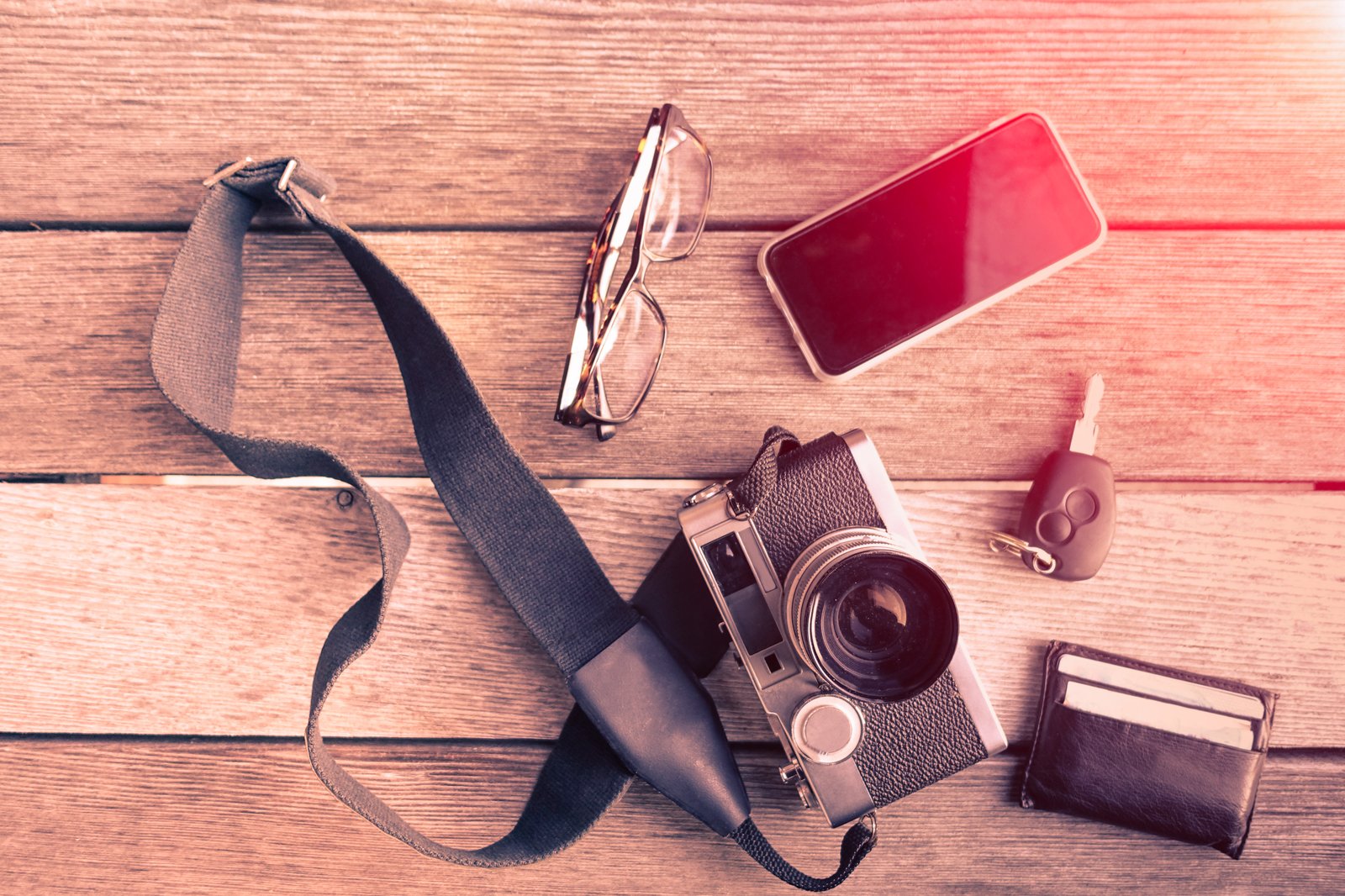
A Glimpse Into Photography’s Hands-On Past
When I started researching analog darkroom work, I was struck by how many photographers under 40 have never experienced the tactile, deliberate process of creating prints in a light-sealed room. The darkroom represented something distinctly different from our current digital workflow—a space where patience, precision, and physical skill determined your final image.
Today, I want to walk you through eight tools that were absolutely essential to this process, not because they’re nostalgic artifacts, but because understanding them teaches us something valuable about intentional photography.
The Eight Tools That Made It Possible
-
The enlarger – Think of this as the printer of the darkroom era, projecting your negative onto light-sensitive paper with adjustable magnification.
-
Dodging and burning tools – These handheld devices allowed photographers to selectively lighten or darken specific areas during exposure, a technique we now replicate in post-processing software.
-
The safelight – A red or amber bulb designed specifically not to expose black-and-white paper, enabling you to work without complete darkness.
-
Print easel – A precision frame that held paper flat and allowed you to adjust borders and composition before exposure.
-
Chemical trays – Dedicated containers for developer, stop bath, and fixer, each maintained at precise temperatures.
-
Timer – Accuracy was everything; exposure times often lasted seconds.
-
Thermometer – Temperature control directly affected development results and print quality.
-
Focusing magnifier – This tool ensured your projected image was perfectly sharp before exposing the paper.
Why This Matters Today
What strikes me most about these tools is that each one solved a real, specific problem. They weren’t convenient—the workflow was slow, messy, and demanded your complete attention. Yet that limitation forced photographers to think carefully about every image before committing it to paper.
As digital photographers, we’ve gained incredible flexibility and efficiency. But we’ve also gained the ability to be careless. Understanding how these darkroom tools functioned reminds us that great photography has always required deliberation, technical knowledge, and respect for our process.
The Takeaway
Whether you ever step into a darkroom or not, I encourage you to study these tools and techniques. They reveal fundamental principles about exposure, tonal control, and intentional image-making that remain relevant regardless of your medium.
The darkroom wasn’t quaint—it was powerful. And that power came from understanding your craft deeply.
Comments
Leave a Comment