I have a complicated relationship with Instagram. I’ve watched my most carefully edited travel shots get half the engagement of a blurry phone snap I posted on a whim, and I’ve refreshed the notifications screen more times than I’d like to admit, waiting for a number to validate an image I already knew I loved. If that sounds familiar, this breakdown is for you.
Watch the full tutorial on YouTube
In this Sean Tucker tutorial, he cuts through the noise around Instagram growth advice and makes a straightforward case: most photographer frustration with the platform comes down to misaligned expectations, not a broken algorithm or mediocre work. His framing isn’t pessimistic. It’s freeing. And the two-part framework he lays out, one “do” and one “don’t,” is the kind of clarity I wish someone had handed me years ago when I was obsessing over follower counts instead of actually making pictures.
Step 1: Reframe What Instagram Is
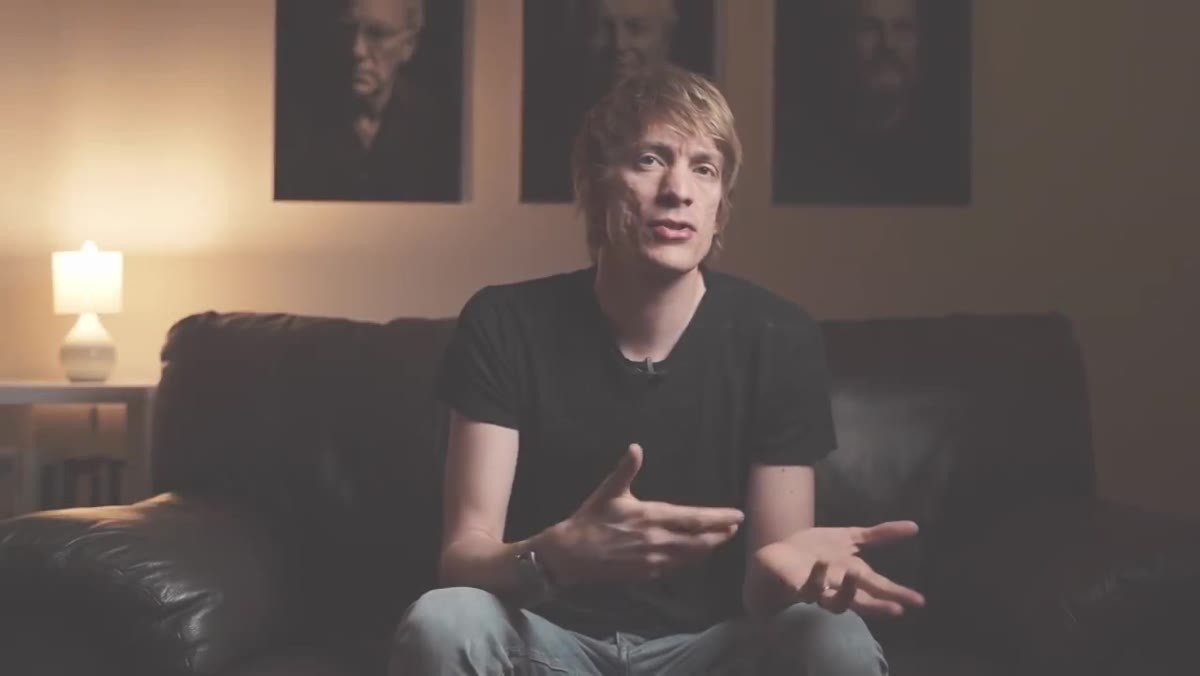 Social network described on screen as “just a tool”
Tucker’s opening move is to put Instagram in its place, not dismiss it, but stop treating it like a judge. He compares it directly to a camera: the tool doesn’t make you a great photographer. How you use it does. That comparison stuck with me because I’ve never blamed my camera for a bad photo. I know the problem is usually my eye, my timing, or my light. Instagram deserves the same honest accounting.
Social network described on screen as “just a tool”
Tucker’s opening move is to put Instagram in its place, not dismiss it, but stop treating it like a judge. He compares it directly to a camera: the tool doesn’t make you a great photographer. How you use it does. That comparison stuck with me because I’ve never blamed my camera for a bad photo. I know the problem is usually my eye, my timing, or my light. Instagram deserves the same honest accounting.
Practically, this means stopping the habit of evaluating your work by what performs well on the platform. Your images have value before they hit a feed. Start from that position and the whole experience shifts.
Step 2: Stop Chasing Attention as the Primary Goal
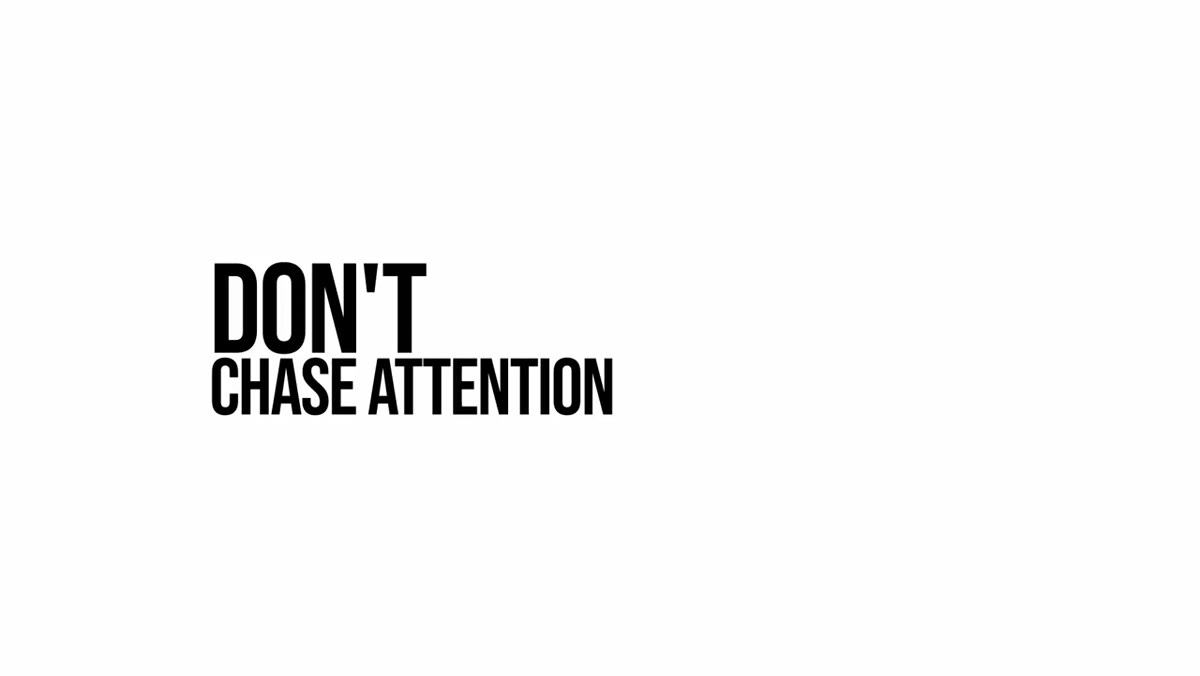 Tucker speaking directly to camera, framing the “Don’t” rule
This is Tucker’s central “don’t,” and he’s direct about it: there is no guaranteed system for Instagram success, and anyone selling you one is oversimplifying. He runs through the standard checklist advice, posting consistently, using hashtags, writing good captions, engaging with other accounts, and acknowledges that all of it is genuinely useful. But useful is not the same as guaranteed. Following a checklist will not flood your account with thousands of followers if the algorithm is a black box and your images haven’t yet found their audience.
Tucker speaking directly to camera, framing the “Don’t” rule
This is Tucker’s central “don’t,” and he’s direct about it: there is no guaranteed system for Instagram success, and anyone selling you one is oversimplifying. He runs through the standard checklist advice, posting consistently, using hashtags, writing good captions, engaging with other accounts, and acknowledges that all of it is genuinely useful. But useful is not the same as guaranteed. Following a checklist will not flood your account with thousands of followers if the algorithm is a black box and your images haven’t yet found their audience.
The instruction here is practical: audit your motivation every time you open the app. If you’re posting primarily to chase a number, that expectation will keep disappointing you. Post because the image is worth sharing, and let the engagement be secondary data rather than the verdict.
Step 3: Understand How Follower Counts Actually Work
 Tucker referencing his own follower count as a case study
Tucker uses himself as the example here, which I respect. He had around 180,000 Instagram followers at the time of the video, and he’s clear that those followers didn’t appear because he cracked some secret code or because his photography suddenly became genius-level. They migrated from his YouTube audience. Before YouTube, he had 2,000 to 3,000 followers. The work didn’t change overnight. The pipeline did.
Tucker referencing his own follower count as a case study
Tucker uses himself as the example here, which I respect. He had around 180,000 Instagram followers at the time of the video, and he’s clear that those followers didn’t appear because he cracked some secret code or because his photography suddenly became genius-level. They migrated from his YouTube audience. Before YouTube, he had 2,000 to 3,000 followers. The work didn’t change overnight. The pipeline did.
This is worth sitting with for a moment. A large Instagram following is almost never built inside Instagram alone. It usually rides in from somewhere else, whether that’s YouTube, a blog, word of mouth, press coverage, or a single viral moment on another platform. If you’re building from scratch inside Instagram only, growth will be slower, and that’s not a failure. That’s just the math.
Step 4: Recognize What Likes Actually Measure
 Tucker describing a commenter comparing like counts between accounts
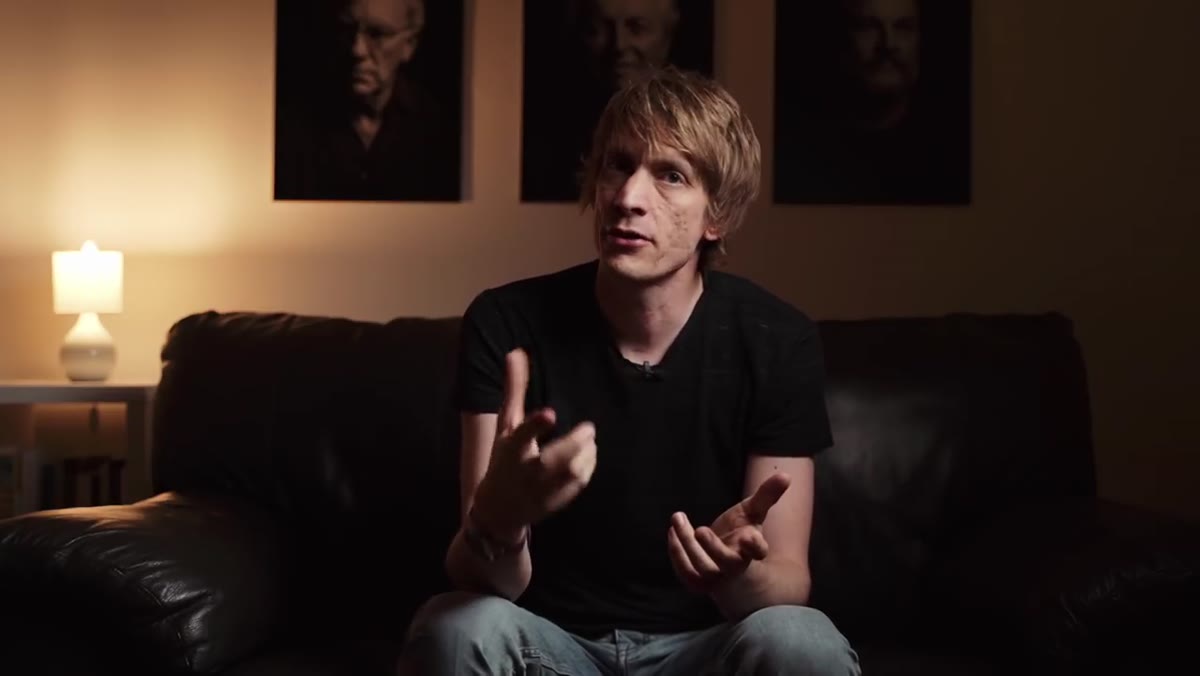
Tucker shares a story about a photographer who commented on one of his photos, frustrated that the same image on their account would get 30 likes while Tucker’s got 7,000. Tucker’s response is the most clarifying part of the video. The difference isn’t image quality. It’s audience size. Seven thousand likes out of 180,000 followers is actually a modest engagement rate. It just looks impressive because the total number is large.
Tucker describing a commenter comparing like counts between accounts
Tucker shares a story about a photographer who commented on one of his photos, frustrated that the same image on their account would get 30 likes while Tucker’s got 7,000. Tucker’s response is the most clarifying part of the video. The difference isn’t image quality. It’s audience size. Seven thousand likes out of 180,000 followers is actually a modest engagement rate. It just looks impressive because the total number is large.
Likes measure one thing: how many of your existing followers chose to tap a button on a given day. They do not measure artistic merit, technical skill, or whether your image is objectively better or worse than someone else’s. Treating likes as a ranking system will warp how you see your own work, and that’s a real cost. Use engagement as feedback on what resonates with your specific audience, not as a grade on the photograph itself.
Step 5: Find the Immediate, Concrete Value Instagram Offers You Right Now
 Tucker framing the goal of finding daily value from the platform
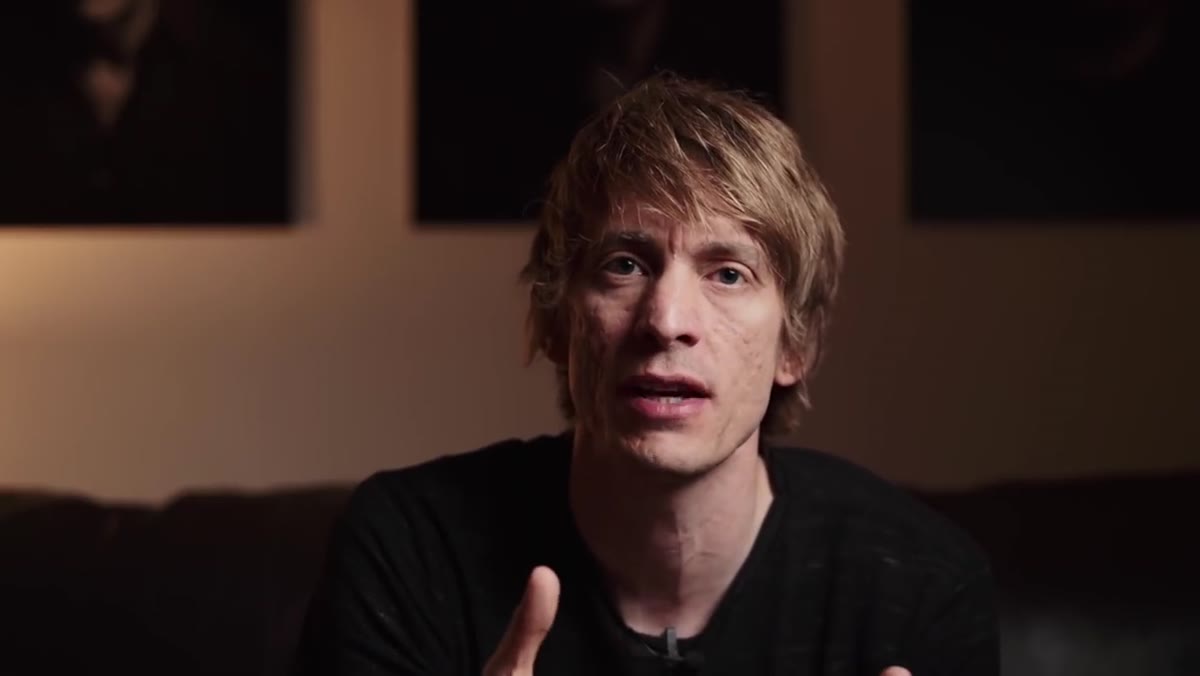
Tucker’s “do” is quieter than the “don’t,” but it’s where the practical payoff lives. Instead of waiting for Instagram to deliver fame or a client inquiry, he asks: what is this platform giving me today that adds genuine value? That might be accountability, because posting regularly keeps you shooting. It might be community, because a handful of engaged followers who actually respond to your work is worth more than a thousand passive ones. It might be a visual archive of your creative progress over months and years.
Tucker framing the goal of finding daily value from the platform
Tucker’s “do” is quieter than the “don’t,” but it’s where the practical payoff lives. Instead of waiting for Instagram to deliver fame or a client inquiry, he asks: what is this platform giving me today that adds genuine value? That might be accountability, because posting regularly keeps you shooting. It might be community, because a handful of engaged followers who actually respond to your work is worth more than a thousand passive ones. It might be a visual archive of your creative progress over months and years.
For me, this reframe was the most useful shift. When I stopped treating Instagram as a career accelerator and started treating it as a sketchbook that other people could look at if they wanted, my relationship with posting changed completely. I became more consistent, not less, because I was no longer dreading the judgment.
What I’d Add From My Own Experience
Tucker’s framework is solid, and I’d extend it one step further for anyone still early in building an audience: give yourself a specific use for the platform that has nothing to do with followers. My Sunday photo walks started as a personal ritual, but I began posting one image from each walk to Instagram as a kind of documentation. Some weeks those posts got 40 likes. Some got a few hundred. But the walks happened every week regardless, and over time that consistency became the habit, not the likes.
One more thing worth saying: the most engagement I ever got on a single Instagram post came from a photo I shot on a $200 phone on a trip to Japan. It wasn’t technically impressive. It was just honest and specific and came from a moment I genuinely cared about. That told me more about what Instagram actually rewards than any growth guide I’ve ever read.
The single most important thing Tucker communicates is this: Instagram is a tool, and tools serve you, not the other way around. Define what value looks like for your specific situation, measure that, and stop letting an algorithm determine whether your photography matters.
Watch the full tutorial on YouTube to hear Tucker work through both the “do” and the “don’t” in his own words. He’s a straight talker, and this one is worth the full watch.
Comments
Leave a Comment