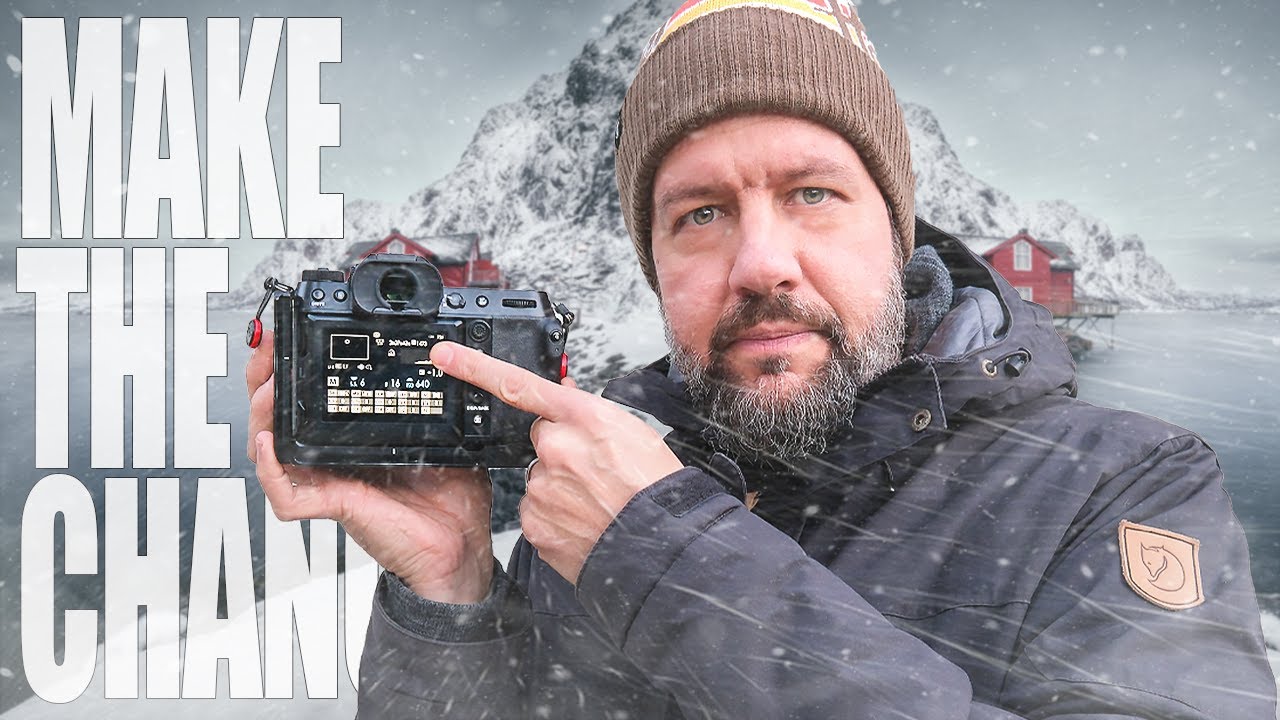
Every Sunday morning I do a photo walk. No agenda, no client, no shot list. Just me, whatever camera I grabbed on the way out the door, and about two hours before the coffee shops get crowded. It’s supposed to be pure and slow and deliberate. But somewhere in the last year or so, I noticed my Sunday walks were producing 300+ images and maybe three I actually liked. I’d come home, dump the card, and spend an hour deleting near-identical frames of the same fire hydrant I photographed “just in case the light was slightly better.” It wasn’t.
So when I came across this Mark Denney tutorial, Watch the full tutorial on YouTube, I recognized the problem he was describing immediately. Mark is a landscape photographer who realized that across 2023, he was shooting more, discarding more, and somehow keeping exactly the same number of portfolio-worthy images. More shots, same results. That’s not productivity. That’s just noise. His fix was a 30-day experiment in constraint, and what he found on the other side surprised even him.
Here’s how he structured the experiment, broken into the steps you can actually follow yourself.
Step 1: Identify Your “Just In Case” Habit
 Photographer recognizing extra photos taken without clear reason
Before you can fix a bad shooting habit, you have to name it. Mark’s version was what he calls the “just in case” photo: you’re on location, the scene isn’t really doing it for you, but you fire off a few frames anyway because maybe, possibly, you’ll feel differently about it on your laptop at home. Spoiler: you won’t.
Spend a few minutes before your next shoot looking back at your last card dump. Count how many images are near-duplicates, how many you can’t remember taking, and how many you kept only out of a vague hope they’d improve in Lightroom. That number is your baseline. If it’s high, you’re already doing the thing Mark was doing.
Step 2: Recognize the Digital Crutch
 Mark explaining the mentality of shooting freely on digital
The core problem Mark identifies is that digital photography makes it very easy to be sloppy. SD cards are cheap. Storage is cheap. Deleting is free. So the logic becomes: shoot everything, sort it out later. And that logic isn’t entirely wrong, by the way. When you’re focus stacking, or bracketing exposure for a tricky sky, shooting multiple frames is the technically correct choice.
But there’s a difference between intentional bracketing and reflexive volume. One is a tool. The other is avoidance. If you’re firing off shots because you’re not quite sure of your composition, your settings, or whether the scene is worth photographing at all, that’s the crutch. Naming it honestly is uncomfortable, but it’s the step that makes everything else possible.
Step 3: Set a Hard Limit Before You Shoot
 Photographer preparing camera with intentional mindset before a session
Mark’s experiment was simple in structure: for January, he imposed a strict limit on how many frames he allowed himself per outing. The specific number matters less than the act of choosing one before you leave the house. Think of it like a film roll. If you loaded a 36-exposure roll of film, every frame costs something. You slow down. You look longer. You decide before you press the shutter, not after.
Pick a number that feels slightly uncomfortable. If you normally shoot 200 frames on a walk, try 40. Write it down. Put it in your phone notes before you go out. The constraint is the whole point, so don’t be generous with yourself on this one.
Step 4: Slow Down the Decision Before the Shot
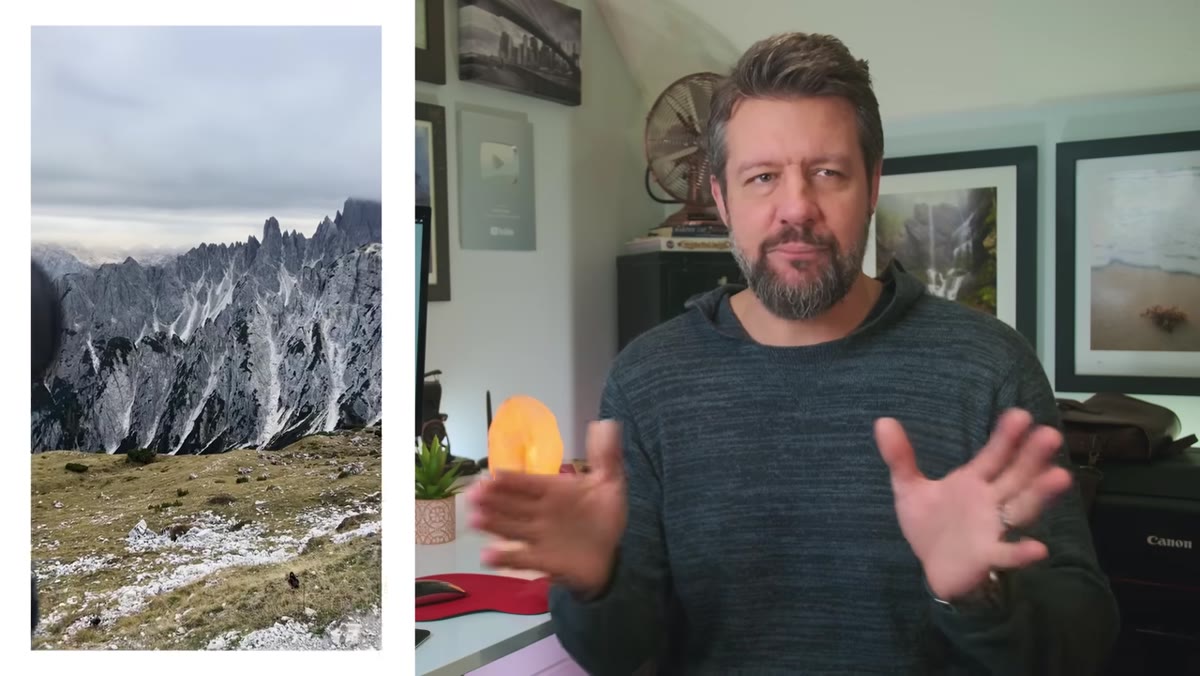 Mark reflecting on the deliberate composition process in the field
With a limit in place, your behavior in the field changes automatically. Instead of shooting your way to a composition, you start thinking your way to one. Walk the scene first. Look at it from multiple angles without raising the camera. Ask yourself whether you’d actually print this, post this, or show it to someone. If the honest answer is probably not, move on.
This sounds obvious, but most of us never actually do it. I’ve caught myself lifting my camera toward a scene I had zero emotional connection to, purely out of habit. The discipline of a frame limit forces a small but real pause between impulse and action.
Step 5: Cull Immediately After Each Shoot
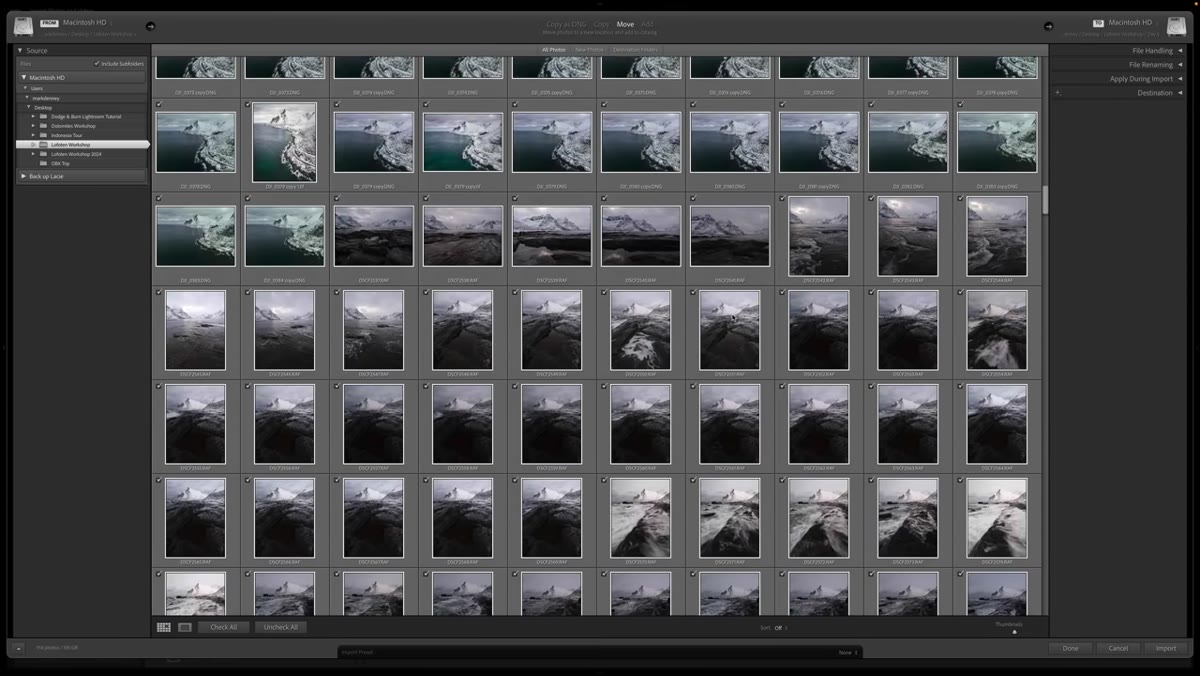 Mark describing the culling process and time spent sorting images
One of the clearest signals that the “just in case” habit is out of control is how long culling takes. Mark describes coming home from trips and spending enormous amounts of time just getting down to a manageable set of images, digging through noise to find the few actual keepers buried inside.
After each constrained session, cull right away while the context is fresh. You’ll know immediately which frames you shot with intention and which ones snuck in out of old habit. Rate them honestly. The goal isn’t to have a high keeper rate from the total. It’s to notice whether the ratio improves when you shot with limits compared to when you didn’t.
Step 6: Review the Results After 30 Days
 Mark noting the surprising and enlightening nature of his results
Mark kept this experiment going through all of January before sharing what he found, because he wasn’t sure it would work. What he discovered was that the results weren’t just about image count. The quality of his keeper images changed. The experience of shooting changed. And the time he spent culling shrank considerably.
After your 30 days, compare your keeper ratio and your time spent culling against whatever baseline you established in Step 1. Also pay attention to something less measurable: how did shooting feel? More intentional work usually feels calmer, even when it’s harder. That shift in feel is a signal worth taking seriously.
My Own Extension: Phone-Only Saturdays
I took Mark’s experiment one step further by adding a phone-only constraint one day a week. My phone has a 12-frame “budget” for each walk, which sounds absurd until you realize how differently you look at a scene when you know you only have twelve shots and a camera with no manual controls. It strips the technical variables completely and forces pure composition decisions.
If you think phone photography is a step backward, I’d push back on that. My most-liked Instagram post ever was taken on a $200 Android, which is exactly how I ended up writing a whole series of articles on intentional shooting. Constraints don’t shrink your creativity. They clarify it.
The single biggest takeaway from Mark’s experiment is this: more frames do not protect you from missing the shot. Intentionality does. Set your limit, slow your eye, and let the constraint do the teaching.
Watch the full tutorial on YouTube to hear Mark walk through his results in his own words, including what specifically surprised him about what 30 days of constraint actually changed.
Comments (1)
Finally someone explains this in a way that actually makes sense.
Leave a Comment