
Every photographer I know has a folder somewhere titled something like “project idea” or “maybe someday.” Mine has lived on my desktop for three years. The problem isn’t motivation. It’s not even time. It’s that most of us don’t have a clear framework for how a personal project actually goes from a vague creative impulse to something finished, published, and in someone else’s hands.
That’s exactly why I kept coming back to this conversation between Sean Tucker and photographer Joshua K. Jackson. Watch the full tutorial on YouTube before or after reading this. In it, Josh walks through the entire arc of his project “Sleepless in Soho,” a multi-year street photography series shot in London’s most restless neighborhood, which he eventually turned into a published monograph. Sean frames the conversation around questions photographers actually ask: How do you sustain a project over years? How does sequencing work? Do you even need a publisher? Josh’s answers are practical in a way that made me feel like I’d had coffee with someone who’d already made all the mistakes I was about to make.
What follows is my breakdown of the key stages Josh describes, structured so you can apply them to whatever project has been living in your own “someday” folder.
Step 1: Let the Project Find You in Real Life
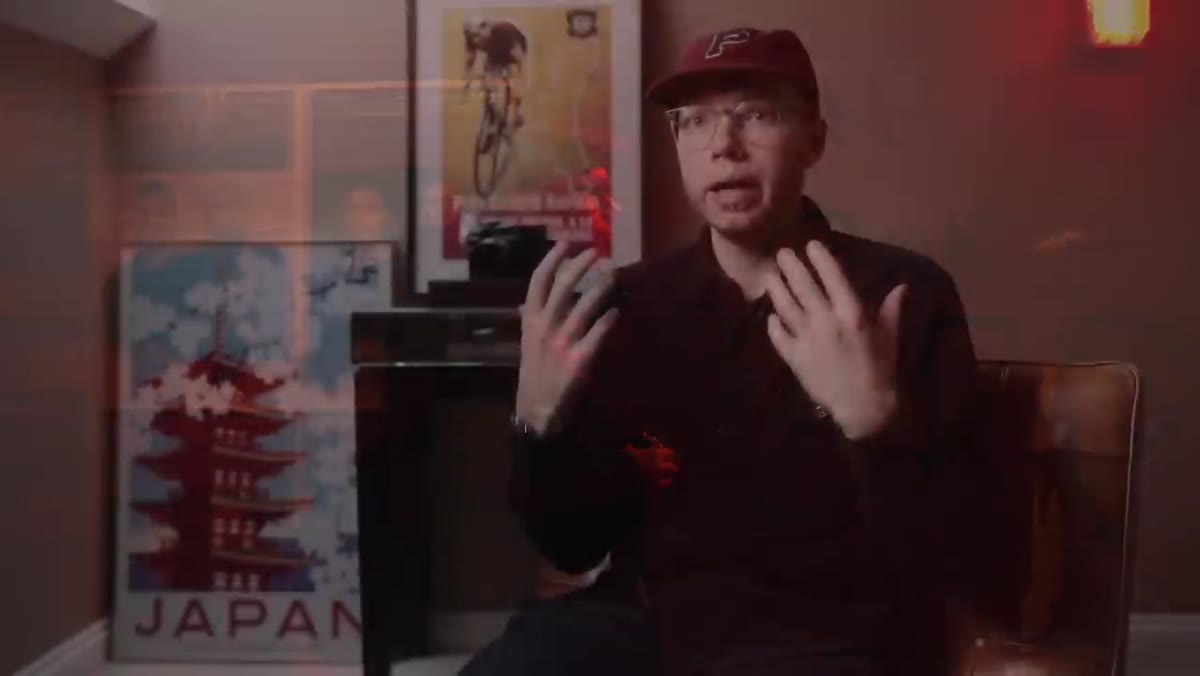 Joshua describing leaving a corporate job to pursue photography full time
Josh didn’t sit down and decide to make a book about Soho. He left a decade-long corporate career, lost his structured sleep schedule completely, and started going out at night with his camera because it was the only thing that quieted his mind. The project grew out of a real, lived experience, not a concept he pitched to himself.
Joshua describing leaving a corporate job to pursue photography full time
Josh didn’t sit down and decide to make a book about Soho. He left a decade-long corporate career, lost his structured sleep schedule completely, and started going out at night with his camera because it was the only thing that quieted his mind. The project grew out of a real, lived experience, not a concept he pitched to himself.
This matters because sustained projects require sustained motivation, and that motivation has to come from somewhere genuine. If you’re picking a subject because it sounds impressive or marketable, you’ll lose steam by month three. Ask yourself what you’re already drawn back to repeatedly, what neighborhood, what community, what time of day, and build from there.
Step 2: Commit to a Location With Layers
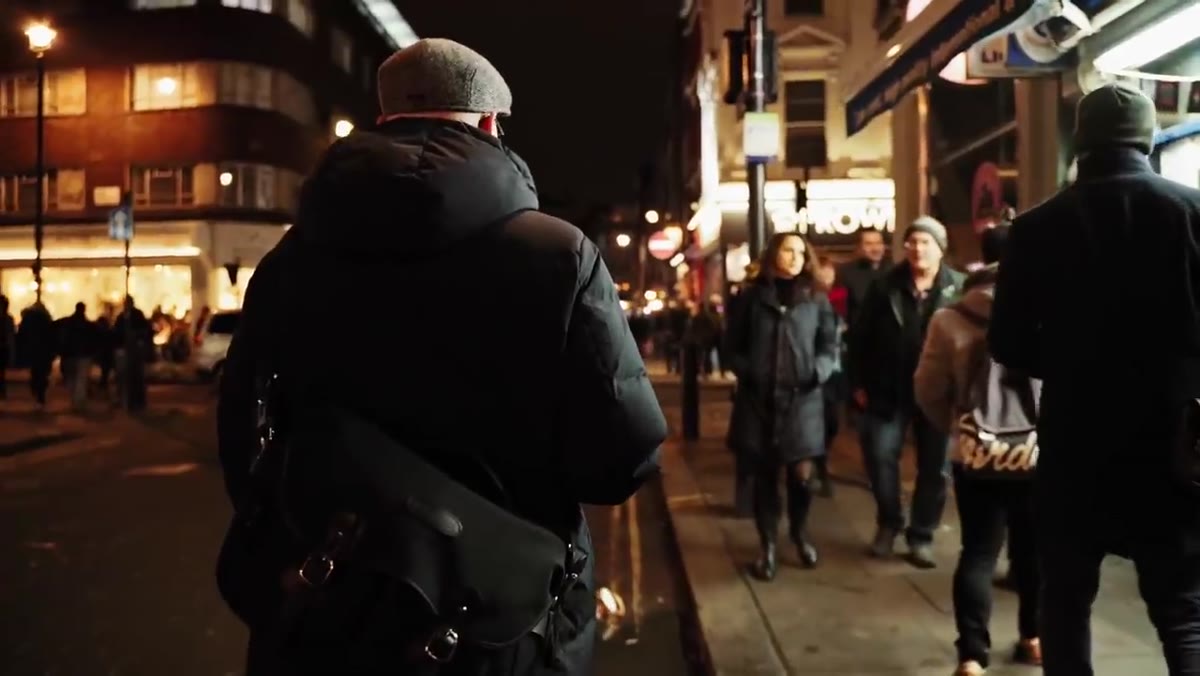 Joshua talking about Soho’s reputation and rapid pace of change
One of the things that made Soho work as a subject is that it carries real weight. It’s a place with a reputation, a history, and a constant churn of change. Josh points out that the Soho he first encountered when he moved to London in 2002 looks dramatically different from the Soho he was photographing in 2017. That tension, between memory and present reality, gave the project depth beyond individual images.
Joshua talking about Soho’s reputation and rapid pace of change
One of the things that made Soho work as a subject is that it carries real weight. It’s a place with a reputation, a history, and a constant churn of change. Josh points out that the Soho he first encountered when he moved to London in 2002 looks dramatically different from the Soho he was photographing in 2017. That tension, between memory and present reality, gave the project depth beyond individual images.
When you’re choosing a location or subject for a long-term project, look for places that have something at stake. A neighborhood undergoing gentrification. A community gathering that’s losing attendance year over year. A landscape being reshaped by climate. The best projects document something that won’t look the same in ten years.
Step 3: Shoot Consistently Over Time, Not Just Intensely for a Weekend
 Joshua describing spending full evenings and whole nights shooting in Soho
Josh describes spending entire nights in Soho, coming home physically and mentally exhausted, and then doing it again. What built the project wasn’t one heroic shoot, it was repetition over months and years. He developed an intimate knowledge of how the neighborhood changed hour by hour, which people showed up at 10pm versus 3am, which corners had the best light in winter.
Joshua describing spending full evenings and whole nights shooting in Soho
Josh describes spending entire nights in Soho, coming home physically and mentally exhausted, and then doing it again. What built the project wasn’t one heroic shoot, it was repetition over months and years. He developed an intimate knowledge of how the neighborhood changed hour by hour, which people showed up at 10pm versus 3am, which corners had the best light in winter.
This is the part most photographers skip. We want to compress a project into a long weekend and call it done. Resist that. Set a regular cadence you can actually maintain. One afternoon a week for six months will produce more compelling, layered work than six consecutive days once a year. Familiarity shows up in your images in ways that are hard to fake.
Step 4: Think About Sequencing as Storytelling, Not Just Curation
 Sean Tucker introducing topics of sequencing and storytelling in photography projects
Once you have a body of work, the next challenge is turning a collection of images into a narrative arc. Josh and Sean spend real time on this. Sequencing isn’t just picking your best shots. It’s deciding what the viewer feels at the beginning, how that feeling shifts in the middle, and what they’re left with at the end.
Sean Tucker introducing topics of sequencing and storytelling in photography projects
Once you have a body of work, the next challenge is turning a collection of images into a narrative arc. Josh and Sean spend real time on this. Sequencing isn’t just picking your best shots. It’s deciding what the viewer feels at the beginning, how that feeling shifts in the middle, and what they’re left with at the end.
Think of it the way a musician thinks about a track listing. You wouldn’t open an album with your most intense song and then coast. You’d build, release, build again. Look at your images and ask: which ones feel like an opening? Which ones feel like a turning point? Which one do you want echoing in someone’s head after they close the book?
Step 5: Decide Early Whether You’re Going the Publisher Route or Self-Publishing
 Sean Tucker raising the question of publisher versus self-publishing
Josh pursued a traditional publisher for “Sleepless in Soho,” which means he had to approach publishers with a completed or near-completed project and make a case for why it deserved to exist as a book. Sean is transparent that he self-publishes his own annual photography book. Both paths are legitimate, but they require different planning.
Sean Tucker raising the question of publisher versus self-publishing
Josh pursued a traditional publisher for “Sleepless in Soho,” which means he had to approach publishers with a completed or near-completed project and make a case for why it deserved to exist as a book. Sean is transparent that he self-publishes his own annual photography book. Both paths are legitimate, but they require different planning.
Traditional publishing gives you editorial support, distribution, and credibility, but you give up control over timeline, design decisions, and sometimes print quality. Self-publishing means you control everything, but you’re also responsible for everything, including marketing and fulfillment. Know which outcome you’re actually working toward before you’re sitting on 200 finished images with no plan.
Step 6: Approach Publishers With a Finished Vision, Not Just Files
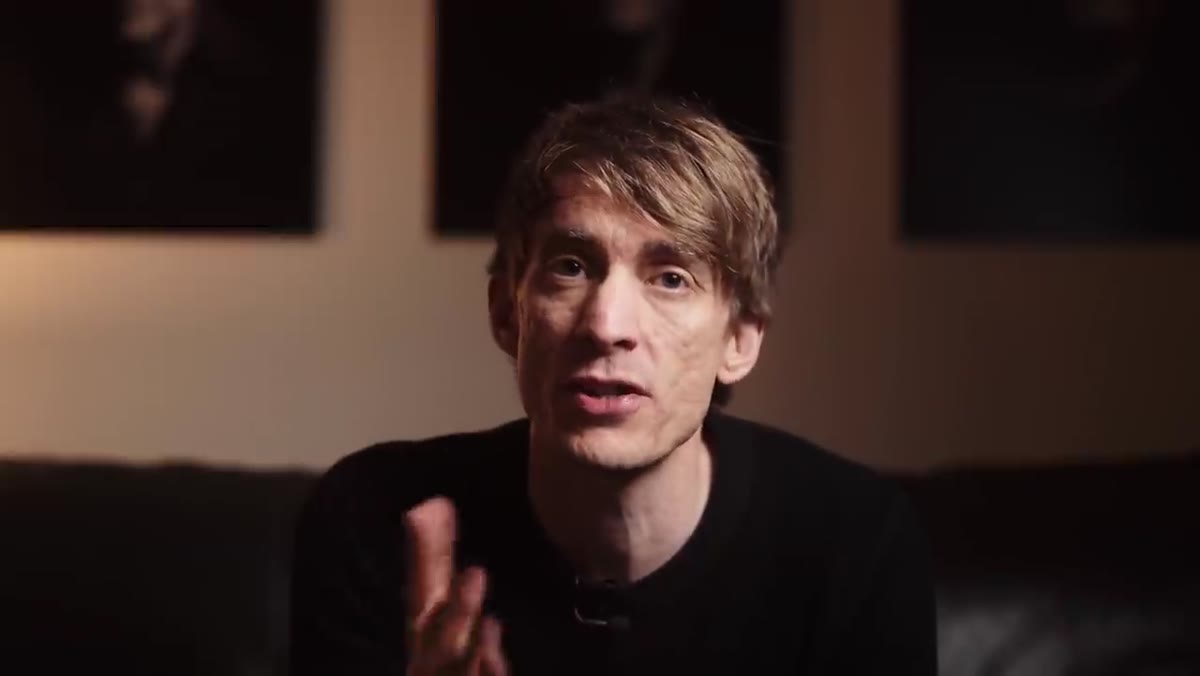 Sean Tucker discussing how to approach publishers
When Josh submitted his work, he wasn’t showing up with a hard drive and hoping someone would figure out what to do with it. He had a clear sense of what the book was, what it was about, who it was for, and how it should feel in someone’s hands. Publishers are looking for photographers who have already done the conceptual work.
Sean Tucker discussing how to approach publishers
When Josh submitted his work, he wasn’t showing up with a hard drive and hoping someone would figure out what to do with it. He had a clear sense of what the book was, what it was about, who it was for, and how it should feel in someone’s hands. Publishers are looking for photographers who have already done the conceptual work.
Before you approach anyone, be able to answer these questions out loud without hesitating: What is this project about in one sentence? Why does it need to be a book and not a gallery show or an Instagram account? Who is the reader? What do you want them to feel when they’re done? If those answers aren’t clear to you yet, they won’t be clear to a publisher either.
What I’d Add From My Own Experience
The part Josh describes about photography becoming therapeutic, a way to occupy a restless mind, is something I didn’t expect to resonate as much as it did. Some of my best photo walk images came from Sunday mornings when I was working something out and just needed to move and look. I used to feel a little guilty about that, like the work wasn’t “serious” if it started from a personal need rather than a creative concept.
Josh’s story reframes that completely. The fact that the project was genuinely meaningful to him is probably why it had the staying power to become a book. Personal urgency isn’t a liability in long-term work. It’s often the only thing that keeps it alive.
The single most important thing I took from this conversation is that long-term projects succeed because of consistency and genuine investment, not ambition alone. You have to keep showing up to a subject long enough to actually understand it. That understanding is what separates a collection of nice images from a body of work.
Watch the full tutorial on YouTube for the complete conversation between Sean Tucker and Joshua K. Jackson, including more detail on how Josh approached publishers and what the editing process actually looked like.
Comments
Leave a Comment