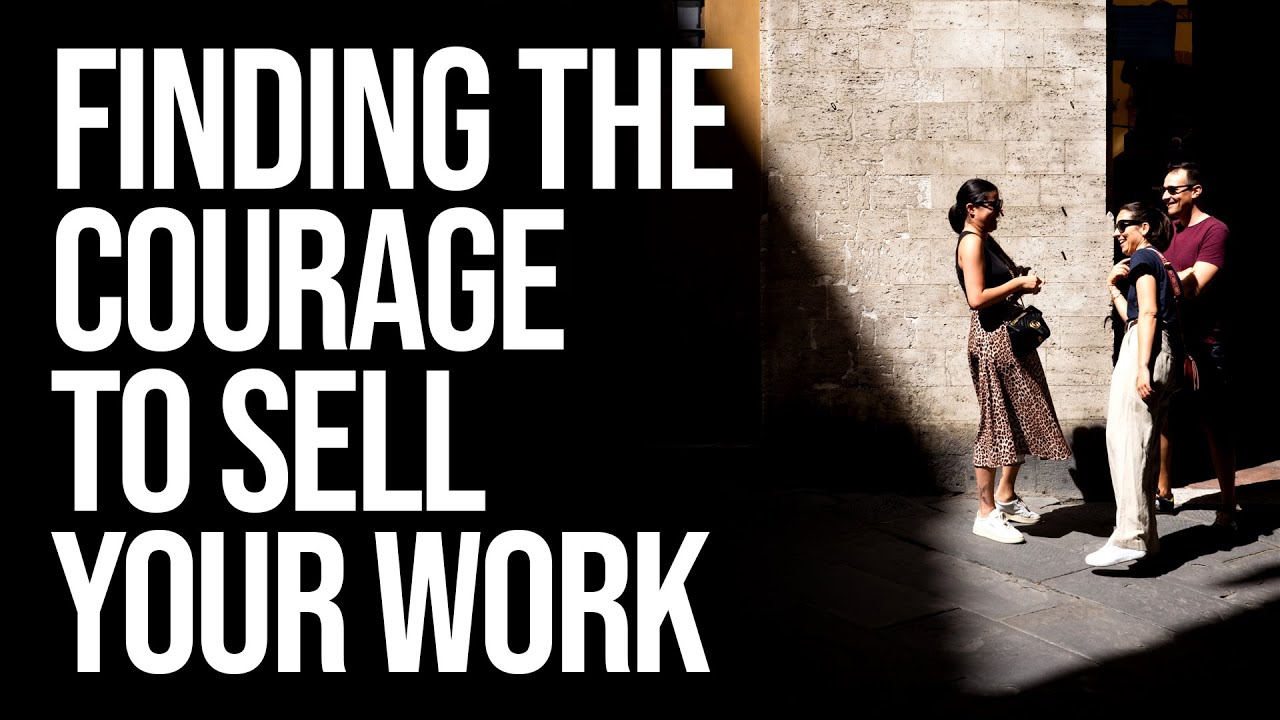
For a long time, I kept my favorite images locked away in a Lightroom catalog that nobody else ever saw. Not because I thought they were bad, but because the moment I imagined putting a price tag on them, something in my chest tightened. What if nobody bought anything? What if selling prints somehow made me look like I was trying too hard? I knew how to shoot. I had no idea how to turn shooting into something sustainable.
That particular knot started loosening when I came across a conversation between photographer and educator Sean Tucker and Stuart Waplington, founder and CEO of theprintspace, one of the UK’s leading fine art printing companies. In this Sean Tucker tutorial, Stuart brings a perspective most photography content skips entirely: the business and emotional reality of actually selling your work. He’s watched thousands of photographers and artists go through this exact transition, and the advice he shares is refreshingly practical. I took notes. Here’s what I pulled out of it.
Step 1: Name the Thing That’s Holding You Back
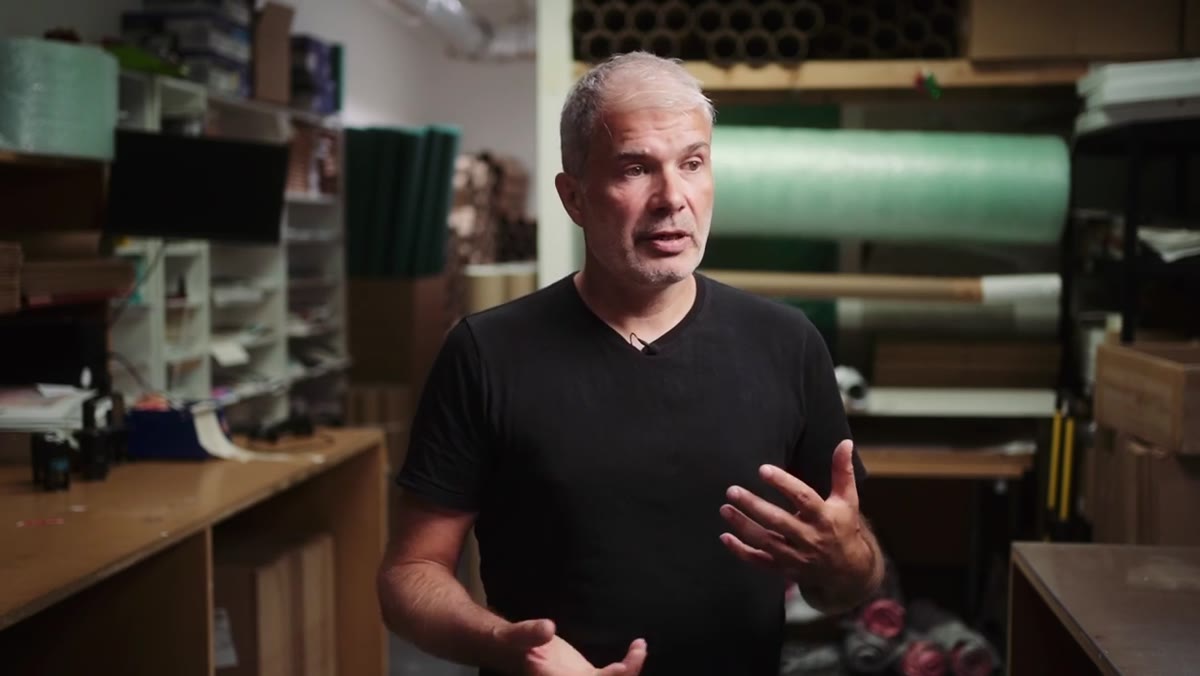 Stuart speaking directly to camera about money and creativity
Before you touch a print shop or build a portfolio website, Stuart says you have to address the belief that’s stopping most photographers before they even start: the idea that making money from your art will somehow corrupt it. He calls this an outdated piece of dogma, and honestly, he’s right. The creative world has a long tradition of treating financial ambition like a character flaw, and it keeps talented people broke and invisible.
Stuart speaking directly to camera about money and creativity
Before you touch a print shop or build a portfolio website, Stuart says you have to address the belief that’s stopping most photographers before they even start: the idea that making money from your art will somehow corrupt it. He calls this an outdated piece of dogma, and honestly, he’s right. The creative world has a long tradition of treating financial ambition like a character flaw, and it keeps talented people broke and invisible.
The first step is giving yourself permission. Say it out loud if you have to: it’s okay to make a living from this. It sounds almost embarrassingly simple, but if you grew up absorbing the “starving artist” mythology the way most of us did, it takes real repetition before it sticks.
Step 2: Recognize That Technology Has Changed the Playing Field
 Stuart explaining how theprintspace democratizes the market
Stuart points out that not long ago, the only path to selling your photography seriously was convincing a gallery to represent you, which meant access was limited to photographers who were already successful or independently wealthy. That’s a closed loop if you’re starting out.
Stuart explaining how theprintspace democratizes the market
Stuart points out that not long ago, the only path to selling your photography seriously was convincing a gallery to represent you, which meant access was limited to photographers who were already successful or independently wealthy. That’s a closed loop if you’re starting out.
Online print-on-demand services have broken that loop. You can now produce and sell professional-quality fine art prints without a gallery, without a physical storefront, and without a huge upfront investment. Understanding this matters because it changes what’s actually possible for you today. If you’ve been waiting for permission from an institution, this is it: the tools exist, and you don’t need a gatekeeper anymore.
Step 3: Start Selling Before You Feel Ready
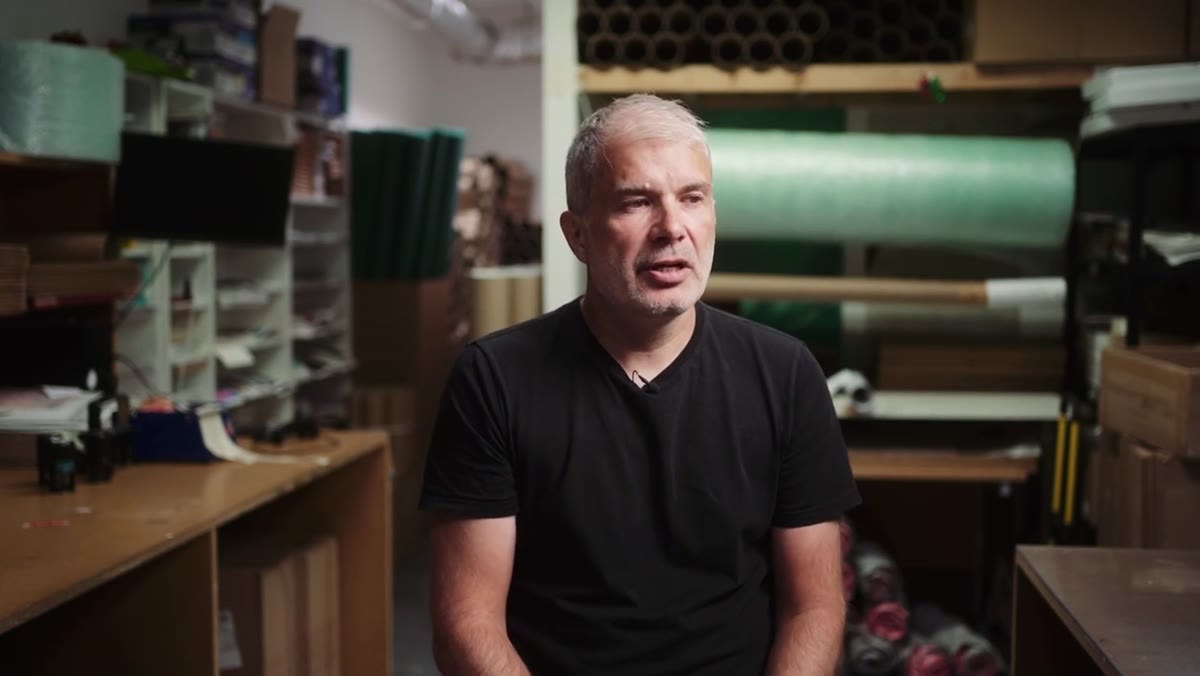 Stuart encouraging photographers at all levels to begin selling
Stuart’s company works with everyone from working professionals to complete amateurs, and his recommendation is the same across the board: start. Don’t wait until you have a polished body of work or a certain number of followers or a website you’re fully happy with. The act of putting work up for sale teaches you things about your own work that no amount of internal deliberation will.
Stuart encouraging photographers at all levels to begin selling
Stuart’s company works with everyone from working professionals to complete amateurs, and his recommendation is the same across the board: start. Don’t wait until you have a polished body of work or a certain number of followers or a website you’re fully happy with. The act of putting work up for sale teaches you things about your own work that no amount of internal deliberation will.
The practical move here is to choose a small, focused selection of your strongest images, maybe five to ten, and list them. Pick a print partner, set your pricing, and make it live. Done is better than perfect, especially at the beginning when you’re still learning what your audience responds to.
Step 4: Focus on Building a Genuinely Engaged Audience, Not a Large One
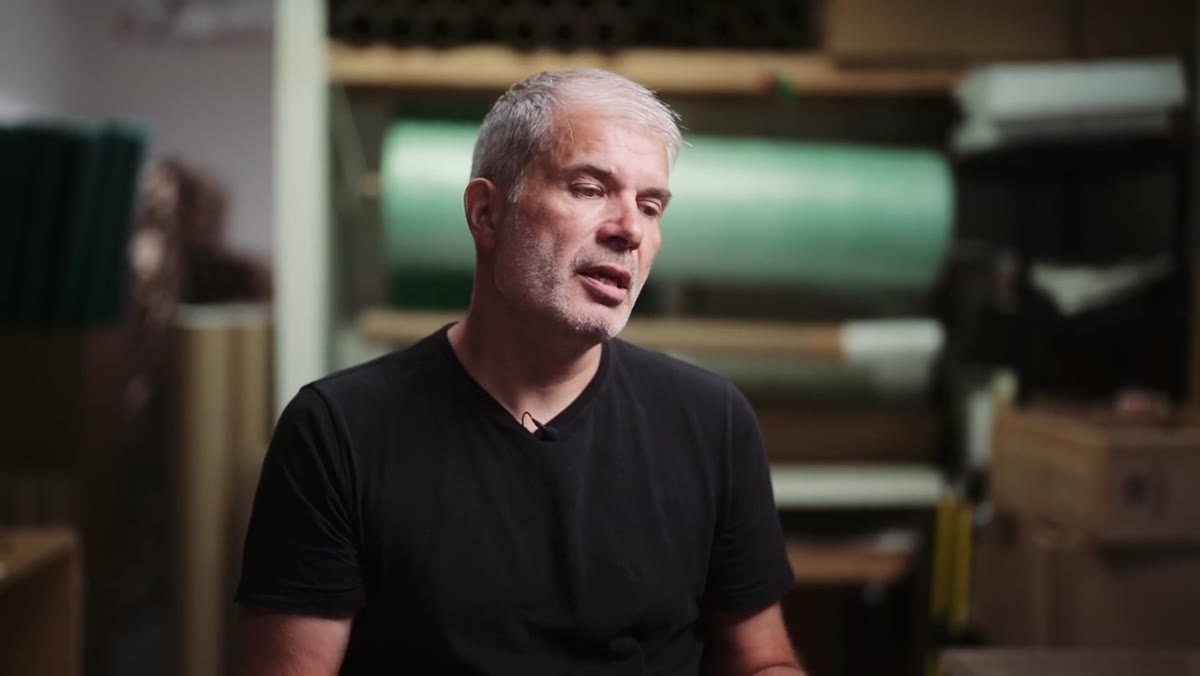 Stuart describing a top seller with a small but engaged Instagram following
This is the part of the conversation I keep coming back to. Stuart shares that one of the top sellers through theprintspace has a relatively small Instagram following. Not hundreds of thousands. The reason they sell so well is that their content is tightly focused on their work and their subject matter, which means the people who do follow them are genuinely invested.
Stuart describing a top seller with a small but engaged Instagram following
This is the part of the conversation I keep coming back to. Stuart shares that one of the top sellers through theprintspace has a relatively small Instagram following. Not hundreds of thousands. The reason they sell so well is that their content is tightly focused on their work and their subject matter, which means the people who do follow them are genuinely invested.
A hundred followers who care deeply about what you’re making will buy more prints than ten thousand casual scrollers who double-tapped a pretty picture once. This reframes what social media is actually for if you’re trying to sell. It’s not about reach for its own sake. It’s about finding and keeping the people who connect with your specific vision. Post intentionally, engage honestly, and don’t chase the algorithm at the cost of your actual voice.
Step 5: Let Your Content Reflect Your Work and Your Process
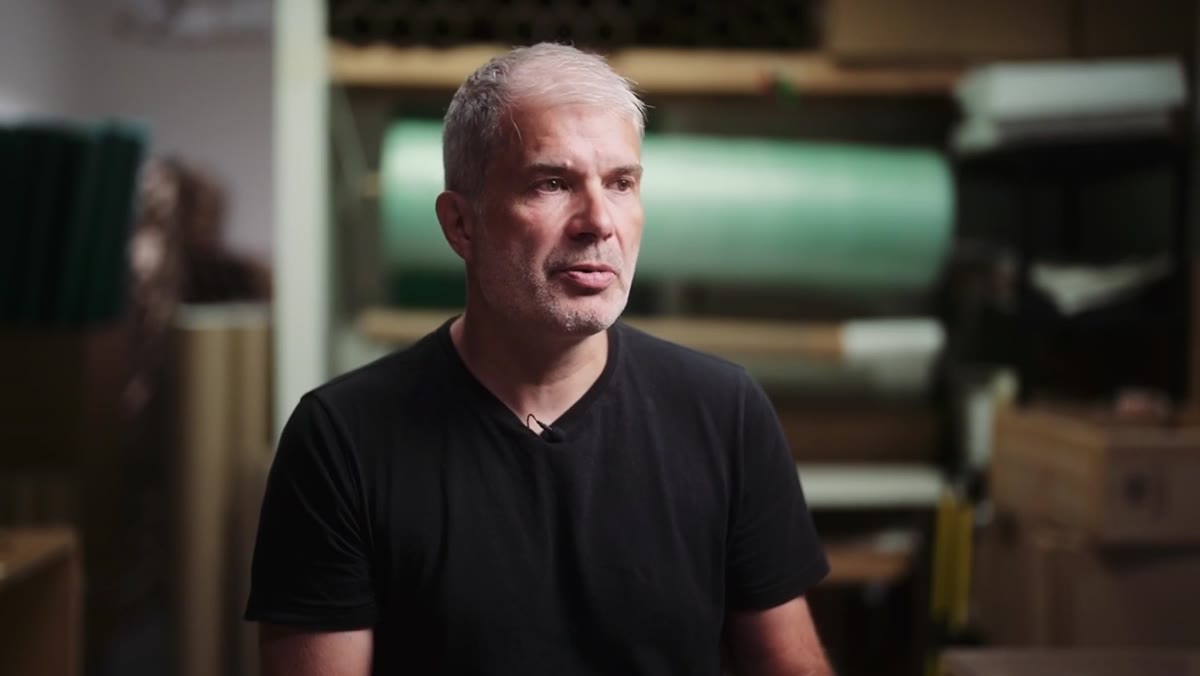 Stuart emphasizing content focused on subject matter and craft
Related to audience quality is content quality, and Stuart is specific about what that means in this context. The photographers who build loyal, buying audiences tend to share content that goes deeper than a finished image. They talk about why they made a particular shot, what drew them to a location, what the subject means to them.
Stuart emphasizing content focused on subject matter and craft
Related to audience quality is content quality, and Stuart is specific about what that means in this context. The photographers who build loyal, buying audiences tend to share content that goes deeper than a finished image. They talk about why they made a particular shot, what drew them to a location, what the subject means to them.
This doesn’t require a big production setup or a talking-head video series. It can be a caption that goes beyond “golden hour, Seattle.” It can be a process photo of your editing workflow. The point is that your content should help people understand not just that you take good photos, but why your work is worth putting on a wall.
Step 6: Connect the Commercial Side to Your Creative Mission
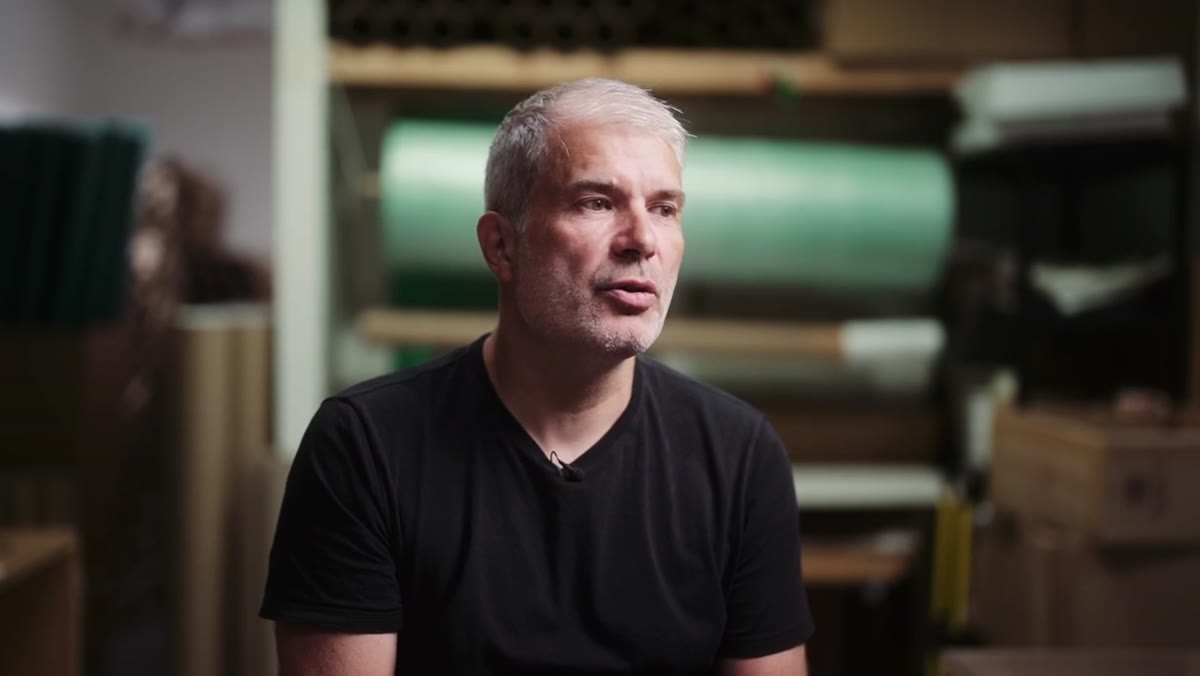 Stuart framing financial sustainability as freedom for artists
Stuart frames the whole business side of photography in terms of freedom, not compromise. The goal isn’t to “sell out.” It’s to build enough financial stability that you get to keep making the work you care about. Thinking commercially, as he puts it, is what lets you stay in the game.
Stuart framing financial sustainability as freedom for artists
Stuart frames the whole business side of photography in terms of freedom, not compromise. The goal isn’t to “sell out.” It’s to build enough financial stability that you get to keep making the work you care about. Thinking commercially, as he puts it, is what lets you stay in the game.
This reframe is genuinely useful. When I started thinking about selling prints as funding more creative trips rather than as some awkward performance of self-promotion, the whole thing felt different. Map your commercial goals to your creative ones and the friction mostly disappears.
What I’d Add From My Own Experience
The video focuses on fine art print sales, which is a great starting point, but I’d extend Stuart’s engagement-over-numbers advice to every platform you use. My most-liked Instagram photo ever was taken on a $200 phone during a weekend trip I almost didn’t take. The people who responded to it weren’t impressed by the gear. They were responding to something in the image itself. That reaction led to me writing a whole series on phone photography, which is now some of my most-read content.
The lesson I keep relearning is that authenticity is the actual product, whether you’re selling prints, tutorials, or workshop spots. When your content comes from a real place, the right people find it. And some of those people will want to hang it on their wall.
The single biggest thing I took from this video is Stuart’s point that a small, engaged audience will outperform a large, indifferent one every time. If you’ve been holding back because you don’t have a massive following yet, stop waiting. Start with the people who already care.
Watch the full tutorial on YouTube to hear Stuart walk through the whole conversation with Sean Tucker. It’s one of the more honest discussions I’ve seen about the gap between making photographs and making a living from them.
Comments (1)
Love how you break down complex stuff into manageable steps.
Leave a Comment