I’ve been shooting long enough that composition feels instinctive most of the time. But “instinctive” is a dangerous word. It can quietly become “lazy.” I noticed this a few months ago when I was reviewing a batch of travel shots from a weekend trip to the Oregon coast. Technically fine. Sharp, well-exposed, decent light. But flat. Every single frame felt like a postcard instead of a photograph. Nothing was pulling the eye anywhere.
That’s when I sat down with this short tutorial from Joel Grimes and realized I’d been skipping a step I used to do automatically. The fix wasn’t complicated, but seeing it laid out clearly gave me a framework I could actually name and return to.
Why Most “Off” Photos Are a Composition Problem, Not a Gear Problem
Here’s something I tell people at every level: if a photo feels wrong but you can’t say why, the answer is almost never the lens. It’s usually the relationship between the elements in the frame. Joel Grimes makes this point clean and fast, which is why this tutorial works. He’s not talking about gear. He’s talking about how you arrange what’s already in front of you.
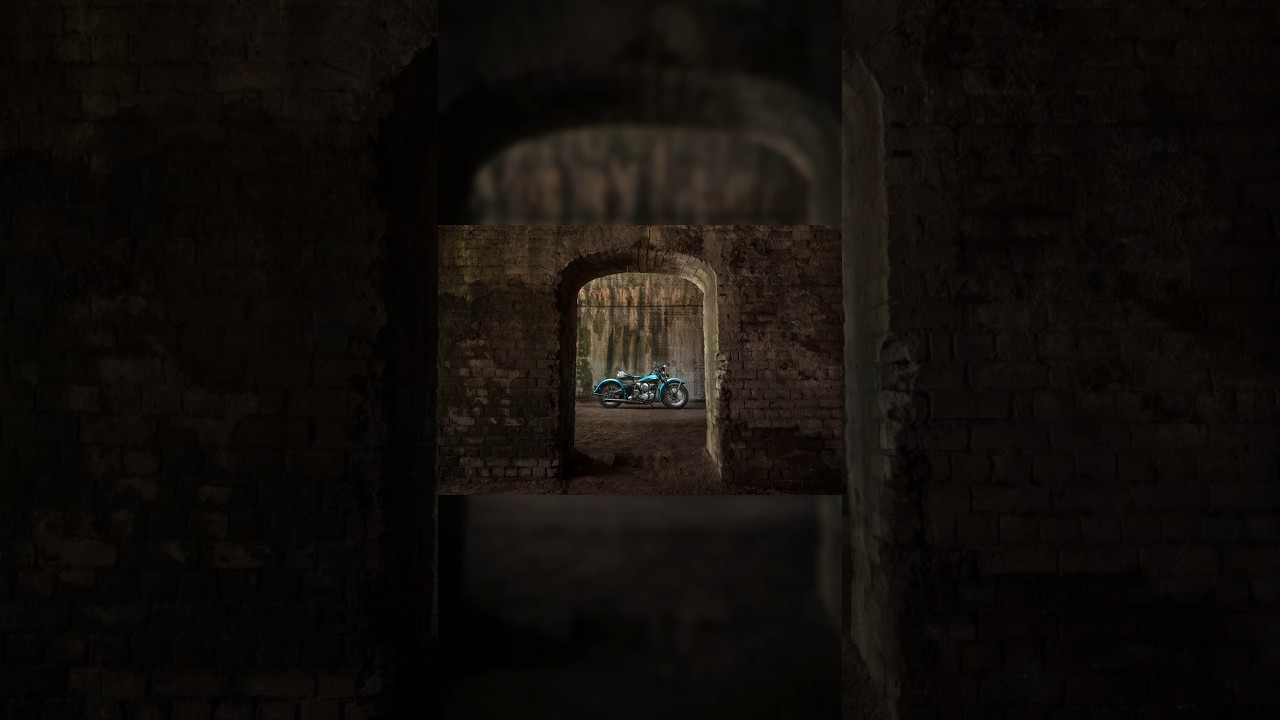
The core premise is this: strong compositions are built in layers. Most beginners (and plenty of experienced shooters on autopilot) think in terms of subject and background. Two layers. That’s the postcard problem. You see the thing, you point at the thing, you shoot the thing. But compelling images almost always have three layers working together: foreground, subject, and background. When all three are intentional, the eye travels through the image rather than stopping at the surface.
The Three-Layer Framework, Broken Down
In the Joel Grimes tutorial, the process is straightforward to describe but requires actual attention to execute. Before you raise the camera, identify your background first. Not your subject. The background establishes context and mood, and it’s the one layer most people ignore because they’re so focused on what they’re shooting. Is it clean? Does it add meaning or noise? Does the light fall on it in a way that separates it from your subject?
Once you’ve locked in the background, place your subject in relation to it. This is where depth starts happening. The physical distance between subject and background isn’t just a bokeh trick, it’s a storytelling decision. More separation creates intimacy and focus. Less separation creates context and environment. Neither is wrong, but it needs to be a choice.
The third layer is foreground, and it’s the most commonly skipped. Even a soft, out-of-focus foreground element, a leaf, a fence post, a patch of tall grass, adds dimension that flat shots completely lack. Joel emphasizes that this doesn’t need to be a major compositional element. It just needs to exist. The brain registers depth cues even when it isn’t consciously looking for them, and a foreground presence is one of the fastest ways to make a photograph feel like a place you can step into rather than a surface you’re looking at.
Finding the Frame Before You Set the Frame
One thing I took directly from this tutorial and started applying on my Sunday morning photo walks is the habit of scouting backward. Most people walk toward a subject and figure out composition from there. Joel’s approach, as I understand it, is to identify your background layer first and then work forward. That reversal sounds minor but it completely changes how you read a scene.
On a recent walk through Capitol Hill, I spotted a mural I wanted to shoot. Old instinct: walk up, frame the mural, shoot. New instinct: stand back, look at what’s behind and around where I’d want my subject to stand, and find a position where the background actually serves the image. I ended up shooting from across the street with a parked bike as a foreground layer, and the mural anchored the back. Same subject, completely different photograph.
Where I’d Push Back (or at Least Add a Footnote)
The three-layer framework is genuinely useful, but I’d be doing a disservice if I didn’t mention where it can work against you. In fast-moving documentary or street work, slowing down to consciously build three layers isn’t always realistic. You have maybe a second, sometimes less. In those situations, I find it more useful to train the instinct ahead of time, by doing this work deliberately on slower shoots, portrait sessions, travel setups, until the layered thinking becomes fast enough to keep up with real life.
The other edge case is minimalist composition, where the power of the image comes from stripping everything away rather than layering in depth. A lone subject against a flat sky, one color against another. For that kind of work, the three-layer rule actively fights you. Know when to set it down.
The One Thing Worth Walking Away With
If you take nothing else from this: stop treating background as backdrop. It’s an active compositional element, and it deserves the same attention as your subject. Once you start seeing in three layers, it’s genuinely hard to unsee.
Watch the full Joel Grimes tutorial for the visual walkthrough, because seeing him apply this in real scenes makes the concept click faster than any written explanation can.
Comments (2)
Quality content like this is rare. Keep it up.
Solid advice. Especially the part about taking your time with it.
Leave a Comment