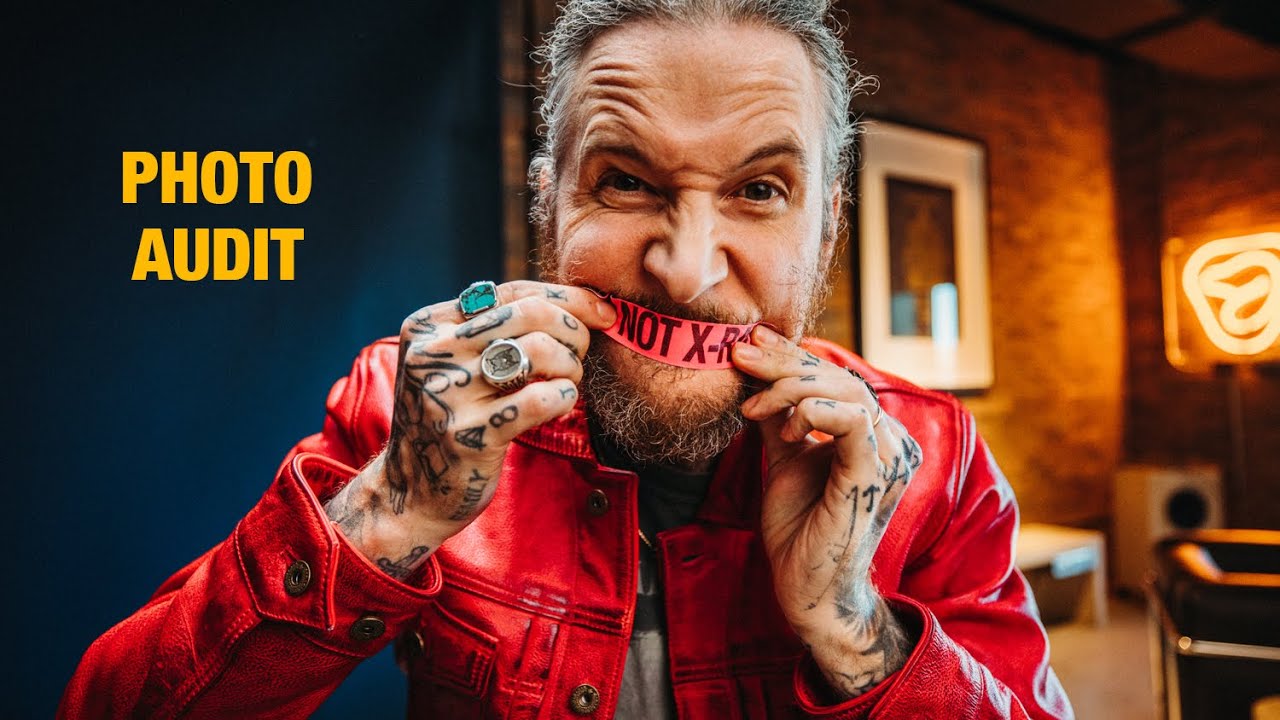
Every photographer I know has a graveyard folder. You know the one. Photos you worked hard on, posted quietly, and watched get twelve likes while some blurry sunset you almost didn’t post gets shared three hundred times. For a long time, I treated that graveyard like a failure file. Then I started doing something that changed how I look at my own work: the photo audit.
I came across this idea watching Peter McKinnon walk through some of his own favorite Instagram photos, the ones he considers underappreciated, overlooked, or just misunderstood by his audience. Watch the full tutorial on YouTube and you’ll see what I mean immediately. He is not teaching Lightroom settings or lens choices here. He is teaching you how to look at your work honestly, which is a skill most of us skip entirely because it is uncomfortable.
The thing that hit me hardest was how casually he mentioned the 365 challenge as his own origin story on Instagram. He started using the platform not to build a brand, but because he needed somewhere to post one photo every single day for a year. That constraint, one photo, every day, no exceptions, is what sharpened his eye. And looking back at those photos critically is how he keeps it sharp now. Here is how to apply his process to your own work.
Step 1: Start a dedicated photo audit habit
 Peter McKinnon describing his Instagram audit concept on screen
The audit is not a one-time event. McKinnon frames this as a recurring segment he plans to return to, something he can revisit regularly rather than a single cleanup session. Think of it like a Sunday review. Set aside thirty minutes every few weeks to pull up your own feed or portfolio and look at it the way a stranger would. Ask yourself which images you are proud of that nobody responded to, and which ones feel thin to you even if they performed well. That gap between your taste and your audience’s reaction is where the most useful information lives.
I started doing this on my Sunday morning photo walks. I will shoot for an hour, then sit somewhere with coffee and scroll back through the last month of my own work before I even look at what I shot that morning. It resets my eye every time.
Step 2: Do the 365 challenge to build a baseline
 Peter McKinnon talking about posting a photo every day for a year
McKinnon is direct about this: take one photograph every single day for a full year. No repeats, no skipping, no posting an old shot when you are tired. The point is not to make great photos every day. The point is to make the act of seeing and capturing a daily non-negotiable habit. He describes it as painful, which it is, but the payoff is a year’s worth of evidence that you showed up consistently.
If a full year feels overwhelming, start with thirty days. The structure matters more than the duration. What you are training is not your camera skills so much as your ability to find something worth photographing in ordinary circumstances. That is the muscle professional photographers use constantly and most beginners never develop because they only shoot when conditions feel perfect.
Step 3: Identify your overlooked work first, not your best work
 Peter McKinnon selecting favorite but underappreciated Instagram photos
When you sit down to review your images, resist the urge to start with the ones you are most proud of. McKinnon specifically selects photos he considers underappreciated or overlooked for his audit. Those are the ones worth studying. An image that you loved and your audience ignored tells you something important about the disconnect between your vision and your communication of it. Maybe the composition was strong but the edit was too subtle. Maybe the subject was interesting but the framing buried the story.
Pull five to eight photos from your own archive that you feel deserved more attention than they got. Look at them side by side. Look for the common thread. Chances are you will find a pattern in what you are doing that your audience is not reading the way you intended.
Step 4: Read the platform before you decide the platform failed you
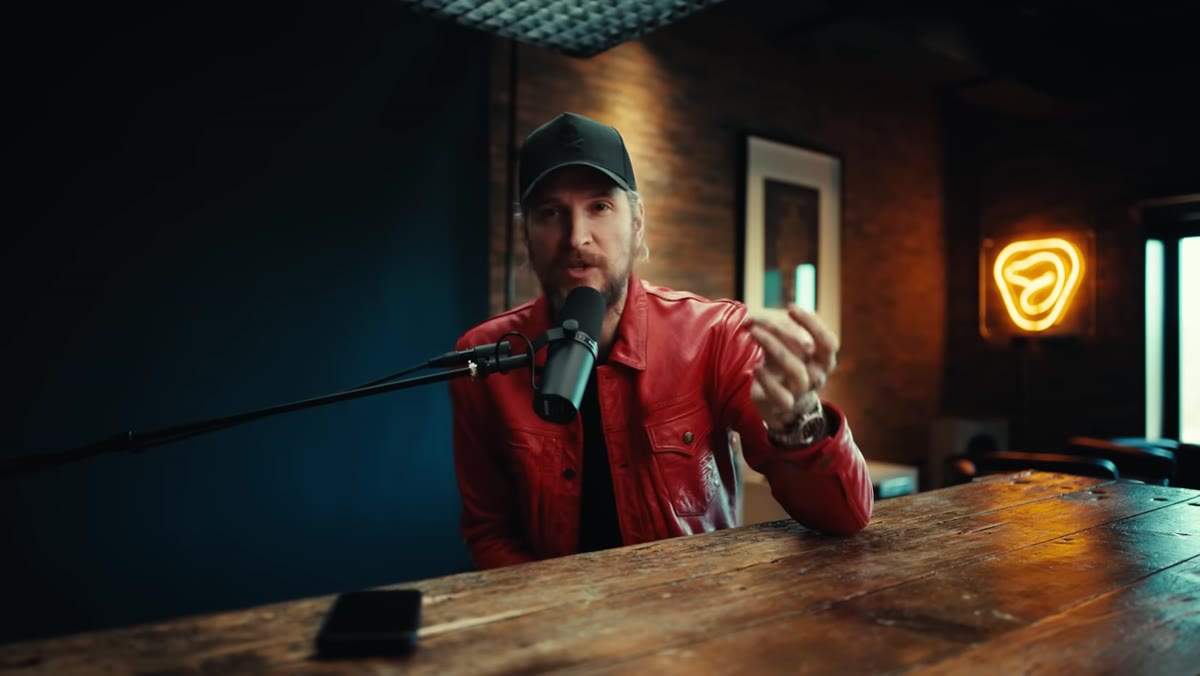 Peter McKinnon describing the Instagram CEO’s audience survey about Reels and feed
McKinnon shares something that stopped me mid-scroll: he describes an Instagram CEO survey where a live audience was asked, step by step, how they actually use the app. By the time the question got to “who browses the photo feed,” almost every hand had gone down. Reels and Stories dominate. Still photography shared to feed is, in his words, the minority use case now.
This is not a reason to stop making great still photos. It is a reason to stop measuring the value of your photos by feed performance alone. If your work is not reaching people, the first question is whether you understand where people are actually looking. Before you decide an image failed, ask whether the platform even surfaced it to anyone. Distribution and quality are two separate problems, and confusing them will burn you out fast.
Step 5: Tell the story behind the shot
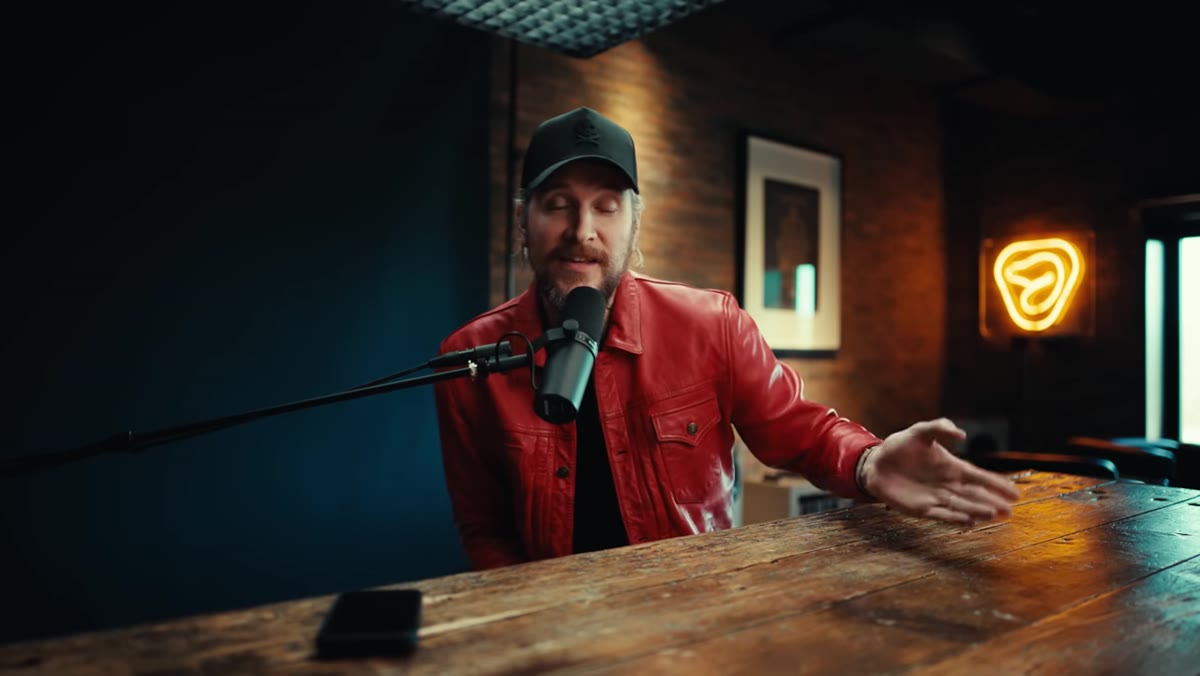 Peter McKinnon discussing the stories behind his favorite photos
The piece of McKinnon’s audit process that I think gets skipped most often is the narrative layer. He does not just evaluate the image technically. He talks about the story behind it: what was happening, why he made the choice he made, what he was trying to capture. That context is what transforms a photo review from a grade into a learning tool.
When you look at your overlooked images, write two or three sentences about what you were going for. Not what you got, but what you intended. Then compare that intention to what actually landed on screen. That gap is your next lesson. If you can articulate what you were trying to do, you can start to figure out what technical or compositional choice would have closed the distance.
What I’d add from my own experience
The audit gets more useful the more honest you are willing to be. I spent the first year of my own photo reviews only pulling images I was proud of, which meant I was basically just giving myself a highlight reel and learning nothing. The shift came when I started including the images that embarrassed me a little. The ones where I knew I rushed, or where I chased a shot that was not really there, or where I got lucky and the result was weaker than if I had actually thought it through.
McKinnon’s point about using Instagram the way everyone else uses it landed personally too. I realized I had been judging my still photography against a metric (feed engagement) that no longer reflects how the platform works. Now I track what I am learning from each image separately from how it performs. My growth as a photographer and my growth as a social media presence are two different projects, and keeping them separate has made both better.
The single most useful thing McKinnon demonstrates here is that looking at your own work critically and regularly is a practice, not a one-time event. Build the audit into your routine the same way you build in time to shoot. Your past images are some of your best teachers, but only if you actually sit down and ask them questions.
Watch the full tutorial on YouTube to see McKinnon walk through his actual favorite shots and hear the stories behind them. It is one of the more honest conversations about photography and Instagram I have seen from someone at his level.
Comments
Leave a Comment