There’s a question I get more than almost any other from people who follow my work: “How do I actually get better?” Not the technical stuff, not which camera to buy. Just. better. And the honest answer is one most people don’t love hearing: you have to show up consistently, over and over, in structured ways, even when you don’t feel like it. That’s the whole thing. No shortcut.
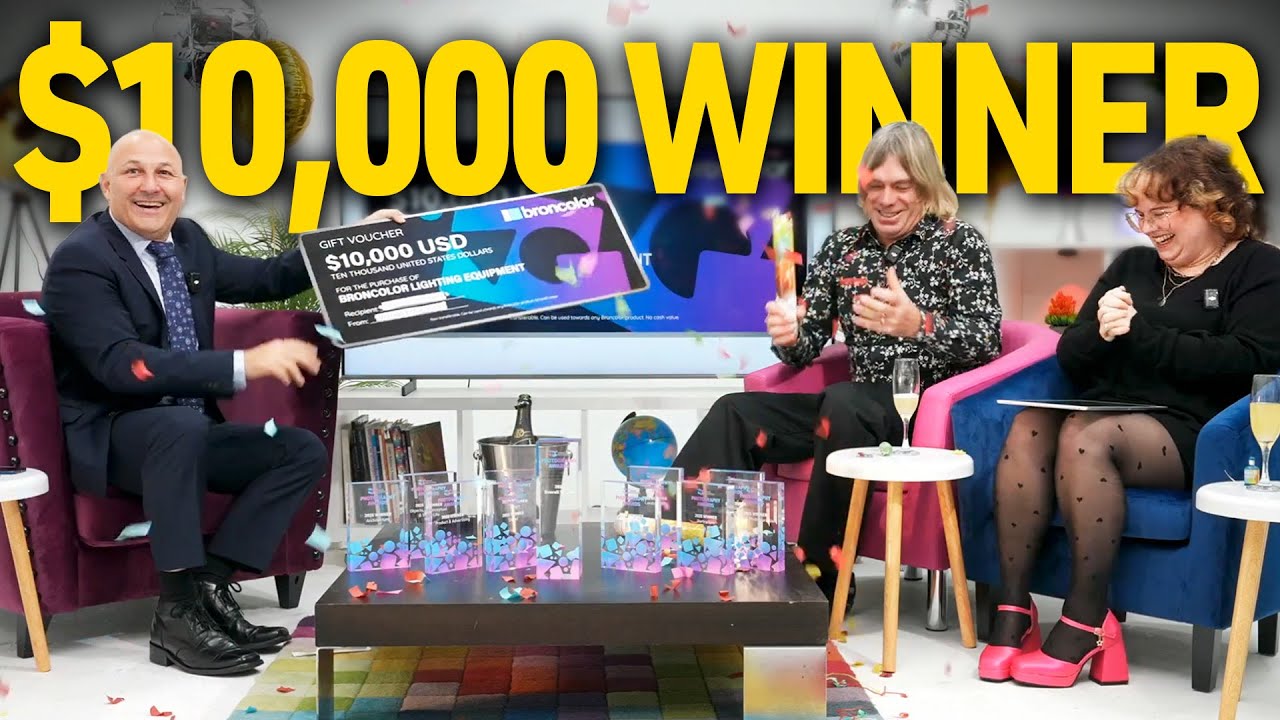
Which is why a recent Visual Education video stopped me mid-scroll. Watch the full tutorial on YouTube – the channel announced that a photographer named Spyrodon Pantasis from Greece had just won $10,000 worth of Broncolor lighting equipment. Not through a single lucky submission, not through having the most expensive kit. He won it because he showed up for nearly every challenge, critique, and brief the platform ran over the course of an entire year. That’s the system. And it’s worth breaking down.
What struck me is that this isn’t just a fun contest story. It’s actually a blueprint for how to structure your own deliberate practice, whether you’re on that platform or not. The mechanics behind how points are earned map almost perfectly onto the habits that separate photographers who plateau from photographers who keep growing. Here’s how it works, and how to apply it to your own practice.
Step 1: Understand the Leaderboard System Before You Enter Anything
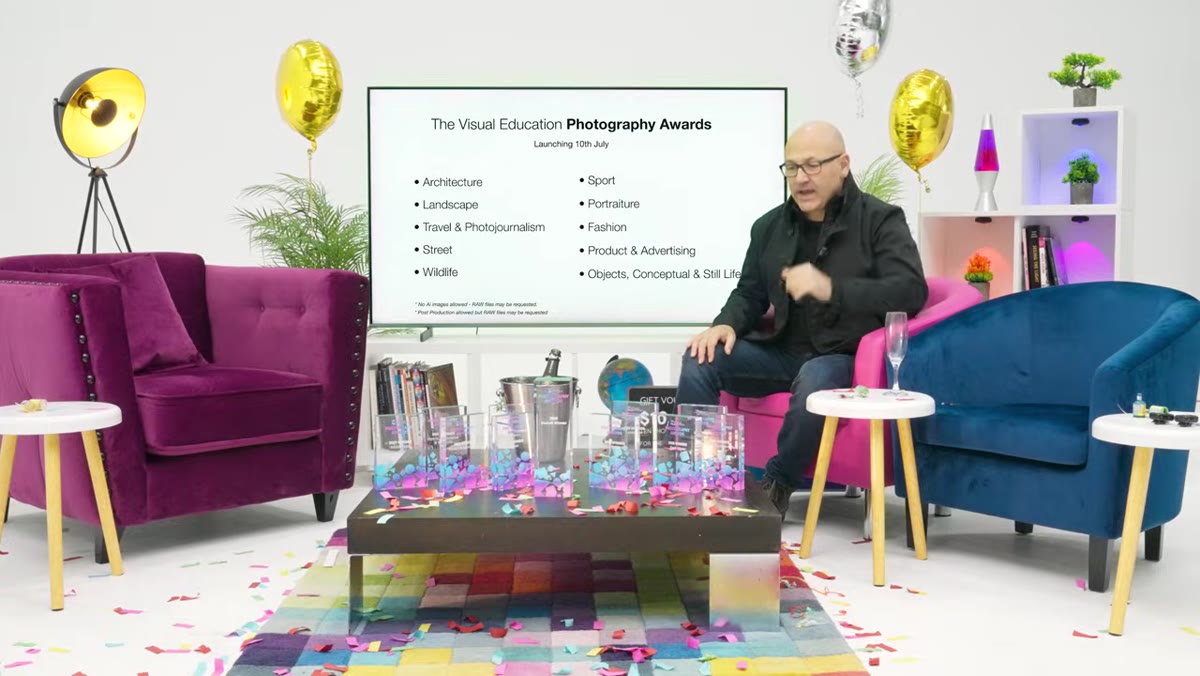 Leaderboard and award categories listed on screen
Before you enter a single competition or submit a single image for critique, know what you’re working toward and how the scoring actually functions. In the Visual Education system, points accumulate over a full calendar year across multiple activity types: briefs, project challenges, critique submissions, and competitions. Each type of participation earns points, and they stack.
The practical lesson here is that volume and variety matter. If you only enter the competitions that feel “safe” or familiar to your genre, you’re leaving points on the table. More importantly, you’re leaving growth on the table. Know the full map of how the system rewards participation, then build a schedule around it rather than reacting to individual opportunities as they appear.
Step 2: Take the Briefs Seriously, Even the Weird Ones
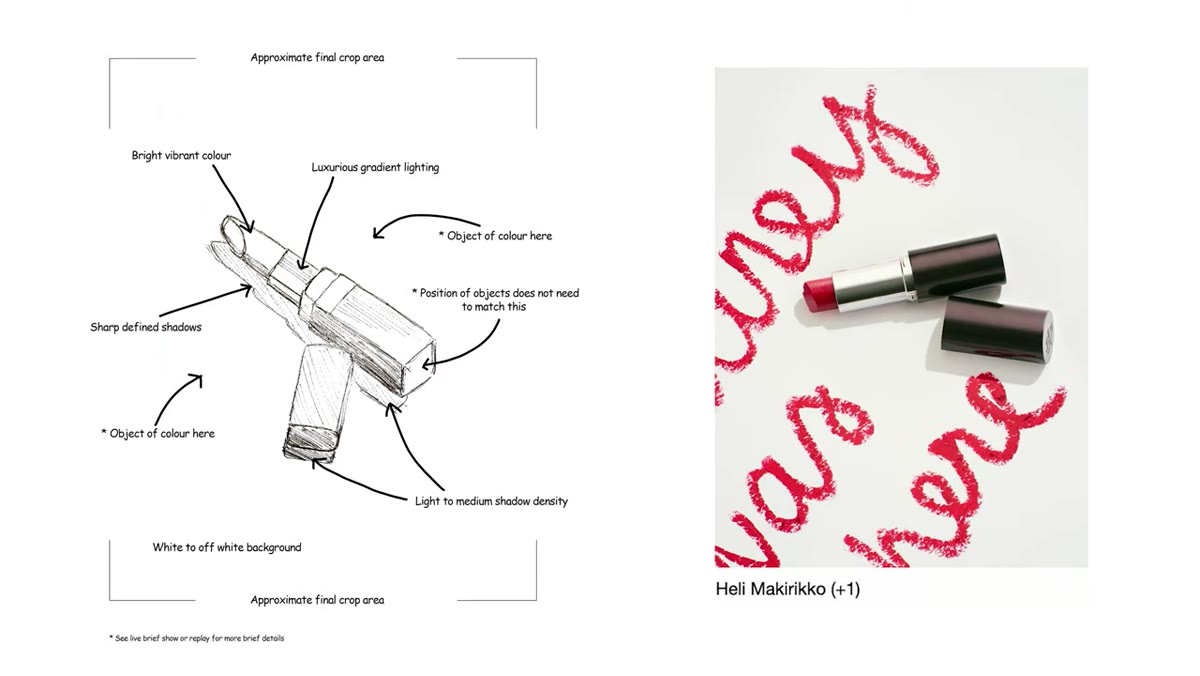 Brief challenge examples shown, including lipstick and Guinness shots
The Visual Education briefs aren’t vague prompts. They’re highly specific: photograph a lipstick product a particular way, capture the agitation of a Guinness pour, nail a specific shoe polish shot. These are real commercial briefs, the kind you’d receive from an actual client. And that’s exactly the point.
Working from a detailed brief forces you to solve problems you wouldn’t naturally assign yourself. I do something similar on my Sunday photo walks – I’ll give myself a single constraint before I leave the house (only shoot reflections, only shoot hands, only use available light). It sounds limiting, but constraints are where skill actually gets built. The brief tells you what “good” looks like in someone else’s eyes, which is a skill you absolutely need if you ever want to work professionally.
Step 3: Use the Critique Submissions to Build an Outside Perspective
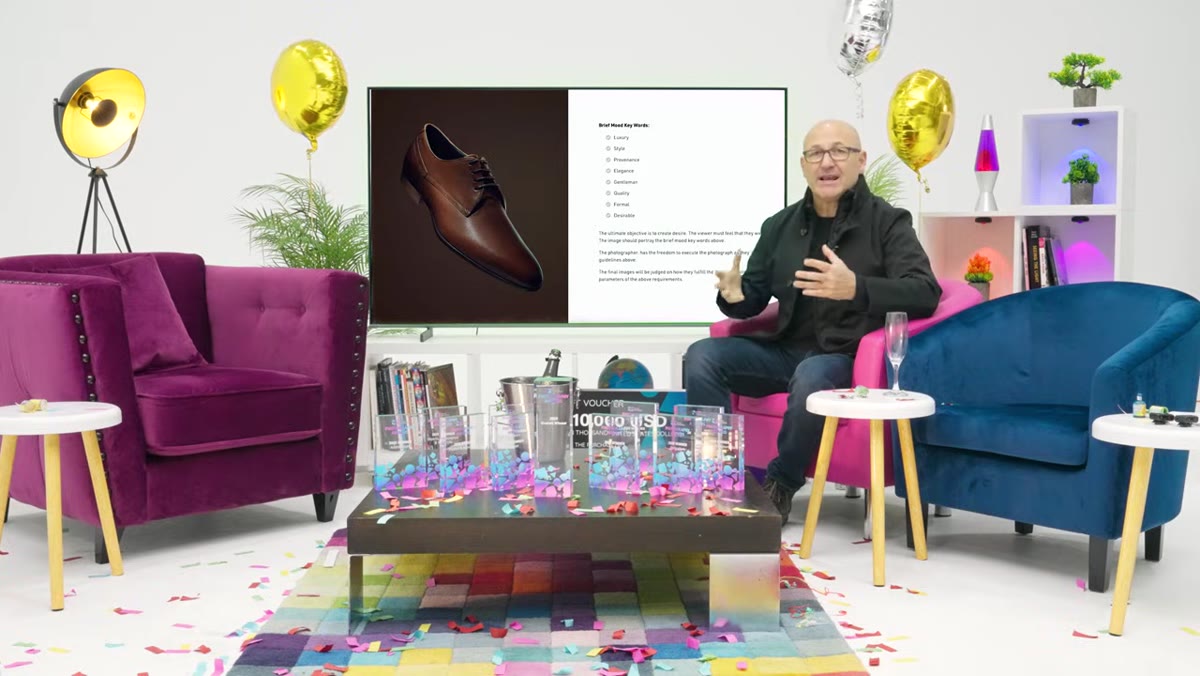 Critique show format described with themes like food, portrait, still life
Submitting work for critique is uncomfortable. I know. The first time I shared an image publicly for feedback rather than praise, my stomach dropped. But the Visual Education critique format – themed submissions judged by instructors who give specific, public feedback – is one of the most efficient learning loops available to photographers who don’t have a mentor relationship.
The key is to treat the critique as the primary goal, not the points. Submit images you’re genuinely uncertain about, not your safest, most polished shots. If you submit only your best work, you’re not learning anything new. Submit the shot where you almost got it right but can’t quite figure out why it isn’t working. That’s where the feedback becomes genuinely useful.
Step 4: Treat Projects as Low-Stakes Reps, Not Optional Extras
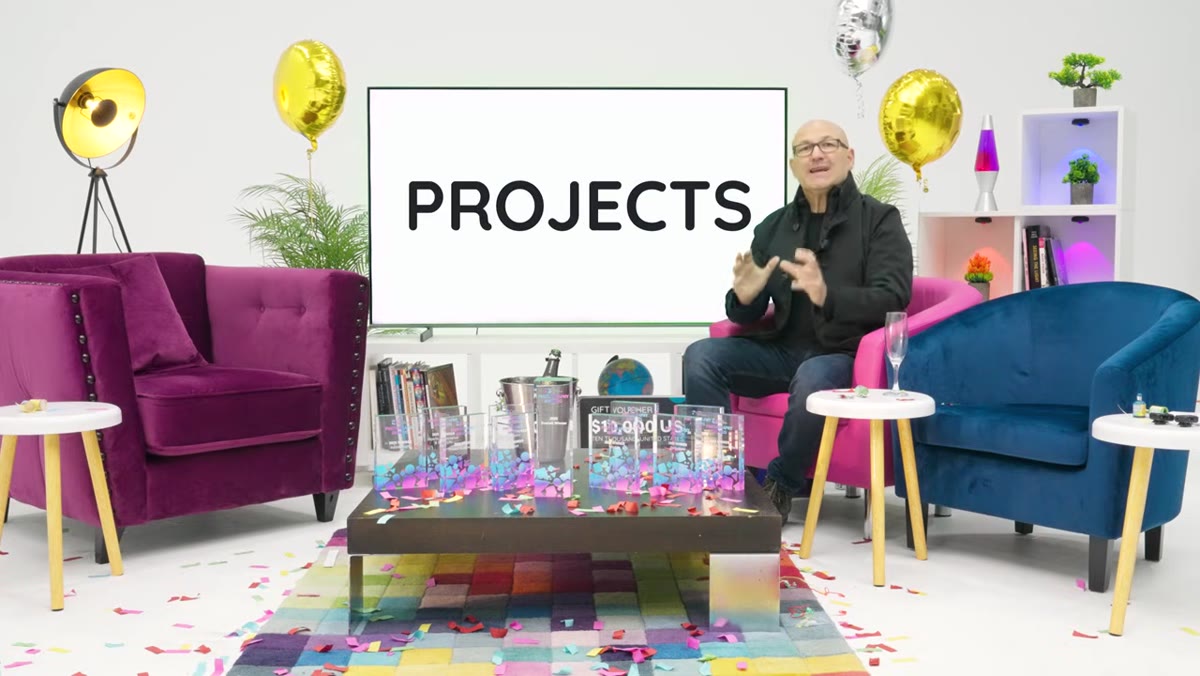 New 2026 “projects” format described as simpler, follow-along exercises
Starting in 2026, Visual Education is rolling out a new format called projects – simpler, more accessible exercises where the instructor demonstrates the shot first and members follow along to earn points. These are designed to lower the barrier to entry, especially for photographers who find the full briefs intimidating.
Don’t let the word “simple” fool you into skipping them. Reps are reps. Some of the most useful practice sessions I’ve ever had came from shooting something mundane – a bowl of spaghetti, a glass of water, a single light source bounced off a wall – because simple subjects force you to focus entirely on craft. When there’s nothing interesting about the subject, all you have left is light, composition, and timing.
Step 5: Commit to the Full Year, Not Just the Highlights
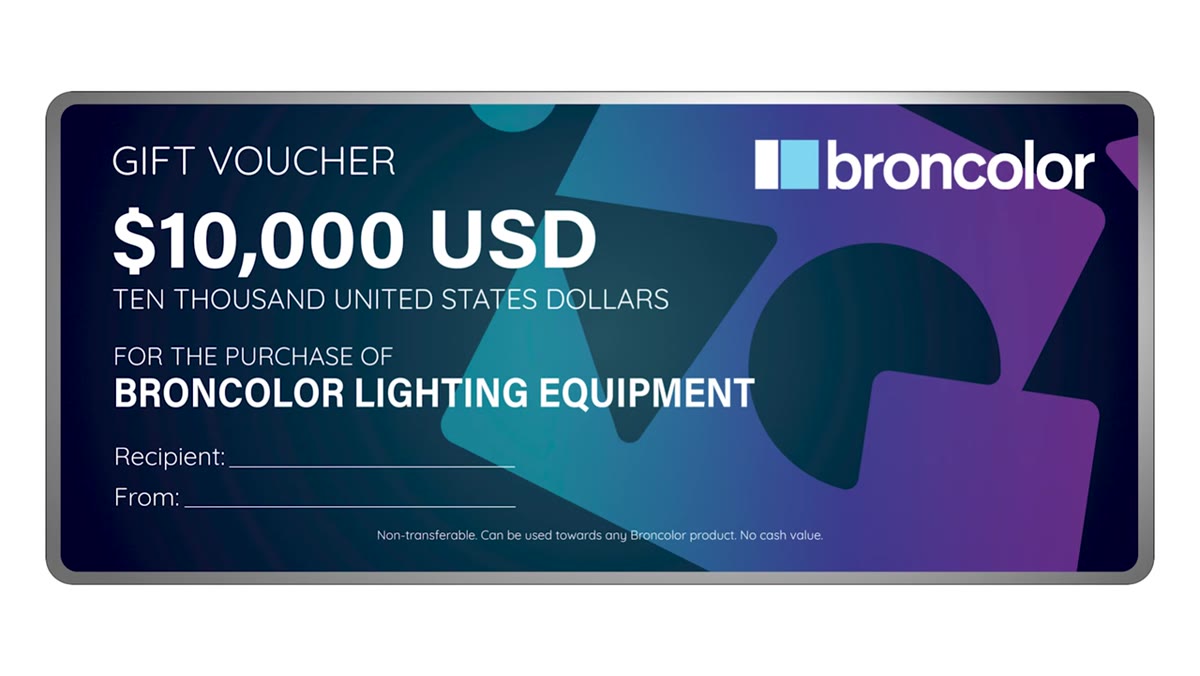 Points accumulate all year; leaderboard resets in February 2026
This is the step most people skip entirely: deciding in advance to participate consistently across the whole year, not just when inspiration strikes. Spyrodon didn’t win by having one exceptional month. He won by entering nearly everything, which means he was still showing up and submitting during the months when his work probably wasn’t his best.
Build this into your calendar the way you’d book a client shoot. Set a recurring reminder. Treat the submission deadline the same way you’d treat an external obligation. The leaderboard resets in February 2026, which means if you’re reading this and thinking about joining, you have a clean slate coming. That’s genuinely rare – a structured community with a fresh start built in.
A Note From My Own Practice
I’ve never competed on the Visual Education platform specifically, but I’ve run my own version of this system for years. Every January I pick three genres I want to improve in, and I commit to completing at least one intentional project in each per month. Not posting, not perfecting – completing. The discipline of finishing something, even something imperfect, and putting it in front of other people who will respond honestly, is what actually moves the needle.
The thing that surprised me watching this video is how accessible the system really is. You don’t need expensive lighting to enter most of the briefs. The spaghetti shot brief, for example, was specifically designed so that natural light was enough to get a competitive result. The barrier isn’t gear. It’s showing up with intention, repeatedly, over time.
The single most important takeaway here is deceptively simple: structured, varied, consistent practice – with real feedback built in – beats any amount of passive learning. Watching tutorials matters less than submitting work and hearing back. If you’re in a season where you feel like you’re watching more than you’re making, the Visual Education leaderboard system is a genuinely smart framework to get yourself off the sidelines.
Watch the full tutorial on YouTube to hear the full announcement and get a feel for what the platform offers before the new leaderboard cycle kicks off.
Comments
Leave a Comment