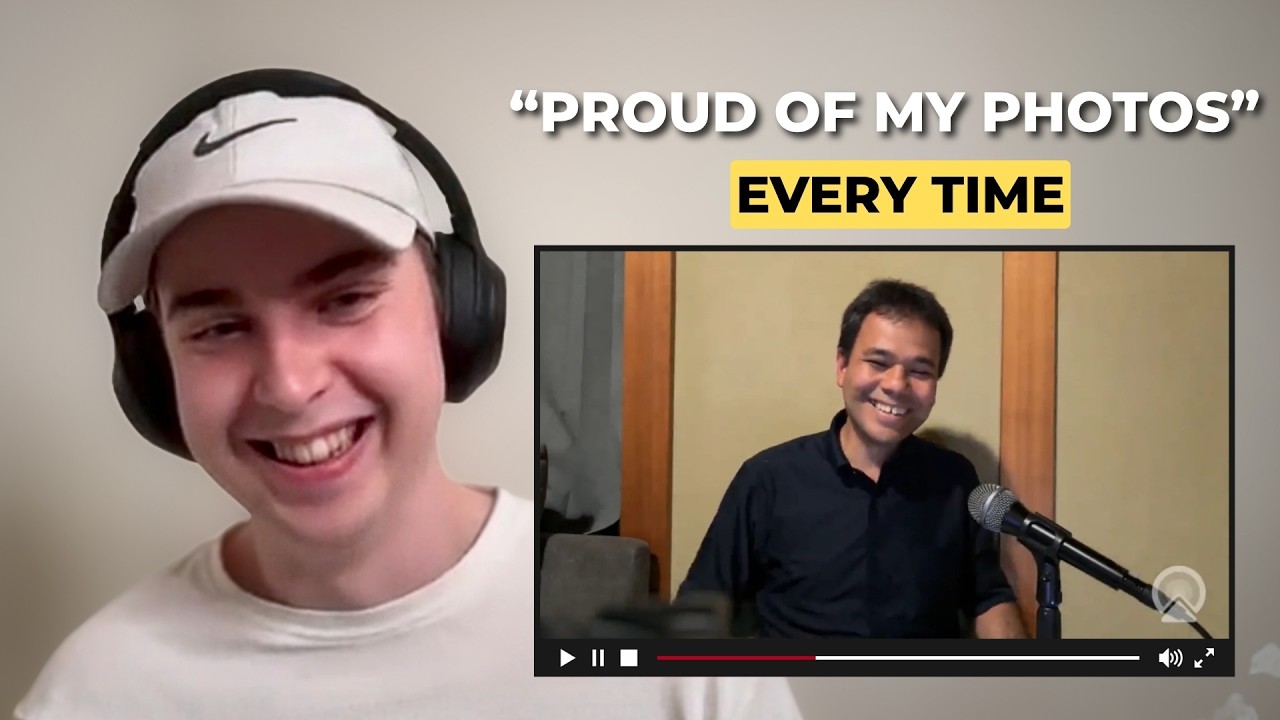
There’s a specific kind of frustration that hits photographers around the two-to-five year mark. You know your camera. You understand exposure, you can shoot in manual, you’ve read about the rule of thirds so many times you could recite it in your sleep. And yet something still feels off. The photos come back technically fine, but they don’t move anyone. They don’t even move you. That gap, between knowing how a camera works and knowing how to make a photograph that actually says something, is one of the hardest things to close on your own.
I felt it myself a few years in, scrolling back through a full memory card after what felt like a productive morning and not being able to pick a single favorite. So when I came across Watch the full tutorial on YouTube, a case study from Hugo Korhonen following a student named Brandon through his photography transformation, it stopped me mid-scroll. Brandon’s story isn’t about buying better gear or mastering a new editing technique. It’s about a much more fundamental shift in how he approached making images. Here’s what I took from it, broken into the steps that actually matter.
Step 1: Recognize When More Information Is Making Things Worse
 Brandon describing his photography journey before mentorship
Brandon had been shooting for five years and actively collecting resources, newsletters, YouTube videos, tutorials on composition rules. For a while it helped. Then it didn’t. He describes hitting a wall where he had more disconnected pieces of photography knowledge than he knew what to do with. Adding more information to that pile only made things more confusing.
Brandon describing his photography journey before mentorship
Brandon had been shooting for five years and actively collecting resources, newsletters, YouTube videos, tutorials on composition rules. For a while it helped. Then it didn’t. He describes hitting a wall where he had more disconnected pieces of photography knowledge than he knew what to do with. Adding more information to that pile only made things more confusing.
This is the information overload trap, and it’s easy to fall into because learning new things feels productive. If you’re in this place right now, the first step is to stop consuming and start auditing. Write down the three or four things you actually believe about making a good photo. If you can’t do that clearly, more tutorials won’t fix it.
Step 2: Identify the Real Problem, Not the Symptom
 Hugo outlining what Brandon was already doing well
Before diagnosing what wasn’t working, Hugo took time to name what Brandon was already doing well. He could shoot technically difficult subjects, handle manual settings confidently, and capture fast-moving scenes. The issue wasn’t technical competence. It was the inability to consistently translate what he saw and felt into a compelling image.
Hugo outlining what Brandon was already doing well
Before diagnosing what wasn’t working, Hugo took time to name what Brandon was already doing well. He could shoot technically difficult subjects, handle manual settings confidently, and capture fast-moving scenes. The issue wasn’t technical competence. It was the inability to consistently translate what he saw and felt into a compelling image.
This distinction matters. A lot of photographers try to solve a creative problem with a technical fix. They buy a new lens or learn a new editing preset when the real gap is upstream of all of that. Ask yourself honestly: is your frustration with the camera, or with what’s happening before you even raise it?
Step 3: Name the Specific Thing You Cannot Do Consistently
 Brandon explaining what “consistently create art” meant to him
Brandon used the phrase “consistently create art” to describe what was missing. When pushed to explain what he actually meant, it came down to this: he couldn’t leave the house with his camera and reliably come home with something he felt proud of. Some outings clicked. Others didn’t. And he had no way to predict which kind of day it would be.
Brandon explaining what “consistently create art” meant to him
Brandon used the phrase “consistently create art” to describe what was missing. When pushed to explain what he actually meant, it came down to this: he couldn’t leave the house with his camera and reliably come home with something he felt proud of. Some outings clicked. Others didn’t. And he had no way to predict which kind of day it would be.
Consistency is a word that gets thrown around a lot, but this is a useful way to measure it. Not “do I ever make a good photo” but “can I reproduce that result with intention.” If your good shots feel like accidents, that’s the problem to name and work on.
Step 4: Understand Why Generic Courses Often Fall Short
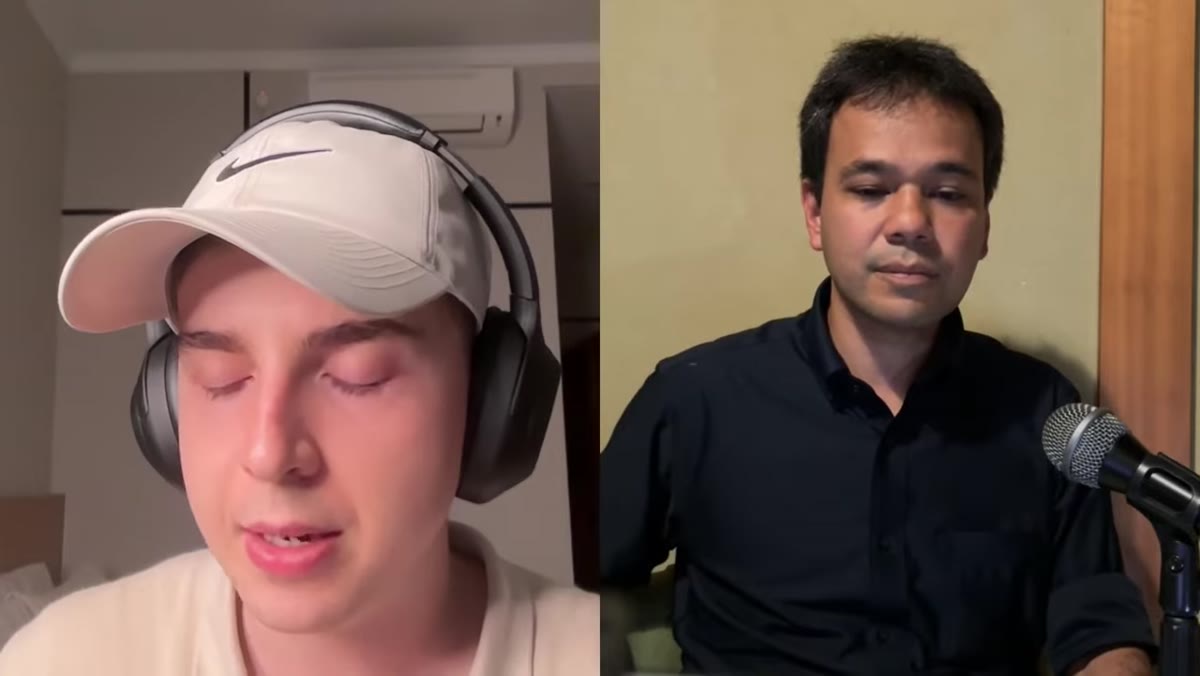 Brandon explaining why he chose 1-on-1 mentorship
Brandon thought carefully about why he wanted direct mentorship instead of another course. Generic courses hand you information. They can’t look at your specific photos, your specific shooting habits, and tell you what’s actually holding you back. Brandon’s problem wasn’t a knowledge gap in the traditional sense. He didn’t need more content. He needed someone to help him connect the pieces he already had.
Brandon explaining why he chose 1-on-1 mentorship
Brandon thought carefully about why he wanted direct mentorship instead of another course. Generic courses hand you information. They can’t look at your specific photos, your specific shooting habits, and tell you what’s actually holding you back. Brandon’s problem wasn’t a knowledge gap in the traditional sense. He didn’t need more content. He needed someone to help him connect the pieces he already had.
If you’re evaluating learning resources right now, ask what kind of feedback loop is built in. A course that delivers information without any mechanism for application and correction can leave you exactly where Brandon was: more informed, but not more capable.
Step 5: Work Through the Hesitation Honestly
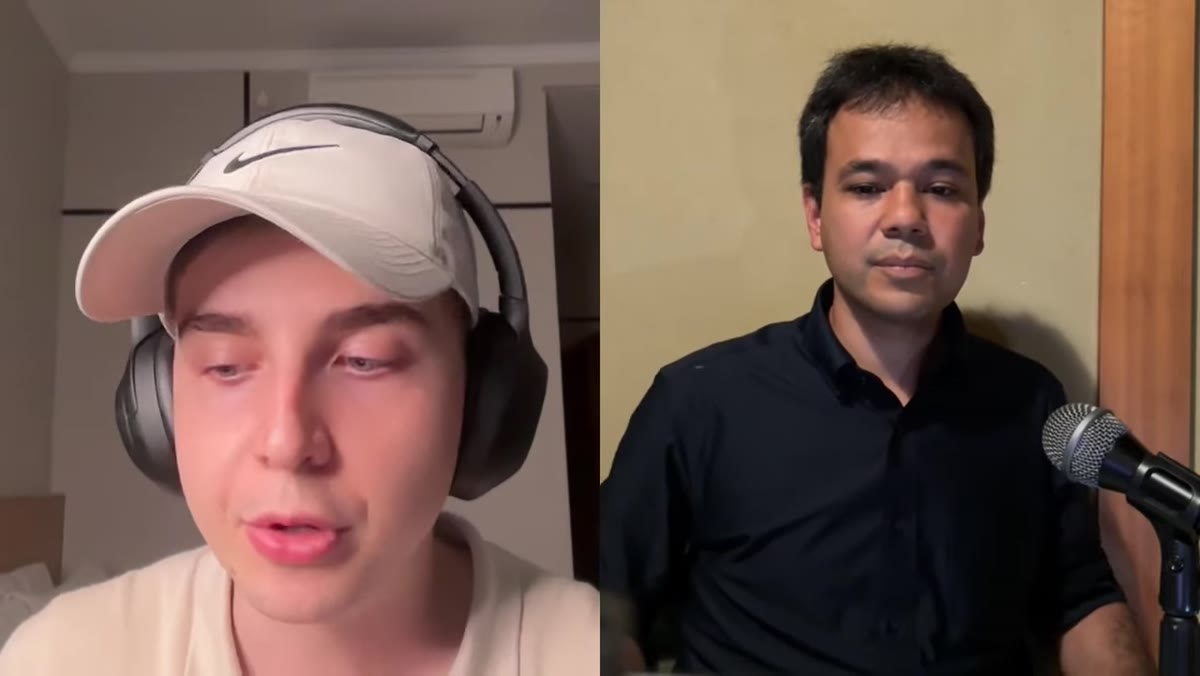 Brandon talking through his hesitation about joining the mentorship
Brandon didn’t sign up immediately. He sat with the decision for several days, genuinely weighing whether it was the right move. His hesitation wasn’t just about money. It was about whether he trusted that the gap he felt was real and closeable.
Brandon talking through his hesitation about joining the mentorship
Brandon didn’t sign up immediately. He sat with the decision for several days, genuinely weighing whether it was the right move. His hesitation wasn’t just about money. It was about whether he trusted that the gap he felt was real and closeable.
This is worth naming because a lot of photographers dismiss their own struggles as a motivation problem or a gear problem when it’s actually a structural problem with how they’re learning. Brandon’s hesitation was a signal that he was taking the decision seriously, not a reason to back away from it. When you feel that kind of pause around a learning investment, the question to ask isn’t “can I afford this” but “do I believe the problem is real enough to solve.”
Step 6: Adopt the Idea That Photography Is a Language
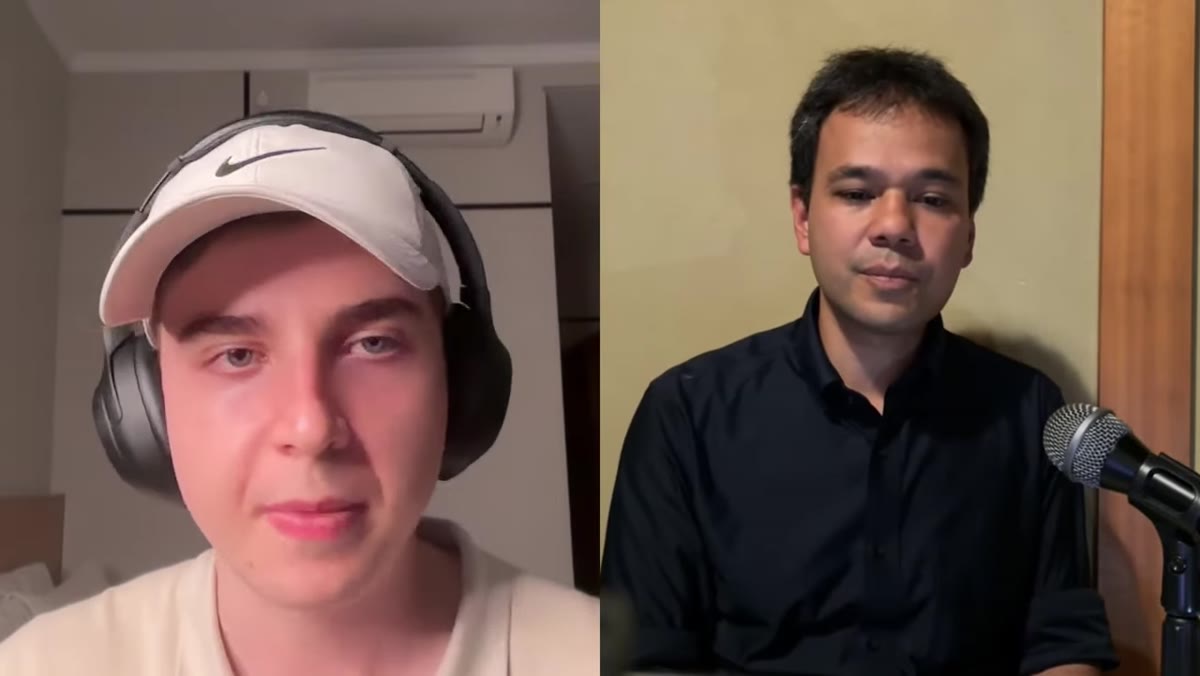 Brandon unpacking what “photography is language” meant to him
One of the most useful reframes Brandon came away with was thinking about photography as a language. A language has vocabulary, grammar, and meaning. You can know every word in a dictionary and still not be able to say something that moves another person. Fluency is different from knowledge.
Brandon unpacking what “photography is language” meant to him
One of the most useful reframes Brandon came away with was thinking about photography as a language. A language has vocabulary, grammar, and meaning. You can know every word in a dictionary and still not be able to say something that moves another person. Fluency is different from knowledge.
Practically, this means every compositional choice, every light decision, every moment you choose to press the shutter is a word in a sentence. The question isn’t “did I apply the rule of thirds” but “what am I trying to say, and does this frame say it.” That shift in question changes everything about how you approach a scene.
Step 7: Build a Repeatable Process, Then Measure It
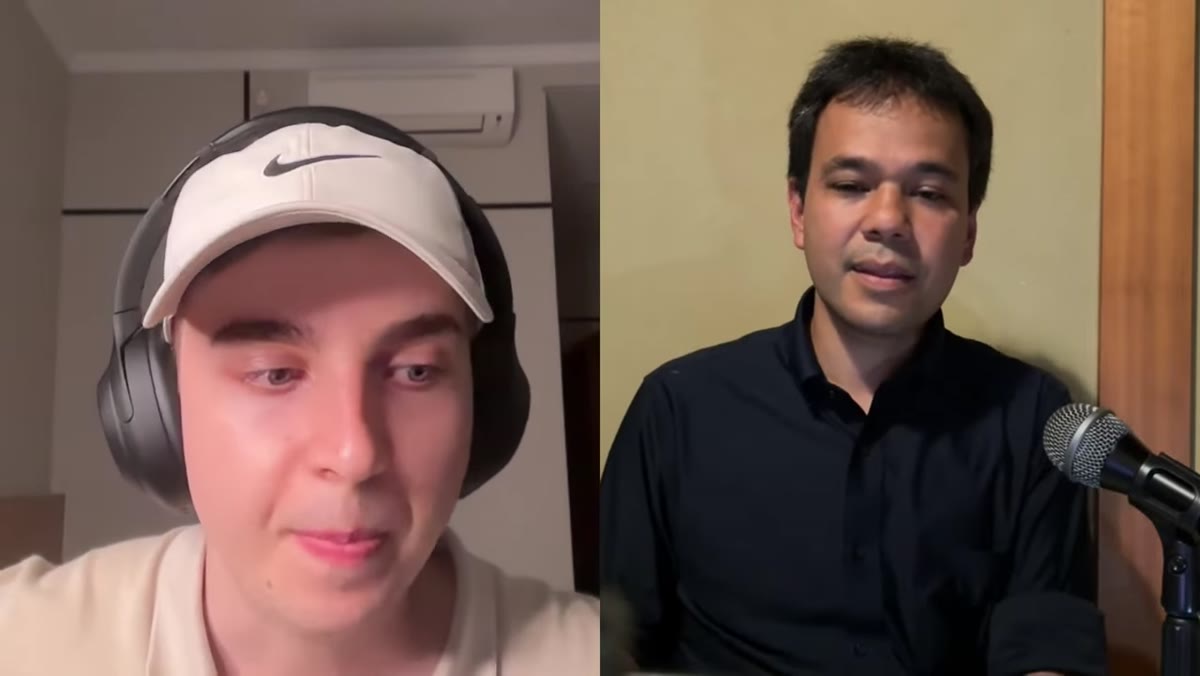 Brandon describing his results and photos he’s proud of
Brandon’s tangible result wasn’t one great photo. It was the ability to go out and return with images he felt proud of consistently. Other people started noticing a change in his work. That external feedback was a secondary signal. The primary one was internal: he knew when a photo was working and why.
Brandon describing his results and photos he’s proud of
Brandon’s tangible result wasn’t one great photo. It was the ability to go out and return with images he felt proud of consistently. Other people started noticing a change in his work. That external feedback was a secondary signal. The primary one was internal: he knew when a photo was working and why.
The way to build this yourself is to debrief after every shoot. Not just “did I get a good shot” but “what was I trying to communicate, and did I get it.” Do that enough times and patterns emerge. You start to see what conditions and intentions reliably produce work you respect.
A Note From My Own Experience
The part of Brandon’s story that resonated most with me was the description of having too many puzzle pieces that weren’t attached to each other. I went through almost exactly the same thing in my third year of shooting. What helped me wasn’t another resource. It was setting a constraint: one location, one lens, one hour, every Sunday morning. That practice forced me to stop accumulating and start applying. The photo walk tradition I still do every week grew directly out of that period. Sometimes limitation is the teacher that information can’t be.
The single most important idea in this whole case study is that technical fluency and creative intention are two separate skills. You can have one without the other, and most photographers plateau exactly at that boundary. The path forward isn’t more information. It’s clearer questions about what you’re actually trying to say.
Watch the full tutorial on YouTube and follow Brandon’s story from the beginning. The full interview runs just over an hour, but it’s worth watching in one sitting.
Comments
Leave a Comment