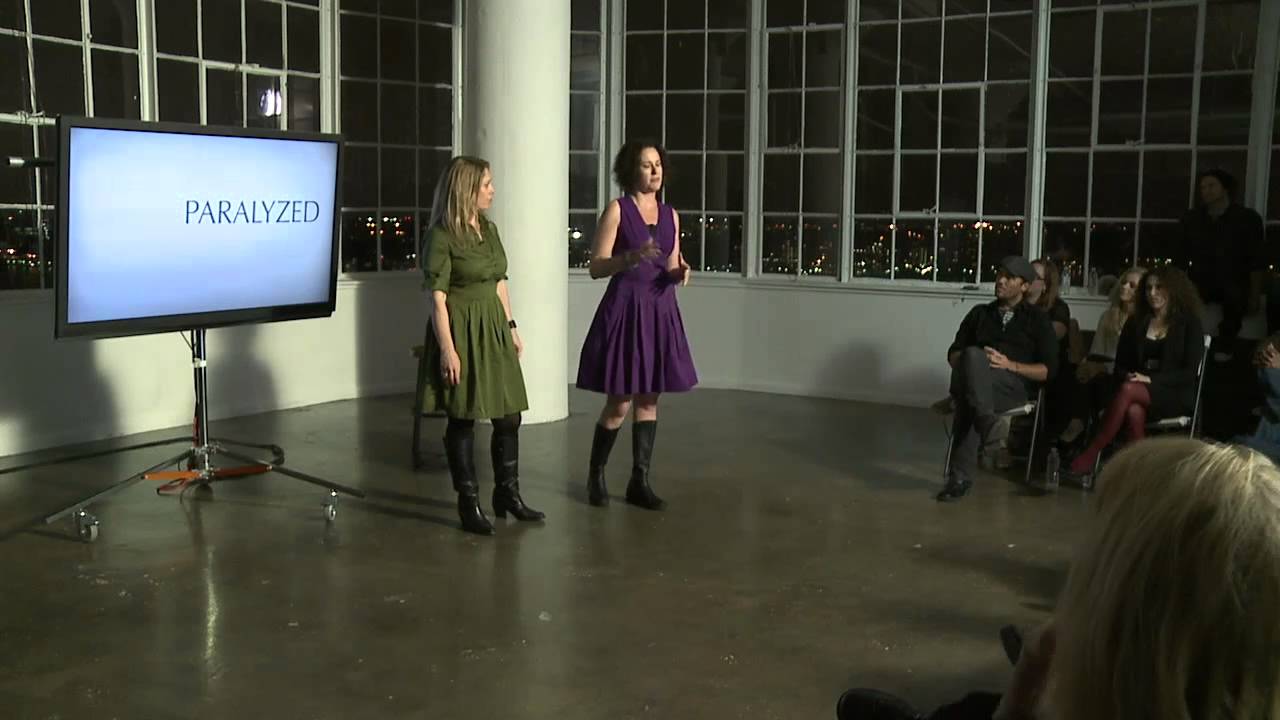
There’s a specific kind of paralysis that hits photographers who love what they do but can’t figure out how to build a life around it. I know it well. Before I started teaching and writing about photography, I spent about two years taking beautiful pictures on weekends and then going back to a job that had nothing to do with any of it. The gap between “I love this” and “I do this” felt enormous, and I had no map for crossing it. That’s exactly why a presentation from Photographers Ignite 2012 stuck with me long after I first watched it.
Watch the full tutorial on YouTube
In this CreativeLive presentation, Kenna Klosterman and Susan Roderick - both now familiar faces in the creative education world - take the stage to tell a surprisingly honest story. It’s not a gear review or a lighting tutorial. It’s a framework for understanding what actually stops photographers from moving forward, and what it takes to push through anyway. If you’ve ever felt inspired and stuck at the same time, this one is worth your full attention.
Step 1: Recognize That Inspiration Alone Is Not Enough
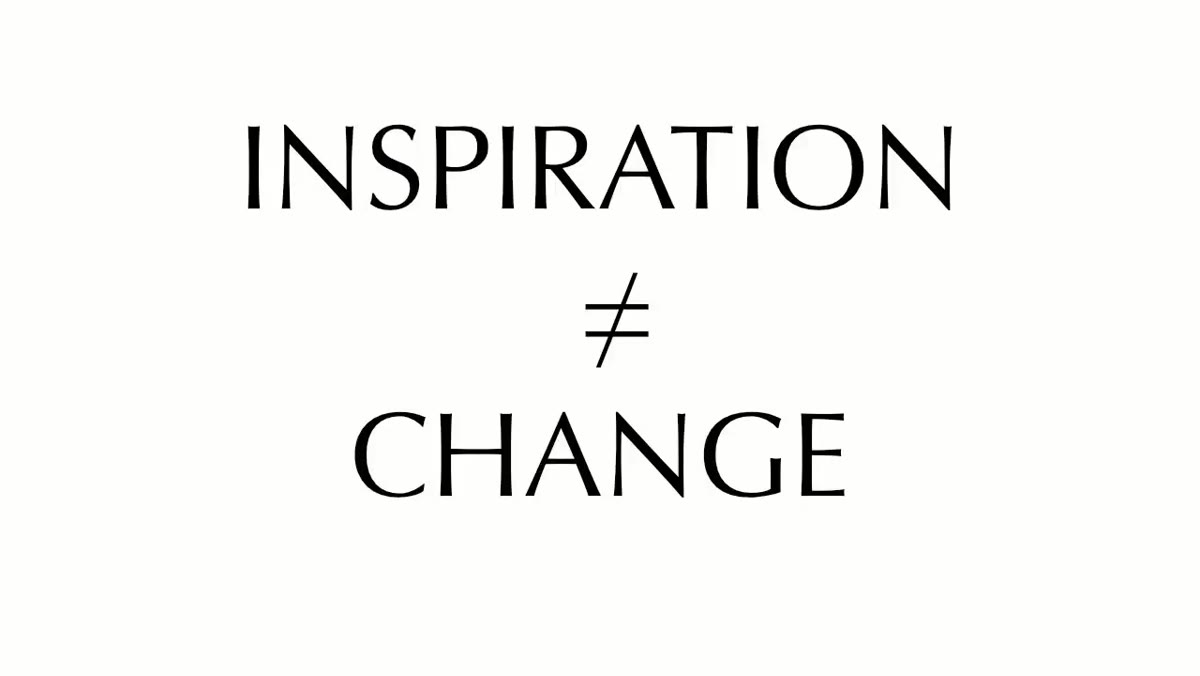 Susan speaking at podium about inspiration and acting
The first thing this presentation nails is a truth that most motivational content completely avoids: being inspired does not make you do anything. Susan describes how she returned from a year of world travel having fallen deeply in love with photography, feeling lit up by everything she saw, and yet completely frozen when it came to taking any real action. She knew she loved it. She just didn’t know what to do next.
If you are waiting to feel inspired enough to start, you are waiting for the wrong thing. Inspiration is a spark, not a fuel source. What actually moves you forward is a decision followed by a specific action, even a small one. The step here is simple but uncomfortable: write down the one thing you have been putting off because you don’t feel ready, and do that one thing before you close your laptop.
Step 2: Name the Fear Honestly
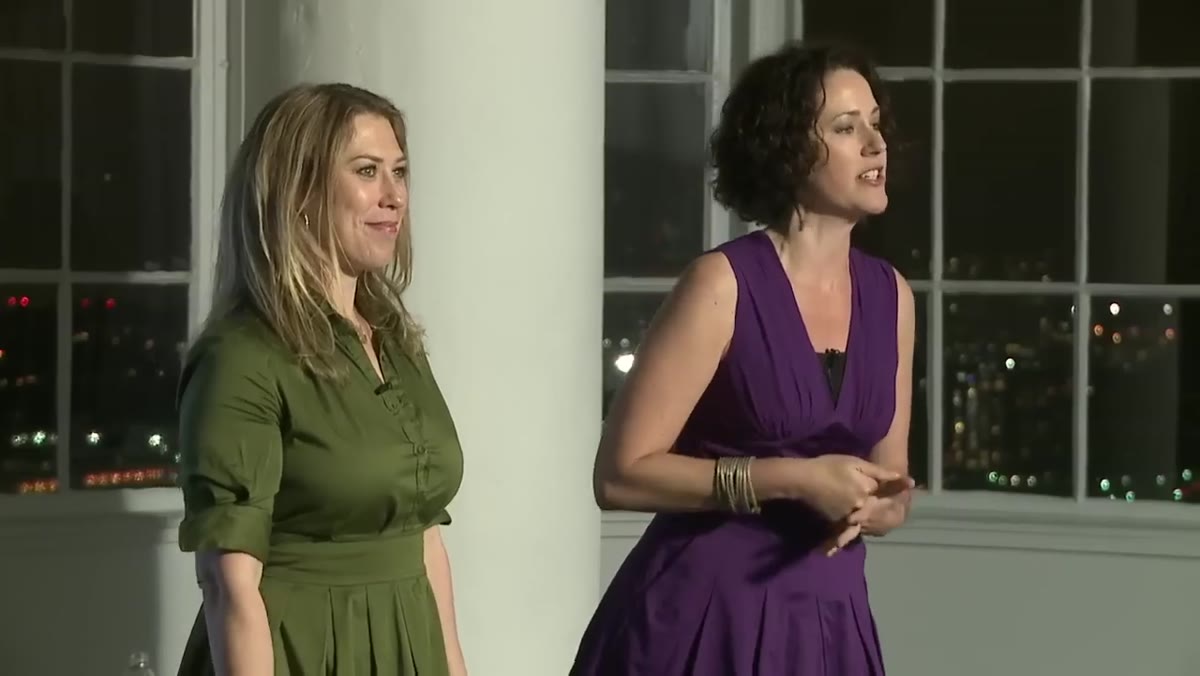 Kenna describing feeling trapped and depressed at 33
Kenna shares that she left corporate life at 33 with an MBA, significant debt, and a creeping depression that made getting out of bed feel impossible. What’s powerful here is the specificity. She doesn’t say she was “a little uncomfortable” or “ready for something new.” She names the actual weight of it: crying every day, feeling paralyzed, finding herself back in the system she had tried to escape.
The technique here is about honest self-diagnosis. Before you can fix a creative block, you have to call it what it actually is. Is it fear of failure? Fear of losing income? Fear that you’re not good enough? Pull it into the light. Write it down in one plain sentence. Unnamed fears tend to run the whole show quietly. Named fears are at least something you can argue with.
Step 3: Understand That a Leap Requires Real Commitment, Not Just Courage
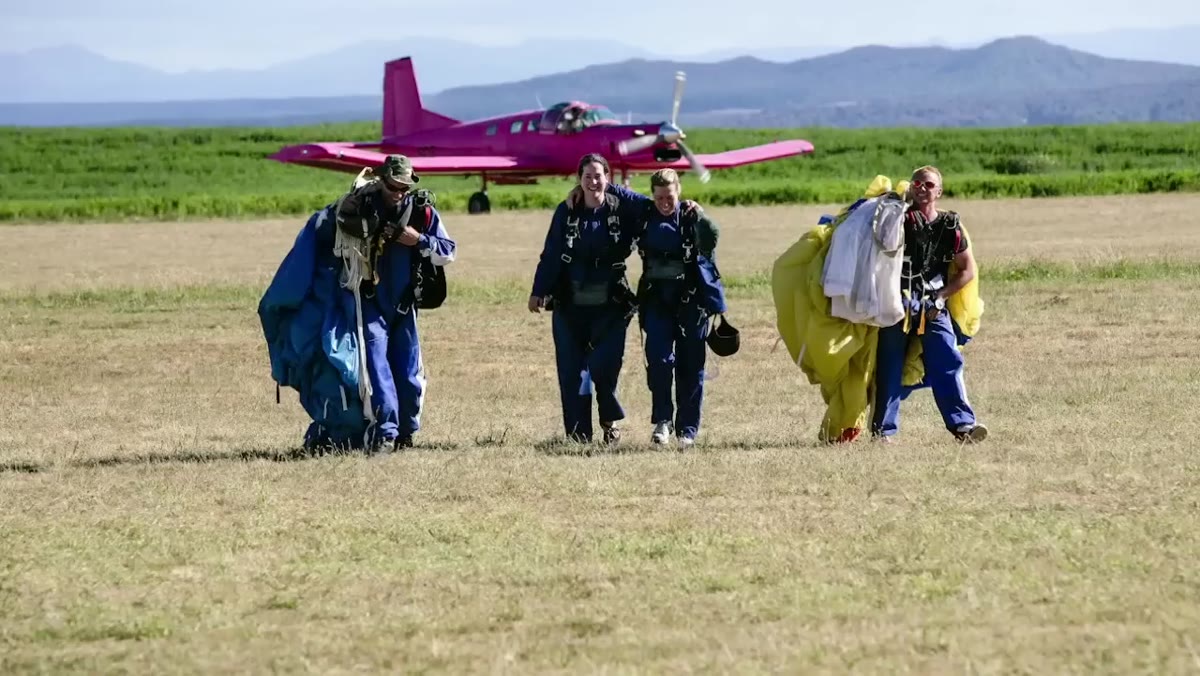 Both speakers discussing the year of travel as a deliberate commitment
One of the most useful reframes in this presentation is the distinction between luck and commitment. When Kenna and Susan describe their year of traveling the world, they address the “you’re so lucky” response they kept getting. Their answer is sharp: this was not luck. It was a decision they made deliberately, a leap they prepared for, and a risk they accepted fully.
For photographers, this applies directly. Building a practice around your photography, whether that means shooting more seriously on weekends, starting a portrait side project, or going fully independent, looks like luck from the outside. From the inside, it’s a series of deliberate choices that feel risky and uncertain the whole way through. The step is to stop framing your dreams as things that might happen to you and start treating them as commitments you are making.
Step 4: Accept That Coming Home Is the Hard Part
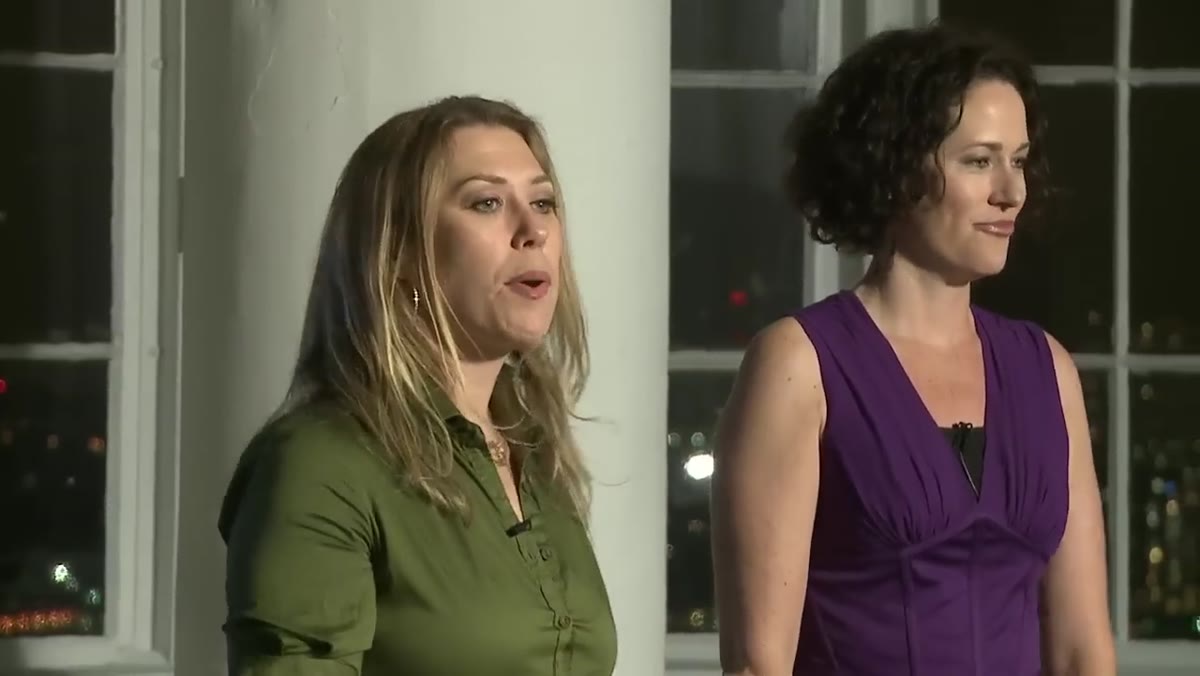 Susan describing returning home to mortgage payments and job interviews
Both presenters are honest about something that gets glossed over in a lot of travel photography content: the return is brutal. After a year of shooting, exploring, and living fully, they came back to mortgages, student loans, job interviews, and the reality that a transformative experience does not automatically transform your circumstances.
This matters for any photographer who has ever had a breakthrough, whether it was a great workshop, a trip that changed how they see, or a single session that finally clicked. The lesson from that moment does not automatically carry into daily life. You have to build structures that keep it alive. Set a recurring shoot date on your calendar. Commit to a project with a deadline. Find a community that holds you accountable. The feeling will fade. The habit has to outlast it.
Step 5: Find the Resource That Meets You Where You Are
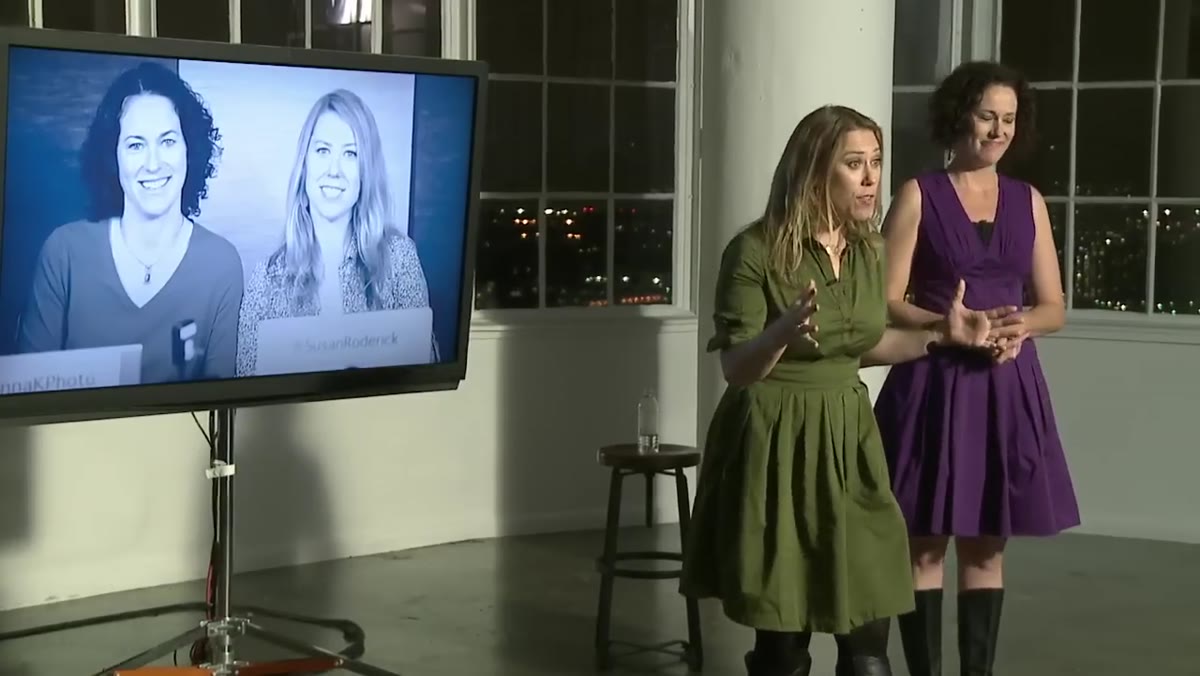 Both hosts describing discovering CreativeLive’s free photography education
The turn in this presentation comes when both women describe finding free photography education at a time when they were financially stretched and emotionally depleted. The specific resource was CreativeLive, but the broader point is universal: there are more entry points into serious photography education than most beginners realize, and cost is often not the real barrier.
The practical step here is to audit what’s actually available to you right now, before you spend anything. Free tutorials, library books, local photo clubs, community college courses, YouTube channels from working photographers, online critiques. If you are stuck, the resource you need probably exists. The question is whether you’re looking for it or waiting for permission to use it.
What I’d Add From My Own Experience
This presentation doesn’t go deep into craft, and it’s not meant to. But I think it pairs best with one very concrete habit: the weekly photo walk. Every Sunday morning I take myself out to shoot with no agenda, no client, no deliverable. Some weeks I bring my camera. Some weeks, honestly, I just bring my phone. The images don’t always matter. What matters is that I show up for my own vision on a regular basis, independent of any project or paycheck.
The lesson from Kenna and Susan’s story is that passion is fragile if it only gets exercised when conditions are perfect. Regular practice, even small and imperfect practice, is how you build a creative life that can survive the return flights, the mortgage payments, and the bad weeks.
The single most important thing this presentation teaches is that the gap between being a photographer who loves it and being a photographer who does it is not about skill or equipment or even opportunity. It’s about the decision to stop waiting and start building, however messily, right now.
Watch the full tutorial on YouTube and pay close attention to the moment Susan talks about being paralyzed even after the trip that changed everything. That part alone is worth watching twice.
Comments
Leave a Comment