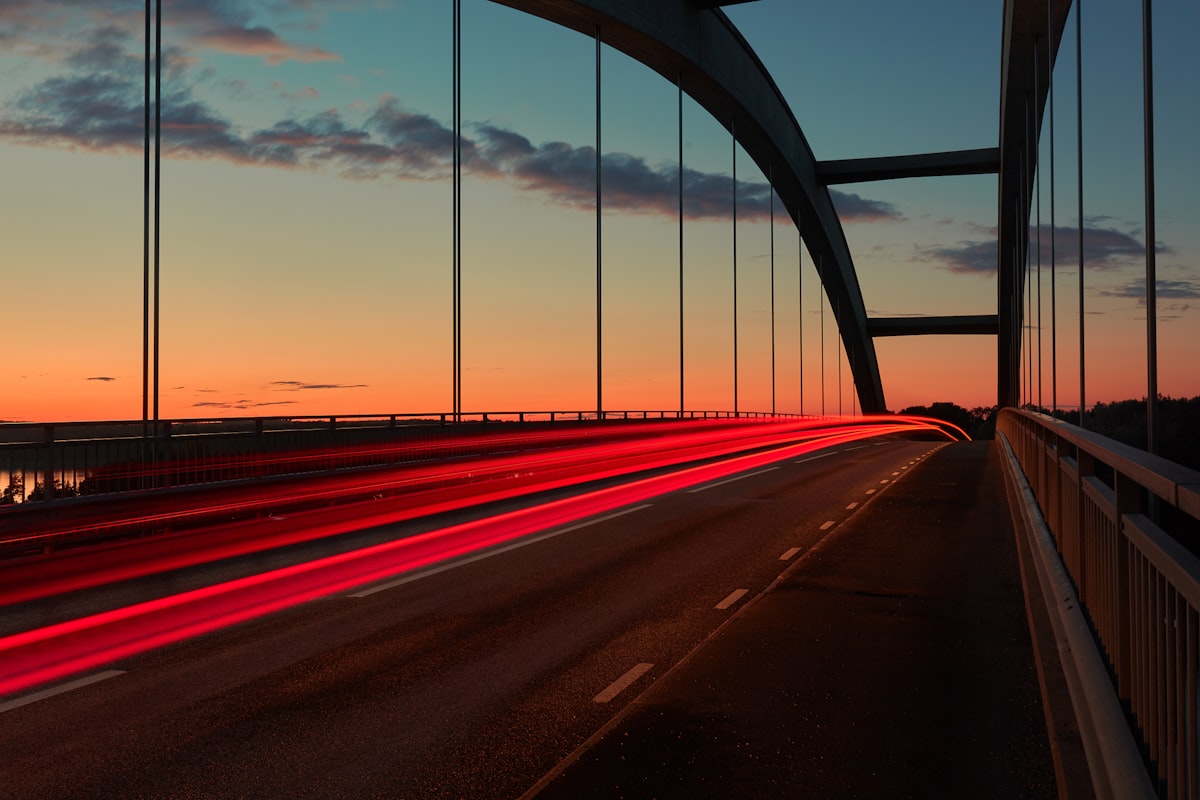
Lighting

Photography Lighting for Beginners: Natural vs Artificial

Light is the raw material of photography. Understanding how to work with it — whether it comes from the sun or a flash — is the single biggest skill jump most beginners can make. Natural Light Natural light is sunlight, whether direct, reflected, or diffused through clouds. It’s free, abundant, and when used well, produces beautiful results. Advantages: No equipment needed Produces natural-looking skin tones Creates a mood that’s difficult to replicate artificially Constantly changing, which can inspire creative variety Challenges:
How to Photograph in Harsh Midday Sun

Most photography advice tells you to avoid shooting at midday. The light is harsh, the shadows are ugly, and everything looks flat and overexposed. But you can’t always schedule life around golden hour. Vacations, events, assignments, and spontaneous moments happen under midday sun. Here’s how to work with it instead of against it. Why Midday Sun Is Difficult At midday, the sun is nearly directly overhead. This creates several problems:

Golden Hour Photography: How to Make the Most of Magic Light

Photographers call the period shortly after sunrise and before sunset “golden hour” for a reason. The light during these times transforms ordinary scenes into something remarkable. If you’ve ever noticed that your photos look dramatically better in the early morning or late afternoon, golden hour is why. What Makes Golden Hour Special During golden hour, the sun sits low on the horizon. Its light travels through a much thicker layer of atmosphere compared to midday, and this changes the light in three important ways.

Lighting

Indoor Photography Tips When Natural Light Is Limited

Not every indoor space has beautiful window light. Sometimes you’re in a dim restaurant, a windowless conference room, or a house with small windows on a cloudy day. These situations test your skills, but they don’t have to produce bad photos. Maximize Whatever Natural Light Exists Move subjects near windows. Even a small window provides usable light if your subject is close enough. Light intensity drops rapidly with distance — someone standing three feet from a window gets four times more light than someone standing six feet away.